
NEWS
Tribunal: Obi Submits Findings Of 6 States, 115 LGAs As Evidence

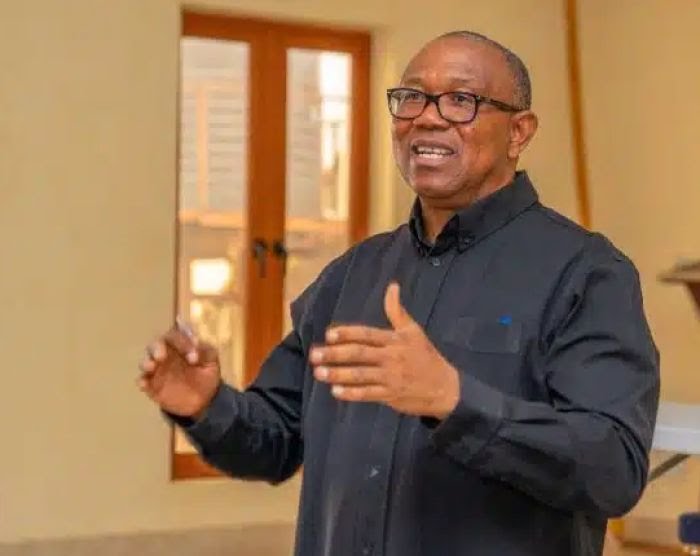
In order to prove his victory in the presidential election held on February 25, Labour Party candidate Mr. Peter Obi produced certified copies of the results from six federation-wide states on Thursday.
The results, which came from 115 Local Government Areas (LGAs), were presented by Obi as evidence before the Abuja-based Presidential Election Petition Court (PEPC).
Obi’s legal team was headed by Prof. Awa Kalu, SAN, although one of his attorneys, Chief Emeka Opoko, SAN, submitted the Forms EC8A from the Bar, which contained the election results.
The first set of results of the election that was tendered before the court by the LP candidate who came third in the presidential election was from 15 out of 22 LGAs of Rivers State.
Despite opposition by all the respondents in the matter, Justice Haruna Tsammani-led’s five-member panel admitted the Rivers state results and marked them as Exhibits PD 1 to PD 15.
Obi and the LP equally tendered results from 23 LGAs in Benue state, which were also admitted in evidence and marked as Exhibits PC 1 to PC 23, while results from 18 LGAs in Cross River State were added in evidence as Exhibits PD1 – PD 18.
On Niger state, Obi tendered Forms EC8A from 23 LGAs and they were admitted in evidence as Exhibits PE-1 to PE 23, as well as that of 20 LGAs in Osun state which were marked as Exhibits PF 1 – PF 20.
The last set of results the petitioners adduced and tendered in evidence before the court were from 16 LGAs in Ekiti and they were marked as Exhibits PG 1 to PG 16.
The Justice Tsammani-led panel subsequently adjourned further proceedings in the matter till Friday.
All the respondents said they would give reasons why they challenged the admissibility of the presidential election results that Obi and the LP tendered in evidence, in their final written address.
Cited as 1st to 4th respondents in the petition, are; the Independent National Electoral Commission, INEC, President Bola Tinubu, Vice President Kashim Shettima and the All Progressives Congress, APC.
It will be recalled that Obi and the LP had indicated their decision to call a total of 50 witnesses in the matter.
Specifically, Obi, in the joint petition he filed with the LP, is contending that President Tinubu was not the valid winner of the election.
The petitioners, in the case, marked: CA/PEPC/03/2023, equally maintained that President Tinubu was not qualified to participate in the presidential contest.
According to the petitioners, at the time Tinubu’s running mate, Shettima, became the Vice Presidential candidate, he was still the nominated candidate of the APC for the Borno Central Senatorial election.
The petitioners further challenged Tinubu’s eligibility to contest the presidential election, alleging that he was previously indicted and fined the sum of $460,000.00 by the United States District Court, Northern District of Illinois, Eastern Division, in Case No: 93C 4483, for an offence involving dishonesty and drug trafficking.
On the ground that the election was invalid by reason of corrupt practices and non-compliance with the provision of the Electoral Act, 2022, the petitioners argued that INEC acted in breach of its own Regulations and Guidelines.
The Petitioners argued that the electoral body was in the course of the conduct of the presidential poll, mandatorily required to prescribe and deploy technological devices for the accreditation, verification, continuation and authentication of voters and their particulars as contained in its Regulations.
They are, therefore, praying the court to among other things, declare that all the votes recorded for Tinubu and the APC, were wasted votes owing to his non-qualification/disqualification.
In the alternative, the petitioners, want an order cancelling the election and compelling INEC to conduct a fresh election in which Tinubu, Shettima and the APC, listed as 2nd, 3rd and 4th Respondents, respectively, shall not participate.
They requested the court to rule that Tinubu’s return as the winner of the presidential election was illegal, unconstitutional, and had no bearing at all because he had not been properly elected by a majority of the valid votes cast in the election.
The petitioners further ask the court to declare that the presidential election was invalid since it was not substantially conducted in line with the terms of the Electoral Act of 2022 and the 1999 Constitution, as amended.







The Transmission Company of Nigeria (TCN) has commenced the final phase of restoration works on the 330kV Kainji–Birnin Kebbi Transmission Line following the recent collapse of Tower T367 along the line corridor.
TCN, in an update issued on Wednesday, said significant progress had been recorded at the affected location in Yauri, where restoration activities are ongoing.
ALSO READ: TCN Restores 330kV Shiroro–Mando Line, Strengthens Power Supply to Kaduna
According to the company, the collapsed transmission tower has now been completely dismantled and decommissioned, while the conductors and skywire have been properly aligned and prepared for the next stage of the restoration process.
TCN also disclosed that an Emergency Restoration System (ERS) tower has been moved to the site and is ready for installation.
The company said the installation would be followed by cable stringing and other associated works towards the restoration of the affected transmission line.
“Our engineers and technical personnel remain actively engaged at the site and are working hard to ensure a quick completion and restoration of the line.”
TCN said it remained committed to restoring normal bulk transmission as soon as possible and appealed to electricity consumers and other stakeholders affected by the incident for patience and understanding.
“TCN appreciates the patience and understanding of electricity consumers and other stakeholders affected by the incident and assures the public that every effort is being made to restore the line and consequently, normal bulk transmission as soon as possible.”

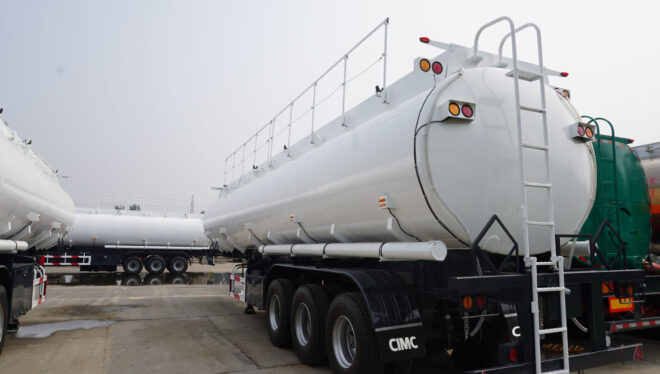
The National Union of Edible Oil Tanker Drivers of Nigeria (NUEOTDN) has suspended its planned nationwide strike scheduled to begin Wednesday following Federal Government intervention in its dispute with operators in the edible oil industry.
The last-minute suspension averted a potential disruption in the transportation and distribution of edible oil across the country, with the union directing members to maintain normal operations while negotiations continue.
READ ALSO: Tinubu Applauds $800m FID on Ima Gas Project
NUEOTDN President, Ilias Aperun, announced the decision in a statement dated September 22, saying interventions by President Bola Tinubu and the Department of State Services (DSS) had opened discussions towards resolving the issues that prompted the planned industrial action.
“The planned industrial action scheduled to commence today, 23rd September 2026, has been suspended.”
Aperun said the union decided to give the government intervention time to produce results in the interest of economic stability and protection of the edible oil supply chain.
“In the interest of peace, national economic stability and the protection of the edible oil supply chain, the Union has decided to suspend the planned action and give room for the ongoing government intervention,” he said.
The union consequently directed its members and other stakeholders to halt preparations for the strike and continue normal operations pending further directives.
Aperun said discussions aimed at resolving the dispute were already underway, adding that the union remained committed to protecting the welfare and legitimate interests of its members without jeopardising the supply of edible oil.
“The NUEOTDN remains committed to the protection of the public health of the masses, welfare and legitimate interests of its comrades, while also supporting a peaceful and sustainable resolution of the issues at stake,” he said.
He urged stakeholders in the industry to cooperate with the ongoing negotiations, saying constructive engagement remained necessary to resolve the issues raised by the tanker drivers.
The union expressed appreciation to the Federal Government for its intervention and urged members to remain calm while awaiting the outcome of the discussions.
Aperun said further developments would be communicated as negotiations progressed.
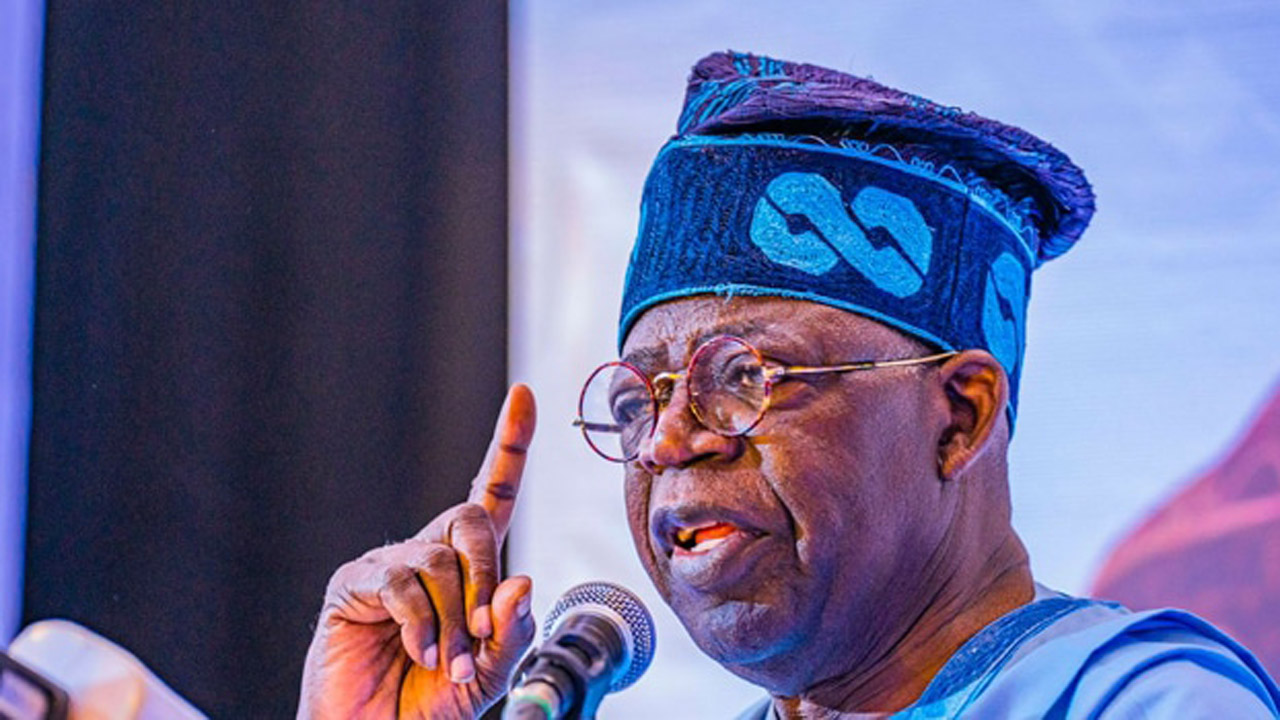
President Bola Ahmed Tinubu has welcomed the construction of a $12 million Abuja Centre for Entrepreneurship, saying the facility will strengthen Nigeria’s Micro, Small and Medium Enterprises (MSME) ecosystem and create more opportunities for businesses to grow and generate jobs.
The President made this known in a statement issued on Wednesday by his Special Adviser on Information and Strategy, Bayo Onanuga.
The Abuja Centre for Entrepreneurship (ACE) is being developed at the SMEDAN Industrial Development Centre in Idu, Abuja, with funding from the Republic of Korea through the Korea International Cooperation Agency (KOICA).
SEE ALSO: Tinubu Applauds $800m FID on Ima Gas Project
The project is being implemented in partnership with the Federal Government through the Small and Medium Enterprises Development Agency of Nigeria (SMEDAN) and the United Nations Development Programme (UNDP).
The centre will provide workspaces, digital facilities, training, incubation and enterprise support for aspiring entrepreneurs, start-ups and existing businesses.
According to the statement, the facility has an initial target of supporting 500 entrepreneurs, 400 start-ups and 1,500 MSMEs.
About $5.9 million of the investment will be allocated to construction, while $6.1 million will fund equipment and programmes designed to support entrepreneurs and businesses.
Tinubu said the centre would help establish, strengthen and grow businesses.
“Small businesses are an important part of our economy. They employ people, support families and create activity in communities across the country.
“Many entrepreneurs already have the ideas and the determination to succeed. What they often need is better access to facilities, technology, training and the support that can help their businesses grow.
“This Centre will provide more of that support and strengthen the ecosystem around them,” he said.
The centre is expected to serve businesses in Abuja and surrounding cities, including Kaduna, Jos, Keffi, Lafia, Minna, Makurdi and Lokoja.
It is also expected to contribute to strengthening the wider entrepreneurship and MSME ecosystem across Northern Nigeria.
The President said the Federal Government would continue to expand the conditions that allow small businesses to grow and compete.
“We want more Nigerians to be able to start businesses, grow them and employ others.
“We also want existing small businesses to have better access to the tools and support they need to become stronger and more productive.
“That is important for jobs, incomes and the wider economy,” Tinubu said.
He added that the project complements the administration’s wider investments in digital skills, entrepreneurship, enterprise development and support for MSMEs.
The centre has also been designed to accommodate women and persons with disabilities. It will include accessible facilities and crèche services for women with young children.
While construction is ongoing, SMEDAN, KOICA and UNDP will work with universities, incubators, financial institutions, private-sector organisations and entrepreneur networks to build a wider support system around the centre.
The partners will also identify businesses that can benefit from the centre’s programmes.
Tinubu thanked the South Korean government for the $12 million investment and commended KOICA, UNDP and SMEDAN for advancing the project to the construction stage.
He said Nigeria would continue to welcome investments and partnerships that strengthen local businesses, deepen enterprise development and create more jobs.
“Our economy will be stronger when more Nigerian businesses can start, survive and grow.
“We must keep building the support around them and opening more opportunities for enterprise across the country,” the President said.






Dangote to Support Two Million Women with Refinery IPO Share Ownership

NGX Invest Expands Primary Market Access with WhatsApp Subscription Channel
Kainji–Birnin Kebbi Power Line: TCN Begins Final Phase of Restoration

2027 Polls: ‘Poor Funding Could Undermine Election Security, Logistics’ — INEC Chairman Warns

N4bn Compensation Dispute Threatens Ikot Abasi Power Project

Organised Labour Supports Workers’ Demand for N500 PMS Price, N500,000 Minimum Wage

Trump’s Family Unveils New Cryptocurrency Platform

Senate Denies Receiving Petitions Against Tinubu’s Ambassadorial Nominees

Dangote Cement Lights Up Benue Host Communities With CSR Initiatives

Reps Recommend 3-year Jail Term For Aviation minister

Tems Sets New Record On Billboard Hot 100 Chart
