
NEWS
Vice President, First Lady Attend Ninth Senate’s Valedictory Plenary


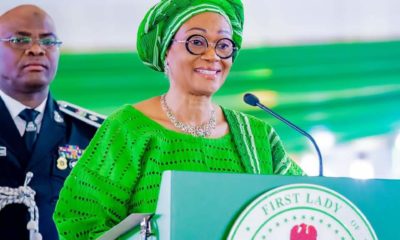
On Saturday, the vice president, Senator Kashim Shettima, and the First Lady, Senator Oluremi Tinubu, were in attendance at the valedictory plenary of the ninth Senate.
As a mark of respect, they were given the first two seats in the front row, typically occupied by leaders.
The ninth Senate, which was inaugurated on June 11, 2019, is set to conclude its activities on June 11, 2023.
The valedictory session commenced at approximately 11 a.m. and saw the presence of numerous lawmakers, including the Vice President, First Lady, Kano State Governor Uba Sani, and Akwa Ibom State’s deputy governor, Dr. Akon Eyakenyi, among others.
Starting from today, the lawmakers will no longer gather for plenary sessions, although they will continue to carry out other legislative duties until Sunday, June 11.
The upcoming 10th Assembly is scheduled to be inaugurated on Tuesday, June 13, during which the presiding officers will be elected.
According to a report, it is anticipated that only approximately 34 lawmakers from the ninth Senate will be returning to serve in the 10th Assembly.






The Transmission Company of Nigeria (TCN) has restored bulk power supply to its Katampe 330kV Transmission Substation in Abuja following an earlier disruption caused by a fault on the Shiroro–Katampe 330kV Line 1.
The development was disclosed in a statement released by TCN management on Friday, October 9, 2026.
SEE ALSO: Kainji–Birnin Kebbi Power Line: TCN Begins Final Phase of Restoration
According to the statement, bulk power supply was restored to the Katampe substation at 4:15 p.m. through the Gwagwalada–Katampe 330kV Line 1.
TCN explained that the Shiroro–Katampe 330kV Line 1 remains out of service due to a fault, necessitating the use of the Gwagwalada–Katampe line to restore supply to the substation.
The company also announced the suspension of planned maintenance work on the Gwagwalada–Katampe 330kV Line 1 to enable the line to continue supplying the Katampe substation.
The suspended maintenance work involved replacing defective line isolators and the associated earthing switch.
TCN apologised to electricity consumers in the affected areas for any inconvenience caused by the disruption and maintenance arrangements.
The Federal Government has warned politicians against making promises that could reverse Nigeria’s economic reforms, insisting that it will not restore fuel subsidy amid renewed debate over the Nigerian National Petroleum Company Limited’s (NNPC) petrol discount.
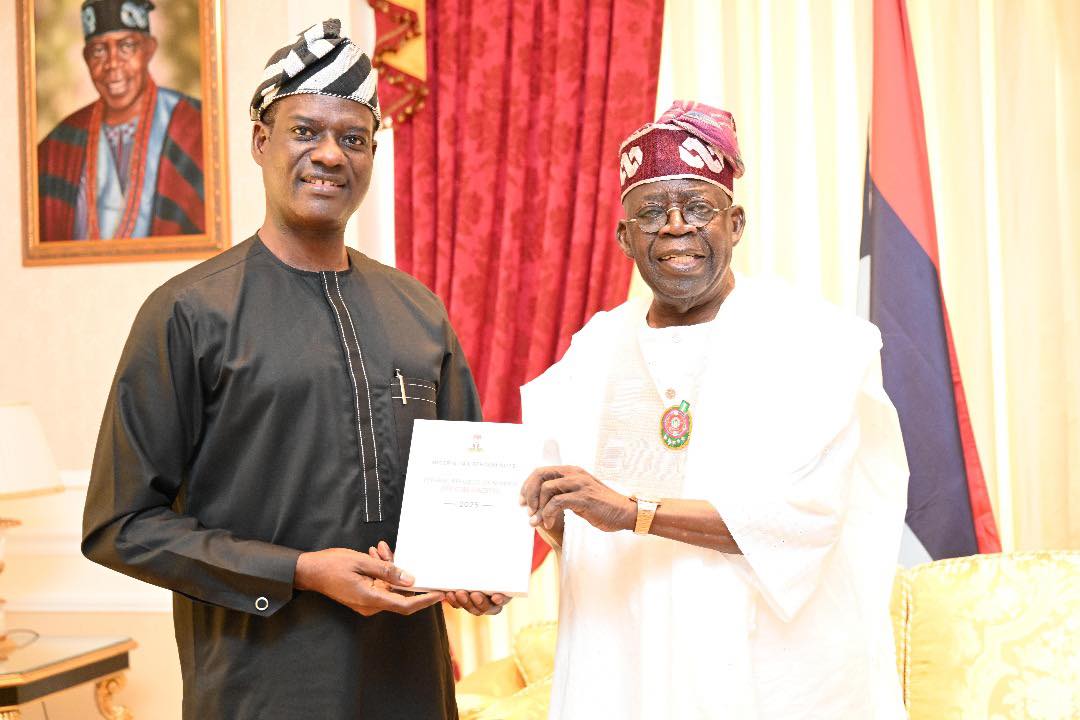
The Minister of Finance and Coordinating Minister of the Economy, Taiwo Oyedele, disclosed this during an interview on Channels Television on Friday, saying the government would not bring back subsidies on petroleum products.
“This government is not bringing back subsidy on fuel products. We need to be clear,” Oyedele said.
ALSO READ: NNPC Petrol Discount: Oyedele Explains How Lower Margins Could Boost Profits
The minister also criticised politicians who, according to him, make promises to win elections without fully considering the implications of implementing them.
He suggested that some politicians make sweeping promises during election campaigns only to offer excuses when confronted with the realities of governance.
“I think I would pardon people who say all manner of things because they want to get elected. It’s almost like ‘whatever I need to say, when I get there, I’ll give excuses.’ But we have the data,” he said.
Oyedele added that he felt a personal responsibility not to remain silent about the economic realities known to the government or allow populist positions to push Nigeria in the wrong direction.
“I feel the personal responsibility that I cannot see what I see and keep quiet, or populism to move our country in the wrong direction,” he said.
NNPC Petrol Discount Sparks Fresh Subsidy Debate
The minister’s remarks come amid renewed debate over fuel subsidy following the Federal Government’s announcement of a 30-day petrol discount at NNPC retail stations.
The initiative was introduced as a temporary measure to provide relief to Nigerians amid elevated global crude oil prices and concerns about the cost of petroleum products.
NNPC Retail had also announced a N66-per-litre petrol discount to mark Nigeria’s 66th Independence Anniversary, with the offer scheduled to run until October 31, 2026, across its retail stations nationwide.
The company maintained that the discount was a customer-relief initiative and did not represent a return to the petroleum subsidy regime.
The distinction has become central to the debate, with the government insisting that temporary price relief at NNPC stations does not amount to restoring the subsidy policy abolished in May 2023.
The administration has maintained that the current arrangement differs from the former subsidy system, under which the government intervened to cover part of the cost of petrol.
FG Defends Economic Reforms
During the interview, Oyedele also referred to a World Bank update, saying the institution had acknowledged a reduction in poverty levels and increased spending on infrastructure, particularly roads.
He urged Nigerians not to reverse the progress he said had been made, arguing that the country was approaching a point where the benefits of ongoing reforms should begin to emerge.

The Kaduna State Universal Basic Education Board (SUBEB) has commenced a promotion exercise for 24,000 eligible staff as part of efforts to clear outstanding teachers’ promotions dating back to 2021.
The development was disclosed on Friday as the administration of Governor Uba Sani intensifies efforts to address promotion backlogs, recognise teachers’ years of service and improve staff welfare across the state.
The exercise covers outstanding promotions from 2021 to 2026 and is expected to provide eligible teachers and other staff with opportunities for career progression.
SEE ALSO: Kaduna Clears N18bn Pension Arrears, Raises Agric Funding to N100bn
According to the announcement, eligible personnel will undergo an assessment process, after which promotions will be implemented for those who successfully meet the requirements.
The initiative is part of efforts to strengthen the education sector by recognising the contributions of teachers and supporting their professional development.
The state government has emphasised the importance of investing in teachers, noting that a motivated and valued teaching workforce is essential to building a stronger education system.
The exercise is also expected to address long-standing staff concerns relating to career advancement within the state’s basic education sector.






2027: Yilwatda Lists Tinubu’s Projects, Appointments as Reasons for North Central Support

Domestic Flight delays, Cancellations Compound Air Travellers’ Woes

2027 Election Might Witness Voter-Apathy as Registered Voters Shun PVC Collection
TCN Restores Power Supply to Katampe Substation After Shiroro Line Fault

2027 Elections: FG Warns Politicians Against Promises on Fuel Subsidy

PETROAN Expects Fuel Discount to Combat Inflation

Trump’s Family Unveils New Cryptocurrency Platform

Senate Denies Receiving Petitions Against Tinubu’s Ambassadorial Nominees

Dangote Cement Lights Up Benue Host Communities With CSR Initiatives

Reps Recommend 3-year Jail Term For Aviation minister

Tems Sets New Record On Billboard Hot 100 Chart
