
Business
64 Million Nigerians Battling Food Crises Due To Inflation

The World Bank has stated that inflation has had a distressing effect on the food crisis in Nigeria, with around 64 million Nigerians requiring immediate aid in terms of food and nutrition.
Rising inflation, coupled with climate change and other factors, have contributed to this dire situation, as disclosed in the latest food security update titled “Food Security Update: World Bank Response to Rising Food Insecurity.”
This report, obtained by our correspondent, reveals that the number of people suffering from acute hunger in Nigeria has risen to 24.8 million, indicating a worsening food insecurity situation and widespread deprivation.
The report further emphasizes that the West Africa and Central Africa regions are at risk, with approximately 107.5 million people living in a stressed zone that could lead to a food crisis if additional shocks occur during the current farming season.
This figure is nearly double the prediction made by Oxfam, ALIMA, and Save the Children, who previously warned that food crises in West Africa could affect people in Burkina Faso, Niger, Chad, Mali, and Nigeria.
The World Bank’s report also highlights that the number of people experiencing severe food insecurity and crisis is the highest on record since the Global Report on Food Crises was initiated in 2017.
The bank attributes this to persistent trade barriers, high transport costs, the repercussions of the war in Ukraine, and currency depreciation in coastal countries, which have resulted in food price inflation and limited access to nutritious food for households.
In fact, the prices of major staple grains in West Africa have risen significantly, averaging 25 to 40 percent higher compared to the previous five years.










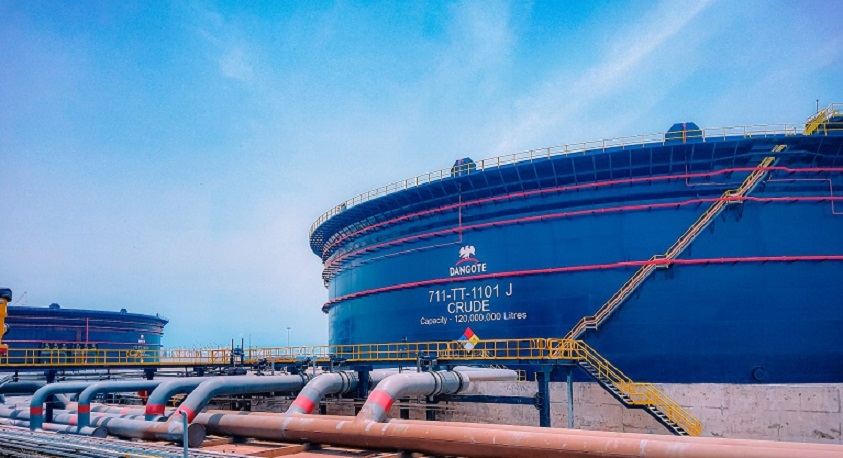
The Dangote Petroleum Refinery and Petrochemicals’ (DPRP) decision to seek leave to appeal a Federal High Court (FHC) judgment directing the Nigerian Midstream and Downstream Petroleum Regulatory Authority (NMDPRA) to continue issuing petroleum product import licences to three major oil marketers is being backed by the Energy Watchdog.
This was detailed in a statement by Martins Tayo, which considers the move as necessary to protect Nigeria’s domestic refining industry and reduce dependence on imported petroleum products.
The judgment, delivered on September 28, 2026, by Justice Inyang E. Ekwo in Suit No. FHC/ABJ/CS/1363/2026, ordered the NMDPRA to continue issuing import licences to Matrix Energy, AA Rano and AYM Shafa.
The Energy Watchdog argued that the ruling undermined the objectives of the Petroleum Industry Act (PIA) and threatened investments in domestic refining capacity.
“We completely reject and condemn in totality the judgment of the lower court. It is a deeply flawed decision that disregards the clear intent of the Petroleum Industry Act and the national interest in building a robust domestic refining industry,” the statement said.
READ ALSO: NNPC Petrol Discount: Oyedele Explains How Lower Margins Could Boost Profits
The group further cited a reported decline in petrol imports in the first quarter of 2026, alongside increased supplies from local refineries, particularly the Dangote facility, as evidence of the country’s growing domestic refining capacity.
It argued that sustaining import licences despite rising local production could undermine efforts to achieve self-sufficiency in refined petroleum products and weaken investor confidence in the sector.
According to the organisation, Dangote Refinery’s decision to seek leave to appeal as an interested party was timely, given the potential implications of the judgment for the future of Nigeria’s downstream petroleum industry.
“The lower court’s decision amounts to a judicial endorsement of continued importation irrespective of local capacity.
“We condemn it without reservation because it threatens to reverse the hard-won gains of the last few years,” Tayo stated
The Energy Watchdog maintained that the Petroleum Industry Act was designed to encourage investment in midstream and downstream infrastructure, warning that allowing the ruling to stand could send a negative signal to investors who have committed substantial resources to domestic refining projects.
The group urged the Court of Appeal to grant the DPRP leave to appeal and ultimately set aside the FHC’s order, describing the case as significant to Nigeria’s energy security and the development of its refining industry.
“Any judgment that forces the continued importation of fuel products when local refineries can supply the market is a setback for Nigeria.
“We condemn the lower court ruling in the strongest terms and fully support the appeal filed by Dangote Refinery,” the statement concluded, “The Court of Appeal must correct this error and reaffirm that the era of automatic import licences is over.”


Nigeria recorded the largest increase in the number of people experiencing multidimensional poverty among five countries that registered increases over their latest measurement periods, according to the United Nations Development Programme (UNDP).
The finding was contained in the 2026 Global Multidimensional Poverty Index report, released on Monday by the UNDP and the Oxford Poverty and Human Development Initiative (OPHI).
According to the report, Nigeria’s multidimensional poverty rate rose from 33 per cent in 2021 to 38.7 per cent in 2024, representing an increase of 5.7 percentage points.
SEE MORE: NNPC’s 30-Day Petrol Discount Is Not a Policy – Sowunmi
The number of Nigerians living in multidimensional poverty increased from 72.2 million in 2021 to 90.1 million in 2024, leaving an additional 17.9 million people affected.
The report noted that the latest increase reversed the progress Nigeria recorded between 2018 and 2021, when the proportion of people living in multidimensional poverty declined.
Nigeria’s Multidimensional Poverty Index value also increased from 0.175 in 2021 to 0.208 in 2024, reflecting a rise in both the incidence and intensity of deprivation.
The intensity of deprivation among multidimensionally poor Nigerians increased from 52.9 per cent to 53.6 per cent over the same period.
Unlike income-based poverty measures, which assess poverty based on how much people earn or spend, the Multidimensional Poverty Index examines overlapping disadvantages experienced in daily life.
The index measures deprivation across three dimensions: health, education and standard of living.
Its 10 indicators include nutrition, child mortality, years of schooling, school attendance, cooking fuel, sanitation, drinking water, electricity, housing and household assets.
A person is classified as multidimensionally poor when their household experiences deprivation in at least one-third of the weighted indicators.
The report showed that Nigeria had made progress in reducing multidimensional poverty before the latest increase.
The country’s index value declined from 0.230 in 2013 to 0.202 in 2018 and 0.175 in 2021 before rising to 0.208 in 2024.
Similarly, the proportion of Nigerians living in multidimensional poverty fell from 42.3 per cent in 2013 to 37.2 per cent in 2018 and 33 per cent in 2021 before increasing to 38.7 per cent in 2024.
The number of affected Nigerians also declined from 76.3 million in 2018 to 72.2 million in 2021 before climbing to 90.1 million in 2024.
The report further highlighted significant differences in multidimensional poverty across Nigeria’s subnational regions, with incidence ranging from 3.7 per cent to 88.3 per cent across the regions covered by the analysis.
It compared Yobe and Sokoto, two of Nigeria’s poorest subnational regions with similar Multidimensional Poverty Index values, to illustrate how the forms of deprivation experienced by communities can differ despite comparable overall poverty levels.
Globally, the report estimated that 1.2 billion people across 108 countries lived in acute multidimensional poverty.
Sub-Saharan Africa accounted for 616 million people living in multidimensional poverty, while South Asia followed with 393 million.
The report also found that 83.3 per cent of the world’s multidimensionally poor population, equivalent to approximately 998 million people, lived in rural areas, compared with 200 million in urban areas.
Children below the age of 18 accounted for 617 million, or 51.5 per cent, of the world’s multidimensionally poor population.
In sub-Saharan Africa, 355 million children lived in multidimensional poverty, accounting for 57.7 per cent of the region’s poor population.
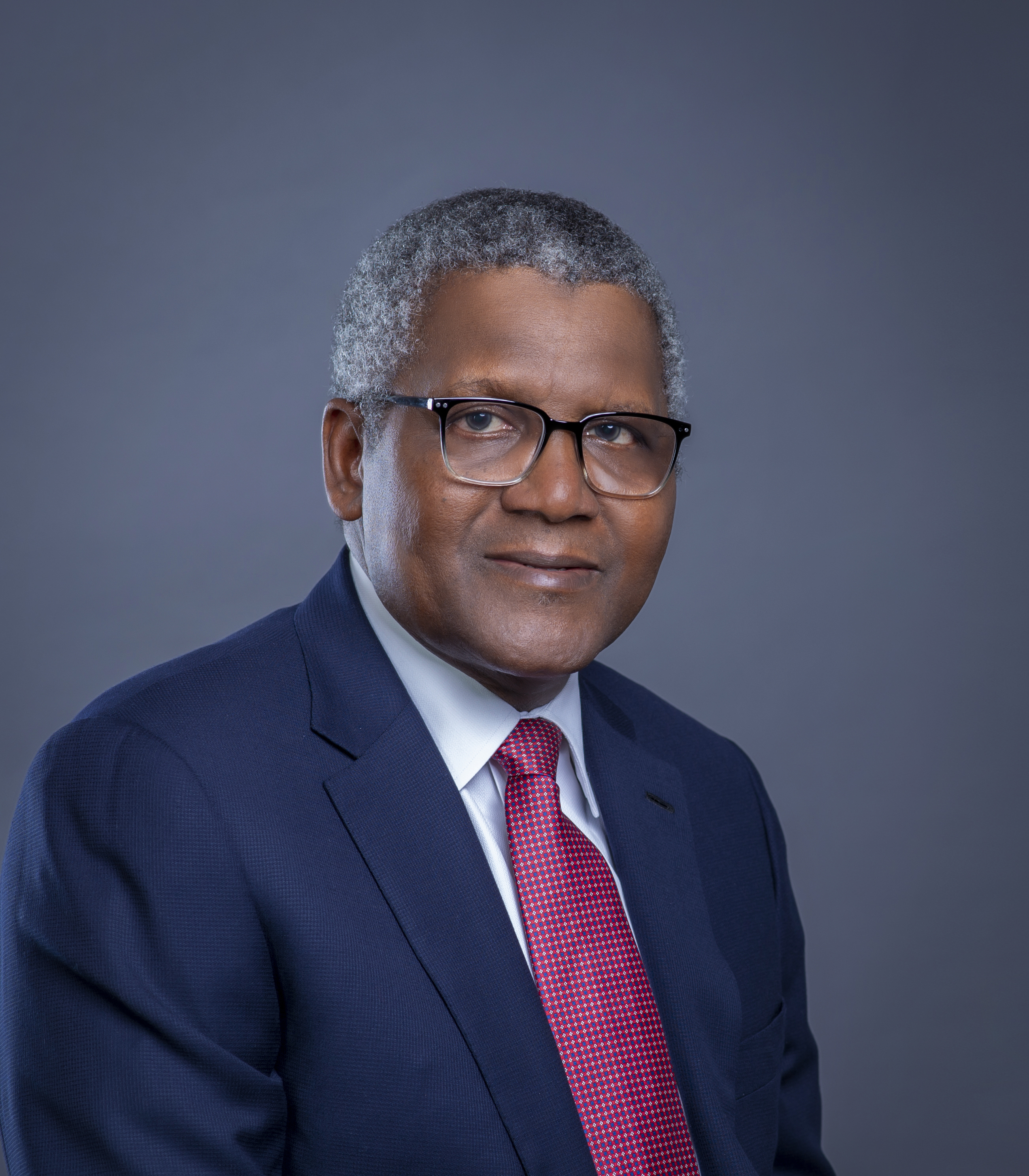
In a bold move to deepen retail participation in Nigeria’s capital market, the Aliko Dangote Foundation (ADF) has unveiled a share grant initiative aimed at helping up to five million tertiary students and two million vulnerable women become shareholders in Dangote Petroleum Refinery and Petrochemicals (DPRP) through its Initial Public Offering (IPO).
Managing Director and Chief Executive Officer of ADF, Zouera Youssoufou, disclosed that the Foundation will match qualifying share subscriptions by eligible beneficiaries. Under the programme, students who subscribe for the minimum 10 shares worth N5,250 will receive an additional 10 shares funded by the Foundation, subject to the approved process and allocation, effectively doubling their holdings to 20 shares.
Speaking during a television interview, Youssoufou said the initiative was designed to turn the refinery’s “People’s IPO” vision into reality by giving traditionally underserved groups a direct stake in one of Africa’s largest industrial assets.
“When Aliko announced the IPO, he described it as the IPO of the people and wanted as many Nigerians as possible to participate,” she said.
READ ALSO: FG Lacks Capacity to Meet Dangote Refinery Crude Demand
According to her, students and vulnerable women were specifically selected because they have historically been underrepresented in the capital market.
The ADF said it is prepared to support up to five million students enrolled in Nigerian tertiary institutions, including universities, polytechnics and colleges of education. Eligible applicants must be at least 18 years old and enrolled in a recognised institution. The Foundation is working with relevant educational authorities to verify beneficiaries.
Youssoufou revealed that about N25 billion has been earmarked for the student component of the scheme, while the broader programme for students and vulnerable women is valued at approximately N40 billion.
She emphasised that the intervention is a grant, not an investment, with all shares ultimately belonging to the beneficiaries.
“The shares end up with the beneficiary. Our goal is to help people who may never have had the opportunity to own shares begin building long-term wealth,” she said.
Beyond students, ADF plans to support up to two million vulnerable women, including widows, women living in extreme poverty, persons with disabilities, and widows of members of the Armed Forces. The Foundation is partnering with state governments, the Ministry of Women Affairs, the Armed Forces and other institutions to identify eligible participants.
According to Youssoufou, the initiative is not only about widening ownership in the refinery but also about promoting financial literacy, encouraging a culture of savings and investment, and helping Nigerians build sustainable wealth through participation in the capital market.






2027: ‘Algorithms Will Not Decide Election Results’, INEC Chairman Declares

Navy Recovers 98,000 Litres of Suspected Stolen Crude in Rivers

DPRP’s Appeal Against Fuel Import Licence Ruling Earns Stakeholder Backing

State Govs, Wike Endorse One-Party State, Join APC Campaign Council

2027: ‘Tinubu Has Done Well’ – Wike Tells Opposition to Speak the Truth

‘Celebrate This Poor Man’ – Shettima Defends Tinubu Over Economic Crisis

Trump’s Family Unveils New Cryptocurrency Platform

Senate Denies Receiving Petitions Against Tinubu’s Ambassadorial Nominees

Dangote Cement Lights Up Benue Host Communities With CSR Initiatives

Reps Recommend 3-year Jail Term For Aviation minister

Tems Sets New Record On Billboard Hot 100 Chart
