
Business
Africa’s Losing $90bn Annually to Imported Substandard Fuel, Dangote Laments

Africa has become a destination for cheap, often toxic petroleum products, often blended to substandard levels that would not be permitted in Europe or North America.
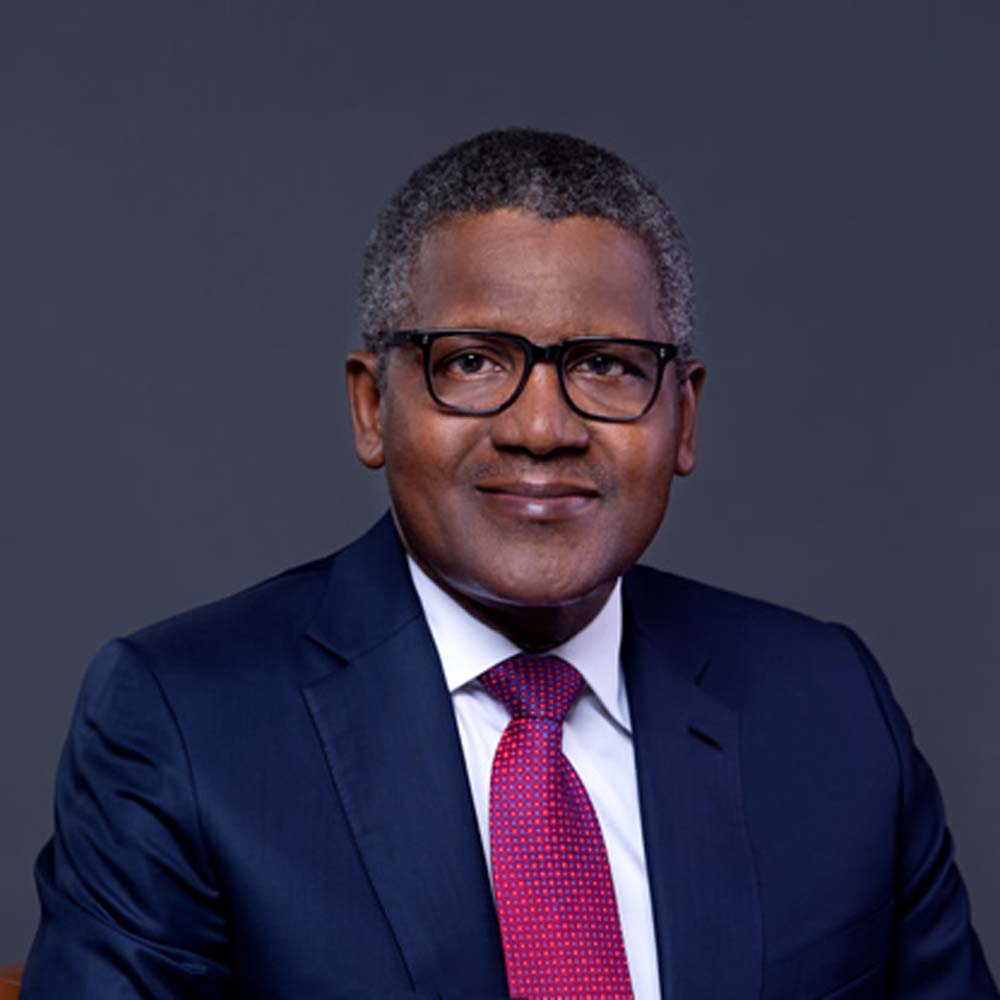
This concern was raised by the President/Chief Executive, Dangote Industries Limited, Aliko Dangote, at the ongoing West African Refined Fuel Conference held in Abuja.
The event is the brainchild of the Nigerian Midstream and Downstream Petroleum Regulatory Authority (NMDPRA) and S&P Global Commodity Insights.
According to Dangote due to the continent’s limited domestic refining capacity, Africa imports over 120 million tonnes of refined petroleum products annually, at a cost of approximately $90 billion.
While appreciating the Management of the Nigerian National Petroleum Company Limited (NNPCL), for making some cargoes of Nigerian crude available to us from start of production to date, he revealed that the company, monthly import between 9-10 million barrels of crude from the United States of America and other countries.
ALSO READ: APC Bigwigs, Okpebholo, Wike, Oshiomole Unveil New Edo Line
He said, “As we speak today, we buy 9 – 10 million barrels of crude monthly from US and other countries. I must thank NNPC for making some cargoes of Nigerian crude available to us from start of production to date.”
Dangote further stated that despite producing around 7 million barrels of crude oil per day, Africa only refines about 40% of its 4.3 million barrels daily consumption of refined products domestically. In stark contrast, Europe and Asia refine over 95% of what they consume.
“So, while we produce plenty of crude, we still import over 120 million tonnes of refined petroleum products each year, effectively exporting jobs and importing poverty into our continent. That’s a $90 billion market opportunity being captured by regions with surplus refining capacity. To put this in perspective: only about 15% of African countries have a GDP greater than $90 billion. We are effectively handing over an entire continent’s economic potential to others—year after year,” he said.
While reaffirming his belief in the power of free markets and international cooperation, Dangote emphasised that trade must be grounded in economic efficiency and comparative advantage — not at the expense of quality or safety standards.
He stressed that, “it defies logic and economic sense for Africa to be exporting raw crude only to re-import refined products—products we are more than capable of producing ourselves, closer to both source and consumption.”
Reflecting on the experience of delivering the world’s largest single-train refinery, Dangote also highlighted a range of challenges faced, including technical, commercial, and contextual hurdles unique to the African landscape.
Africa’s wealthiest man described building refineries such as the Dangote Petroleum Refinery as one of the most capital-intensive and logistically complex industrial facilities ever constructed. The Dangote refinery project, he said, required clearing 2,735 hectares of land (seven times the size of Victoria Island), of which 70% was swampy, requiring the pumping of 65 million cubic metres of sand to stabilise the site and raise it by 1.5 metres, over 250,000 foundation piles, and millions of metres of piping, cabling, and electrical wiring among others.
“At peak, we had over 67,000 people on-site of which 50,000 are Nigerians, coordinating around the clock across hundreds of disciplines and nationalities. Then, of course, came the COVID-19 pandemic which set us back by two years and brought new levels of complexity, disruption, and risk. But we persevered,” he noted.
The refinery also required the construction of a dedicated seaport, as existing Nigerian ports could not handle the size and volume of equipment required. This included over 2,500 pieces of heavy equipment, 330 cranes, and even the establishment of the world’s largest granite quarry, with a production capacity of 10 million tonnes per year.
“In short, we didn’t just build a refinery—we built an entire industrial ecosystem from scratch,” he said.
Despite the refinery’s technical success, Dangote identified significant commercial challenges, particularly exchange rates which have gone from N156/$ at inception to N1,600/$ at completion, and challenges around crude oil sourcing. Although Nigeria is said to produce about 2 million barrels per day, the refinery has struggled to secure crude at competitive terms.
“Rather than buying crude oil directly from Nigerian producers at competitive terms, we found ourselves having to negotiate with international trading companies, who were buying Nigerian crude and reselling it to us—with hefty premiums, of course.
Logistics and regulatory bottlenecks have also taken a toll. Port and regulatory charges reportedly account for 40% of total freight costs, sometimes costing two-thirds as much as chartering the vessel itself.
“Refiners in India, who purchase crude oil from regions even farther away, enjoy lower freight costs than we do right here in West Africa because they are not saddled with exorbitant port charges,” Dangote said.
He added that, in terms of port charges, it is currently more expensive to load a domestic cargo of petroleum products from the Dangote Refinery, as customers pay both at the point of loading and at the point of discharge. In contrast, when they load from Lomé, which competes with them, they pay only at the point of discharge.
Dangote further criticised the lack of harmonised fuel standards across African nations, which creates artificial barriers for regional trade in refined products.
“The fuel we produce for Nigeria cannot be sold in Cameroon or Ghana or Togo, even though we all drive the same vehicles. This lack of harmonisation benefits no one—except, of course, international traders, who thrive on arbitrage. For local refiners like us, it fragments the market and imposes unnecessary inefficiencies.”
Dangote, stating the challenge with diesel production in Africa, noted, “to give one example, the diesel cloud point for Nigeria is 4 degrees. Without going into the technical details, this means that the diesel should work at a temperature of 4 degrees centigrade. Achieving this comes at a cost to us and limits the types of crude we could process. But how many places in Nigeria experience temperatures of 4 degrees? Other African countries have a more reasonable range of 7 to 12 degrees. This is a low hanging fruit which could be addressed by the regulators.”
He also cited the growing influx of discounted, low-quality fuel originating from Russia — blended with Russian crude under price caps and dumped in African markets.
“And to make matters worse, we are now facing increasing dumping of cheap, often toxic, petroleum products—some of which are blended to substandard levels that would never be allowed in Europe or North America,” he said.
Dangote called on African governments to follow the example of the United States, Canada, and the European Union, which have implemented protective measures for domestic refiners.








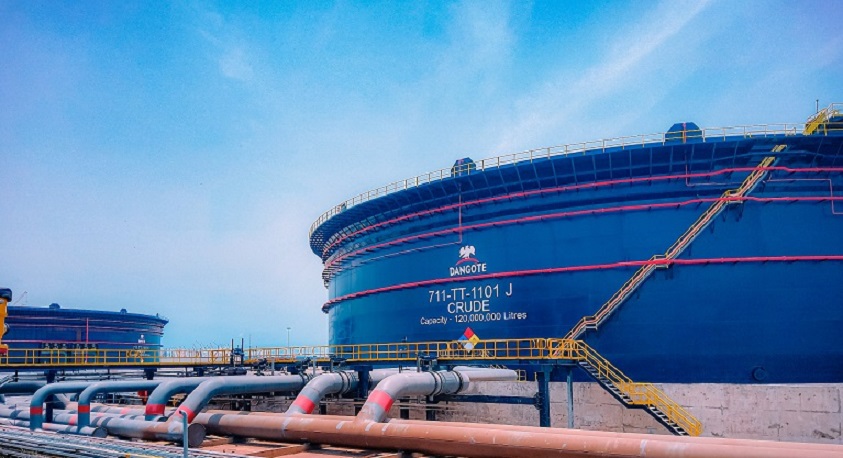
The Aliko Dangote Foundation (ADF) has unveiled the Women’s Share Subscription Grant Initiative (WSSGI), a pioneering financial inclusion programme aimed at increasing women’s participation in Nigeria’s capital market through the ongoing Initial Public Offering (IPO) of Dangote Petroleum Refinery and Petrochemicals FZE (DPRP).
The nationwide initiative is designed to support up to two million Nigerian women, with a special focus on low- and middle-income earners, as well as vulnerable women. Through the programme, ADF seeks to expand access to equity ownership, promote a culture of savings and long-term investing, and empower women with greater opportunities for wealth creation through responsible participation in the capital market.
The initiative is open to several categories of beneficiaries, including independent applicants earning ₦100,000 or less per month, verified participants in designated ADF programmes such as CRoWN, ADFIN, and Mu Shuka Iri, eligible non-commissioned servicewomen and service spouses, as well as verified service widows.
To accommodate different categories of participants, the initiative provides two pathways for entry: Matching Grant Track: Eligible independent applicants who subscribe to a minimum of 10 shares will receive an ADF-funded application for an additional 10 shares in their name.
Unconditional Grant Track
The ADF will fund an application for 20 shares on behalf of eligible beneficiaries who satisfy programme eligibility, investor identification, and Know Your Customer (KYC) requirements.
This category covers verified beneficiaries from designated ADF programmes and verified service widows.
Under both tracks, grant funds will be applied directly through the designated issuing house. No cash payments will be made to beneficiaries, government agencies, or sponsors. Any shares successfully allotted will be credited solely to the beneficiary and held in her name.
Eligibility Requirements
Applicants must be Nigerian women aged 18 years and above; resident in Nigeria; meet the eligibility requirements of their respective participation category; successfully complete all required identity verification and KYC processes; and receive no more than one ADF share grant across all Foundation share grant schemes.
The ADF is implementing the initiative in partnership with Vetiva Capital Management and the Nigerian Exchange Group (NGX) through the Securities and Exchange Commission (SEC)-approved IPO subscription infrastructure.
The Foundation will not receive, collect, or hold applicants’ or sponsors’ subscription funds. All applications, payments, allotments, and refunds will be handled in accordance with the IPO Prospectus, applicable regulatory requirements, and the approved basis of allotment.
Participation in the programme is entirely voluntary. Prospective investors should note that share prices may fluctuate, dividends are only payable when declared, and neither allotment nor investment returns are guaranteed.
To facilitate broad participation, applicants are not required to have an existing Central Securities Clearing System (CSCS) account. Where necessary, accounts will be created through Vetiva upon successful completion of the IPO’s KYC requirements.
Eligible independent applicants may submit their applications exclusively through the official ADF portal at ipo.alikodangotefoundation.org.
READ ALSO: 40 Oil Blocks up for Grabs as NUPRC Opens 2026 Bid Round
Beneficiaries affiliated with the ADF programmes and verified service widows will receive application guidance through approved Foundation channels.
The offer closes on 13 October 2026.
The ADF urges prospective participants to remain vigilant against fraud. Applicants should not make payments to agents, individuals, or personal bank accounts in exchange for grants or promises of guaranteed allotment. Passwords, PINs, and one-time passwords (OTPs) should never be shared, and any unexpected payment request or online link should be verified through official channels before action is taken.
Through this initiative, the ADF is reinforcing its commitment to inclusive economic empowerment, broadening access to investment opportunities, and enabling more Nigerian women to participate meaningfully in the nation’s wealth creation journey.
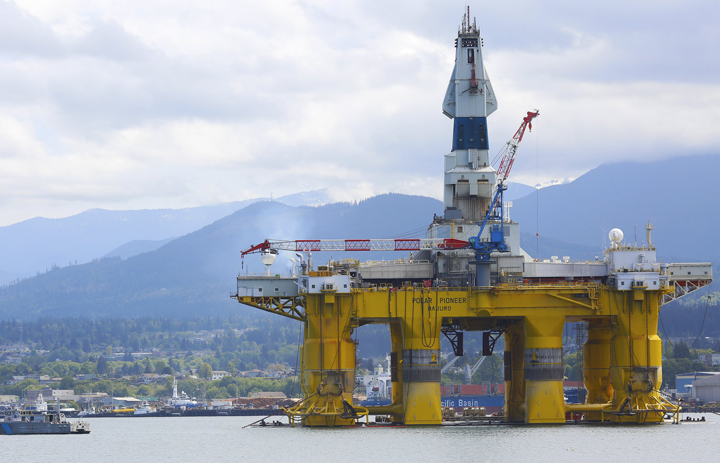
The Nigerian Upstream Petroleum Regulatory Commission (NUPRC) has unveiled a pipeline of major offshore projects with the potential to attract significant new investment into Nigeria’s upstream petroleum sector.
This is as the commission has intensified efforts to convert the country’s substantial hydrocarbon resources into producing assets and sustainable economic value, the NUPRC said in a statement.
According to the statement, Nigeria’s upstream investment outlook was presented at the Nigeria Investment Forum 2026 in New York by the Commission Chief Executive (CCE), Oritsemeyiwa Eyesan.
Eyesan, who was represented by the Executive Commissioner, Corporate Services and Administration, Dr. Kelechi Ofoegbu, highlighted the emerging investment opportunities across Nigeria’s offshore, gas and brownfield assets, noting that the combination of regulatory reforms, improved project economics and a growing pipeline of development-ready assets is creating new opportunities for investors and industry partners.
READ ALSO: NCDMB, Zeconia Global Train 50 on Digital Oilfield Operations
A key feature of the presentation, it said, was the identification of 22 major offshore projects, comprising 12 deepwater and 10 shallow-water developments, as part of the pipeline capable of driving substantial new capital into the sector.
According to the commission, the projects include major developments such as Bonga Southwest, Aparo, Zaba Zaba, Owowo, Bosi and Egina South.
The NUPRC also highlighted recent capital commitments across projects including Bonga North, Obeta Gas Development, HIN Associated Gas Development and Iseni Gas Development, demonstrating the movement of investment interest towards actual project development.
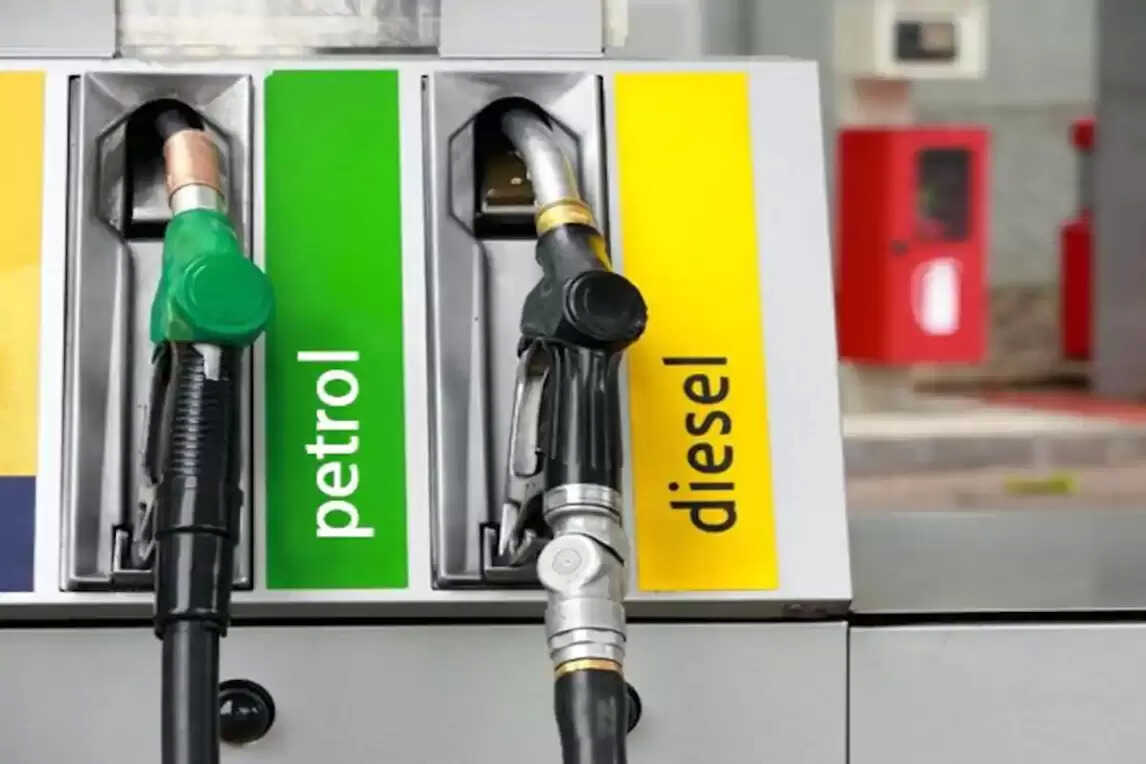
The average prices of petrol and diesel have risen by 86 percent in 2026, with the two products reaching their highest average price levels for the year by September 22, according to the latest fuel price trend report by priceandpromo.
The report stated that the average price of Premium Motor Spirit, popularly known as petrol, rose to N1,378 per litre by September 22, while automotive gas oil, commonly known as diesel, increased to N1,899/litre.
It puts the increase in the price of petrol at 80.8 percent from the January 13 base, while diesel recorded a 91.8 percent rise over the same period. The average increase of the two products is 86.3 percent, which rounds to 86 percent.
The report stated, “The latest priceandpromo fuel price trend shows renewed upward movement following the relative stability observed between April and July.
“Petrol rose to an average of N1,378 per litre by 22 September, while diesel increased to an average N1,899 per litre, the highest average price levels recorded for both products in the displayed 2026 series.”
READ ALSO: NNPC Ltd Celebrates Second Year of Zero Voluntary Resignations
According to the report, petrol prices had increased sharply in March before remaining relatively stable at elevated levels between April and July. “After the sharp March increase, fuel prices stabilised at higher levels through July before rising again in August and September,” it added.
The renewed increase came amid heightened volatility in the international energy market, according to the report, which noted that the domestic market remained exposed to movements in global energy costs.
“The renewed increase comes amid heightened global energy-market volatility, highlighting the domestic market’s continued exposure to shifts in international energy costs,” the report added.
The report indicated that the latest movement in fuel prices could have wider implications for transportation, logistics and the cost of distributing goods, given the importance of petrol and diesel to economic activities.
The report noted that fuel prices remained an important channel through which changes in energy costs could feed into transportation and other consumer costs.
The report further warned that the renewed increase in both products is a development to monitor because of its potential implications for the movement of people and goods.
It said, “The renewed increase in both petrol and diesel is therefore an important market signal to watch, particularly for its potential implications for mobility, logistics costs and the wider cost of moving goods through the market.”
The report’s figures show that the increase in diesel prices has outpaced that of petrol, with AGO rising by 91.8 percent compared with PMS’s 80.8 percent increase.
Courtesy – The PUNCH






Yenagoa Hosts NCDMB 2026 Content Forum

IPO: ADF Opens Wealth Creation Pathway for 2m Vulnerable Nigerian Women

2027: Tinubu Will Beat Atiku, Obi by Wide Margin, Says Bwala

‘Dem Dey Use Stick Dey Flog Women’ — Nigerians in India Camp Cry Out

2027: I’ll Bring Petrol Price Down to ₦300, Says Donald Duke
2027: INEC Must Prove Nigerians Wrong on Election Credibility — Donald Duke

Trump’s Family Unveils New Cryptocurrency Platform

Senate Denies Receiving Petitions Against Tinubu’s Ambassadorial Nominees

Dangote Cement Lights Up Benue Host Communities With CSR Initiatives

Reps Recommend 3-year Jail Term For Aviation minister

Tems Sets New Record On Billboard Hot 100 Chart

98hryi
It¦s actually a nice and helpful piece of info. I¦m satisfied that you shared this useful info with us. Please keep us up to date like this. Thank you for sharing.
This really answered my problem, thank you!
hello!,I like your writing so so much! proportion we keep in touch extra approximately your post on AOL? I need a specialist on this area to solve my problem. May be that’s you! Looking ahead to look you.
It’s hard to find knowledgeable people on this topic, but you sound like you know what you’re talking about! Thanks
Hello! Do you use Twitter? I’d like to follow you if that would be okay. I’m absolutely enjoying your blog and look forward to new updates.
I just could not depart your site prior to suggesting that I really enjoyed the standard info a person provide for your visitors? Is gonna be back often to check up on new posts
Hello.This post was extremely interesting, particularly since I was investigating for thoughts on this topic last week.
This is a topic close to my heart cheers, where are your contact details though?
An impressive share, I simply given this onto a colleague who was doing a bit evaluation on this. And he the truth is purchased me breakfast because I found it for him.. smile. So let me reword that: Thnx for the deal with! But yeah Thnkx for spending the time to discuss this, I really feel strongly about it and love studying more on this topic. If potential, as you turn out to be expertise, would you mind updating your blog with more details? It is highly useful for me. Huge thumb up for this blog post!
I savour, lead to I found exactly what I was taking a look for. You’ve ended my four day long hunt! God Bless you man. Have a great day. Bye
Some truly fantastic info , Glad I detected this.
After I originally commented I clicked the -Notify me when new feedback are added- checkbox and now every time a remark is added I get 4 emails with the same comment. Is there any approach you’ll be able to remove me from that service? Thanks!
You could definitely see your skills within the paintings you write. The arena hopes for more passionate writers such as you who are not afraid to mention how they believe. At all times follow your heart.
My brother recommended I would possibly like this website. He was entirely right. This post truly made my day. You can not consider simply how so much time I had spent for this information! Thank you!
I will right away seize your rss as I can’t to find your e-mail subscription link or newsletter service. Do you have any? Kindly let me understand in order that I could subscribe. Thanks.
Super-Duper site! I am loving it!! Will be back later to read some more. I am taking your feeds also.
I’m impressed, I must say. Really rarely do I encounter a weblog that’s each educative and entertaining, and let me inform you, you will have hit the nail on the head. Your thought is outstanding; the difficulty is one thing that not enough individuals are speaking intelligently about. I’m very blissful that I stumbled across this in my seek for something regarding this.
Hello very nice site!! Guy .. Beautiful .. Wonderful .. I’ll bookmark your website and take the feeds additionally?KI’m happy to find a lot of useful information here in the post, we want work out more strategies in this regard, thanks for sharing. . . . . .
I went over this internet site and I believe you have a lot of fantastic info, bookmarked (:.
You are my inspiration , I possess few web logs and infrequently run out from to brand.
Real great visual appeal on this website , I’d value it 10 10.
Some times its a pain in the ass to read what website owners wrote but this site is rattling user friendly! .
Nice post. I learn something more challenging on different blogs everyday. It will always be stimulating to read content from other writers and practice a little something from their store. I’d prefer to use some with the content on my blog whether you don’t mind. Natually I’ll give you a link on your web blog. Thanks for sharing.
I’ve read some good stuff here. Definitely price bookmarking for revisiting. I wonder how much effort you set to create such a fantastic informative website.
Hello there, You have done an excellent job. I will definitely digg it and in my opinion suggest to my friends. I’m confident they’ll be benefited from this site.
I’ve been surfing on-line greater than 3 hours nowadays, but I never found any attention-grabbing article like yours. It?¦s pretty worth enough for me. In my view, if all web owners and bloggers made just right content material as you did, the net will probably be much more helpful than ever before.
Its excellent as your other articles : D, thanks for posting. “A gift in season is a double favor to the needy.” by Publilius Syrus.
Thank you for the auspicious writeup. It in reality was a entertainment account it. Glance complicated to more brought agreeable from you! By the way, how can we communicate?
I will right away grab your rss feed as I can’t find your e-mail subscription hyperlink or newsletter service. Do you’ve any? Please let me know so that I may just subscribe. Thanks.
Loving the info on this internet site, you have done great job on the blog posts.