Business
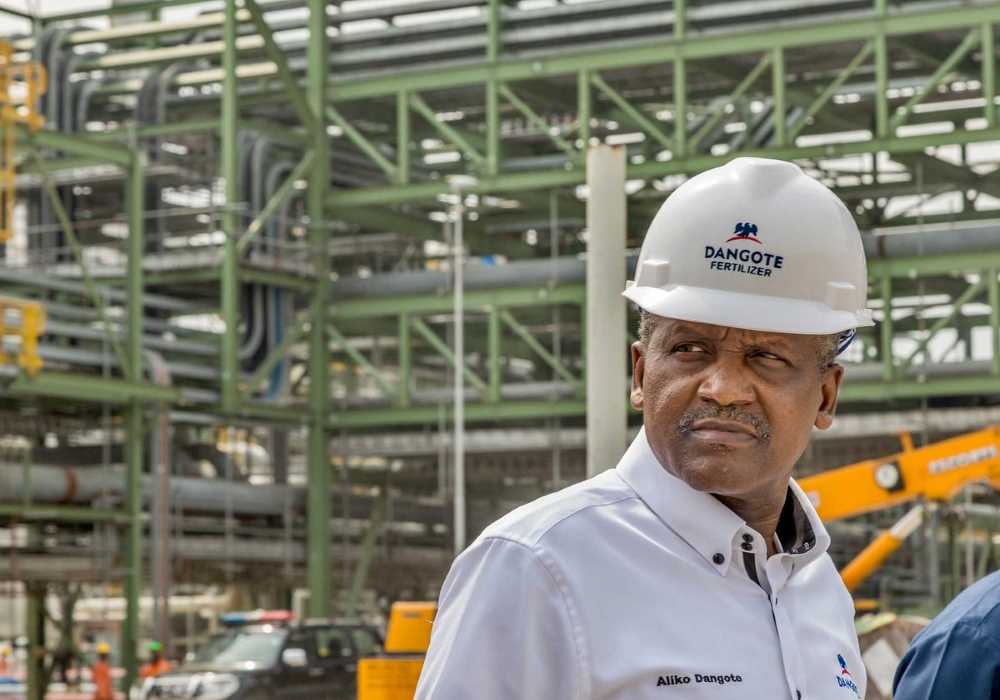
Akpabio Lauds Speedy Completion, Impact Of Dangote Refinery

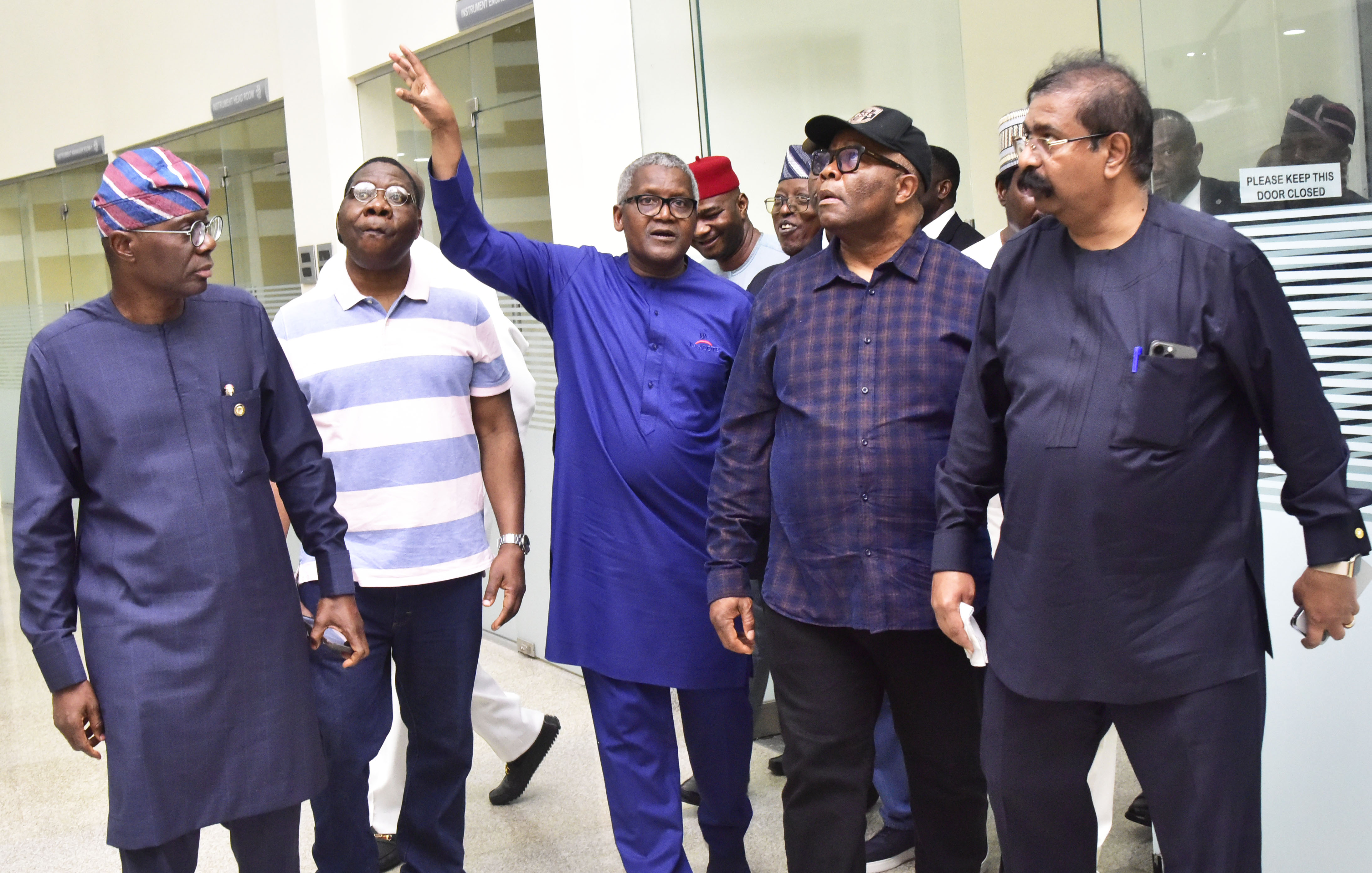
The Senate leadership yesterday described the 650,000bpd Dangote Petroleum Refinery as the 9th wonder of the world and came hard on those skeptical of the completion of the refinery describing them as dream killers.
Indeed, the Senate President, Godswill Akpabio, who led the leadership of the 10th Senate on a tour of the refinery in Lagos noted that the detractors of the refinery have all been silenced and that indeed, previous governments have been put to shame with the completion of the project.
He assured that the National Assembly would give it what it takes to protect the project because it is one project that Nigeria and indeed Africa should take ownership of and protect jealously.
Commending Alhaji Aliko Dangote for completing the construction of the largest single train refinery in the world in a record time, the Senate President said Dangote deserved all the accolades for this feat, noting that ordinary residence of Nigeria’s Vice-President could not be completed until after 14 years.
He said, “They told us in Abuja that Dangote Refinery is farce but we have come here and seen for ourselves that the refinery is alive and running.
“Dangote has put to shame a lot of people. They are wondering how it will be possible for a single individual to accomplish what a whole nation could not accomplish; what 240 million people could not maintain; what a continent could not do and then one person will build 650,000bpd project.
“They keep wondering how one person can succeed where nations have failed; where a continent has failed. But Dangote has done it. It is highly commendable. We came to see the refinery because we in the current senate believe in the Nigerian dream.
“We didn’t come as a doubting Thomas but we came because we believe the project, we came to rekindle the hope of Nigerians and the Nigerian’s can do spirit.”
Senator Akpabio stated that the whole Nigeria couldn’t make refineries function in Kaduna, Pot Harcourt, Warri, but that Dangote and his team have proven that it is possible to dream and achieve it in Nigeria.”
Senator Akpabio said the shame that came with the discovery of oil in Nigeria in 1958 has been removed by Dangote alluding to a report that India does not have oil but has refineries from where the country exports refined products.
The inability of Nigeria to refine oil has brought untold hardship on Nigerians so much so that Belgian government recently banned the exportation of dirty and condemned fuel to the country to West African country just because we can’t refine our own products.
Describing the refinery as quite unbelievable, Senator Akpabio who was sandwiched by other senators comprising of the Deputy Senate President, Senate Leader, Senator Opeyemi Bamidele and a host of others said the Senate and the entire National Assembly would come up with a robust legislation that would protect the project and others like it.
He stated, “Mr. Dangote, I pity you a lot because even your friends will envy you simply because they will keep wondering how can you succeed when nations, and continents have failed? Now that we have seen for ourselves, we are here to announce our own endorsement of this major project. It is also shocking to see that we produce sufficient fertilisers for Nigeria and enough to be exported.
“As I said we will do our report and we will speak to Mr President to put a stop to fertisliser import to Nigeria. You will hear from us soon.”
Also speaking, Lagos State governor, Babajide Sanwo-Olu, enthused that it is a privilege that the refinery happened in “our time, our state and our country. People talk about dreams, but only few can make it happen. Dangote has put Lagos State and the whole of Nigeria on the world map of excellence.
“I am happy the senate came to see for themselves; Dangote was not ready to rest after successfully building the largest cement factory chain in Africa, second largest sugar refinery in the world. With investment like this, I can assure you that we are on the right path to meet the projected GDP of $1trn by 2030.
“You have the key to city, I have given you long time ago and I am happy you are using it very well.”
In his remark, Alh Dangote opined that the “visit could not have come at a more auspicious time than now just as the organization is in the process of bringing the various units of this complex integrated refining processes on stream, an eagerly awaited move.”
He stated further that the Dangote Refinery “produces a wide range of high-quality petroleum products, including premium motor spirit (petrol), diesel, kerosene, and jet fuel, all meeting the highest international standards (Euro V Grade).
“The Refinery apart from adding value to our crude oil, will yield 900,000 KTPA of Polypropylene and 36,000 KTPA of Sulphur and carbon black as by products.
“The Refinery will help boost Nigeria’s economic growth, with the creation of thousands of direct and indirect jobs. During the construction stage, it supported over 150,000 jobs, made up of mostly Nigerians. These Nigerians in the process acquired various skills that are still useful in other construction projects.
“The capacity of the refinery is enough to satisfy domestic demands for refined products. The Refinery will export about 50 per cent of its production thereby generating foreign exchange for the country. It will lead to growth in adjacent sectors such as logistics, shipping, engineering, and servicing.
“The Refinery has the requisite capacity to provide energy security both by providing a ready home for our crude and in ensuring steady availability of petroleum products for all. Nigerians will also get to partake in the financial returns once we list the Refinery on the NGX.
“We are thus making an important contribution to this administration’s plan to grow our GDP to $1 trillion.
“Our Group is at the vanguard of job creation and employment generation in Nigeria. We are the biggest employer of labour after the Federal Government. Dangote Cement sustains about 70,000 (Seventy thousand) direct and indirect jobs across Africa, while the Refinery, Petroleum Chemical Complex and Fertiliser will be able to create over 150,000 (One hundred and fifty thousand) direct and indirect jobs.
“We have remained one of the biggest contributors to government coffers as our three subsidiaries, Dangote Cement, Dangote Sugar Refinery and NASCON Allied Industries paid a total of N788.98 billion as tax and N276 billion in VAT in three years.
“We envision in Nigeria the equivalent of Jamnagar in India where crude oil refining is the backbone of specialised industrial zones, transportation networks, and ancillary industries, contributing to the overall industrialisation of the region. Or Saudi Arabia’s Jubail Industrial City, which is also undergirded by large scale petrochemical complexes.
“The Legislature has a great role to play in this. Globally, the Legislature plays a great role in protecting and supporting domestic industry. I am sure that the members of the 10th National Assembly are more than equal to the task. Supporting the Refinery secures the benefits. It will ensure energy security. As co-creators of value, we appreciate and acknowledge your consistent efforts in ensuring the enactment of vital laws promoting a conducive business environment in the nation,” he said.




Savannah Energy has shared a trading update on its Nigerian operations and other markets in Africa, including up-to-date cash collections in its Nigerian business.
According to the update, made available on Thursday in Lagos, its gross production in Nigeria averaged 23.1 Kboepd for FY 2024, broadly in line with the prior year’s 23.6 Kboepd, of which 88% was gas (FY 2023: 91%).
On the update, CEO of Savannah Energy, Andrew Knott, said, “I am pleased to provide a FY trading update which demonstrates the continued progress we have made in 2024, a year which saw the highest level of cash collections ever recorded by our Nigerian business. 2025 is expected to be an exciting year for our Company: we have a large planned operational programme in Nigeria which is anticipated to enhance both our oil and gas production levels and capacity; we intend to progress our R3 East oil development project in Niger; we continue to pursue key acquisitions in the upstream oil and gas space; and we continue to seek to build our power business.
“Fundamentally, Savannah remains unequivocally an “AND” company, seeking to deliver strong performance both for the short AND long term across multiple fronts, and pursuing growth opportunities in both the hydrocarbon AND power sectors.”
The update It also shows that it generated a Total Income of US$393.6 million in 2024, compared to FY 2023’s US$289.8 million. This consists of Total Revenues of US$258.7 million and Other operating income of US$134.9 million.
The report also shows that Savannah’s FY 2024 Total Revenues were ahead of the previously issued financial guidance of greater than US$245 million, while FY 2024 financial guidance is reiterated for Operating expenses plus administrative expenses at ‘up to US$75 million’. The company expects its FY 2024 capital expenditure to come in lower than planned (previously guided at ‘up to US$50 million’) due to the phasing of spend.
ALSO READ: CSR: Dangote Awards Scholarships To 473 Students
According to the update, Savannah’s cash collections in 2024 amounted to US$248.5 million, a slight increase from the US$206 million it received in 2023. The report further shows that its cash balances as at 31 December 2024 stood at US$32.6 million, compared to the 31 December 2023 figure of US$107.0 million.
The report shows that the company’s midstream subsidiary, Accugas Limited, had as at 31 December 2024 drawn down on its NGN332 billion of the NGN Transitional Facility, with the resulting funds being converted to US$, which, along with cash held, was used to partially prepay the existing Accugas US$ Facility, leaving a balance as at 31 December 2024 of approximately US$212.3 million.
The report also provided new updates on Accugas’ US$45 million Uquo Central Processing Facility (“Uquo CPF”) compression project in Nigeria, noting that its commissioning which will enable the expansion of gas production in the medium term is well underway.
The report highlighted the progress being made in the procurement process of long lead equipment in Nigeria for a potential two-well drilling campaign on the Uquo Field in H2 2025, with an additional gas development well expected to add up to 80 MMscfpd of supplemental production capacity and a potential exploration well targeting an Unrisked Gross gas initially in place (“GIIP”) of 154 Bscf (25.7 MMboe) of incremental gas resources.
The update shows that progress is also being made in the planned Savannah acquisition of Sinopec International Petroleum Exploration and Production Company Nigeria Limited, whose principal asset is a 49% non-operated interest in the Stubb Creek oil and gas field (“Stubb Creek”), with regulatory approval and completion being targeted in Q1 2025. Following the completion of the acquisition, Savannah intends to commence an expansion programme which is anticipated to increase Stubb Creek gross production from an average of 2.7 Kbopd in 2024 to approximately 4.7 Kbopd.
In Niger, Savannah continues to seek to progress its 35 MMstb (Gross 2C Resources) R3 East oil development in South-East Niger, while it continues to push for a potential alternative transaction structure to acquire a material stake in producing oil and gas assets in South Sudan as previously announced on 20 December 2024.
On the renewable energy front, the update shows that Savannah has up to 696 MW of renewable energy projects currently in motion, including the up to 250 MW Parc Eolien de la Tarka wind farm project in Niger and the up to 95 MW Bini a Warak hybrid hydroelectric and solar project in Cameroon. A firm believer in Africa’s transition to renewable energy, Savannah continues to target a portfolio of up to 2 GW+ of power projects in motion by the end of 2026.

The Nigerian Economic Summit Group (NESG) has projected that the country has the potential to achieve a 5.5% growth in Gross Domestic Product (GDP) if critical policy reforms are sustained.
This was disclosed on Thursday during the launch of the NESG’s 2025 Macroeconomic Outlook report.
Speaking at the event, the Chief Economist and Director of Research & Development at NESG, Dr. Olusegun Omisakin, highlighted the need for more efficient policy implementation to unlock Nigeria’s economic potential.
READ MORE: Davido Is Richer Than His Billionaire Father – Ibrahim Chatta Claims
“We believe at the optimal level, if we embark on more efficient policy reforms, the Nigerian economy has the potential, the GDP to end up at 5.5 per cent, and we believe that this is achievable,” Omisakin stated.
More to follow……….
The Central Bank of Nigeria (CBN) has announced the release of the Nigerian Foreign Exchange (FX) Code, a set of guidelines designed to promote ethical conduct among authorized dealers in the country’s FX market.
In a statement, the apex bank disclosed that the official launch of the Code would take place on Tuesday, January 28, 2025, at the CBN Head Office Auditorium in Abuja.
READ MORE: Dangote Denies Culpability In Pumping Up Petrol Price
“The Central Bank of Nigeria has approved the release of the Nigerian Foreign Exchange (FX) Code as a guideline to the banking industry to promote the ethical conduct of authorised dealers in the Nigerian Foreign Exchange Market,” the statement read.
The introduction of the FX Code is expected to enhance transparency, accountability, and professionalism within Nigeria’s foreign exchange ecosystem, aligning it with global best practices.
The event is anticipated to attract key stakeholders in the financial and banking sectors, as well as representatives from authorized FX-dealing institutions across the country.





Kano Police Warn Residents Of Imminent Terror Attack Threats
TCN Completes Relocation Of 8 Towers, Ends Power Rationing In Abuja

Ifon-Ilobu-Erin Osun Land Disputes: Osun Constitutes A 100-Member Boundary Resolution Committee
Savannah Energy Provides Unaudited FY 2024 Trading Updates

Okpebholo Moves To End Indiscriminate Parking, Gridlock In Edo State
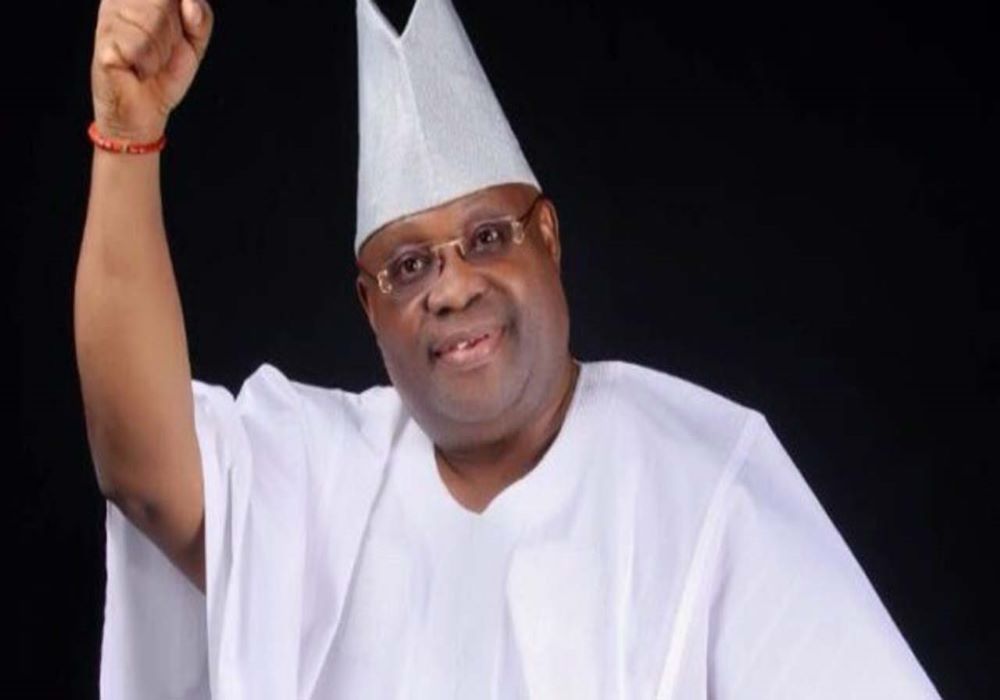
Leadership Newspaper Backs Adeleke For Second Tenure, Names Him ‘Gov Of The Year’
OSSG Raises Alarm Over Murder Plot By APC Chieftain
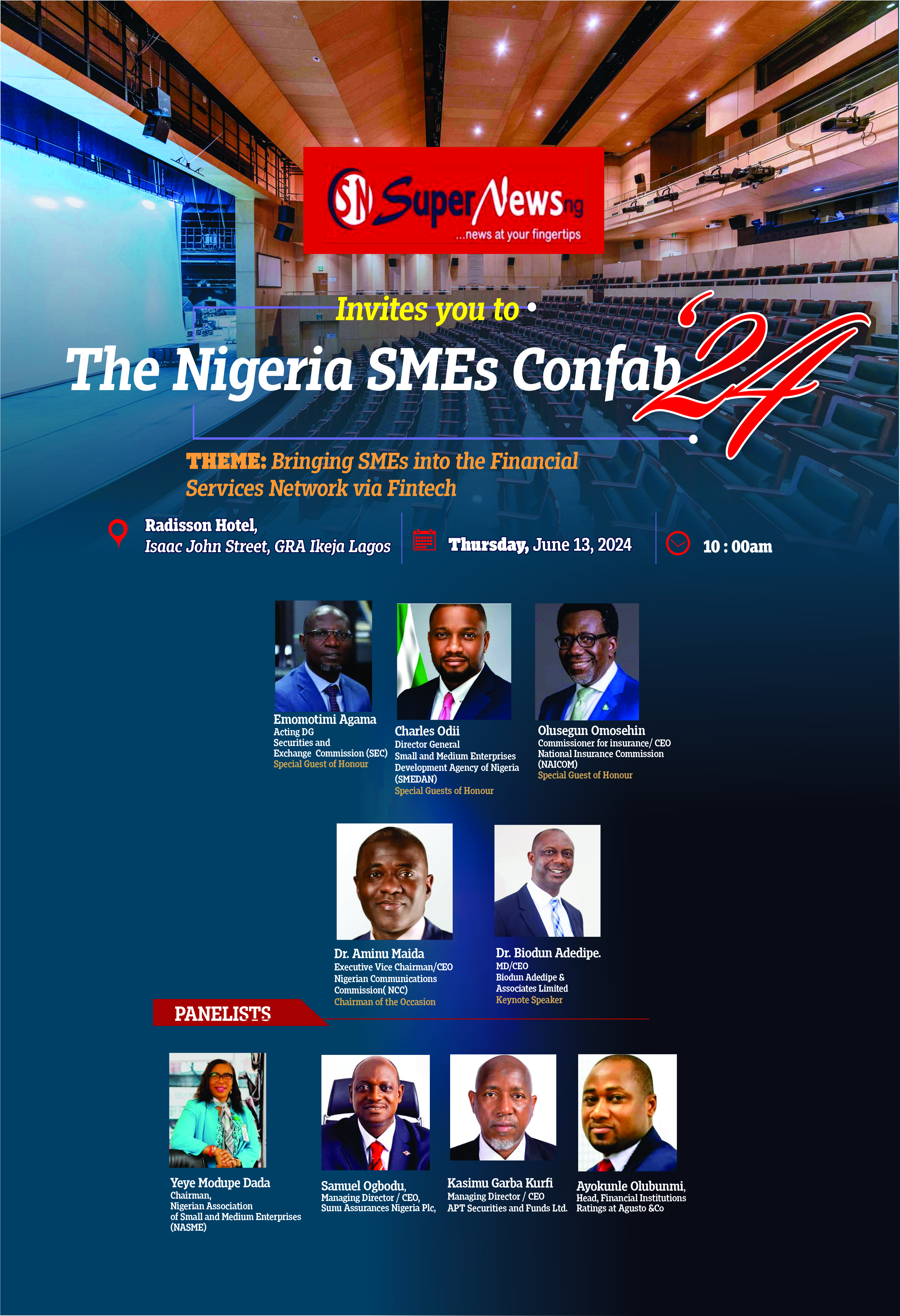
NCC, SMEDAN, NAICOM, SEC, Others Set for SUPERNEWS SMEs Conf June 13
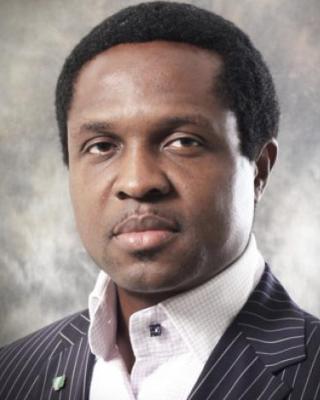
Sahara’s Tonye Cole resigns from GPHCDA
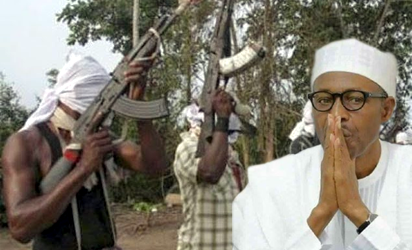
Niger Delta Avengers: President Buhari Reads riot Act …considers the carrot and stick option

Oando opens ultra-modern petrol station in Lagos