
Energy
Bayelsa Govt seeks more investments by SPDC

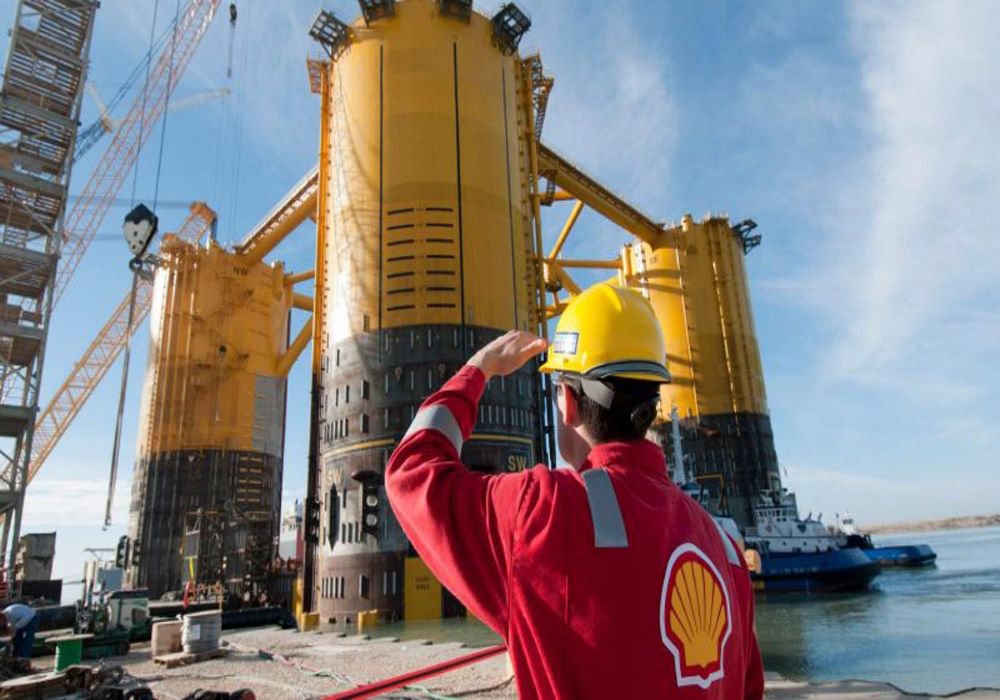
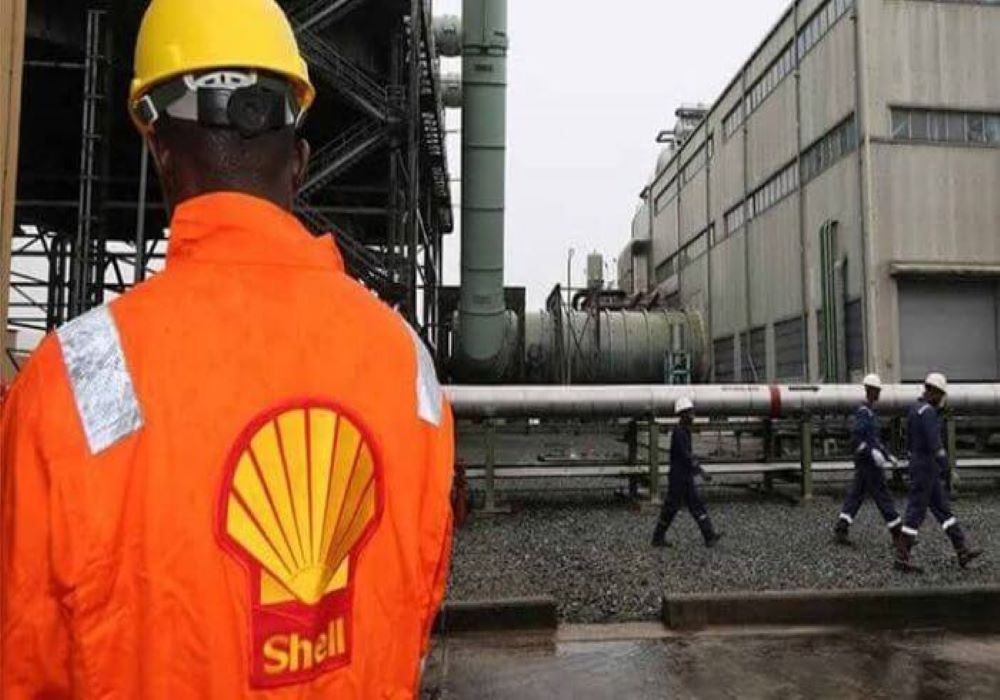
Bayelsa State Government has called for better collaboration with The Shell Petroleum Development Company of Nigeria Limited (SPDC) to enable more investments in the state, and to give more value to the people of Bayelsa.
The state’s Deputy Governor, Lawrence Ewhrudjakpo, made the call during a business meeting with the management of SPDC in Port Harcourt, recently.
“The relationship between Bayelsa State and SPDC is cordial. Thank you for your investments in our state. Thank you for your contributions to support development efforts in the state. But how do we improve on this and bring dividends to our people? There is still so much more to unearth in our state,” the deputy governor said.
He said, “This meeting is to see how we can work together to create a suitable environment for SPDC to operate and generate value for all of us. We wish to collaborate and expand your portfolio in Bayelsa State and to see how we can partner to reduce youth restiveness and tackle the increased use of drugs by the youths in the state.”
Read Also >> Nigeria’s Crude Oil Production Averaged 1.238m Bpd In June – OPEC
He said the state had recorded a huge success using sports to engage youths in the state so as to keep them away from vices particularly drug abuse and violent crimes. The youths have shown that if we give them encouragement, they can deliver good value.
“For two years now, we have been experimenting with programs to engage the youths towards positive actions, to reduce restiveness. The state government believes that sports is an avenue to dilute criminality and the prevalent use of drugs. Our efforts have started budding and fruits are coming in. Bayelsa came 3rd at the National Sports Festival in Edo State. We have the annual Bayelsa Wrestling Classic. The youths have shown that if we give them encouragement, they can deliver good value.,” he said.
Managing Director, SPDC and Country Chair, Shell Companies in Nigeria, Osagie Okunbor, said, “We support the government’s effort to improve the environment in Bayelsa. Your statement speaks to focus. It means that there is a plan. As a company, we key into your vision because we know that if you are successful, it will help us and help our business environment. We commend you and His Excellency, Governor Douye Diri, for what you are doing to support business in Bayelsa State.”
Okunbor, who was represented by SPDC’s Director and Head, Corporate Relations Nigeria, Mr. Igo Weli, commended Bayelsa State for its successes in sports including the gold medal in Olympic and Commonwealth freestyle wrestling championships won by Baraladei Igali who is currently the state’s commissioner for sports.
He said, “Thank you for coming back home to Bayelsa State to share your wealth of experience. With your Olympic gold medal, you could have been anywhere else in the world enriching yourself. But you chose to come home to be a model to our young people.”
The Bayelsa State Government delegation included Chairman of the House of Representatives Committee on Sports, Tare Porri; Commissioner for Sports and former Olympic and Commonwealth freestyle wrestling champion, Igali; Commissioner Mineral Resources, Dr. Ebiere Jones; and Director of Sports, Braveman Wodi.


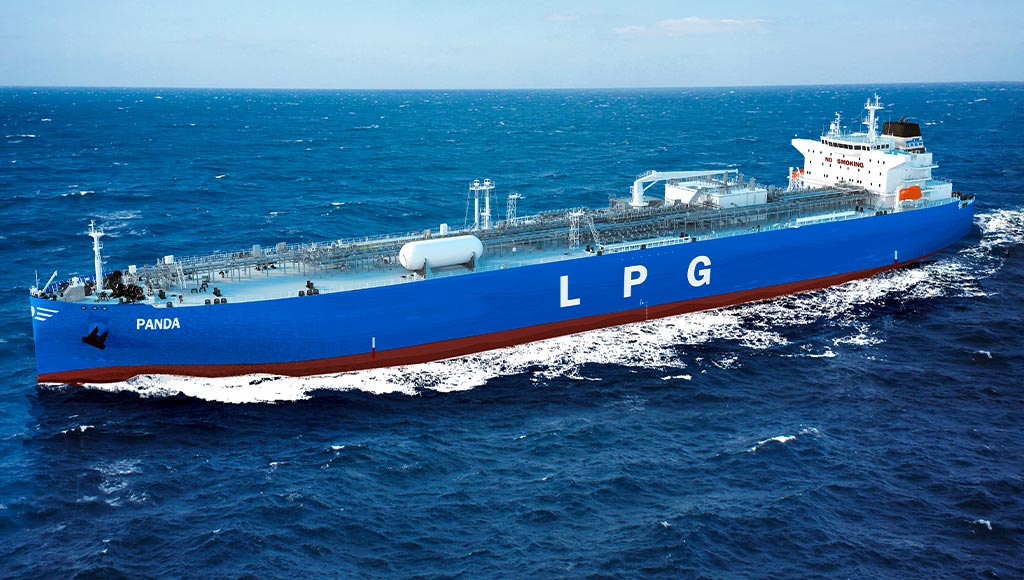
The Nigerian Association of Liquefied Petroleum Gas Marketers (NALPGAM) has urged operators in Nigeria’s liquefied petroleum gas (LPG) industry to strengthen safety standards, improve regulatory compliance and adopt digital technologies to reduce operational losses and drive business growth.
The association said improved operational practices would help protect investments, enhance efficiency, build consumer confidence and support the sustainable expansion of C.
The call followed its 2026 webinar, themed “Downstream LPG Operational Excellence and Compliance,” which brought together industry operators, regulators and other stakeholders to discuss safety risks, market volatility, operational inefficiencies and regulatory requirements in the downstream LPG sector.
Speaking at the event, NALPGAM National President, Edu Inyang, said the industry’s long-term growth would depend on more than increased consumption and supply volumes, stressing the need to embed safety and operational efficiency in everyday business practices.
“The future of Nigeria’s LPG industry cannot be achieved by increasing volumes alone. We must grow safely, responsibly, efficiently and sustainably. Safety is not an occasional campaign; it must become a continuous industry culture,” he said.
READ ALSO: Tinubu Promises to Boost Local Production with NNPC Refineries
A major outcome of the webinar was a proposal for a NALPGAM Standard of Operational Excellence, anchored on four principles: safe and well-maintained facilities, competent and adequately trained operators, regulatory-compliant processes, and consumer protection.
Participants urged operators to integrate safety into routine operations, strengthen preventive maintenance and comply with licensing and incident-reporting requirements.
They also called for an end to unsafe practices, including unauthorised propane blending and illegal decanting, warning that such activities could expose businesses and consumers to avoidable risks.
Inyang said compliance should be viewed as a means of strengthening business performance rather than merely fulfilling regulatory obligations.
“Compliance is not merely a regulatory burden; it is a business advantage. Well-managed LPG operations reduce accidents, improve efficiency, protect investments and strengthen public confidence in our industry,” he said.
The webinar also highlighted the role of digital technologies in improving operational efficiency and accountability across the LPG value chain.
Participants identified smart filling systems, automated tank gauges, load cells, flow meters and vehicle-tracking systems as practical tools for monitoring product movements, reducing losses and improving inventory management.
Wider adoption of these technologies, they said, could help operators strengthen operational controls, minimise discrepancies and improve the reliability of LPG distribution.
The discussions come as Nigeria seeks to expand LPG consumption to approximately five million tonnes annually by 2030, a target that will require increased investment, stronger distribution networks and wider consumer access.
Stakeholders called for greater industry participation in the Decade of Gas LPG penetration programme, alongside stronger collaboration to expand access, improve cylinder traceability and promote certified local manufacturing.
The NALPGAM also urged regulators and programme coordinators to involve its members more actively in implementing LPG penetration and cylinder recirculation initiatives.
According to the association, its members’ nationwide presence and proximity to consumers could help improve the reach and effectiveness of programmes designed to increase LPG adoption.
Reiterating the association’s position, Inyang said the industry must establish clear operational standards that protect consumers while supporting efficient and sustainable business practices.
“Our aspiration is clear: every LPG facility must be safe and properly maintained, every operator competent and adequately trained, every process compliant, and every customer protected. This is the standard of operational excellence we must collectively pursue,” he said.
The NALPGAM reaffirmed its commitment to working with government agencies, regulators and industry stakeholders to develop a safer, more efficient and competitive LPG market.
The association maintained that embedding safety, strengthening compliance and deploying appropriate technologies would be critical to improving operational performance and supporting the long-term growth of Nigeria’s LPG industry.
Fears of renewed US military strikes on Iran and escalating threats to energy infrastructure across the Middle East heightened concerns about global crude supplies have pushed-up crude oil prices in the global market.
These factors pushed crude oil prices over $117 a barrel in the global market, even as oil theft and pipeline losses in Nigeria fell by 82.9 percent in five years, from 102,900 barrels per day (bpd) in 2021 to 17,600 bpd in the first seven months of 2026, amid fresh concerns about further increases in lost volumes after years of decline.
Nigeria’s oil benchmark, Brent crude, climbed by about 3.5 percent to cross $117 a barrel during trading before easing to just above $116, still up approximately 2.7 percent.
READ ALSO: Navy Uncovers 132,000 Litres of Stolen Crude Oil in Bonny
The latest rally followed reports that Washington was considering fresh military strikes against Iran after the November 3 midterm elections, raising concerns that the conflict, now in its eighth month, could escalate further rather than move towards a diplomatic resolution.
Iran had threatened to attack oil facilities, undersea cables, data centres and artificial intelligence infrastructure across the Gulf if the United States and Israel launched a new offensive against the country.
Recall that Brent crude traded at about $72 a barrel in February, before the war began, but surged to about $126 a barrel by the end of April as the conflict intensified and concerns mounted over supply security.
Tensions rose again during the week following claims by Iran’s Islamic Revolutionary Guards Corps (IRGC) that it struck four commercial vessels in the Strait of Hormuz on Wednesday.
The US ordered some diplomats and family members of American government employees to leave Saudi Arabia, which had faced continued attacks by Houthi rebels operating from Yemen.
From January to September 2026, the domestic refineries in Nigeria received 156.52 million barrels of crude oil.
Of the volume, 125.85million barrels (80.4 percent) were sourced from in-country while 30.66 million barrels (19.6 percent) were imported.
This was contained in the Nigerian Midstream and Downstream Petroleum Regulatory Authority (NMDPRA) Factsheet September 2026 released on Thursday.
The Factsheet specifically revealed that in September 2026, 38.7 million litres of the Premium Motor Spirit PMS (petrol) were received per day, crashing from the 50.5million litres per day received in August by 23 percent.
READ ALSO: Thor Empowers Host Communities with 10 Cassava, Palm Oil Processing Plants
Stock sufficiency in September was 23.9 days, declining below the 30-day threshold.
The NMDPRA stressed that while 28.7million litres were supplied per day from domestic sources, declining by 21 percent from the previous month, 10.2 million litres were imported, reducing imported petrol by 30 percent in the period under review.
According to the Factsheet, “Domestic refining contributed about 65 percent of the national petrol requirement (consumption) in September 2026, and about 74 percent of receipts, supplemented by 26 percent of imports”.
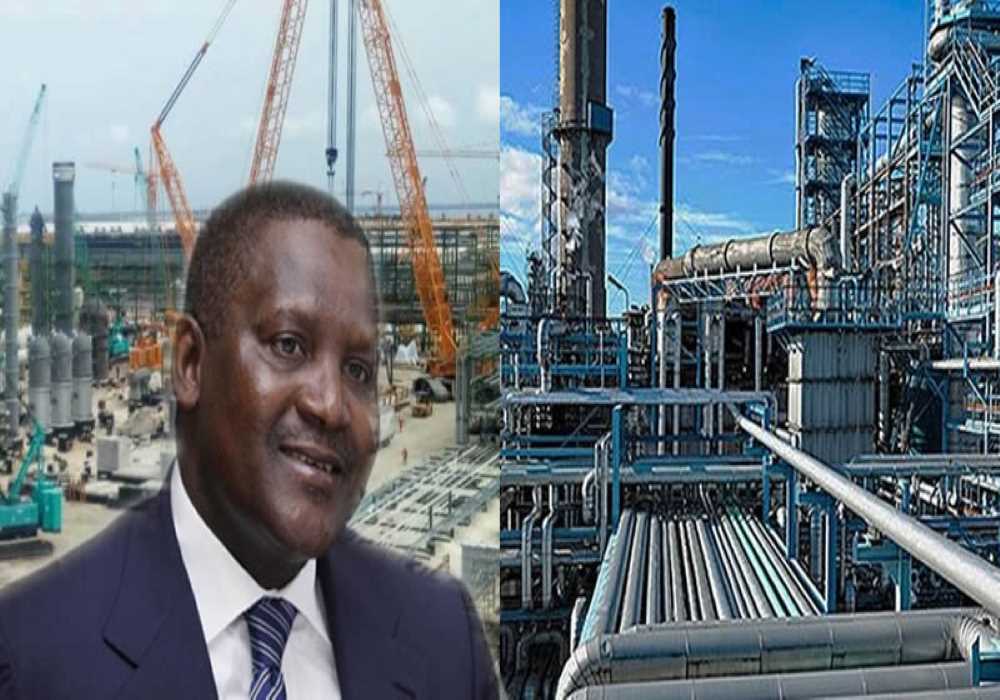
The Dangote Refinery and Petrochemicals Company (DPRP) is the only domestic refinery which currently produces petrol in Nigeria.
The report added that the DPRP produced 47.22 million litres per day of PMS in September, supplying 28.50 million litres per day to the domestic market and exporting (35.2 percent) 15.47 million litres per day.
On capacity utilization, the refinery recorded 105.98 percent of its 650,000 barrels per day capacity in the period under review.
The Factsheet disclosed that 8.7million litres of diesel were consumed in the month under review.
The NMDPRA revealed that modular refineries supplied 4.3 percent of domestic diesel consumption in September.
Aradel and OPAC, said the Factsheet, operated below optimal capacity due to feedstock challenges and maintenance shutdowns.
September diesel receipts, according to the NMDPRA, were the lowest of the 13 months, driven by low imports and low domestic evacuation amid high prices.
The Factsheet said, “Nigeria’s energy-sector transformation is progressing. Domestic refining contributed about 65 percent of the national petrol requirement (consumption) in September 2026, and about 74 percent of receipts, supplemented by 26 percent of imports.
“Priority gas projects have reached significant mileage, with the AKK pipeline at 84 percent completion as of September 2026,” the Factsheet pointed out.





Dangote Refinery Pioneers Honeywell’s AI Technology

Standard Chartered Inks Deal for Shell Gas Sale
NALPGAM Preaches Innovation, Safety to LPG Operators

Tinubu Promises to Boost Local Production with NNPC Refineries

INEC Opens Online Access to Voters’ Register After Public Outcry

ADC Replies Alake, Says APC’s ‘Falsehood’ Cannot Hide Tinubu’s Failures

Trump’s Family Unveils New Cryptocurrency Platform

Senate Denies Receiving Petitions Against Tinubu’s Ambassadorial Nominees

Dangote Cement Lights Up Benue Host Communities With CSR Initiatives

Reps Recommend 3-year Jail Term For Aviation minister

Tems Sets New Record On Billboard Hot 100 Chart
