
Other News
Benin Unveils Pandemic and Disaster Preparedness Plan at AFRICOM sponsored event

COTONOU – The Government of Benin unveiled its final draft of the Pandemic Influenza Preparedness and Response Plan, and the Military Support to Civil Authorities (MSCA) Disaster Contingency Plan during a ceremony held in Cotonou, Benin, March 17, 2014.
Todd Whatley, U.S. Deputy Chief of Mission to Benin, and Francois Houessou, Benin’s Minister of Interior for Public Security and Religion, presided over the unveiling of the plans.
The ceremony marked the commencement of a five-day tabletop exercise to validate the plans and enhance current capacities to save lives during a disaster in Benin and in neighboring countries within the Economic Community of West African States (ECOWAS) region.
Houessou thanked all the participants for being part of the event, and he also expressed his gratitude to U.S. Africa Command for sponsoring this effort.
“The plan and the exercise will assist our preparedness and response capabilities,” Houessou said. “It will also help the national authorities and other actors to clarify and coordinate their roles and responsibilities in case of a complex pandemic emergency.”
The event represented a successful collaboration among international and interagency organizations, with the Government of Benin hosting an event sponsored by U.S. Africa Command and executed by the U.S. Center for Disaster and Humanitarian Assistance Medicine (CDHAM).
According to Whatley, U.S. Africa Command’s engagements in disaster preparedness with Benin have strengthened partnerships and friendships, which in turn have enhanced regional collaboration in national pandemic preparedness and disaster response.
More than 150 representatives from Benin’s government, military, national media, African partner nations and international organizations participated in the event.
“This exercise will assist Benin in reviewing the country’s current capabilities and capacities. It will further assist in identifying areas where we could work together when preparing for and mitigating a complex humanitarian emergency, such as in severe pandemic disaster, flood or other catastrophic situation,” said Michael Hryshchyshyn, Chief of Humanitarian and Health Activities, U.S. Africa Command.
“U.S. Africa Command is prepared to continue assisting African nations with a multi-hazard pandemic response planning as well as building response capacity for other disasters and hazards.”
Subject matter experts from partner nations Burkina Faso, Nigeria, Ghana, Senegal, Kenya and Togo participated in the exercise as observers, mentors and facilitators.
Improved regional collaboration in the event of a complex humanitarian emergency is very crucial. According to Hryshchyshyn, it is absolutely necessary to work closely with neighboring countries as many times these challenges know no borders.
“This tabletop [exercise] and conference is very important for the people of Benin. For the last ten years, Benin has been affected by flooding, and catastrophes in the country have multiplied,” said Agbossaga Cesar, Benin’s Director General for National Agency for Civil Protection.
“Benin is a country limited in financial resources, but now with our great partnership with the U.S. Government and its assistance in drafting the plans, we will be able to combat these catastrophes and save lives. This is why we are very happy for these plans and for the opportunity that the U.S. Government has offered. We hope this partnership will continue for a long time; we hope it will grow,” said Cesar.
Throughout the exercise, participants were grouped into teams representing health, security, logistics, communications and operations.
“This exercise is very import because it is helping our government to be better prepared for disaster management,” said retired Col. Segla Davito of the Benin Army.
“The exercise is also helping key players and stakeholders in Benin’s disaster management system to know their roles in case of a pandemic or other disaster situation. By learning how to properly play their roles now, it helps them to save lives and alleviate suffering; they will be able to respond on time during a real world emergency situation,” said Davito.
The five-day exercise will involve validating the roles and responsibilities of civil and military authorities during pandemics and all hazard disasters, identifying the strengths, weaknesses and gaps, and developing a five-year disaster management strategic work plan.
These plans will help outline how to collaborate internally, with regional partners and international organizations for mitigation and to further support capacity and capability.
“Organizing an event like this takes a lot of time, coordination, patience and perseverance among the stakeholders and others working behind the scenes,” said Hryshchyshyn. “It demonstrates the commitment of the Government of Benin to disaster preparedness and protecting its citizens.”
The Disaster Preparedness Program has its roots as an U.S. Government pandemic-focused initiative, which began in 2009 in collaboration with USAID, the United Nations, and other international partners.
“We are pleased to have Benin as a key partner,” Hryshchyshyn said. “As with many initiatives, it takes time to put plans and tools in place, but we are delighted to see today the tangible results that Benin has achieved.”

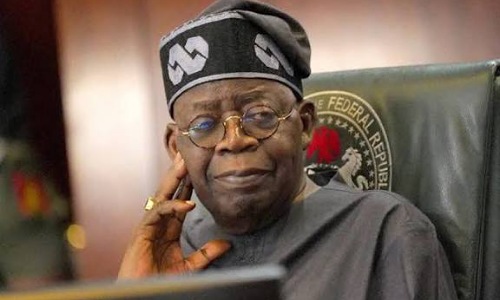
The Social Democratic Party (SDP) and the Inter-Party Advisory Council (IPAC) have disclosed details of their recent closed-door meeting with President Bola Tinubu, explaining that the engagement focused on strengthening Nigeria’s democratic process ahead of the 2027 general elections.
The clarification came amid speculation surrounding the meeting, which took place at the Presidential Villa in Abuja after leaders of several opposition parties attended an Iftar dinner hosted by the president earlier in the week.
ALSO READ: NNPC Secures Tinubu’s Approval for $20bn FID on Bonga Deepwater Project
Speaking during a gathering hosted in Abuja by the SDP’s former presidential candidate, Adewole Adebayo on Friday, the party’s National Chairman, Prof. Sadiq Gombe, said the meeting with Tinubu followed an official invitation from the Presidency and lasted about an hour.
According to Gombe, the discussion centred on the need to strengthen Nigeria’s electoral laws and restore public confidence in the country’s electoral process ahead of the 2027 polls.
He explained that the meeting provided an opportunity for party leaders to remind the president of the importance of conducting transparent, free, and credible elections.
Gombe noted that democracy can only thrive when governments listen to the concerns of citizens and ensure electoral processes that guarantee fairness and accountability.
The SDP chairman also expressed concern over growing voter apathy, pointing to the low turnout recorded in the recent Area Council election in the Federal Capital Territory.
He said the Abuja Municipal Area Council election witnessed only about seven per cent voter turnout, which he described as a clear sign that many Nigerians are losing confidence in the electoral system.
Gombe urged the government and members of the National Assembly to take urgent steps to review electoral laws and rebuild public trust in Nigeria’s democracy.
Also speaking, the National Chairman of IPAC, Dr. Yusuf Dantalle, said political parties used the meeting to raise concerns about aspects of proposed electoral reforms, particularly issues related to indirect primaries and the mandatory electronic transmission of results.
Dantalle explained that the parties appealed to the president to use his influence to encourage legislative review where necessary, noting that reforms should strengthen, rather than complicate, the democratic process.
He expressed optimism that Tinubu would consider the concerns raised and support necessary amendments that would improve the electoral system.
The IPAC chairman also called on the Independent National Electoral Commission (INEC) to strictly adhere to electoral guidelines as preparations for the next election cycle begin.
Earlier in his remarks, Adebayo cautioned political actors against turning the 2027 general elections into a do-or-die contest, stressing that the primary goal of democracy should be the progress and stability of Nigeria rather than personal political victories.
He urged leaders across political parties to encourage citizens to actively participate in the democratic process and ensure that elections are conducted peacefully and transparently.
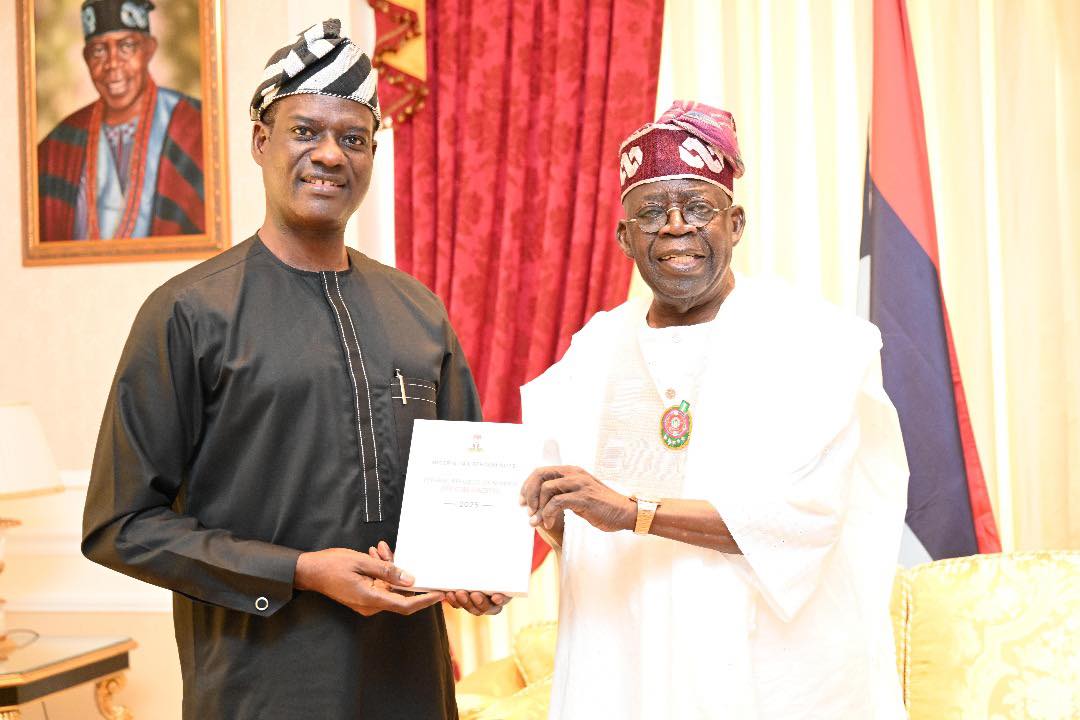
President Bola Tinubu and Mr. Taiwo Oyedele during his nomination on Wednesday.






Airfares Likely to Rise as Aviation Fuel Price Spikes by 80%

Shell Completes Turnaround Maintenance on FPSO, Resumes Production at Bonga

Sahara Group expands fleet with new 40,000 cbm LPG Carrier

NATO Shoots Down Third Iranian Missile in Turkey

Inside Tinubu’s Closed-Door Meeting With Opposition Leaders – SDP, IPAC Reveal Details

Defections Won’t Break PDP in Sokoto, Says Former Senator Gada

Trump’s Family Unveils New Cryptocurrency Platform

Reps Recommend 3-year Jail Term For Aviation minister

Dangote Cement Lights Up Benue Host Communities With CSR Initiatives

Senate Denies Receiving Petitions Against Tinubu’s Ambassadorial Nominees

Things To Know About Threads, Zuckerberg’s Twitter-like App
