Maritime
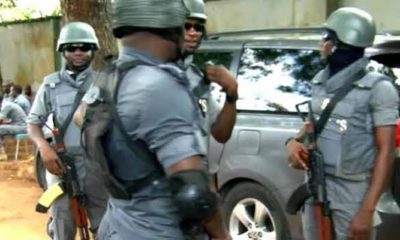
Customs Releases New Guidelines on Disposal of Seized, Overtime Goods

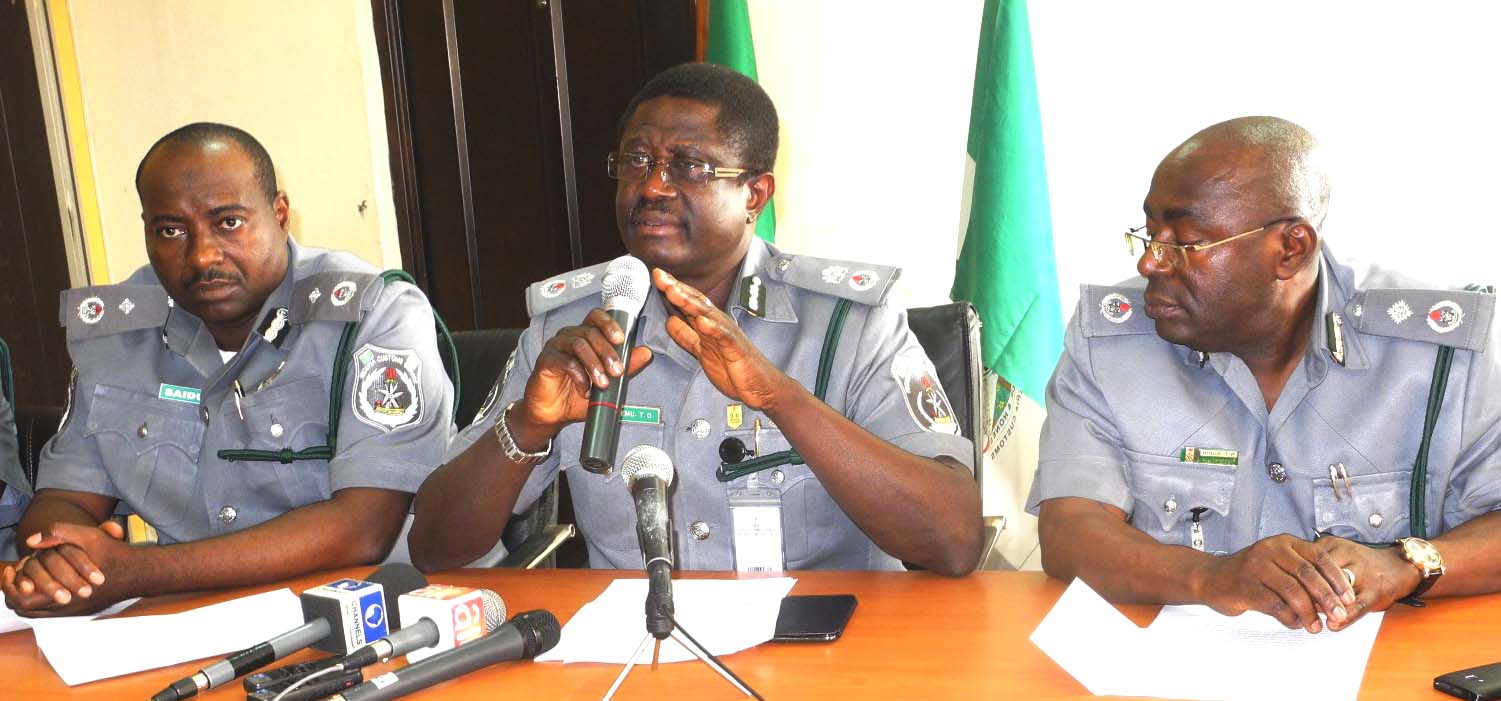
FROM LEFT: ASSISTANT PROJECT MANAGER, TIN CAN ISLAND
PORT, MR SAIDU GALADIMA; COMPTROLLER, MR TUNJI AREMU AND
DEPUTY COMPTROLLER (ADMIN), MR BINGA PANUGA, AT A NEWS
CONFERENCE BY NIGERIA CUSTOMS SERVICE ON SEIZED GOODS AT THE TIN
CAN ISLAND PORT IN LAGOS
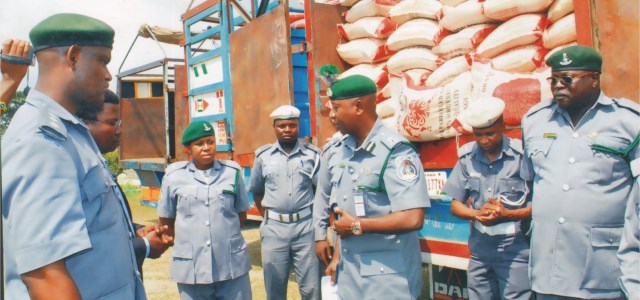
According to the new guidelines signed by the Comptroller-General of Customs, Col. Hammed Ali (rtd), perishable items with or without defendants are to be properly disposed of by the relevant committee.








Stakeholders and experts in Nigeria’s maritime sector have expressed support for the Coast Guard Bill before the National Assembly, with many describing the proposed legislation as a boost to the federal government’s efforts in securing the maritime space.
At a public hearing convened by the Senate Committee on Marine Transport to discuss the bill for the establishment of the Nigeria Coast Guard (NCG), stakeholders presented varying views, with the majority supporting the creation of the NCG.
The majority of presentations voiced strong support for the establishment of the Coast Guard, with notable endorsements from prominent figures including Dr. Olisa Agbakoba, SAN; Dr. Ade Dosunmu, MON, former Director General of NIMASA; Mrs. Jean Anishere, SAN, representing the Nigeria Bar Association; and Rear Admiral Ekwerre U. Ekwerre (Rtd), former Flag Officer Commanding the Training Command of the Nigerian Navy.
ALSO READ: Like America, Like Ghana: Opposition Defeats Ruling Party In Presidential Election
Dr. Olisa Agbakoba described the bill as timely but emphasized the need for professional input to address certain concerns within the draft. He expressed his willingness to assist in this process. Dr. Ade Dosunmu offered full support for the bill, suggesting that the Nigerian Navy should focus on blue-water operations and national defense against external threats, while the Coast Guard should address maritime crimes and incidents along Nigeria’s extensive 855-kilometer coastline using more adaptable resources. He referenced successful maritime nations such as India, Singapore, China, the United States, Japan, Egypt, Morocco, and the United Arab Emirates, all of which have well-defined roles for both the Navy and Coast Guard.
However, Dr. Dosunmu cautioned against assigning functions such as hydrography and oceanographic research to the Coast Guard, as these responsibilities are already managed by other agencies, and incorporating them could divert focus from the Coast Guard’s primary mission.
Jean Anishere, SAN, articulated her support for the bill while highlighting certain ambiguities that must be resolved before it can be enacted. She pointed out specific provisions in the bill that require clarification and further refinement.
Retired Rear Admiral Ekwerre U. Ekwerre addressed concerns raised by the Nigerian Navy and advocated that the Navy should concentrate on defense, showcasing military strength, and conducting diplomatic operations within territorial waters and the Exclusive Economic Zone (EEZ). He asserted that the Coast Guard should be responsible for enforcing maritime laws in the nation’s inland waters.
In summary, while the majority of stakeholders endorsed the establishment of the Nigeria Coast Guard, they also called for careful consideration of the bill’s provisions to ensure clarity and effectiveness in its implementation.
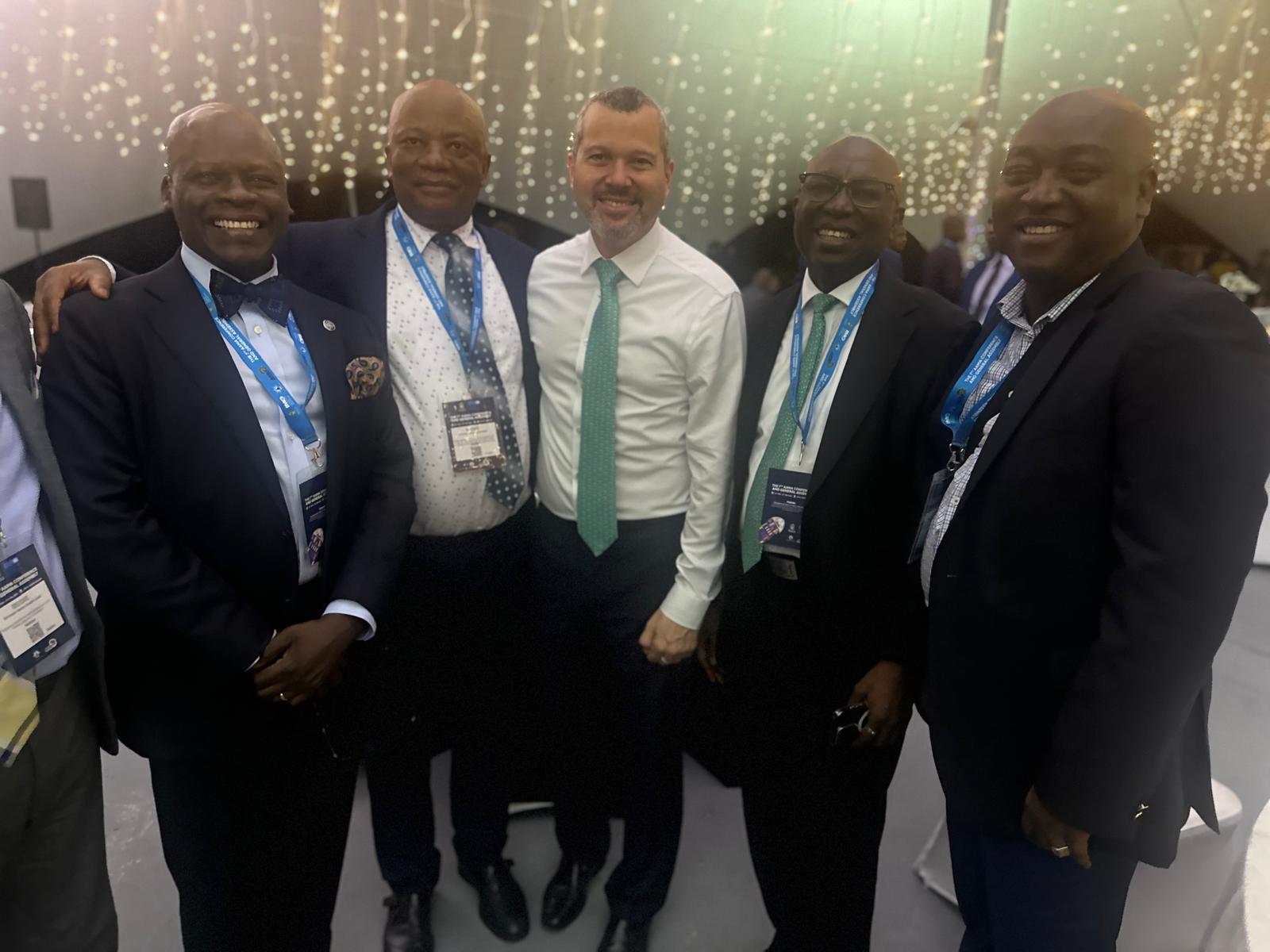
Innovative financing models have been identified as the vital catalyst for achieving sustainable development in the African Maritime industry.
The Director General of the Nigerian Maritime Administration and Safety Agency (NIMASA), Dr. Dayo Mobereola, made the declaration at the 7th Association of African Maritime Administrations (AAMA) conference in Dar es Salaam, Tanzania.
He assured attendees of Nigeria’s commitment to advancing a future where Africa’s maritime sector thrives sustainably.
In his words, “Nigeria is committed to collaborating on technology and innovation to enhance safety, security, decarbonization, and the marine environment for a sustainable future.”
According to him, the conference presents a pivotal opportunity to address our shared challenges, particularly those related to sustainable energy, regional security, and economic growth.
ALSO READ: Tinubu, Ramphosa Co-Chair Bi-National Commission’s 11th Session
“We are here to advocate for innovative financing models and international support that will facilitate sustainable growth. As Nigeria pursues infrastructure development and digital transformation within our maritime sector, we call on our regional and international partners to support these efforts through technical and financial backing.
“Our priorities at the AAMA conference include exploring collaborative avenues to enhance maritime safety and security. By reinforcing our adherence to frameworks like the Djibouti and Yaoundé Codes of Conduct, we aim to solidify Nigeria’s role in combating piracy and maritime crime across West Africa,” he stated.
The AAMA was established to lay a firm foundation for regular consultations, enabling African maritime administrations to build joint positions on issues of common concern in the maritime sector.
When Nigeria hosted the 3rd AAMA conference in 2017, a master plan was developed outlining the measures necessary to advance the maritime agenda as envisioned in the African Maritime Transport Charter. The Association has also created a platform to strengthen cooperation at the regional, continental, and international levels, harmonizing policies and goals essential for the growth of the African maritime sector.
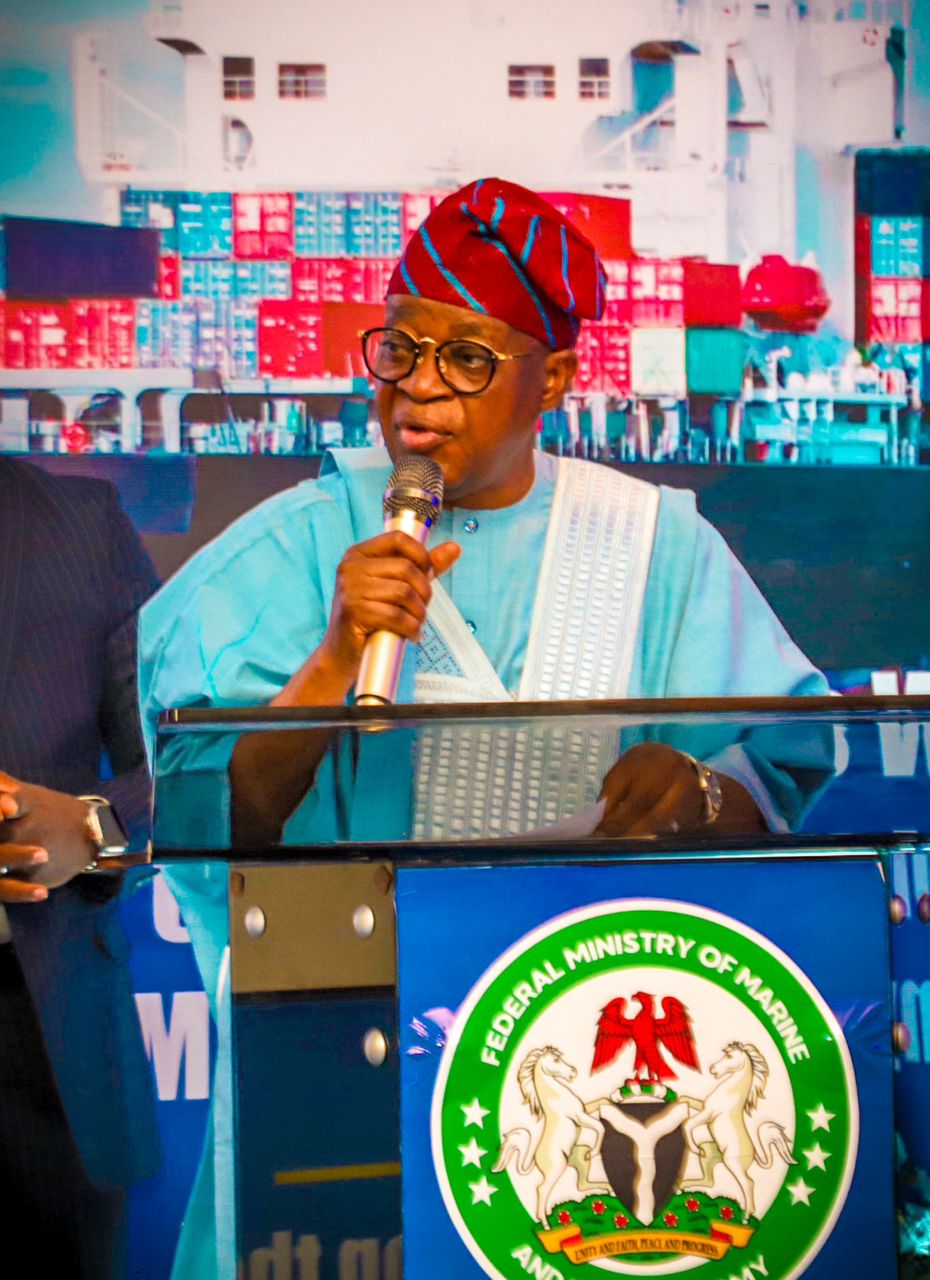
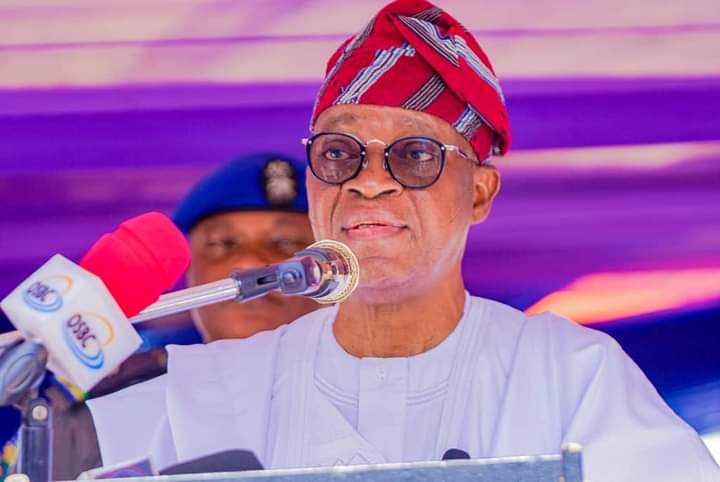
The Honourable Minister of Marine and Blue Economy, Adegboyega Oyetola is of the view that a National Policy on Marine and Blue Economy is essential for the development of the Nigerian maritime sector.
Biztellers reports that Oyetola shared the view, on Tuesday, while declaring open a stakeholders’ validation session aimed at developing the National Policy on Marine and Blue Economy in Nigeria, in Lagos.
The former Osun State Governor emphasized that the National Policy will create a sustainable pathway for economic growth in fisheries, aquaculture, renewable energy, tourism, and seabed mining, while also ensuring environmental sustainability.
He further noted the need for a robust National Policy to address challenges in the sector, including environmental degradation and illegal activities such as Illegal, Unreported, and Unregulated (IUU) fishing.
ALSO READ: Obi Congratulates NNPC Ltd On Port Harcourt Refinery
In his words, “A robust National Policy will ensure that we address these issues through a comprehensive framework that aligns with international best practices while safeguarding our marine resources for future generations.
“It is worth noting that Nigeria has achieved notable progress in maritime governance, including the ratification and domestication of international protocols and conventions. These measures have strengthened our safety and security framework, resulting in a remarkable three-year period with zero incidents of piracy in our waters. Nonetheless, the recurring boat mishaps underscore the pressing need for immediate action.
“This policy seeks to implement comprehensive strategies to ensure the safety of all waterways. However, challenges such as the recent spate of boat mishaps demand urgent attention. Consequently, this policy aims to establish comprehensive measures that will enhance safety across our waterways.
“As we develop this policy, the Ministry remains committed to repositioning Nigeria as a dominant player in the marine and blue economy, both regionally and globally. We are also pursuing Nigeria’s candidacy for election to Category C of the International Maritime Organization (IMO), which underscores our determination to strengthen our voice in global maritime governance”.
In his welcome address, the Permanent Secretary of the Ministry, Olufemi Oloruntola, noted that the validation workshop is a key step in shaping the National Policy on Marine and Blue Economy — a framework designed to address Nigeria’s specific needs and aspirations while embracing sustainable development principles. “It provides an opportunity for stakeholders to review, refine, and enrich the draft policy through a participatory and inclusive approach,” he said.
The draft policy, which consists of nine parts, offers an elaborate overview of our country’s marine and blue economic endowments and their current state. It affirms our mandate, vision, and mission, setting the stage for the policy’s objectives and aspirations. It further dissects these aspirations into five broad parts of legal and institutional framework; maritime transport, trade and shipping; fisheries and aquaculture; marine abiotic resources; and marine innovation and technology. It also identifies a range of cross-cutting issues and concludes with an assessment of stakeholders to support the implementation structure. Overall, it is a comprehensive document.
Also present at the event were the Chief Executive Officers of all the agencies under the Ministry, including Dr. Dayo Mobereola, Director General, Nigerian Maritime Administration and Safety Agency; Abubakar Dantsoho, Managing Director, Nigerian Ports Authority; Barrister Akutah Pius, Executive Secretary, Nigerian Shippers Council; and Bola Oyebamiji, Managing Director, National Inland Waterways Authority.
Other attendees included Funmi Folorunsho, President, African Shipowners Association; Engr. Greg Ogbeifun, Managing Director, Starz Marine; and the President, National Association of Stevedoring Companies, among other stakeholders.





2Baba Disowns Divorce Announcement, Says Account Was Hacked

Shock As 2Baba Announces Separation From Wife, Annie Idibia
AC Milan Pull Off Thrilling Injury-Time Comeback To Beat Parma 3-2

Kano Businessman’s Daughter Kidnapped After ₦8m Ransom Payment

Colombia Blocks US Deportation Flights Over Migrant Treatment

Buhari Calls For Transparency Ahead Of Katsina LG Elections

OSSG Raises Alarm Over Murder Plot By APC Chieftain

NCC, SMEDAN, NAICOM, SEC, Others Set for SUPERNEWS SMEs Conf June 13
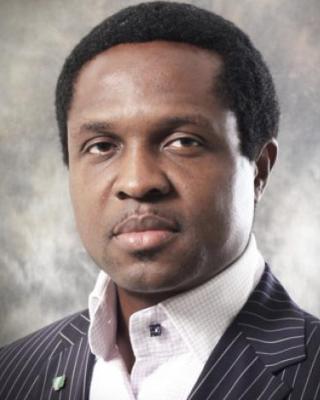
Sahara’s Tonye Cole resigns from GPHCDA
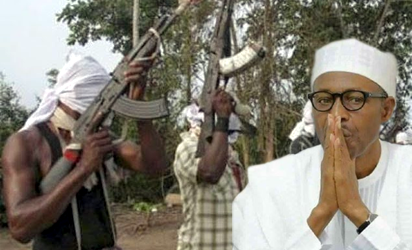
Niger Delta Avengers: President Buhari Reads riot Act …considers the carrot and stick option

Oando opens ultra-modern petrol station in Lagos