
Business
Zenith and Summit: A Cursory Look at Striking Similarities Between Two Banks

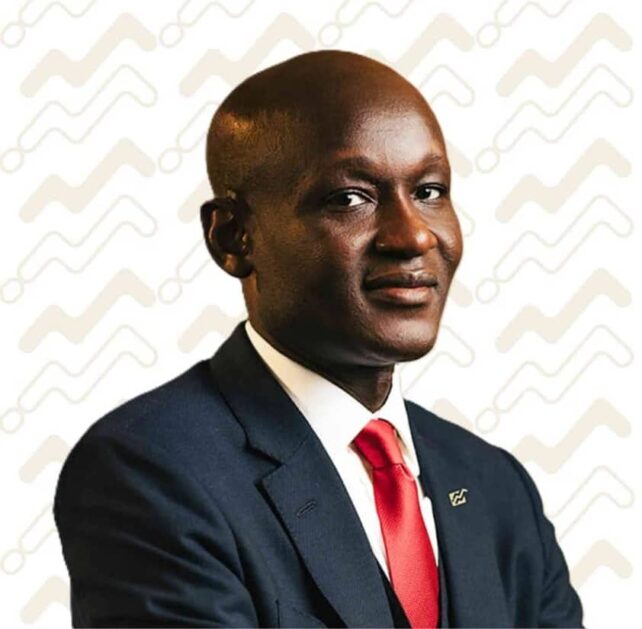
With Nigeria’s banking landscape poised to welcome a new entrant, Summit Bank Limited, in the NIB segment, Biztellers looks at what it might have in common with its established counterpart, Zenith Bank Plc.
A Striking Parallel
With the flag of Summit Bank Limited, a non-interest bank (NIB), about being raised in Nigeria’s financial services sector, Nigeria’s sixth NIB is set to open to the public. And based on the people behind the new entrant, curious minds are pondering what it might have in common with one of Nigeria’s most successful financial institutions, Zenith Bank Plc.
Their thoughts flow in the direction of what legendary Nigerian writer, Prof Chinua Achebe, pointed out in his famous novel, Things Fall Apart, that ‘A chick that will grow into a cock can be spotted the very day it hatches’.
The interest of watchers of the Nigerian financial services space has thrown up several lines of thoughts, including the similitude in meaning of the two words, summit and zenith, the people behind the new bank, the likely impact of the background of founders in the banking sector, the brand promises and what customers can look forward to.
According to dictionary.com, summit is a noun, ‘the highest point or part, as of a hill, a line of travel, or any object; top; apex.’ On the other part, zenith is listed as similar in meaning to summit by the same source, which defines it as ‘a highest point or state; culmination,’ or ‘the point on the celestial sphere vertically above a given position or observer.’
With Summit Bank Limited poised to open to customers any moment from now, analysts aver that those behind the incoming bank might be eager to replicate the Zenith success streak.
The buzz among the Nigerian banking elite, Biztellers findings show, is that Summit is coming with an assurance of high performance, great success, or a good measure of optimal achievement.
These positive sentiments, Biztellers can report, are hinged on the people behind the new NIB.
With a serious gaze on the horizon, watchers are quick to notice the presence of Dr. Mukhtar Adam at Summit.
A quick online query shows that Dr. Adam, Summit Bank’s Executive Director/Chief Operating Officer was at Zenith Bank for 17 years. Interestingly, for six of the 17 he served as Group Chief Finance Officer (GCFO).
A banker, who doesn’t want her name in print wondered if Dr. Adam was merely an extension of his former employers. ‘Being one who was loyal to Zenith Bank and played an active part in its great strides, could it be that his former employers have a hand in the emergence of Summit Bank?’
While the public waits for the answers to this and other posers, the website of the new NIB, has it that it is coming with a vision ‘to be the leading ethical bank, supporting stakeholders for common growth and prosperity’.
It also aspires to be ‘the trusted partner, providing ethical banking solutions that empower individuals and communities while making a positive impact in the lives of stakeholders for a prosperous society.’
While the extent to which these promises would be delivered are yet in the belly of history what is fact is that Nigeria’s newest NIB ‘was incorporated on 15th July 2024, as a limited liability company and licensed on 5th February 2025, by the Central Bank of Nigeria (CBN) to provide non-interest banking services to the public.’
The website added that customers can look forward to ‘non-interest-based transactions’, as it ‘emphasises profit-and-loss sharing arrangements, ethical investments, and risk-sharing partnerships with its clients. This model aims to promote financial inclusion, social justice, economic equity and moral accountability.’
A host of watchers told Biztellers that its claim of being ‘a forward-thinking Nigerian financial institution established to redefine banking through innovation, customer-centric solutions, and a strong commitment to integrity and excellence’, would be tested in the coming days and years.
Notable Hands of Existing Banks in Formation of New Banks
A look at Nigeria’s banking sector shows that some of the flourishing brands were made by people, often driven by ambition to leave well-established banks to found new ones.
ALSO READ: Adeleke in Deft Political Moves in Atlanta
Some quick examples include Access Bank and the United Bank for Africa (UBA), both of which rose from the efforts of people who left established banks to show their stuff, which has seen them playing big in Nigeria’s baking space, thereafter.
In the case of Access, it was founded in 1988 and incorporated as a private commercial bank in February 1989. Commencing operations on 11 May 1989, Aigboje Aig-Imoukhuede was appointed managing director in 2002, while Herbert Wigwe held the Deputy Managing Director position. The mandate was clear, the founding executives set for themselves the tall order of raising the bank from 65th place in 2002 to the top 10 in 2007. The interesting thing remains that the duo came from the Guaranty Trust Bank (GTBank) with their experience, which watchers are convinced played a role in the mandate they were saddled with and what they have made of the Access Bank Group.
A similar fate played out in the UBA, with the unforgettable impact of its chairman, Tony Elumelu.
It remains fresh on the minds of Nigeria’s banking community that Elumelu – aside leading the acquisition of a bigger bank, the UBA, by a smaller one, the Standard Trust Bank (STB) – could only do that because he had the ambition and experience of working at various financial institutions before the daring move.
His bio, shows that he trained as an Economist and practiced banking starting from the Union Bank of Nigeria (UBN), to All States Trust Bank before leaving to lead a small group of investors to take over a struggling Crystal Bank, which he renamed STB. The success he made of the STB witnessed the shocking purchase of UBA in 2005. But that is not the catch; what has kept tongues wagging till date is the consequent transformation of the UBA, a not-so-strong-brand at the time of acquisition, into Africa’s respected global bank.
Nigeria’s banking firmament is littered with several other stories of people moving with one financial institution’s legacy to form or takeover another and making a success of it. This scent is all over the newest entrant into the NIB segment, Summit.
These vivid examples are part of what is fuelling the speculation that Zenith might be on a mission to hoist its flag in the NIB segment, using its former GCFO. Whether that turns out true or false, it is definite that the learnings from Dr. Adam’s sojourn at Zenith would remain a plus for the emerging entity.
Is NIB a New Banking Craze in Nigeria?
According to the Nigeria Deposit Insurance Corporation (NDIC), the non-interest-banks operating in Nigeria include Jaiz Bank, Taj Bank, The Alternative Bank, Lotus Bank Limited and Summit Bank Limited.
Facts from banking industry regulator, the CBN, show that Jaiz Bank is Nigeria’s maiden NIB. Biztellers’ investigations reveal that it was founded in 2003, as Jaiz International Plc, while it was licensed as a regional bank on November 11, 2011, and opened for business January 6, 2012.
While the Nigerian economy, particularly the banking sector, awaits the latest entrant pondering if the NIB is the new craze in banking in this part of the world, information available on Anderson Nigeria’s site points out that NIB was born in the early twentieth century.’
The coming days would offer a clearer insight into what the founders of the latest NIB would bring to the table of financial services in Africa’s most populous country.
New entrants into the banking space raise a particular kind of excitement especially now that the entire sector is going through a recapitalisation process.






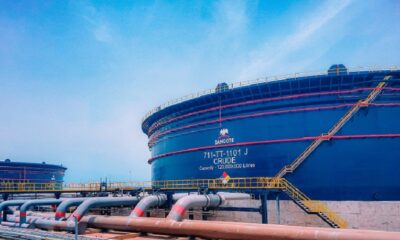

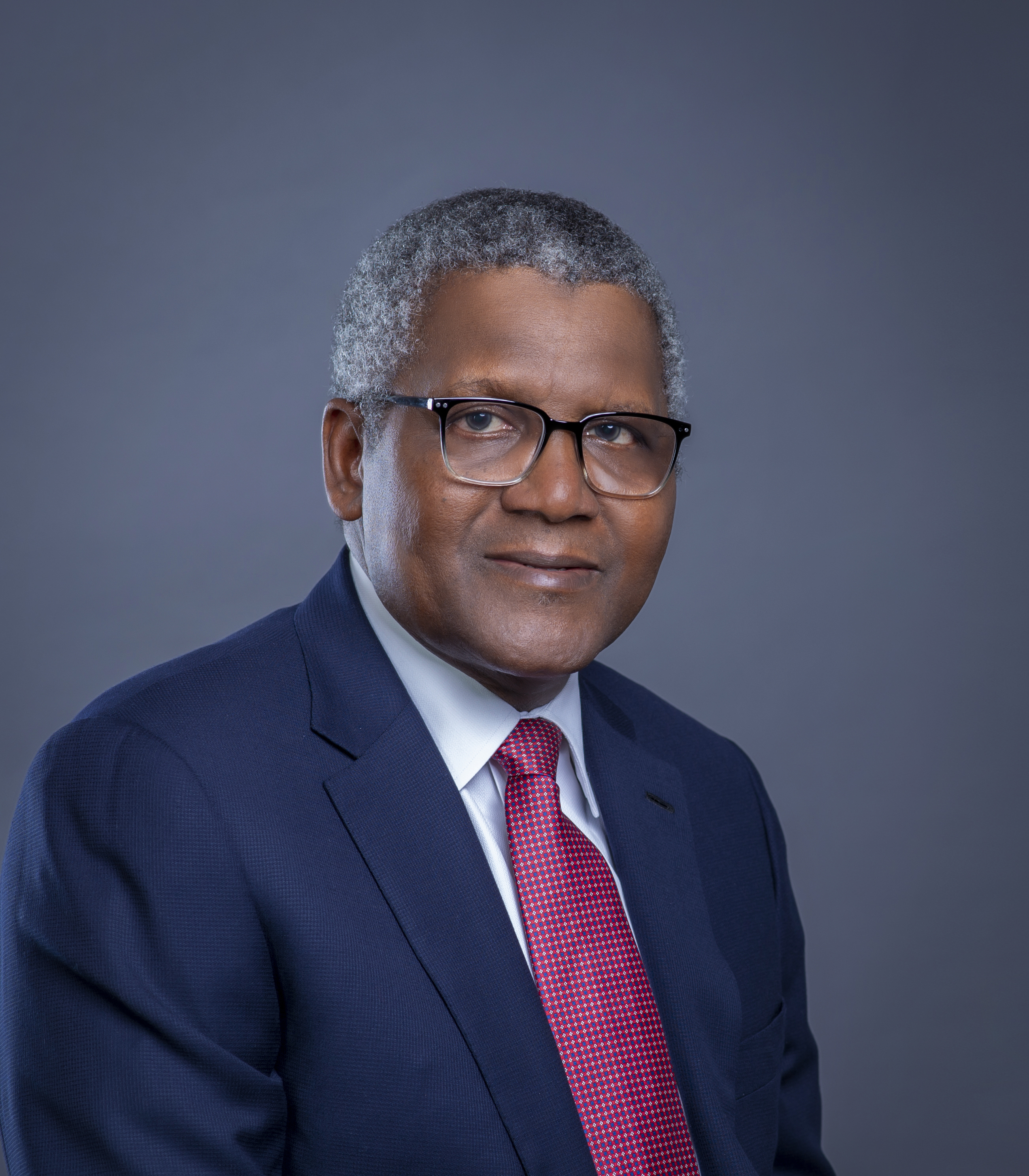
In a bold move to deepen retail participation in Nigeria’s capital market, the Aliko Dangote Foundation (ADF) has unveiled a share grant initiative aimed at helping up to five million tertiary students and two million vulnerable women become shareholders in Dangote Petroleum Refinery and Petrochemicals (DPRP) through its Initial Public Offering (IPO).
Managing Director and Chief Executive Officer of ADF, Zouera Youssoufou, disclosed that the Foundation will match qualifying share subscriptions by eligible beneficiaries. Under the programme, students who subscribe for the minimum 10 shares worth N5,250 will receive an additional 10 shares funded by the Foundation, subject to the approved process and allocation, effectively doubling their holdings to 20 shares.
Speaking during a television interview, Youssoufou said the initiative was designed to turn the refinery’s “People’s IPO” vision into reality by giving traditionally underserved groups a direct stake in one of Africa’s largest industrial assets.
“When Aliko announced the IPO, he described it as the IPO of the people and wanted as many Nigerians as possible to participate,” she said.
READ ALSO: FG Lacks Capacity to Meet Dangote Refinery Crude Demand
According to her, students and vulnerable women were specifically selected because they have historically been underrepresented in the capital market.
The ADF said it is prepared to support up to five million students enrolled in Nigerian tertiary institutions, including universities, polytechnics and colleges of education. Eligible applicants must be at least 18 years old and enrolled in a recognised institution. The Foundation is working with relevant educational authorities to verify beneficiaries.
Youssoufou revealed that about N25 billion has been earmarked for the student component of the scheme, while the broader programme for students and vulnerable women is valued at approximately N40 billion.
She emphasised that the intervention is a grant, not an investment, with all shares ultimately belonging to the beneficiaries.
“The shares end up with the beneficiary. Our goal is to help people who may never have had the opportunity to own shares begin building long-term wealth,” she said.
Beyond students, ADF plans to support up to two million vulnerable women, including widows, women living in extreme poverty, persons with disabilities, and widows of members of the Armed Forces. The Foundation is partnering with state governments, the Ministry of Women Affairs, the Armed Forces and other institutions to identify eligible participants.
According to Youssoufou, the initiative is not only about widening ownership in the refinery but also about promoting financial literacy, encouraging a culture of savings and investment, and helping Nigerians build sustainable wealth through participation in the capital market.
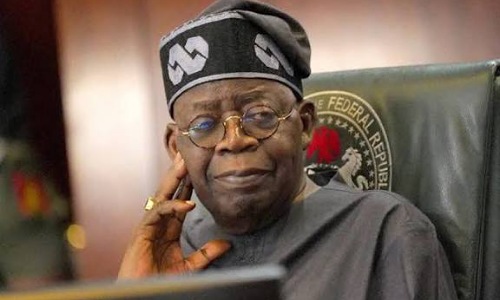
Nigeria’s efforts to increase production and curb crude oil theft still leaves her short of meeting the demands of the 700,000 barrels demand of the Dangote Petroleum Refinery and Petrochemicals (DPRP).
Minister of Finance and Coordinating Minister of the Economy, Taiwo Oyedele, made the disclosure during an interview on Channels Television’s Politics Today at the weekend.
The disclosure comes amid renewed debate over government intervention in the petroleum market, with proposals for production subsidies, the 30-days petrol discount and other measures to support domestic refining and reduce the cost of petroleum products.
READ ALSO: Fuel Discount: Presidency Explains Why Atiku’s Production Subsidy Proposal May Fail
He explained that Nigeria’s total crude oil production does not translate into an equivalent volume available for allocation by the government.
Oyedele said Nigeria’s crude oil production of about 1.8 million barrels per day was shared among parties operating under production-sharing contracts and joint ventures, while production costs, royalties and other obligations further reduced the volume available to the government.
“Under the production-sharing contract and joint venture, they share these things, and the ratios vary. Let’s say roughly 45:55,” he said.
He explained that oil producers first recover eligible production costs through cost oil, while royalties and contractual sharing arrangements also determine the quantity ultimately accruing to the government.
“The long and short of what I’m telling you is whatever is left for Nigeria, we exhaust it almost entirely because of fuel subsidy,” he said.
According to the minister, the situation was particularly severe before President Bola Tinubu introduced the economic reforms in May 2023, when the Nigerian National Petroleum Company Limited (NNPC Ltd), which holds the country’s crude on its behalf, had less than 100,000 barrels of freely available crude remaining.
He said the government had exhausted much of its revenue and resorted to printing money before turning to future crude oil production to secure commitments used to finance present consumption.
“That was a ticking time bomb,” Oyedele said, describing the arrangement under which future oil production was committed to support current fuel consumption.
The minister, however, acknowledged improvements following increased production, efforts to reduce crude oil theft and the renegotiation of some existing commitments that had tied down the country’s crude.
He cited comments by business leader Tony Elumelu, who had previously expressed frustration over the scale of crude oil theft in Nigeria, and subsequently reported an improvement in the situation.
Despite these gains, Oyedele said the country was yet to attain the level of freely available crude required to supply the Dangote refinery with its full daily requirement.
“But we are still not at the point where we can give Dangote 700,000 barrels,” he said.
The minister dismissed proposals for the government to supply the refinery with discounted crude or at production cost, arguing that such proposals failed to recognise the constraints on the volume of oil available for allocation.
“We don’t have enough to service Dangote. Dangote imports crude,” he said.
He added that the naira-for-crude arrangement introduced by the Federal Government had helped provide some stability but had not eliminated the supply constraints.
According to him, sustained increases in crude oil production and the release of additional barrels from existing commitments would eventually enable Nigeria to meet the requirements of Dangote and other domestic refiners.
“As we ramp up production and we free up some barrels, we’ll get to a point where we’ll be able to give Dangote everything he wants and other refiners will be able to get enough,” he said.
Oyedele also expressed hope that Nigeria would eventually refine all the crude oil it produces domestically and export refined petroleum products rather than crude.
The disclosure comes amid renewed debate over government intervention in the petroleum market, with proposals for production subsidies and other measures to support domestic refining and reduce the cost of petroleum products.
Oyedele further maintained that achieving that ambition will depend not only on the expansion of refining capacity but also on sustained growth in crude oil production and the availability of additional volumes for domestic processing.
A partnership of the Nigerian Content Development and Monitoring Board (NCDMB), Renaissance Africa Energy Company Limited, has unveiled a 12-month training program at Nigeria Machine Tools Limited (NMTL), Osogbo, Osun State.
It was gathered that the initiative will equip 60 young Nigerians with specialised expertise in oil and gas engineering as well as other critical technical skills, fostering a new generation of industry-ready professionals.
The programme is on the back of the Nigerian Content Human Capacity Development (NC HCD) Training Programme for Renaissance Africa Energy Company Limited’s EPU Phase 2 Gas Development Project.
READ ALSO: Domestic Flight delays, Cancellations Compound Air Travellers’ Woes
It is designed to equip participants with advanced technical expertise, with the curriculum spanning engineering design, fitter machining, conventional machine tool operations, programming, computer-aided design (CAD), computer-aided manufacturing (CAM), electrical and mechanical maintenance, and document control.
Structured over 12 months, the programme combines six months of intensive classroom instruction with six months of supervised on-the-job training in reputable companies. Graduates are expected to earn internationally recognised certifications upon completion.
During the official launch at the NMTL, Osogbo, Osun State, the NCDMB’s Director of Capacity Building, Engr. Abayomi Bamidele, reaffirmed the Board’s commitment to bridging critical technical skills gaps in Nigeria’s oil and gas industry.
Represented by Tare Bufazi, assistant manager, Human Capacity Development, Bamidele described the initiative as a strategic intervention to address manpower shortages and prepare Nigerians for meaningful participation across the oil and gas value chain.
“The importance of this programme cannot be overstated,” he noted, revealing that the 60 trainees—comprising 33 graduates and 27 vocational trainees—would undergo specialized training tailored to industry needs. He emphasized that NCDMB’s mission extends beyond promoting local participation to building the technical capabilities required to sustain the sector. Human capacity development, he stressed, is central to strengthening local content, creating opportunities, and advancing the Federal Government’s industrialization agenda.
Bamidele urged participants to approach the programme with discipline and commitment, highlighting that it offers more than certificates—it builds practical competence and professional experience for long-term careers. He also acknowledged the contributions of Renaissance Africa Energy Company Limited, Seflam SGL, and the NMTL, whose collaboration made the initiative possible.
On behalf of Renaissance Africa Energy Company Limited, Richard Oyiborhor, Interface and Integration Manager for the NLNG Supply Project, reiterated the company’s dedication to nurturing Nigerian talent and strengthening local capabilities.
He commended the NCDMB’s leadership in advancing Nigerian content and praised the partnership with Seflam SGL and NMTL as a vital step in developing the nation’s industrial workforce.
Senior manager, Business Interface at Seflam SGL, Bisola Agboluaje, congratulated the trainees and traced the programme’s origins to 2024, when NCDMB approved the training plans. She described the initiative as a forward-looking investment in Nigeria’s technical talent pool.
The NMTL’s chief of operating officer, Obehi Ojeagha, welcomed the participants and lauded the collaboration. She emphasized the institution’s 46-year legacy in supporting Nigeria’s industrial development and expressed confidence that the trainees would acquire the skills, discipline, and experience needed to contribute meaningfully to the oil and gas sector.





2027 Elections: INEC Debunks Fake Notice on Governorship Candidates in Six States

2027: No New Taxes Under My Gov’t If Elected – Sowore Clarifies
ADF Targets 5 Million Students, 2 Million Vulnerable Women

NUPRC Sets Revocation Date for Undeveloped Oil Licences

FG Lacks Capacity to Meet Dangote Refinery Crude Demand

Heritage Energy on Ways of Unlocking Oil Industry Investment

Trump’s Family Unveils New Cryptocurrency Platform

Senate Denies Receiving Petitions Against Tinubu’s Ambassadorial Nominees

Dangote Cement Lights Up Benue Host Communities With CSR Initiatives

Reps Recommend 3-year Jail Term For Aviation minister

Tems Sets New Record On Billboard Hot 100 Chart

https://shorturl.fm/wz0QA
I just could not depart your web site prior to suggesting that I really loved the usual info an individual supply in your visitors Is gonna be back regularly to check up on new posts
https://shorturl.fm/dfOG2
https://shorturl.fm/wtzXB
yowu35
xp0jwq
67pcey
wonderful issues altogether, you simply gained a new reader. What may you recommend in regards to your put up that you just made some days ago? Any positive?
I like this web blog so much, saved to favorites. “Nostalgia isn’t what it used to be.” by Peter De Vries.
Hmm is anyone else encountering problems with the pictures on this blog loading? I’m trying to find out if its a problem on my end or if it’s the blog. Any feed-back would be greatly appreciated.
Hi! I could have sworn I’ve been to this site before but after reading through some of the post I realized it’s new to me. Anyways, I’m definitely happy I found it and I’ll be book-marking and checking back often!
I simply needed to thank you so much once more. I do not know the things I could possibly have sorted out in the absence of the basics shared by you over that subject matter. Certainly was a real traumatic matter for me personally, however , observing the very well-written fashion you dealt with that took me to cry for contentment. I’m just thankful for the advice and as well , wish you comprehend what an amazing job you’re carrying out educating many people using a site. I’m certain you haven’t met any of us.
It’s really a great and helpful piece of information. I’m glad that you shared this helpful information with us. Please keep us up to date like this. Thanks for sharing.
You are my intake, I own few web logs and sometimes run out from to brand : (.
What i do not realize is actually how you’re not really much more well-liked than you might be right now. You’re so intelligent. You realize therefore considerably relating to this subject, produced me personally consider it from so many varied angles. Its like men and women aren’t fascinated unless it’s one thing to do with Lady gaga! Your own stuffs nice. Always maintain it up!
Yay google is my world beater assisted me to find this great web site! .
You have brought up a very great details , thanks for the post.
Regards for all your efforts that you have put in this. very interesting information.
Thank you for the auspicious writeup. It in fact was a amusement account it. Look advanced to more added agreeable from you! By the way, how could we communicate?
You are my inspiration , I own few blogs and infrequently run out from to post .
Hello! I simply would like to give an enormous thumbs up for the good data you have here on this post. I might be coming again to your weblog for more soon.
An impressive share, I just given this onto a colleague who was doing a little analysis on this. And he in fact bought me breakfast because I found it for him.. smile. So let me reword that: Thnx for the treat! But yeah Thnkx for spending the time to discuss this, I feel strongly about it and love reading more on this topic. If possible, as you become expertise, would you mind updating your blog with more details? It is highly helpful for me. Big thumb up for this blog post!
This design is incredible! You definitely know how to keep a reader entertained. Between your wit and your videos, I was almost moved to start my own blog (well, almost…HaHa!) Excellent job. I really enjoyed what you had to say, and more than that, how you presented it. Too cool!
Thank you a lot for sharing this with all people you really understand what you are talking approximately! Bookmarked. Please also consult with my site =). We can have a hyperlink exchange contract among us!
F*ckin’ remarkable things here. I am very happy to peer your article. Thank you so much and i’m having a look forward to touch you. Will you kindly drop me a mail?
I am really impressed together with your writing skills and also with the format in your weblog. Is this a paid topic or did you customize it your self? Either way stay up the excellent quality writing, it’s uncommon to peer a great blog like this one these days..
It’s appropriate time to make some plans for the long run and it is time to be happy. I have read this publish and if I could I wish to counsel you some attention-grabbing things or tips. Maybe you could write next articles regarding this article. I desire to learn even more things about it!