
Business
Dangote Campaigns Against Importing Fuel, Urges Legislative Backing for Nigeria First Policy

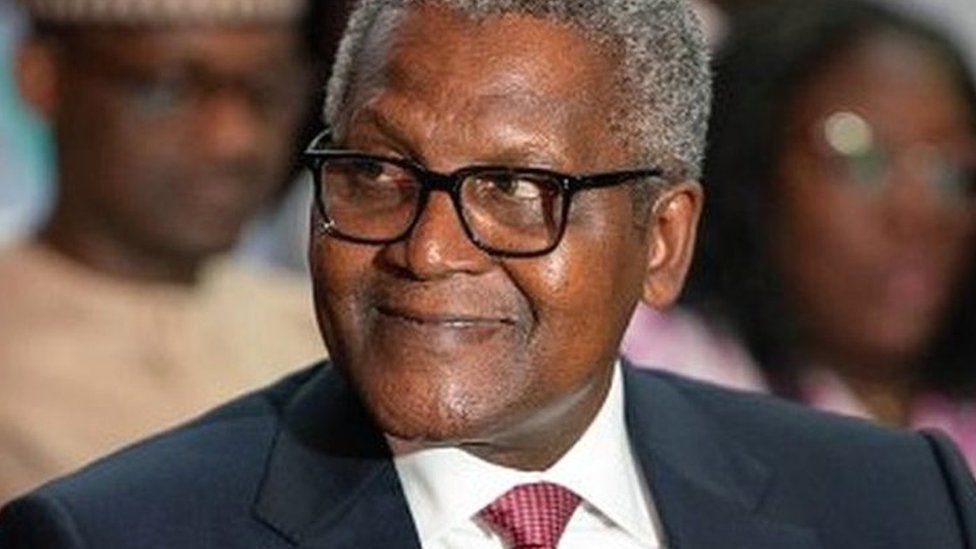
President/Chief Executive, Dangote Industries Limited, Aliko Dangote, has criticised the crude supply practices of international oil companies, insisting that Nigeria has no justification for importing crude or refined petroleum products if existing laws are properly enforced.
He bared his mind during a visit by the South South Development Commission (SSDC) to the Dangote Petroleum Refinery and Fertiliser Complex in Lagos, Dangote said the Petroleum Industry Act (PIA) already establishes a framework that prioritises domestic crude supply. However, he noted that operators continue to exploit loopholes that undermine the intent of the law.
Dangote stated that several oil companies routinely divert Nigerian crude to their trading subsidiaries abroad, particularly in Switzerland, forcing domestic refineries to buy from these offshore entities at a premium of four to five dollars per barrel.
“The crude is available. It is not a matter of shortage. But the companies move everything to their trading arms, and we are forced to buy at a premium. Meanwhile, we do not receive any premium for our own products,” he said.
According to him, he has formally written to the Federal Government, urging it to charge royalties and taxes based on the actual price paid for crude, to prevent revenue losses and to discourage practices that disadvantage local refiners.
Dangote pointed out that NNPC remains the primary supplier honouring domestic supply obligations, providing five to six cargoes monthly. However, the refinery requires as many as twenty cargoes per month from January to operate optimally.
Describing the situation as “unsustainable for a country intent on genuine industrial growth,” Dangote argued that Africa’s economic future depends on value addition rather than perpetual raw material export.
“It is shameful that while we exported one point five million tonnes of gasoline in June and July, imported products were flooding the country. That is dumping,” he said.
On a report by the Nigerian Midstream and Downstream Petroleum Regulatory Authority (NMDPRA), that the refinery supplied only 17.08 million litres of the 56.74 million litres consumed in October 2025, Dangote said that the refinery exports its products if regulators continue to permit dumping by marketers.
Dangote pledged that it would supply 50 million litres of petrol daily during the Yuletide period, with a total of 1.5 billion litres planned for December 2025 and another 1.5 billion litres for January 2026.
He commended President Bola Tinubu’s Nigeria First Policy but stressed the need for legislative backing to make the policy more effective. He said the president is committed to positioning Nigeria as a leader in Africa’s transition from raw material export to value-added production, job creation and sustainable economic expansion.
ALSO READ: BREAKING: Why Adeleke Resigned from PDP Since Nov 2025
Dangote further explained that the company’s expansion strategy reflects Africa’s fast-growing demand for petroleum products, estimated at around four million barrels per day, while regional refining capacity lags at below one and a half million barrels.
Addressing Nigeria’s ambition to achieve a one trillion-dollar economy, Dangote said the target is attainable through disciplined policy execution, improved power generation and a revival of the steel sector.
“You cannot build a great nation without power and steel. Every bolt and nut used here was imported. That should not be the case. Nigeria should be supplying steel to smaller African countries,” he said.
He also underscored opportunities for partnership with the SSDC in agriculture, particularly in soil testing and customised fertiliser formulation, noting that misuse of fertiliser remains a major reason Nigerian farmers experience limited productivity gains.
“We are setting up advanced soil testing laboratories. From next year, we want to work with the SSDC to empower farmers by providing accurate soil assessments and customised fertiliser blends,” Dangote said.
He added that despite the global push for electric vehicles, Africa will continue to rely heavily on petroleum products due to limited power access and affordability challenges.
“People talk about electric vehicles, but six hundred million Africans do not have power for their fridge. Oil remains essential because over six thousand products come from it,” he said.
Dangote reaffirmed the refinery’s commitment to supporting national economic growth, strengthening local industry and ensuring Nigeria becomes a net exporter of refined products and petrochemicals.






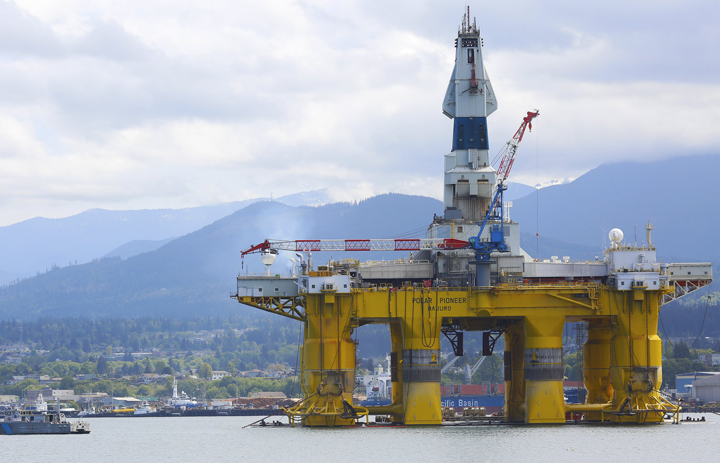
The Nigerian Upstream Petroleum Regulatory Commission (NUPRC) has unveiled a pipeline of major offshore projects with the potential to attract significant new investment into Nigeria’s upstream petroleum sector.
This is as the commission has intensified efforts to convert the country’s substantial hydrocarbon resources into producing assets and sustainable economic value, the NUPRC said in a statement.
According to the statement, Nigeria’s upstream investment outlook was presented at the Nigeria Investment Forum 2026 in New York by the Commission Chief Executive (CCE), Oritsemeyiwa Eyesan.
Eyesan, who was represented by the Executive Commissioner, Corporate Services and Administration, Dr. Kelechi Ofoegbu, highlighted the emerging investment opportunities across Nigeria’s offshore, gas and brownfield assets, noting that the combination of regulatory reforms, improved project economics and a growing pipeline of development-ready assets is creating new opportunities for investors and industry partners.
READ ALSO: NCDMB, Zeconia Global Train 50 on Digital Oilfield Operations
A key feature of the presentation, it said, was the identification of 22 major offshore projects, comprising 12 deepwater and 10 shallow-water developments, as part of the pipeline capable of driving substantial new capital into the sector.
According to the commission, the projects include major developments such as Bonga Southwest, Aparo, Zaba Zaba, Owowo, Bosi and Egina South.
The NUPRC also highlighted recent capital commitments across projects including Bonga North, Obeta Gas Development, HIN Associated Gas Development and Iseni Gas Development, demonstrating the movement of investment interest towards actual project development.
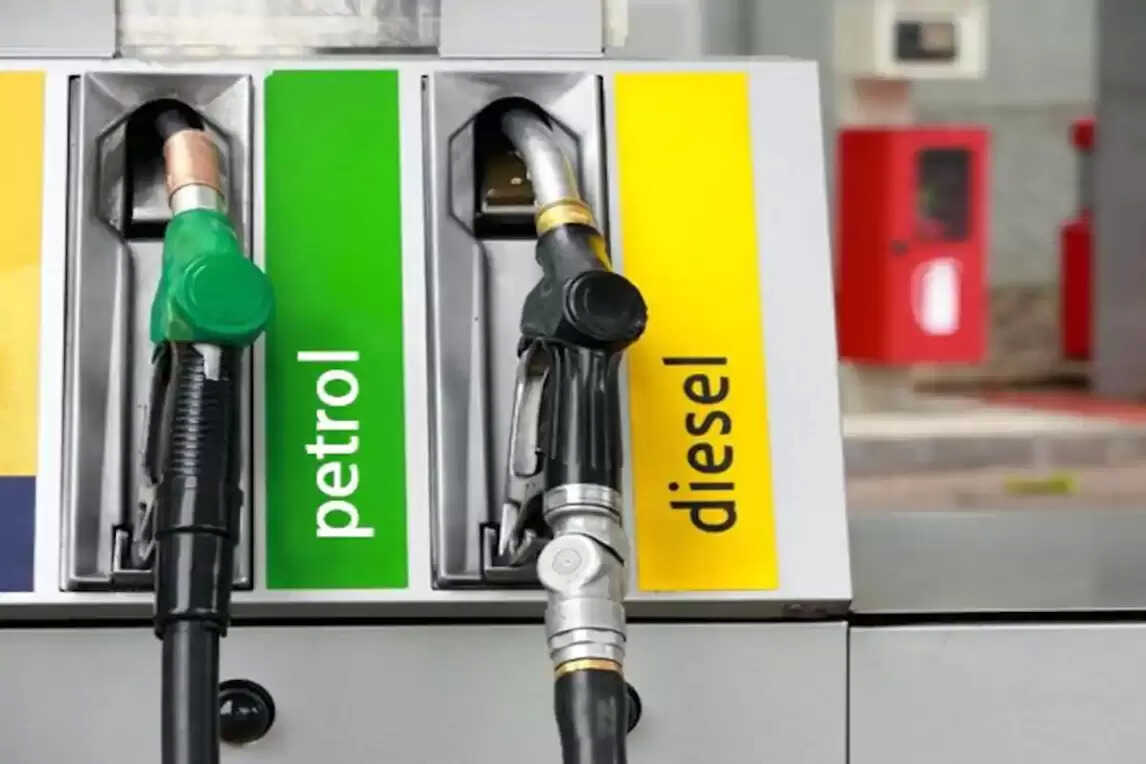
The average prices of petrol and diesel have risen by 86 percent in 2026, with the two products reaching their highest average price levels for the year by September 22, according to the latest fuel price trend report by priceandpromo.
The report stated that the average price of Premium Motor Spirit, popularly known as petrol, rose to N1,378 per litre by September 22, while automotive gas oil, commonly known as diesel, increased to N1,899/litre.
It puts the increase in the price of petrol at 80.8 percent from the January 13 base, while diesel recorded a 91.8 percent rise over the same period. The average increase of the two products is 86.3 percent, which rounds to 86 percent.
The report stated, “The latest priceandpromo fuel price trend shows renewed upward movement following the relative stability observed between April and July.
“Petrol rose to an average of N1,378 per litre by 22 September, while diesel increased to an average N1,899 per litre, the highest average price levels recorded for both products in the displayed 2026 series.”
READ ALSO: NNPC Ltd Celebrates Second Year of Zero Voluntary Resignations
According to the report, petrol prices had increased sharply in March before remaining relatively stable at elevated levels between April and July. “After the sharp March increase, fuel prices stabilised at higher levels through July before rising again in August and September,” it added.
The renewed increase came amid heightened volatility in the international energy market, according to the report, which noted that the domestic market remained exposed to movements in global energy costs.
“The renewed increase comes amid heightened global energy-market volatility, highlighting the domestic market’s continued exposure to shifts in international energy costs,” the report added.
The report indicated that the latest movement in fuel prices could have wider implications for transportation, logistics and the cost of distributing goods, given the importance of petrol and diesel to economic activities.
The report noted that fuel prices remained an important channel through which changes in energy costs could feed into transportation and other consumer costs.
The report further warned that the renewed increase in both products is a development to monitor because of its potential implications for the movement of people and goods.
It said, “The renewed increase in both petrol and diesel is therefore an important market signal to watch, particularly for its potential implications for mobility, logistics costs and the wider cost of moving goods through the market.”
The report’s figures show that the increase in diesel prices has outpaced that of petrol, with AGO rising by 91.8 percent compared with PMS’s 80.8 percent increase.
Courtesy – The PUNCH
State oil major, the Nigerian National Petroleum Company Limited (NNPC Ltd) has credited staff confidence in its future, career opportunities, job security and the desire to be part of its transformation into a commercially driven energy company, as top on the brand characteristics that helped it record a second successive year of zero voluntary resignations.
The disclosure was contained in NNPC Limited’s 2025 Annual Financial Report, which showed that the company recorded a zero percent withdrawal-from-service rate across all employee age bands below 60 years in both 2024 and 2025.
The report showed that employees aged 30 years and below, 31–39, 40–44, 45–49, 50–54 and 55–59 all recorded a zero percent withdrawal-from-service rate in 2025. The same age groups also recorded zero per cent in 2024, indicating that there were no voluntary exits recorded across the categories during the two-year period.
READ ALSO: Ndindi Nyoro Gives Ruto 14 Days to Disclose Dangote Refinery Deal
The only 100 percent rate recorded in the table was for employees aged 60, reflecting retirement at the applicable age rather than voluntary resignation.
On the development, NNPC Ltd’s Chief Corporate Communications Officer, Andy Odeh, said the retention rate was an indication of stability within the organisation and suggested that employees continued to see opportunities for career growth and professional fulfilment in the company.
“If people in an organisation for the whole year don’t exit, it also means that the organisation is stable. The organisation can be trusted and that colleagues see prospects going forward,” Odeh said.
He shared his views during an NNPC Limited X Spaces conversation on its 2025 audited financial statements, stating that the company had a pool of highly mobile and ambitious employees who were prepared to support its transition and growth, adding that retention in the energy industry was not determined by salaries alone.
“One of the biggest opportunities the company has had is the fact that you have very strong, highly mobile, in terms of ambition and support for the business, talent within the organisation. But there are a few things that I just want to share with you,” he said.
According to Odeh, employees in the energy industry also considered job security, opportunities for career development, a safe working environment and a sense of purpose when deciding whether to remain with an organisation.
“When you see an opportunity to grow your career, because indeed in the energy industry, for most people it’s not about salary; they look for security, they look for opportunities to develop, they look for a safe work environment, and of course they want to work in a place that gives them purpose,” he said.
He said the transformation of the NNPC Ltd from a corporation into a limited liability company had created a unique opportunity for employees to participate in what could become a significant chapter in the history of Nigeria’s energy industry.
“Where we are as an organisation today, moving from a corporation to a company, the company is at the cusp of history, and anybody who is in the organisation today wants to be part of the huge success,” Odeh said.
“When all of these things come together, people have strong reasons to stay, and I believe that’s why people are staying and wanting to leave,” he added.
Odeh said the company’s challenge was therefore not simply to prevent employees from leaving but to understand and strengthen the factors that made them want to remain.
“Consider that taking retention for granted. The real trick is to get the reasons to stay, rather than the reasons to leave. So where we are now, a lot of people stay and want to stay because they want to be part of history, they want to be part of a career that is clear and prosperous at the end of the day,” he said.
He added that the company’s broader purpose of contributing to the country’s development also provided an incentive for employees to remain with the organisation. “Success at an energy company, building a better country, and making an impact in the world,” he said.
The staff retention data comes as the NNPC Ltd reported record profitability in its 2025 financial year despite a significant decline in revenue.






‘NYSC Has Outlived Its Usefulness, Should Be Scrapped’ — Shehu Muhammad
2027: NRM Candidate Esther Okereke Backs Death Penalty for Corruption
NUPRC Outlines Major Offshore Investment Pipelines

NCDMB, Zeconia Global Train 50 on Digital Oilfield Operations

40 Oil Blocks up for Grabs as NUPRC Opens 2026 Bid Round

Middle East Push, G7’s Strategic Reserve Release Arrest Oil Prices

Trump’s Family Unveils New Cryptocurrency Platform

Senate Denies Receiving Petitions Against Tinubu’s Ambassadorial Nominees

Dangote Cement Lights Up Benue Host Communities With CSR Initiatives

Reps Recommend 3-year Jail Term For Aviation minister

Tems Sets New Record On Billboard Hot 100 Chart
