
Business
FEC approves N1.7bn for scanners, vehicles, NEITI’s office

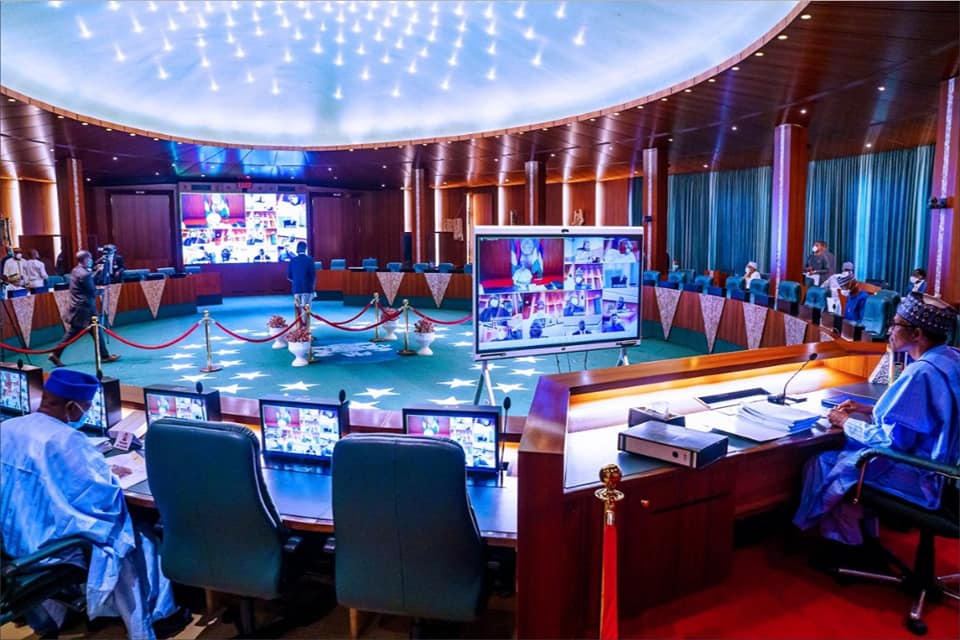
The Federal Executive Council has approved N1.7billion for the acquisition of permanent office for the Nigeria Extractive Industries, Transparency Initiative, and purchase of scanners for the National Drug Law Enforcement Agency.
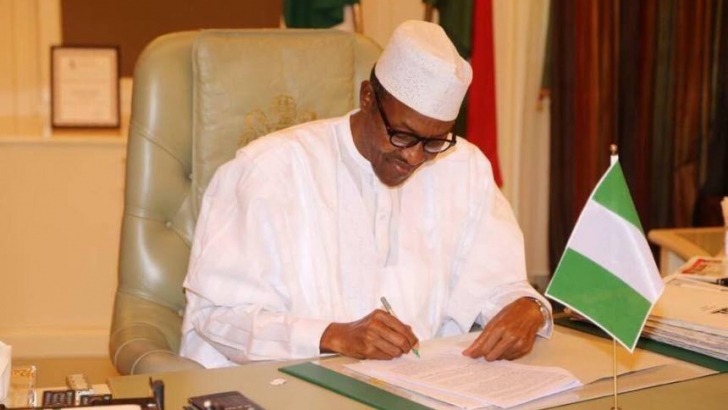
President Buhari
The Special Adviser to the President on Media and Publicity, made this known when he briefed State House correspondents on the outcome of the FEC meeting, presided over by President Muhammadu Buhari in Abuja on Wednesday.
Adesina disclosed that N537million of the N1.7 billion was approved for NEITI to acquire a permanent office in Abuja, N985million for procurement of Body Dual Scanners Solution with x-ray management software.
He said the remaining balance of N187million was for the purchase of vehicles for FRSC to check road accidents in the country.
According to him, the operational vehicles are needed by the FRSC to meet its goals of reducing accidents by at least 15 per cent and fatalities by 20 per cent.
“The Federal Road Safety Commission (FRSC) got approval to procure operational vehicles, and that is to reduce carnage on our roads and to meet its goals of reducing accidents by at least 15 per cent and fatalities by 20 per cent.
“Contracts for those vehicles were approved by the Federal Executive Council.
“Again, NEITI, which is Nigeria Extractive Industries, Transparency Initiative was given approval to acquire a permanent building for N536 million to be used as its head office.
“NEITI had been in a rented place. Now, it has the approval to acquire a property for its head office.
“There was also an approval for the National Drug Law Enforcement Agency (NDLEA) to procure and install four full-body dual view scanners with X-ray management software at Lagos, Port Harcourt, Enugu, and Kano Airports.
“You know that NDLEA has been doing wonderful things in recent times. Now, it has this approval to install and commission four full-body dual view scanners solution with X-ray management software at those four airports; Lagos, Port Harcourt, Enugu, and Kano.’’
Adesina also disclosed that the National Agency for Food and Drug Administration and Control and the Ministry of Water Resources got the council’s approvals to purchase vehicles and for the revised estimated total cost for supervision consultancy contract of Ile-Ife Multipurpose Dam Project in Osun, accordingly.
(NAN)








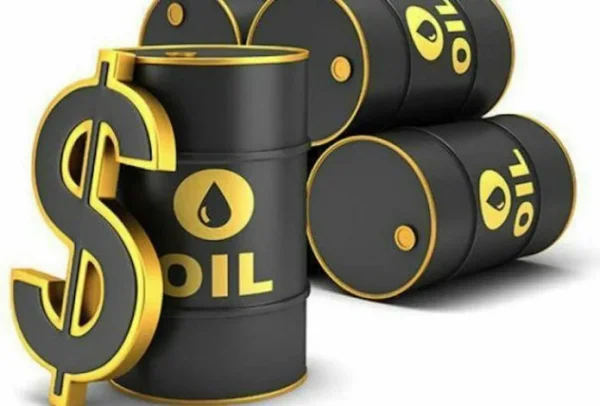
Brent crude oil price rose above $111 per barrel on Tuesday, as the International Energy Agency (IEA) warned that global energy markets might not return to normal in 2027 amid escalating tensions in the Middle East.
The international benchmark was trading above $111 per barrel, according to CNN, as concerns over a possible escalation of the conflict involving the United States and Iran heightened fears of further disruptions to global oil supplies.
However, Oilprice.com data showed that Brent later retreated to $109 during the day.
The Executive Director of the IEA, Fatih Birol, warned that the global energy market remained vulnerable to overlapping crises in the Middle East, saying there was no credible prospect of a return to normal next year.
“I don’t see any credible pathway that 2027 will be a year of normalisation,” CNN quoted Birol as saying at an industry gathering in London on Tuesday.
READ ALSO: NCDMB Joins Hand with Manufacturers to Boost Local Oil, Gas Components Production
He warned that the Strait of Hormuz, a strategic waterway that handled about one-fifth of global oil and natural gas supplies before the war, could be closed again.
“The Strait of Hormuz has been closed once, it can be closed again,” he said.
The warning comes as crude oil price rose in recent weeks amid concerns that the conflict involving the United States and Iran could escalate, threatening oil production and shipments across the region.
Iran has signalled preparations for another round of conflict, issuing public threats against Washington, while Saudi Arabia has faced attacks by Iran-backed Houthi militants that have disrupted oil shipments.
The developments have heightened uncertainty in the international energy market, although oil continues to flow from the Middle East despite the security challenges.
Data from analytics firm, Kpler, showed that the seven-day average of oil flows from the region, including shipments through the Strait of Hormuz, the Red Sea and the Gulf of Oman, had risen above pre-war levels to just over 24 million barrels per day as of Tuesday.
CNN reported that the restoration of Saudi Arabia’s pipeline exports had helped sustain oil flows, even as tanker crossings through the Strait of Hormuz remained well below pre-war levels.
Birol warned against assessing the severity of the energy crisis solely through crude oil prices, noting that petroleum products had experienced more significant price increases.
“We don’t use crude oil, we use products,” he said, noting that diesel prices had doubled from pre-war levels, largely because of the conflict involving Iran and attacks on Russian refineries.
He warned that the outlook could worsen as diesel demand typically increases during the coming season, while several major refineries are scheduled for maintenance.
“We are on thin ice and I am very worried about this,” he stated.
The IEA chief added that member countries would consider releasing additional emergency oil reserves if necessary to ease supply pressures.
The agency’s member countries agreed to release 400 million barrels from emergency reserves in March, with about 80 percent of the volume already supplied to the market and the remaining 20 percent yet to be released.
Birol said member countries still held about 1.6 billion barrels in reserves.
“We are keeping it for the rainy days,” he said.
Steps for the actualisation of recommendations from an industry-wide study on in-country manufacturing of key components for the oil and gas industry was the focus at a stakeholders’ meeting on Monday in Port Harcourt, Rivers State.
According to the Nigerian Content Development and Monitoring Board (NCDMB), the meeting was aimed at boosting local manufacturing capacity, empowering indigenous enterprises, and reducing reliance on imported components.
READ ALSO: Dangote Preaches Ambition, Africa First to Nigerian Creatives
Recall that on July 7, 2022, the NCDMB commissioned a diverse oil industry team to develop a strategy for in-country manufacturing of pumps, valves, flanges, gaskets, bolts and nuts, metering solutions, and instrument fittings, and the team submitted its report on July 12, 2023.
The study was initiated after local manufacturing of vital components was identified as essential to advancing Nigerian content, given their significant role in sustaining oil and gas production uptime and their substantial share of both operating and capital expenditures.
Representing the Executive Secretary of the NCDMB, Engr. Felix Omatsola Ogbe at the meeting, the General Manager, Institutional Development, Capacity Building Directorate, Olugbenga Sheba, underscored the Board’s drive to deepen local capacity, promote industrialisation, and maximise value retention in the Nigerian oil and gas industry.
He emphasised that developing the capacity to manufacture critical industry components within the country would strengthen indigenous enterprises, improve technical competence, and position Nigerian companies to participate more effectively in the supply chains of major oil and gas projects.
He cited the Nigerian Oil and Gas Industry Content Development (NOGICD) Act, 2010, which provides for first consideration of Nigerian goods and services, reinforcing the statutory basis for promoting indigenous participation and local production.
According to him, the Board remains committed to ensuring that the implementation of the study report’s recommendations is guided by the provisions of the Act and creates greater opportunities for qualified Nigerian companies to thrive.
“Today’s rollout is not an isolated initiative; it is an integral pillar of our NCDMB 10-Year Strategic Roadmap, which targets achieving 70% Nigerian Content by 2027,” he stated.
He explained that the implementation of the study report would directly advance the technical capability development pillar of the Board’s 10-Year Strategic Roadmap by addressing identified skills gaps, technological deficiencies, and limitations in local manufacturing capacity.
He further outlined key areas of focus for the implementation process, including infrastructure expansion, structured capacity-building initiatives, improved access to capital and strategic partnerships, as well as effective monitoring, compliance, and enforcement.
He urged stakeholders to demonstrate strong commitment to the implementation process, stressing that collaboration among the Board, indigenous manufacturers, operators, service companies, financial institutions, and other industry players would be critical to achieving sustainable results.
In his presentation, Assistant Manager, Institutional Strengthening of the Capacity Building Directorate, Mr. Nander Salmwang, disclosed that approximately 60 indigenous companies had been identified in the assessment, of which only 18 met the required criteria. He also highlighted challenges affecting the development and expansion of in-country manufacturing capacity, underscoring the need for targeted interventions to bridge existing gaps.
Similarly, Manager, Nigerian Content Development Fund (NCDF), Emmanuel Yusuf presented funding opportunities available through the NCDF, explaining the relevance of financial support to indigenous companies and community contractors seeking to strengthen their operations and participate more actively in the industry’s supply chain.
The meeting also highlighted the relevance of the Nigerian Oil and Gas Park Scheme (NOGaPS) in supporting the development of local manufacturing infrastructure and capabilities.
Other presentations and discussions provided a platform for stakeholders to examine existing opportunities, identify implementation challenges, and explore practical approaches to improving indigenous participation in the manufacturing of critical oil and gas equipment and components.
The Nigerian National Petroleum Company Limited (NNPC Ltd) slashed additions to its exploration and evaluation assets by 87.7 percent to N78.8 billion in 2025, from N640.5 billion in 2024, according to its latest Annual Financial Report (AFS).
In the same vein, the national oil company’s gas flaring charges during the period under consideration fell by 62.2 percent from N1.32 trillion in 2024 to N499 billion in 2025, the financial report indicated.
However, the decline in exploration funding may not be unconnected with the slowdown in the search for hydrocarbons in underexplored areas, including the Chad Basin, Benue Trough, Bida Basin and Sokoto Basin, all in the northern part of Nigeria.
Despite billions of naira committed to the programme, projects such as Kolmani, straddling Bauchi and Gombe States; drilling and appraisal activities such as the Wadi-2 exploratory well in Borno and exploration activities and seismic data gathering in Nasarawa State have yet to reach breakthrough levels.
READ ALSO: 200 Imo Teachers Benefit from NCDMB’s Effective Curriculum Training
To compound the matter. President Bola Tinubu’s Executive Order 9 of 2026, has now suspended the state oil major’s collection and management of the 30 percent Frontier Exploration Fund (FEF) and ordered that the money be remitted directly to the Federation Account for distribution among the federal, state and local governments.
On gas flaring, the group’s total charges declined to N499 billion from N1.32 trillion in 2024. The amount comprised N247.8 billion in flare fees, down from N708.6 billion, and N251.2 billion in penalties for flaring above approved limits, compared with N610.4 billion previously.
The fees are statutory charges based on limits approved by the Nigerian Upstream Petroleum Regulatory Commission (NUPRC) under Section 104 of the Petroleum Industry Act (PIA). Despite the reduction, penalties accounted for approximately half of the group’s total gas flaring charges.
At the parent company level, gas flaring charges dropped to N317.3 billion from N1.04 trillion.
The decline came as the NNPC Ltd paid N11.56 trillion to settle royalties, rentals and gas flare obligations during the year, more than four times the N2.83 trillion recorded in 2024.
The reduction in outstanding liabilities also reflected a N1.18 trillion write-back of excess provisions from earlier years. Consequently, the group’s outstanding liability under the category fell by 86.2 percent to N1.27 trillion from N9.21 trillion.
Royalty charges, however, increased by 4.1 percent to N4.66 trillion, while the levy payable to the Niger Delta Development Commission (NDDC) rose by 29.2 percent to N514.7 billion.
Overall, total additions across intangible asset classes fell by 88.6 percent to N79 billion, from N692.7 billion in 2024, while additions to mineral rights were nil, compared with N46.3 billion a year earlier.
Mineral rights represent rights associated with exploring for or extracting oil and gas from specified acreage.
In Nigeria’s petroleum industry, these rights are linked to legally recognised entitlements to undertake petroleum operations, subject to applicable laws, lease terms and regulatory approvals. The absence of additions means the NNPC Ltd recorded no new expenditure in that asset category during the year.
The report also showed that mineral rights valued at N16.4 billion relating to oil mining leases 64 and 66 were removed after being fully impaired. An impairment occurs when an asset’s recorded value is no longer considered recoverable under applicable accounting rules.
The report also disclosed lower spending on selected operational activities, as rig site and stimulation expenses declined to N2.9 billion from N16.5 billion earlier recorded by the national oil company. Besides, the AFS showed that allocated technical and production costs fell to N144.4 billion from N489.6 billion, while crude handling and port charges declined to N1.06 trillion from N1.52 trillion.
However, direct well expenses increased by 65.9 percent to N4.15 trillion from N2.50 trillion, while depreciation of oil and gas properties rose by 15 percent to N3.71 trillion. Spending on safety, environmental and pollution control activities also increased to N74.5 billion from N2.3 billion.
In the same vein, labour costs charged to the cost of sales rose more than fourfold to N254.5 billion from N59.7 billion, while insurance and security expenses increased to N213.9 billion from N182.2 billion.
Elsewhere, the NNPC Ltd’s financials showed that investments in subsidiaries in the parent company’s accounts declined to N6.23 trillion from N6.65 trillion, with the three refineries carried at a combined value of N2.72 trillion.
The wider group recorded weaker revenue performance, with revenue falling by 23.4 percent to N34.52 trillion in 2025 from N45.08 trillion a year earlier. In the same vein, Anoh Gas, in which the NNPC Ltd holds a 50 percent interest, recorded a loss of N4.86 billion.






Two Suspected Political Thugs Killed After Attacking NDC Candidate’s Convoy in Ebonyi

Shettima Arrives Maiduguri to Commission Hospital, Schools, 104 Housing Units

Lagos CP Warns Officers Against Extortion, Brutality Ahead of 2027 Elections

‘Show Nigerians Where the Money Is’ — ADC Challenges Tinubu Over ₦10bn Ebola Fund

Nollywood Mourns as Veteran Actor Francis Duru Dies at 57

Why Ebola Outbreaks Keep Returning to Africa, Dr Jean Kaseya Explains

Trump’s Family Unveils New Cryptocurrency Platform

Senate Denies Receiving Petitions Against Tinubu’s Ambassadorial Nominees

Dangote Cement Lights Up Benue Host Communities With CSR Initiatives

Reps Recommend 3-year Jail Term For Aviation minister

Tems Sets New Record On Billboard Hot 100 Chart
