
Other News
iPhone XR vs iPhone 17 Pro: The Truth Behind Nigeria’s ‘Upgraded iPhone’ Scandal


A major controversy has erupted in Nigeria’s tech community following shocking revelations that thousands of so-called iPhone 17 Pro Max devices being sold across the country are, in fact, upgraded iPhone XR models cleverly redesigned to deceive unsuspecting buyers.
The discovery came after popular activist VeryDarkMan (VDM) accused tech entrepreneur Blord of selling refurbished iPhone XRs disguised as the latest iPhone 17 Pros a claim that has since gone viral and sparked heated debates about tech fraud, consumer trust, and digital awareness.
ALSO READS: iPhone 15: Things To Know About Apple’s Newest Model
The Rise of ‘Upgraded iPhones’
According to reports, these devices are mostly imported from China, where older iPhones are stripped, modified, and rebuilt with new casings, camera modules, and screens to mimic Apple’s latest designs.
While they may appear identical to genuine iPhone 17 Pros, experts warn that these “refurbished-to-new” models are deceptive — and potentially dangerous.
Looks Can Deceive
One obvious sign of an upgraded phone is case incompatibility. Although they may appear sleek and polished, their dimensions often differ from the originals.
Protective cases and screen guards for genuine iPhone 17 Pros usually do not fit properly, leaving the camera bump and screen edges vulnerable to damage.
Hidden Security Threats
Tech experts warn that most of these modified devices come from unverified workshops, where quality control and data protection are not guaranteed.
VDM, who claimed to have visited one such factory in China, alleged that some of these phones may contain malware or tampered chips capable of stealing users’ personal information, Apple IDs, and login credentials.
No Software Updates or Support
Despite the flashy exterior, these phones remain internally outdated often still running on iPhone XR hardware. That means they cannot support newer iOS versions, leaving users without access to the latest security patches and features.
Once tampered with, such devices are no longer recognized by Apple’s diagnostic systems and therefore lose warranty and official repair eligibility.
Cheap Replacement Parts, Big Problems
VDM’s viral footage showed how some factories allegedly assemble these phones using low-grade components, including fake batteries and third-party screens.
Many of these batteries are “boosted” to display 100% health using cheap calibration tools costing as little as ₦2,000, without any real performance improvement. These shortcuts can lead to overheating, fast battery drain, and even logic board failure.
Blord Responds to Allegations
In his defense, Blord admitted selling “rebuilt” iPhones but denied any form of fraud. He insisted that his products are high-quality reconstructions, not counterfeits, and are sold between ₦400,000 and ₦450,000 — a price he claims reflects importation, testing, and quality assurance.
However, VDM countered that similar refurbished iPhones could be purchased directly from China for ₦280,000 or less, accusing Blord of overpricing and misleading consumers.
Consumers at Risk
The debate has raised serious questions about consumer awareness and market regulation. Many Nigerians have unknowingly purchased “upgraded” devices, believing them to be new.
Once problems arise like Face ID failure or iOS update issues most discover that Apple’s official service centers cannot repair or replace such devices.
Experts advise buyers to always:
- Check the model number under Settings → General → About (e.g., iPhone XR shows “A2105”).
- Verify authenticity via Apple’s official website using the serial number.
- Buy only from authorized Apple resellers or trusted stores.
The ongoing Blord–VeryDarkMan saga has exposed a troubling side of Nigeria’s smartphone market one where visual appeal often hides technical deceit.
Tech analysts warn that as long as demand for Apple products continues to soar, unscrupulous dealers will keep exploiting consumers with fake or “refurbished-to-new” devices.
“The phone might shine like a new iPhone 17 Pro Max, but inside, it’s an XR in disguise,” one industry expert remarked. “It’s beauty without authenticity — and it can be very expensive.”
While the “upgraded iPhone” trend may seem like an affordable shortcut to owning a luxury gadget, the risks far outweigh the benefits.
From data theft to malfunctioning hardware and lack of warranty, buyers stand to lose more than they gain.
The message is clear: verify before you buy — because in today’s tech market, not everything that glitters is truly new.






The proposed 20 percent deduction from the Nigerian Content Development and Monitoring Board (NCDMB) to finance the proposed National Research and Innovation Development Fund (NRIDF) has been met with stiff opposition.
Declaring its stand on the proposed deduction, at a press conference in Abuja on Thursday, the Coalition of Civil Society Organisations in Nigeria (COCSON) dubbed the proposed funding arrangement as unacceptable.
It cautioned that it could undermine the NCDMB’s mandate of developing local capacity and promoting indigenous participation in Nigeria’s oil and gas industry.
The spokesperson for COCSON, Tabuko Kennedy, maintained that the coalition supported investment in research and innovation but rejected the proposed funding model.
The proposed legislation seeks to establish the NRIDF and the National Council on Research and Innovation (NCRI) to coordinate, fund and support research, innovation, development and commercialisation in Nigeria.
However, COCSON argued that using 20 percent of the NCDMB’s revenue to finance the new fund would divert resources meant for local content development.
READ ALSO: Nigeria Loses N4.65tn Revenue in H1 as Oil Output Trails 1.84mbpd Budget Benchmark
According to the coalition, the NCDMB’s funds are generated through deductions from companies operating in the oil and gas sector and are specifically intended to build indigenous capacity, train Nigerian professionals and support local businesses.
It maintained that diverting part of the funds to another agency without the consent of industry stakeholders would undermine the purpose for which the money was collected.
The coalition also warned that the proposal could set a precedent for other agencies to lose portions of their dedicated funds to finance newly established institutions.
It cited the Tertiary Education Trust Fund (TETF), the Universal Service Provision Fund (USPF) and Police Trust Fund (PTF) as examples of agencies whose resources could face similar deductions under such an arrangement.
The COCSON further questioned the legal basis for the proposed deduction, arguing that the Nigerian Oil and Gas Industry Content Development Act established a framework for the use of the NCDMB’s funds towards local content development.
It said the proposed diversion could conflict with the statutory purpose of the funds and called for the provision to be removed from the bill.
He said, the “COCSON is not against research. We are not against innovation. But we are violently opposed to a flawed, destructive and unpatriotic funding mechanism.”
The coalition called on the leadership of the National Assembly, relevant committees and the Federal Executive Council (FEC) to reject the proposed 20 percent deduction.
It also appealed to President Bola Ahmed Tinubu not to sign the bill if it retained the disputed funding provision.
Kennedy disclosed that the coalition had mobilised organised labour, pressure groups, religious organisations and other civil society groups to oppose the proposal.
He said a different funding model should be developed if the proposed research and innovation fund was to proceed.
The coalition urged Nigerians and industry stakeholders to resist what it described as a diversion of resources earmarked for local content development.
The Nigeria Democratic Congress (NDC) has announced its decision to boycott a security meeting convened by the Inspector-General of Police, accusing the Nigeria Police Force of failing to protect its members amid escalating political violence across the country.
The party said it no longer had confidence in the ability of the police and other security agencies to guarantee the safety of its members, alleging that attacks against its supporters had continued without adequate intervention or accountability.
In a statement dated November 23, 2026, and signed by its National Publicity Secretary, Osa Director, Esq., the NDC said it would not participate in a meeting organised by a police force it accused of failing to protect opposition members.
SEE MORE: ‘No Political Ambition Is Worth One Nigerian’s Life – Obi Condemns Attacks on NDC Supporters in Delta
The party declared that it would not lend legitimacy to what it described as a security process that had failed to address the repeated attacks against its supporters.
The NDC cited incidents in Benue, Edo, Calabar, Enugu and Delta states as evidence of what it described as a growing pattern of political violence against its members.
It specifically alleged that its presidential candidate, Peter Obi, was prevented from entering Benue State by thugs loyal to the ruling All Progressives Congress (APC) government.
The party also revisited the killing of four of its members in Delta State, alleging that the incident occurred in the presence of police officers and other security personnel who were expected to protect lives and maintain order.
Describing the situation as disturbing, the NDC accused the police of showing bias in their handling of attacks against opposition members.
“Presently, the Nigeria Police has become an APC Police sustained by taxpayers’ money,” the statement alleged.
The party further accused security agencies of failing to conduct proper investigations into the incidents and ensure that those responsible were brought to justice.
It maintained that political campaigns should provide an opportunity for democratic engagement rather than become battlegrounds where supporters face threats, attacks and killings.
The NDC called on the international community to put pressure on President Bola Ahmed Tinubu and the APC-led government to uphold internationally accepted democratic standards and protect opposition political activities.
“Democracy cannot survive where opposition members are hunted, attacked, and killed with impunity while state institutions look the other way,” the party stated.
Despite its decision to boycott the IGP’s meeting, the NDC reaffirmed its commitment to peaceful and issue-based campaigns, insisting that it would not be intimidated or forced out of Nigeria’s democratic space.
Sahara Group, through Asharami Synergy Kenya Limited, is developing a 30,000-metric-tonne common-user Liquefied Petroleum Gas (LPG) import, storage and handling terminal in Changamwe, Mombasa, to strengthen supply and support access to affordable cooking gas for 10 million homes by 2028.
Scheduled for completion by 2028, the facility will occupy 23.19 acres at the Kenya Petroleum Refineries Limited (KPRL) site and support Kenya’s LPG Growth Strategy and wider clean-cooking ambitions.
At the groundbreaking ceremony, Bayo Sotomi, Country Manager, Asharami Synergy Kenya, said the additional storage would enable larger LPG cargoes, improve vessel discharge efficiency, and help reduce shipment and demurrage costs.
“The 30,000-metric-tonne LPG storage facility is a major economic boost that will accelerate the energy supply chain. It will ensure lower prices for distribution of clean energy in schools and hospitals and restore forests from firewood cutting,” he said.
According to Sotomi, Asharami will work with the government, regulatory authorities, and local technical institutions to support internships, industrial attachments, and training in LPG handling, engineering, and safety,” he said.
Sotomi added that the terminal could strengthen Mombasa’s role as an LPG gateway for East and Central Africa, serving markets including Uganda, Rwanda, Burundi, South Sudan, and eastern Democratic Republic of Congo.
READ ALSO: FG Tackles Transportation Costs with 5 New CNG Stations in Lagos
Also speaking, the Principal Secretary for the State Department for Petroleum, Harsama Kello, said the investment will revolutionise the energy sector supply chain.
Kello said 70 percent of Kenyans are still relying on kerosene, charcoal and firewood, but through the National LPG Growth Strategy Programme, the government will ensure all Kenyans have access to clean energy.
He said employment from the project will go to local people in Changamwe, and the investment will lower the cost of gas in households.
“By 2028 we want to make that a reality in homes. Launching Asharami LPG is one of the plans to make Kenya self-sufficient in gas supply,” he said.
Tom Mailu, General Manager, Kenya Petroleum Refineries Limited (KPRL) said: “We shall ensure that we comply with environmental requirements. Residents will benefit big in the project that will take 24 months.”
KPRL Board Chair, Lillian Mahiri Zaja, said the facility will ensure the company’s assets are protected.
“The future of the energy sector will be shaped by institutions we build for the country and for the future of our people,” said Zaja.
EPRA Director General, Eng. Edward Kinyua, said the multi-billion-shilling facility will spur the economy.
“We are losing 25,000 lives because of indoor pollution; therefore, this is about saving lives,” Kinyua said. The project supports the government’s agenda to move from biomass to LPG.
From Nigeria to Côte d’Ivoire, Senegal, Tanzania, and Ghana, Sahara continues to invest in LPG shipping, storage, and distribution infrastructure. This is designed to improve supply reliability and give more households and businesses access to cleaner energy, local economic opportunity, and regional energy security.

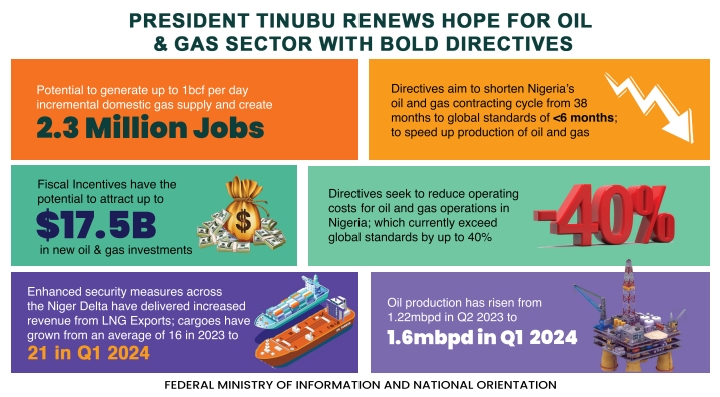

Vehicles Crowd CNG Station at UNILAG
COCSON Against 20% NCDMB Research Fund Deduction

Nigeria Loses N4.65tn Revenue in H1 as Oil Output Trails 1.84mbpd Budget Benchmark

Don Jazzy’s Father Announces New Single
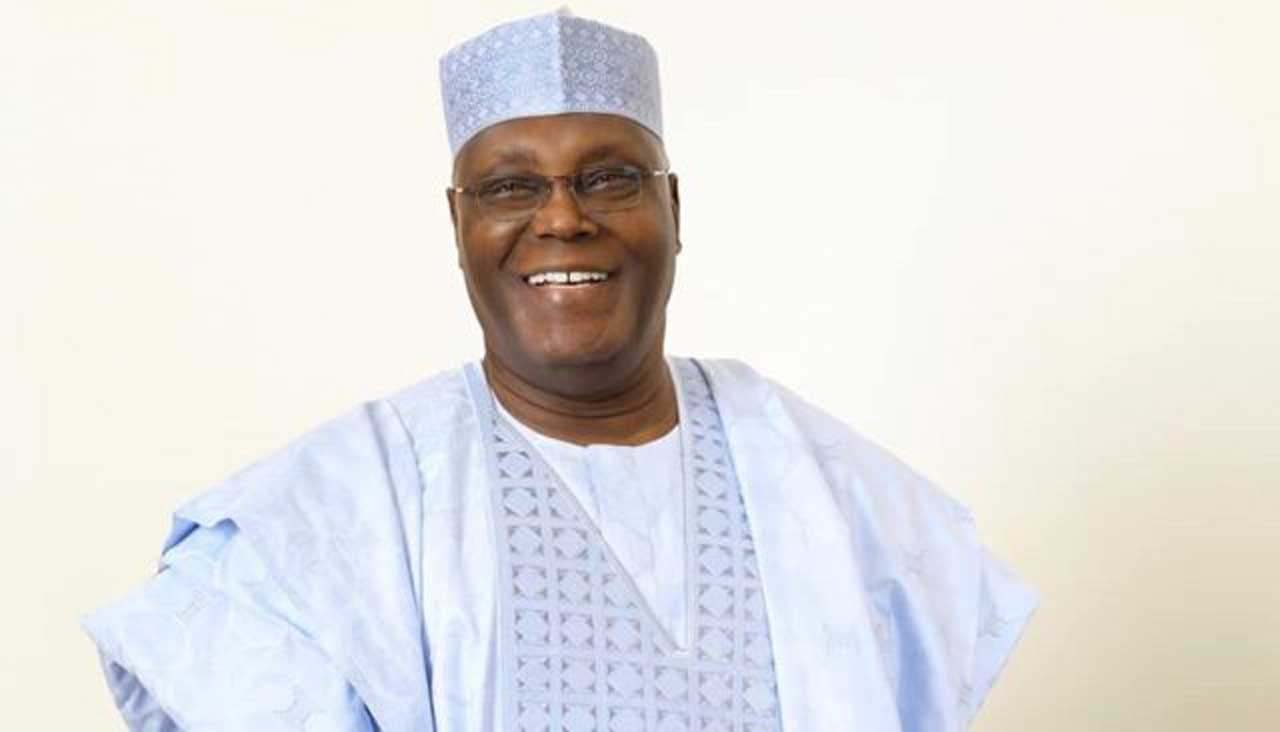
Atiku Blasts Tinubu Over ₦842bn Energy Bill, Says Nigerians Can No Longer Afford Homes

Shettima Mourns Pete Edochie, Says Africa Has Lost a Custodian of Cultural Memory

Trump’s Family Unveils New Cryptocurrency Platform
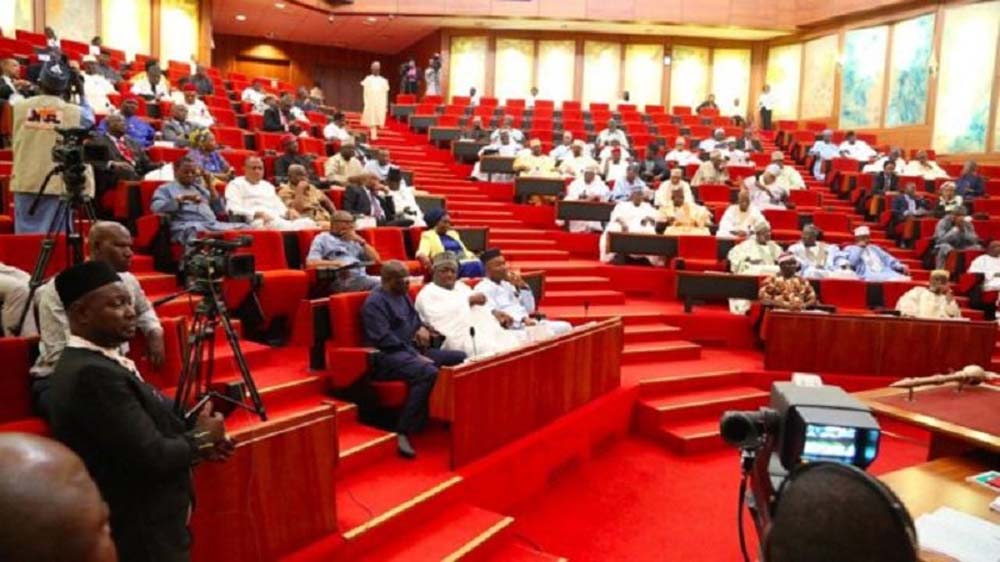
Senate Denies Receiving Petitions Against Tinubu’s Ambassadorial Nominees

Dangote Cement Lights Up Benue Host Communities With CSR Initiatives

Reps Recommend 3-year Jail Term For Aviation minister

Tems Sets New Record On Billboard Hot 100 Chart
v9jmjk