
NEWS
Kaduna Gov’t Launches Free Bus Service For Civil Servants, Students

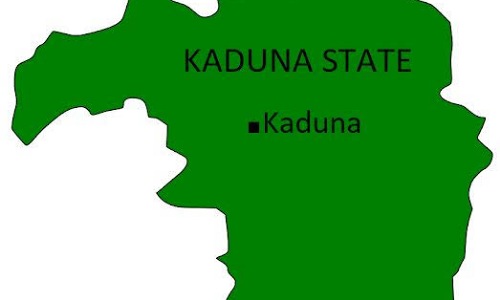
In a bold move to ease the burden of transportation costs, the Kaduna State Government has announced the commencement of a free bus service for civil servants, retirees, and students under its Subsidised Transport Scheme (KSTS).
The initiative is set to kick off on Monday, July 7, 2025, and will run for an initial period of six months.
The Director-General of the Kaduna State Transport Regulatory Authority (KADSTRA), Mr. Inuwa Ibrahim, disclosed this in a statement issued on Sunday in Kaduna.
READ MORE: Tinubu Not To Blame For North’s Challenges – Ex-Kaduna Speaker
According to Ibrahim, the programme is part of Governor Uba Sani’s administration’s efforts to alleviate the cost of living for residents across the state.
The scheme will cater to students in both public and private institutions from primary to tertiary level alongside government employees and retirees.
“Civil servants will be granted access to the buses upon presentation of valid staff identity cards and matching National Identification Numbers (NIN),” Ibrahim stated.
“Students must appear in full school uniforms, while personnel of recognised security agencies can also benefit with proper identification.”
He added that after the initial six-month period of free service, the government plans to introduce a 60% fare subsidy for the general public.
Routes and Security Measures
The buses will operate along three designated routes, namely:
Route One: Rigachikun – Kawo Kasuwa – Sabo – Sabo Kasuwa – Kawo – Rigachikun
Route Two: Rigachikun – Kawo – Independence Way – Yakowa Road (return route same)
Route Three: Tudun Wada – Poly Road – Sokoto Road – Kawo (and back)
Ibrahim emphasized the importance of orderliness and discipline among commuters, urging users to avoid rushing or jumping queues.
Law enforcement personnel will be deployed to maintain decorum and ensure smooth operations.
It will be recalled that President Bola Tinubu, during his recent visit to Kaduna on June 19, 2025, inaugurated 100 Compressed Natural Gas (CNG) buses at the Murtala Mohammed Square, a move that significantly bolsters the state’s public transport capacity.







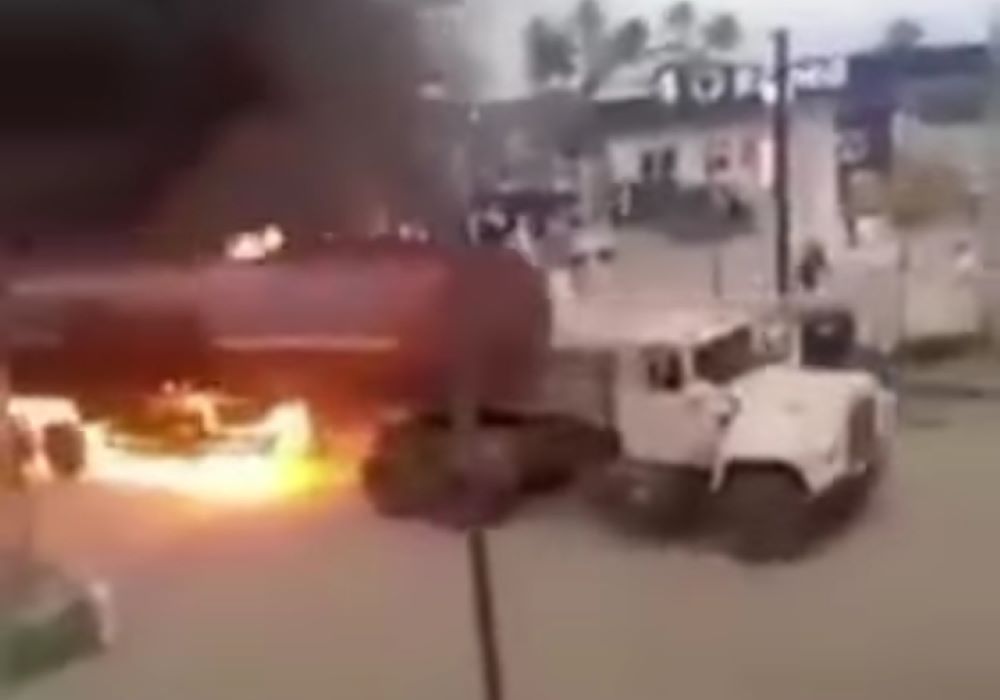
A road accident, involving a tanker truck conveying petroleum products opposite the Odukpani Local Government Secretariat, Cross River State, ignited a fire, leading to the destruction of several shops and affecting vehicles.
These transpired on Sunday, when the tanker accidentally overturned which led to the fire that spread to nearby shops and buildings.
Fortunately, the tanker driver was rescued and taken to a hospital for medical attention.
Confirming the incident, the Cross River State Police Command said that officers from the Odukpani Division were deployed to the scene to secure the area and prevent further harm.
The Command said the Fire Service had also been alerted and was expected to deploy personnel to contain and extinguish the fire.
READ ALSO: Musa Francis, Akanbi Aderonke win 2026 Abeokuta 10km Race
As of the time of filing this report, no death has been confirmed.
However, the police said a number of shops and vehicles had been affected by the inferno.
The Command urged residents and motorists to keep away from the immediate area and allow emergency responders unhindered access to the scene.
It also advised members of the public to exercise caution around the area because of the risk posed by the burning petroleum tanker.
The Police Public Relations Officer, ASP Eitokpah Sunday Akata, said further updates would be released as verified information became available.
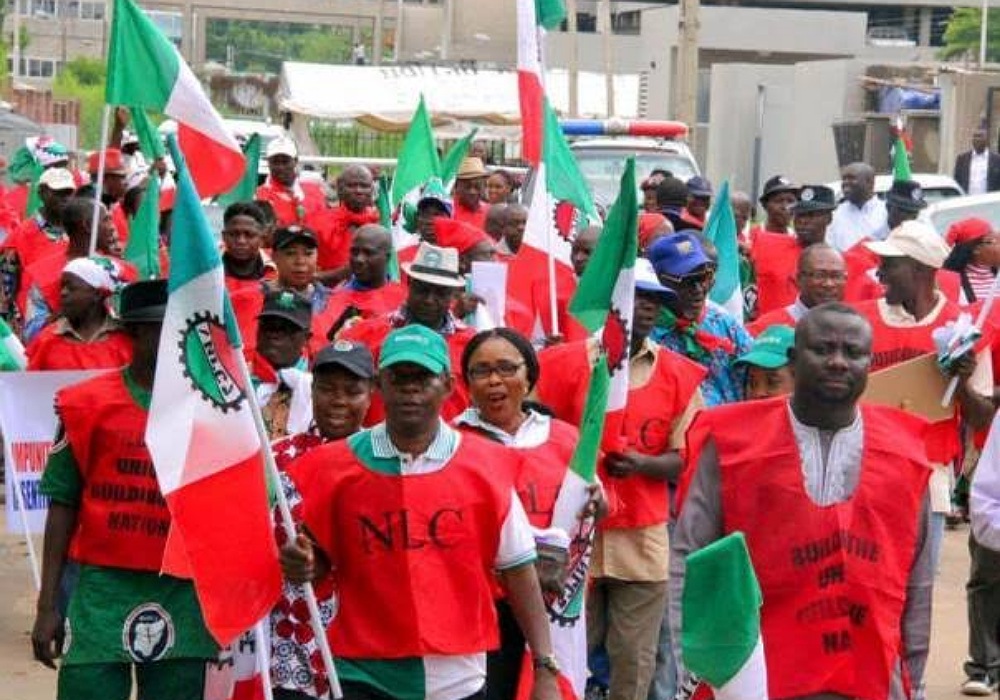
Nigeria Labour Congress (NLC) President, Joe Ajaero, has accused the administration of President Bola Tinubu of failing to meaningfully engage with organised labour, alleging that the government has remained aloof despite repeated attempts to open dialogue.
Ajaero made the remarks during an appearance on the Mic On Podcast, where he spoke about the relationship between the labour movement and the Federal Government over the past few years.
According to the NLC president, the government has not been engaging with labour and only responds when workers and other groups take steps to force its attention.
SEE ALSO: Spike in Petrol Price Moves NLC to Demands Emergency Palliatives
“For the past two, three years, you know, it’s not a government that is engaging. This government doesn’t engage,” Ajaero said.
He described the administration as “aloof”, stressing that meaningful engagement had been lacking between the government and organised labour.
Ajaero recalled that the NLC had, by December 17, 2025, announced plans to take its grievances to the streets after months of attempts to communicate with the President.
He said the labour movement had written to President Tinubu from June through December but received no response.
“Well, by December 17th, 2025, we pulled out that we are going to the streets. After writing a letter from May, sorry June, to December to Mr. President and there was no response,” he said.
According to him, the planned action eventually led to the intervention of some state governors, who facilitated an interface between labour and the government.
He said the intervention became necessary after other channels of communication, including the office of the Minister of Labour, had failed.
“Because the whole channel—whether through the Minister of Labour or any other office—failed, collapsed. So some governors met with us, and since that time we have talked once or twice,” Ajaero said.
However, the NLC president suggested that the situation had not significantly improved, alleging that the issues raised by labour since December had largely been left unresolved.
“And those issues… December last year to now, they’re just doing their business. Everybody is their enemy,” he added.

The Nigeria Police Force has disclosed a series of operational successes recorded across eight states, including the rescue of kidnapped victims, the recovery of firearms and rocket launchers, the repulsion of bandit attacks and the arrest of suspects linked to armed robbery and murder.
The Force made the disclosure on Saturday, October 3, 2026, in its 24-hour operational update covering security operations recorded on October 2 and related reporting periods.
SEE MORE: Alcohol Encourages Banditry, Destroys The Future Of Our Children — NAFDAC
According to the Police, the operations were recorded in Sokoto, Benue, Katsina, Ogun, Taraba, Cross River and Oyo states.
Sokoto: Police Foil Bandit Attack, Recover Rocket Launchers
In Sokoto State, Police tactical teams, the Anti-Kidnapping Unit and the Violent Crime Response Unit (VCRU) engaged suspected bandits who attacked Tsabre Village.
The Police said the attackers were overpowered and fled into the forest with casualties.
A subsequent bush-combing operation led to the recovery of two rocket launchers, two empty AK-47 magazines, a Tecno keypad phone, a torchlight, an army jungle hat, a sweater cap, five pairs of sandals and a rain jacket.
The Police said no casualty was recorded on its side.
Katsina: Bandits Repelled on Funtua-Zaria Road
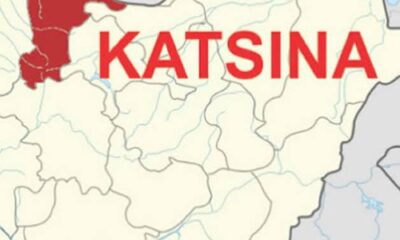
In Katsina State, a joint team comprising VCRU, 83 Police Mobile Force (PMF) and other tactical operatives engaged suspected heavily armed bandits who reportedly blocked the Funtua-Zaria Road and opened fire on commuters.
The Police said the attackers were repelled and traffic flow was restored along the road.
Four injured commuters were evacuated for medical treatment.
The incident is being investigated by the SCID, Katsina.
Ogun: Police Rescue Nine Kidnapped Travellers
In Ogun State, the Police disclosed the rescue of nine travellers who were kidnapped on September 29, 2026, by armed men along the Benin-Sagamu Expressway.
According to the Force, the victims were released unharmed following sustained pressure mounted by the Police and sister security agencies.
“Their statements were taken and they were reunited with their families,” the Police said.
The case is being investigated by the SCID, Abeokuta.
Katsina: Four Kidnap Victims Rescued
The Police also reported the rescue of four kidnapped victims in Katsina State, as reflected in its consolidated operational returns for the reporting period.
The Force said the matter was being investigated by the SCID, Katsina.
Oyo: Three Arrested Over Alleged Robbery, Murder
In Oyo State, operatives of the VCRU arrested Akinrinola Oluwatobi, 28; Okunola Mathew, 24; and Ibrahim Rabiu, 23, in connection with the alleged armed robbery and murder of Mrs Wahab Rukayat.
The Police said the suspects were arrested following credible intelligence after operatives raided a criminal hideout in the Sabo area of Ibadan.
An iPhone 7 Plus belonging to the deceased was reportedly recovered during the operation.
The Force further stated that the complainant identified the suspects during an identification parade and that they confessed to the crime.
The case is being investigated by the SCID, Ibadan.
The Police said the various operations formed part of its ongoing efforts to combat banditry, kidnapping, cult-related activities, armed robbery and other crimes across the country.






Global Oil Market Gets Breather from G7 Oil Release
Petrol Tanker Fire Ravages Houses, Vehicles in Calabar
Tinubu Gov’t Does Not Engage, Everybody Is Its Enemy — Ajaero

Musa Francis, Akanbi Aderonke win 2026 Abeokuta 10km Race

Police Report Nationwide Operations, Rescue Kidnap Victims, Recover Weapons in 5 States

Police Rescue Three Kidnap Victims in Taraba After Sustained Pressure

Trump’s Family Unveils New Cryptocurrency Platform

Senate Denies Receiving Petitions Against Tinubu’s Ambassadorial Nominees

Dangote Cement Lights Up Benue Host Communities With CSR Initiatives

Reps Recommend 3-year Jail Term For Aviation minister

Tems Sets New Record On Billboard Hot 100 Chart
