
International News
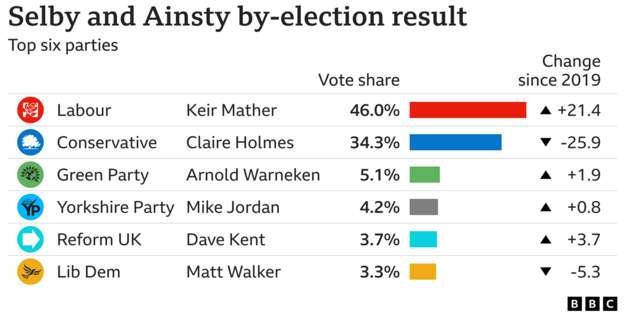
Labour Party Wins Selby And Ainsty Byelections In UK


A 25-year-old was elected to parliament after the Labour party defeated the Conservatives in Selby and Ainsty, overcoming a 20,000-vote Conservative majority.
However, Keir Starmer’s party fell short in Boris Johnson’s former constituency of Uxbridge and South Ruislip.
The only silver lining in Rishi Sunak’s otherwise gloomy night was the Conservatives’ 495-vote victory in the outer London seat.
Following David Warburton’s resignation due to a controversy, the Liberal Democrats easily won in Somerton and Frome.
Sarah Dyke, the South Somerset district council’s cabinet member for the environment, defeated the Conservatives with a margin of 11,008 votes.
The Green party came a distant third in all three byelections.
Greg Hands, the Conservative chair, said the party was disappointed by the Selby result, arguing this was “driven largely by Conservative voters – previous Conservative voters – staying home”.
While the overall byelection results spell bad news for the Tories – polling expert ProfSir John Curtice said the party was “deep electoral trouble” – Labour’s delight was tempered by its failure to take Uxbridge.
Labour figures blamed the decision of the London mayor, Sadiq Khan, to extend the ultra-low emission zone (Ulez) pollution scheme to outer areas of the city, including Uxbridge, the key Tory campaign in the area.
Labour’s deputy leader, Angela Rayner, hinted that the party thought Khan should rethink the policy.
She to BBC Breakfast: “I think one of the things we have to reflect on today is not only the mood against the Tories, but also the decision in Uxbridge was related to Ulez.
“The Uxbridge result shows that when you don’t listen to the voters, you don’t win elections.”
Ed Davey, the Liberal Democrat leader, said the party’s win in Somerton and Frome showed it was “firmly back in the West Country”.
Selby’s new MP is 25-year-old Keir Mather, a former researcher for the shadow health secretary, Wes Streeting, who was named after the first leader of the Labour party, Keir Hardie. Mather won by 4,161 votes.
Mather will become the “baby of the house” as the youngest MP in the Commons. In his victory speech, he said that “thousands of votes were in Labour’s box for the first time” and declared: “In this campaign we have rewritten the rules on where Labour can win.”
Starmer said: “This is a historic result that shows that people are looking at Labour and seeing a changed party that is focused entirely on the priorities of working people with an ambitious, practical plan to deliver.
“Keir Mather will be a fantastic MP who will deliver the fresh start Selby and Ainsty deserves.”
Labour had been expected to comfortably win Uxbridge, where Johnson’s majority had dwindled to 7,210 in the 2019 general election – his first as prime minister.
There was sufficient disbelief in the Labour camp that they had not in fact won the byelection that party officials demanded a recount. The second round delivered the same result: a slim Conservative victory.
Former postman Steve Tuckwell, the local Conservative councillor who will take Johnson’s place in Westminster, had said the vote was a “referendum” on Ulez.
In his victory speech, Tuckwell referenced the mayor of London’s decision to expand the zone, where people have to pay a £12.50 daily fee to drive if their car does not meet emission standards. “Sadiq Khan has lost Labour this election,” said Tuckwell.
Labour has gained two seats in byelections since the 2019 general election, after its 2022 win in Wakefield.
Labour’s win in Selby exceeds both the national 12-point swing the party needs for an overall majority at the next general election and the 16-point swing suggested by recent polls.
According to Dr. Hannah Bunting and Prof. Will Jennings, election analysts for Sky, Gaining Selby establishes a record for the magnitude of majority overturned by Labour during a byelection.
In Mid Staffordshire more than 30 years ago, the party defeated the biggest majority at a byelection by 14,654 votes.
The three byelections saw the largest turnout in Uxbridge and South Ruislip, where 46.11% of voters participated. In Selby, it was 44.77%, and in Somerset, it was 44.12%.






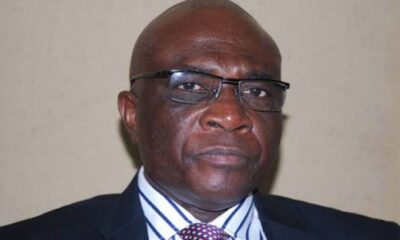




Federal agents raided the Washington, D.C., home of Democratic Congresswoman Ilhan Omar early Monday morning as part of an ongoing federal criminal investigation, the United States Department of Justice (DOJ) has confirmed.
Homeland Security Investigations agents arrived at the Minnesota congresswoman’s residence at about 6:00 a.m. Eastern Time, according to a report by Fox News.
SEE MORE: Trump Sparks Outrage With Shock Proposal to Rename New Mexico
The report said both the Department of Homeland Security (DHS) and the DOJ are involved in the investigation.
A DOJ spokesperson confirmed the operation, stating: “Today in the Washington, D.C. area, Homeland Security Investigations executed a judicially authorized search warrant secured by the Department of Justice.”
The spokesperson added: “This enforcement action is part of an ongoing federal criminal investigation.”
Details later……….
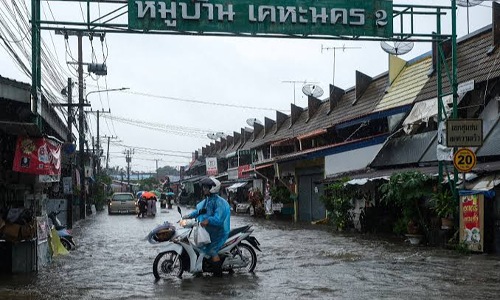
Heavy rains have triggered severe flooding across parts of Bangkok, Thailand, forcing nearly 4,900 residents to evacuate to shelters as floodwaters swept through roads and residential areas.
The flooding has disrupted movement across parts of the Thai capital, with motorists and pedestrians forced to navigate submerged roads and seek alternative routes.
SEE ALSO: NAFDAC Warns Nigerians As Fake Cowbell Milk Floods Market
According to the Bangkok Metropolitan Administration, about 52,000 households have been affected by the flooding, prompting authorities to declare a flood disaster and intensify emergency response efforts.
Emergency teams have been deployed to assist affected communities and move residents from vulnerable areas to safer locations as water levels rise.
Bangkok is accustomed to seasonal heavy rainfall, but intense downpours can overwhelm drainage systems, particularly in low-lying areas, resulting in widespread flooding and disruption.
Authorities are continuing to monitor affected locations while coordinating evacuations and other emergency measures.
For thousands of residents, the immediate priority remains securing safe shelter and protecting homes and livelihoods as authorities work to manage the situation and restore normal activities once the floodwaters recede.

US President Donald Trump has explained his decision to reject Iran’s latest proposal to reopen the Strait of Hormuz, saying Tehran was seeking an agreement because it was losing revenue.
Speaking to reporters at the White House, Trump said Iran wanted to immediately reopen the strategically important waterway but argued that the proposal was not acceptable to his administration.
“They want to make a deal, and I think that’s fine. I like making a deal, too, but that deal would not be acceptable,” Trump said.
SEE ALSO: How the Strait of Hormuz Attack Could Trigger a Fresh Global Oil Shock
According to the US president, Iran’s push to reopen the strait was driven by the economic pressure it was facing.
“What they want to do is immediately open the Hormuz Strait. Do you know why? Because they are dying,” Trump said.
“You know why they’re dying? Because they have no money coming in, because they get their money from the Hormuz Strait.”
Trump also claimed that the US had established an unprecedented naval blockade against Iran, describing it as “a wall of steel.”
“So they outsmarted themselves. We put up the greatest blockade ever in military history. It’s a wall of steel,” he said.
“And guess what? They don’t have any money now because they wanted to close the strait.”
The Strait of Hormuz is a major global energy shipping route, and disruption to traffic through the waterway has significant implications for international oil markets and countries that depend on energy imports.
Trump’s remarks came amid continued tensions between Washington and Tehran over the reopening of the strategic waterway and negotiations involving Iran.






Protest Against Oil Company’s Vessel in Rivers Takes 10 Lives

FRSC Warns Drivers After Brake Failure Kills Two in Kano Crash

AAC Seeks Tinubu’s Approval, Logistical Support for 5,000 at Campaign Event

Renaissance, Sterling Bank Back Indigenous Oil and Gas Contractors Financially
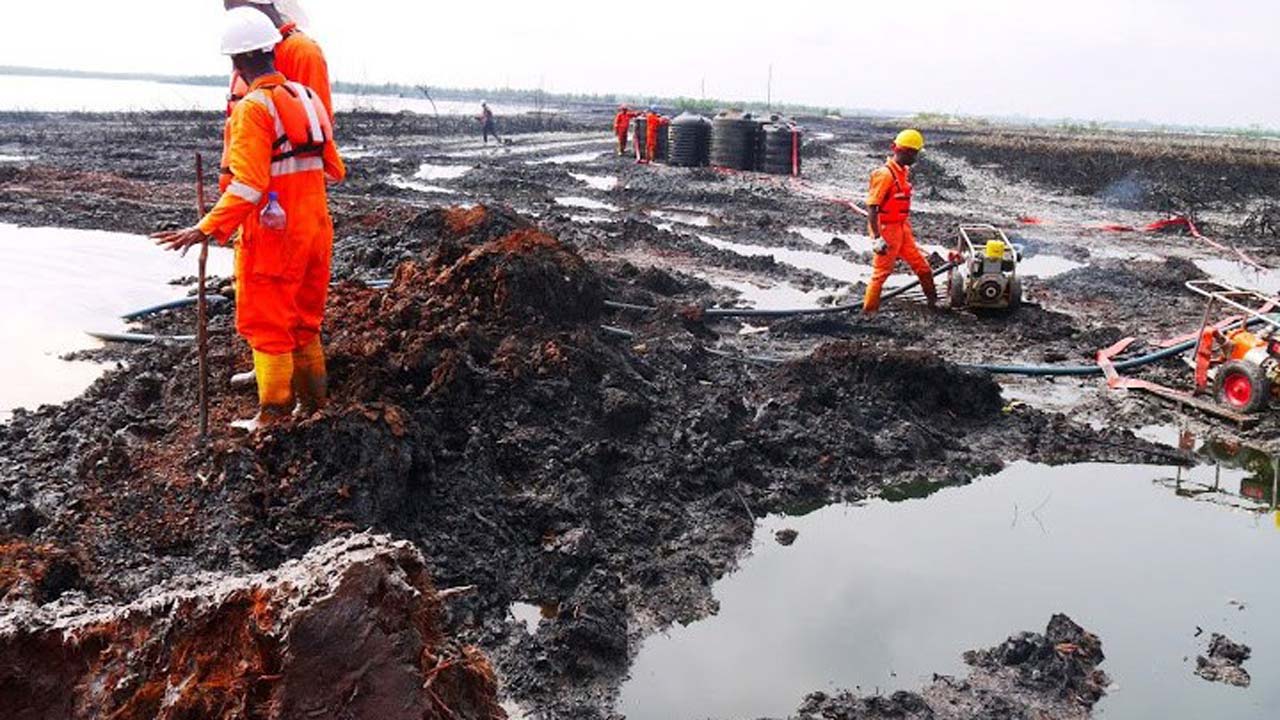
Group Demands Fair Share of NNPC Jobs for Ogoni Oil Exploration

NNPC Ltd Exploration Spending Down 87%

Trump’s Family Unveils New Cryptocurrency Platform

Senate Denies Receiving Petitions Against Tinubu’s Ambassadorial Nominees

Dangote Cement Lights Up Benue Host Communities With CSR Initiatives

Reps Recommend 3-year Jail Term For Aviation minister

Tems Sets New Record On Billboard Hot 100 Chart
