
Energy
LARA BANJOKO, CEO Zone 4 Energy, to speak at SITEI 2015


LAGOS, – Zone 4 Energy, one of Nigeria’s fast growing indigenous oil & gas brands, is proud to announce that its Chief Executive Officer, Lara Banjoko, has accepted to speak at the 4th Sustainability in the Extractive Industries (SITEI) conference, scheduled to take place in Lagos, on 23rd October, 2015.
SITEI is organised by Nigeria’s foremost sustainability firm, CSR-in-Action, to enlighten, inspire and progress socio-economic performance in the Mining, Oil and Gas industries. This 4th Edition is themed, “Unlocking Hidden Potentials in the Extractive Industries.’’
Remarking on her invitation, Lara Banjoko, CEO of Zone 4 Energy Limited, said, “I am delighted to once again be one of the speakers at this venerated conference. Last year’s edition was instructive on the capacity of Nigerians to grow the oil and gas industry indigenously through skills acquisition and capacity development. I look forward to the escalation of discourse to embrace the youth and women in the development of the extractive industries.’’
Zone 4 Energy will be represented at this year’s conference by its subsidiary, Zone 4 International Services, an integrated hydrocarbon waste management company offering holistic professional haulage, logistics, treatment and disposal of all waste streams emanating from oil and gas exploration and production activities. “We have a commitment to sustainable practices and responsible management of resources in the extractive industries, our major remit at Zone 4 International Services is the management of waste from oil exploration activities, we have extended this to participating in SITEI this year,” Lara Banjoko added.
Bekeme Masade, Executive Director of CSR-in-Action, expressed her delight in Lara Banjoko’s participation in this year’s SITEI conference, stating, “At CSR-in-Action, we are particularly elated when contributors to previous SITEI conferences, continue to participate in future events.”
“Lara Banjoko will be joining an already robust and growing list of panelists such as immediate past Chair, Shell Companies in Nigeria, Mr. Mutiu Sunmonu; Deputy Group Chief Executive, Oando PLC, Mr. Omomafe Boyo; the German Consular General in Lagos, and Prof. Steven Vertigans of the Robert Gordon University, Aberdeen, United Kingdom. And we are on track to engage a diversity of stakeholders in mining, oil & gas for sustained national and development.
Lara Banjoko will lead the Executive Management teams of both Zone 4 Energy and Zone 4 International Services to the conference.
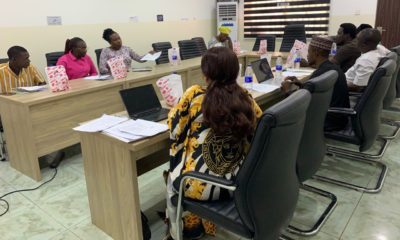


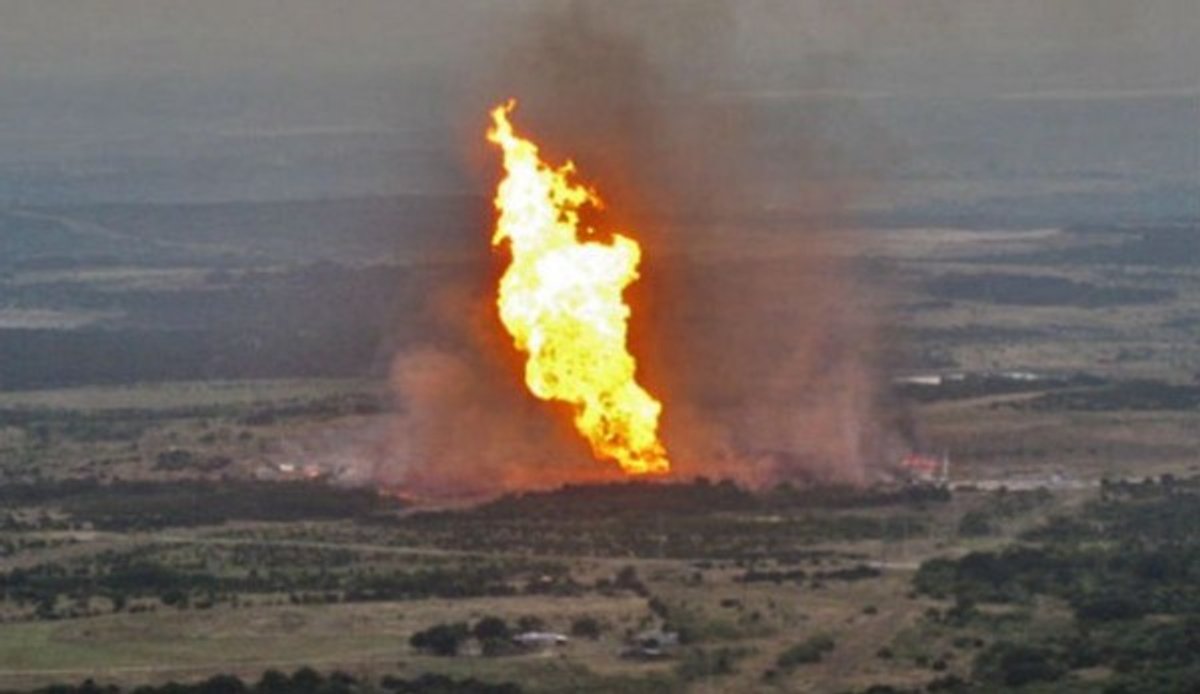
The Niger Delta Youths are primed to assume national responsibilities in critical areas of the economy by protecting vital oil and gas assets in the region.
The United Niger Delta Congress (UNDC) gave the assurance at a media briefing in Abuja, over the weekend, adding that the youths of Niger Delta were ready to work with the federal government in this regard.
The group maintained that youths in the region have shown that such responsibilities, including the security of pipelines, can be entrusted to them.
Speaking at the news conference, Niger Delta Youth activist, Mallam Julius Obi, said the Niger Delta is safer while the nation’s crude is flowing based on the fact that youths in the region are doing the job.
He said that being a youth should not be a disqualification from strategic national assignments but when matched with preparation and character, a national asset.
“We are calling on the federal government to note that Nigeria is full of young men and women who are prepared, disciplined and ready to carry out national responsibilities.
“We urge the federal government to keep opening the doors of strategic national service to young Nigerians who have earned trust the only way it can be earned, by delivery,” Obi said.
READ ALSO: JUST IN: Ex-Delta Governor Emmanuel Uduaghan Is Dead
The group commended President Bola Tinubu for sustaining the security reforms in the oil and gas industry and the the National Security Adviser (NSA), Mallam Nuhu Ribadu, for coordinating the protection of the nation’s pipelines, and the management of NNPCL for providing the enabling environment.

Joseph Ambakederimo, convener of the South-South Reawakening Group, has questioned the accountability of Nigeria’s crude oil forward sales, demanding clarification on the volume of crude lifted, outstanding balances and the use of upfront payments.
Speaking during an interview on Arise TV on Sunday, Ambakederimo expressed concern over the monitoring of crude oil transactions, questioning who was responsible for tracking deliveries and providing feedback on the arrangements.
“We don’t even know who is monitoring and giving us the feedback of the barrels of crude that have been lifted on forward sales basis,” he said.
SEE MORE: South-South Group Opposes Coastal Road Alignment With East-West Road
He challenged the Nigerian National Petroleum Company Limited (NNPC) to provide details of the transactions, including the quantity of crude already lifted, the outstanding balance and whether the agreed deliveries had been completed.
“Today, can we get this from NNPC? How much have they lifted? What is the balance remaining? Have they been completed?” he asked.
Ambakederimo also questioned how the money collected upfront under the arrangements had been spent, demanding an explanation of its use.
“That money that was collected upfront, what was the use of the money? Can you justify it?” he asked.
He argued that Nigeria should make better use of its natural resources to accelerate infrastructure development and improve living conditions.
Citing land reclamation projects in the United Arab Emirates, Ambakederimo said Nigeria could explore similar opportunities to create additional land for residential and other developments.
He recalled seeing a signpost while travelling from Dubai to Abu Dhabi describing a project to reclaim land from the sea, using the example to highlight the development possibilities he believes Nigeria could explore.
The South-South Reawakening Group convener also argued that Nigeria could reclaim land in suitable areas, provided environmental concerns were properly managed.
He called for the country to translate its natural resource wealth into infrastructure and improved living conditions, stressing the need for greater accountability in crude oil transactions.
Oil output from the United Arab Emirates (UAE) rose to record levels in September, underscoring its resilience even amidst the Middle East crises and liberation from OPEC+ limits.
The International Energy Agency (IEA) issued the data in its monthly report, adding that Abu Dhabi raised total oil production, including condensates, by 400,000 bpd to 5.3 MMbpd.
According to the IEA, the UAE bolstered crude output to more than 4.4 MMbpd, nearing its maximum capacity, which surpasses the previous highs for total oil in August, and crude oil in June.
READ ALSO: Africa’s Energy Security Conversations Pull Industry Executives Together
The UAE has been one of the most successful among regional producers in restoring flows through the Strait of Hormuz, by drawing on a fleet of tankers to discreetly shuttle cargoes through the chokepoint and then transfer them onto other vessels. In addition, the country’s decision to leave the Organization of the Petroleum Exporting Countries (OPEC) as of May has freed it from the group’s output caps, a source of frustration for years.
Its gains contributed to a wider recovery in flows from Gulf producers, which reached more than 75% of pre-war levels in September, led by Saudi Arabia, according to the Paris-based IEA.
Still, it’s unclear how far the regional rebound has withstood a new wave of Iranian attacks on tankers transiting Hormuz, and escalating hostilities carried out by the Houthi rebel faction in Yemen.
The UAE depleted its observable above-ground inventories at a record pace of more than 270,000 bpd in September, drawing them to an all-time low, according to the IEA.





FG to Launch National Lead Poisoning Prevention Plan Wednesday

EndSARS Memorial: ‘Nigerians Still Deserve Answers’ – Atiku

EndSARS Memorial: ‘We Must Never Normalise Injustice’ – Peter Obi
Petrol Price Hike Looms as Oil Hits $110/barrel

NIPCO Gas Licences, NNPC Ltd Management Face Reps Probe
UNDC Assures on Readiness to Protect Oil, Gas Pipelines

Trump’s Family Unveils New Cryptocurrency Platform

Senate Denies Receiving Petitions Against Tinubu’s Ambassadorial Nominees

Dangote Cement Lights Up Benue Host Communities With CSR Initiatives

Reps Recommend 3-year Jail Term For Aviation minister

Tems Sets New Record On Billboard Hot 100 Chart
