
Energy
NALPGAM Preaches Innovation, Safety to LPG Operators

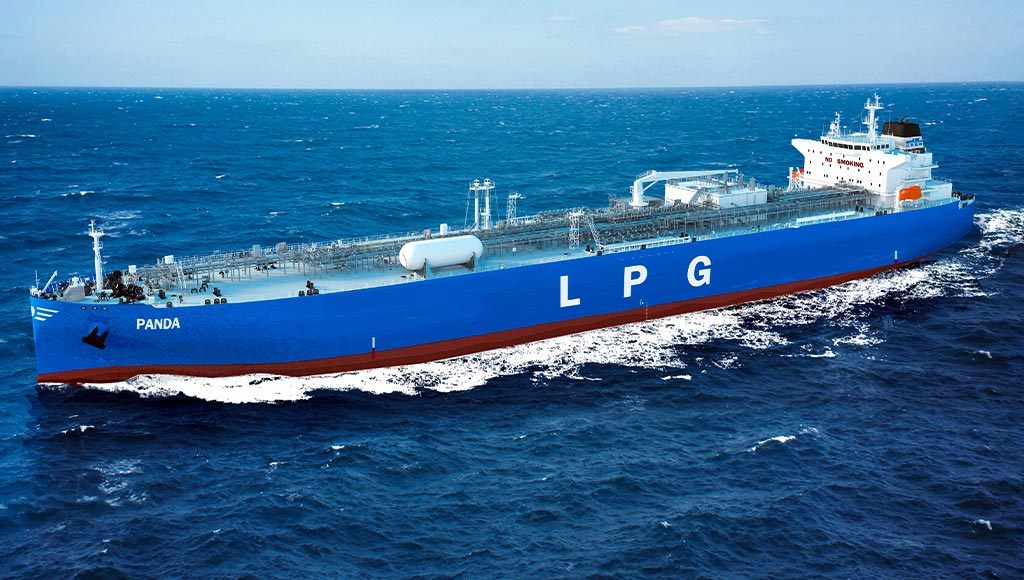
The Nigerian Association of Liquefied Petroleum Gas Marketers (NALPGAM) has urged operators in Nigeria’s liquefied petroleum gas (LPG) industry to strengthen safety standards, improve regulatory compliance and adopt digital technologies to reduce operational losses and drive business growth.
The association said improved operational practices would help protect investments, enhance efficiency, build consumer confidence and support the sustainable expansion of C.
The call followed its 2026 webinar, themed “Downstream LPG Operational Excellence and Compliance,” which brought together industry operators, regulators and other stakeholders to discuss safety risks, market volatility, operational inefficiencies and regulatory requirements in the downstream LPG sector.
Speaking at the event, NALPGAM National President, Edu Inyang, said the industry’s long-term growth would depend on more than increased consumption and supply volumes, stressing the need to embed safety and operational efficiency in everyday business practices.
“The future of Nigeria’s LPG industry cannot be achieved by increasing volumes alone. We must grow safely, responsibly, efficiently and sustainably. Safety is not an occasional campaign; it must become a continuous industry culture,” he said.
READ ALSO: Tinubu Promises to Boost Local Production with NNPC Refineries
A major outcome of the webinar was a proposal for a NALPGAM Standard of Operational Excellence, anchored on four principles: safe and well-maintained facilities, competent and adequately trained operators, regulatory-compliant processes, and consumer protection.
Participants urged operators to integrate safety into routine operations, strengthen preventive maintenance and comply with licensing and incident-reporting requirements.
They also called for an end to unsafe practices, including unauthorised propane blending and illegal decanting, warning that such activities could expose businesses and consumers to avoidable risks.
Inyang said compliance should be viewed as a means of strengthening business performance rather than merely fulfilling regulatory obligations.
“Compliance is not merely a regulatory burden; it is a business advantage. Well-managed LPG operations reduce accidents, improve efficiency, protect investments and strengthen public confidence in our industry,” he said.
The webinar also highlighted the role of digital technologies in improving operational efficiency and accountability across the LPG value chain.
Participants identified smart filling systems, automated tank gauges, load cells, flow meters and vehicle-tracking systems as practical tools for monitoring product movements, reducing losses and improving inventory management.
Wider adoption of these technologies, they said, could help operators strengthen operational controls, minimise discrepancies and improve the reliability of LPG distribution.
The discussions come as Nigeria seeks to expand LPG consumption to approximately five million tonnes annually by 2030, a target that will require increased investment, stronger distribution networks and wider consumer access.
Stakeholders called for greater industry participation in the Decade of Gas LPG penetration programme, alongside stronger collaboration to expand access, improve cylinder traceability and promote certified local manufacturing.
The NALPGAM also urged regulators and programme coordinators to involve its members more actively in implementing LPG penetration and cylinder recirculation initiatives.
According to the association, its members’ nationwide presence and proximity to consumers could help improve the reach and effectiveness of programmes designed to increase LPG adoption.
Reiterating the association’s position, Inyang said the industry must establish clear operational standards that protect consumers while supporting efficient and sustainable business practices.
“Our aspiration is clear: every LPG facility must be safe and properly maintained, every operator competent and adequately trained, every process compliant, and every customer protected. This is the standard of operational excellence we must collectively pursue,” he said.
The NALPGAM reaffirmed its commitment to working with government agencies, regulators and industry stakeholders to develop a safer, more efficient and competitive LPG market.
The association maintained that embedding safety, strengthening compliance and deploying appropriate technologies would be critical to improving operational performance and supporting the long-term growth of Nigeria’s LPG industry.



The Senate has confirmed the appointments of six Executive Directors of the Nigerian Midstream and Downstream Petroleum Regulatory Authority (NMDPRA).
The confirmation followed the consideration and adoption of a report by the Senate Committees on Petroleum Resources (Downstream) and Petroleum Resources (Gas), presented by Senator Suleiman Kawu (Kano South), on Tuesday.
Those confirmed for reappointment are Abiodun Adeniji, Executive Director, Finance and Accounts; Ogbugo Ukoha, Executive Director, Distribution Systems, Storage and Retailing Infrastructure; and Dr Mustapha Lamorde, Executive Director, Health, Safety, Environment and Community.
READ ALSO: Atiku Accuses Tinubu of Seeking Plateau’s Forgiveness Only for 2027 Votes
The three nominees approved for new appointments are Mobolaji Musa, Executive Director, Hydrocarbon Processing Plants, Installation and Partnership; Ogechukwu Modie, Executive Director, Economic Regulation and Strategic Planning; and Said Abutalib, Executive Director, Corporate Services and Administration.
The confirmation followed a request by President Bola Tinubu to the Senate to screen and confirm the appointments of the executive directors and the Secretary of the NMDPRA Board.
Tinubu’s request was conveyed in a letter addressed to Senate President Godswill Akpabio and read during plenary last week.
The sum of $1.5 billion was raised to finance the Ajaokuta-Kaduna-Kano (AKK) Gas Pipeline Project, on the basis of the projected throughput from the facility.
The Nigerian National Petroleum Company Limited (NNPC Ltd) made the disclosure, as the state oil major moves towards completing the 614-kilometre infrastructure designed to expand gas supply across northern Nigeria.
Group Chief Executive Officer of the NNPC Ltd, Bashir Ojulari, stated this in an interview with the News Agency of Nigeria (NAN) in Abuja at the weekend, explaining that the financing was secured solely on the basis of anticipated gas transportation volumes through the pipeline.
According to Ojulari, the mainline section of the project had been completed, with overall execution reaching 95 percent, while the outstanding 5 percent involved completing some stations and connecting the pipeline to end-users.
READ ALSO: Axxela Expands Ogun Gas Network with New 17km Pipeline
He said the company was targeting the delivery of gas to Abuja before the end of 2026, with Kaduna and Kano expected to receive supplies in 2027.
“The AKK gas pipeline, all the way from Ajaokuta, Kaduna to Kano, the main pipeline has been completed. The remaining 5 percent has to do with some of the stations where we need to then link offtakes from the main pipeline to users.
“We are hoping that before the end of the year, we will get the gas to Abuja, which is the first step, and by 2027 we will get the gas to Kaduna and Kano,” Ojulari said.
The $1.5 billion financing is significant as it demonstrates the potential of the country’s gas transportation infrastructure to attract funding based on projected commercial flows, rather than relying exclusively on conventional government-backed financing.
Ojulari said the pipeline would support power generation, factories, data centres and industrial hubs, while also improving the availability of Compressed Natural Gas (CNG) across the northern region.
He explained that the completion of the mainline would make it easier to extend gas supply to additional locations, reducing the difficulty and cost associated with transporting gas from southern Nigeria to the North.
“We already solved the first line because we now have the Abuja power plant. As we move north and we build those connections, the CNG availability will increase phenomenally.
“But keep in mind that we still then have to go towards Maiduguri and Sokoto, right? So there’ll be more work to be done, but it’s now much easier than just taking gas from all the way from Port Harcourt to those locations,” he added.
The NNPC Ltd chief explained that although the main pipeline had been completed, additional infrastructure would be required to extend distribution to other northern locations, particularly Maiduguri and Sokoto.
The AKK project is a 40-inch, 614-kilometre pipeline system running from Ajaokuta in Kogi State to Kano, with associated intermediate and terminal gas facilities and other equipment designed to transport natural gas to industrial and other off-takers.
Its completion is expected to expand access to domestic gas, support electricity generation and provide feedstock for industries, while opening up opportunities for greater CNG penetration in northern Nigeria.

Transit Gas Nigeria Limited (TGNL), a subsidiary of Axxela Limited, has announced the successful commissioning of an additional 17km natural gas pipeline network in Ogun State.
Developed in partnership with NNPC Gas Marketing Limited (NGML), the pipeline extension runs from Ilishan to Ososa and the Sagamu-Benin Expressway, expanding the existing natural gas distribution network serving the area.
The project represents another milestone in Axxela’s commitment to expanding domestic gas utilisation and strengthening the energy infrastructure required to support industrial and commercial growth.
READ MORE: Shell Bags Best IOC Award at NAPE Confab
Commenting on the development, Moshood Olajide, Group Chief Executive of Axxela, emphasised the strategic importance of expanding natural gas infrastructure to bolster economic development.
“Reliable access to natural gas is a critical enabler of industrial productivity, commercial growth, and broader economic development. By expanding our distribution infrastructure in Ogun State, we are strengthening the foundation for businesses to access the energy they require to sustain operations, increase production capacity, and realise their growth ambitions.
This milestone also underscores the value of our partnership with NNPC Gas Marketing Limited in advancing critical gas infrastructure and deepening domestic gas utilisation in Nigeria,” he said. The expansion is particularly significant given Ogun State’s growing industrial clusters, and its position as a key hub for manufacturing, agro-allied and commercial activity. Improved access to piped natural gas offers businesses a cost-efficient, energy source.
As demand for reliable energy continues to rise, investments in natural gas distribution infrastructure will remain essential to enabling industrial development.
Through TGNL and its broader portfolio of subsidiaries, Axxela continues to advance Nigeria’s domestic gas market by bridging the gap between natural gas supply and demand through reliable infrastructure and innovative energy solutions.






Five Key Considerations When Choosing Nigeria’s President in 2027

Verdant Capital Wins Two Africa Global Funds Awards

Sunbeth Energies Expands, Unveils New Self-service Station in Ibadan
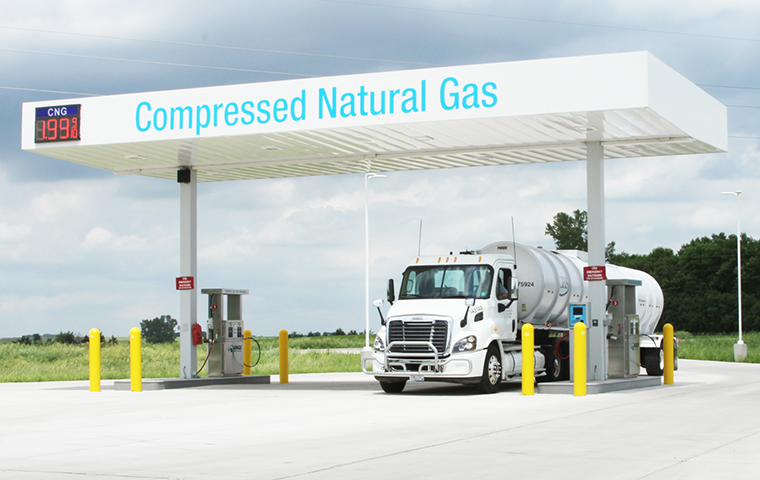
FG Eyes 167 CNG Stations as Investments Hit $2.6bn
NMDPRA Gets Senate Nod for Six Executive Directors

Asharami Synergy Kenya Eyes Connecting 10 Million Homes to Affordable LPG by 2028

Trump’s Family Unveils New Cryptocurrency Platform
Senate Denies Receiving Petitions Against Tinubu’s Ambassadorial Nominees

Dangote Cement Lights Up Benue Host Communities With CSR Initiatives

Reps Recommend 3-year Jail Term For Aviation minister

Tems Sets New Record On Billboard Hot 100 Chart
