Business
Tinubu Promises to Boost Local Production with NNPC Refineries

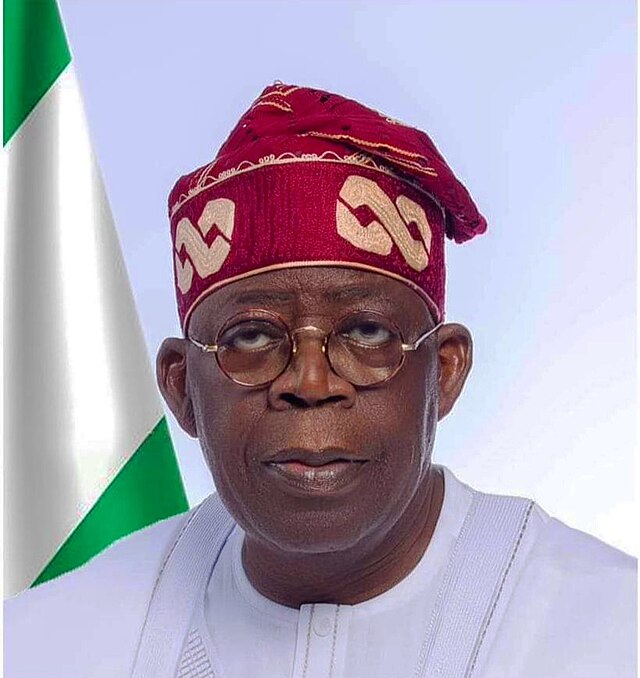
Given the growing capacity of private refiners and their impact on local supplies, Nigeria’s president, Bola Ahmed Tinubu has assured of his government’s commitment to rehabilitating and repositioning Nigeria’s dormant national refineries.
Represented by the Permanent Secretary of the Ministry of Petroleum Resources, Patience Oyekunle, at the 20th OTL Africa Downstream Energy Week in Lagos, on Monday, Tinubu revealed his government’s priorities for the petroleum industry.
He made it clear that the facilities will not be allowed to become stranded investments.
Recall that three government refineries, including the Port Harcourt, Warri and Kaduna refineries, being managed by the Nigerian National Petroleum Company Limited (NNPC Ltd), have been moribund despite billions of naira spent on turnaround maintenance over the years.
READ ALSO: NUPRC Sets Revocation Date for Undeveloped Oil Licences
Speaking at OTL conference, Tinubu said the government was pursuing a more rigorous and commercially sustainable approach to the rehabilitation of the national refineries, with technical assessments, stronger partnerships and improved operational discipline expected to guide the process.
“At the same time, the government remains committed to ensuring that existing national refining assets are not allowed to become stranded investments.
“We are pursuing a more rigorous, commercially sustainable approach to the rehabilitation and repositioning of our refineries, supported by technical assessment, stronger partnerships, and improved operational discipline,“ she stated.
Tinubu emphasised that the objective is to ensure Nigeria refines more of its crude and a fuel supplier to other nations.
“Our objective is clear. Nigeria must first refine more of its crudes, create more value domestically, and become a reliable supplier of energy to Africa,” he said.
The President’s position comes as Nigeria seeks to increase domestic refining capacity and reduce its historical dependence on imported petroleum products, despite having substantial crude oil resources.
He said the country was transitioning from an industry historically characterised by import dependence and infrastructure constraints to one increasingly driven by domestic refining, private investment, market efficiency, value addition and regional competitiveness.
According to him, the reforms introduced under the Petroleum Industry Act (PIA) are intended to create a transparent, commercially viable and investment-friendly industry capable of delivering greater value to Nigerians.
“The reforms under the PIA are designed to create a petroleum industry that is transparent, commercially viable, investment-friendly, and capable of delivering value to Nigerians. Today, we are beginning to see the results,” he said.
Tinubu described the emergence of large-scale private refining capacity as an important turning point for Nigeria’s petroleum industry, citing the Dangote Petroleum Refinery as a major development in the country’s ambition to become a net exporter of refined petroleum products.
He said the refinery had reached its nameplate capacity of 650,000 barrels per day, strengthening Nigeria’s prospects of supplying refined products to other African countries.
“The emergence of large-scale private refining capacity represents an important turning point. The Dangote Refinery has reached its 650,000-per-day main-plate capacity, strengthening Nigeria’s prospect of becoming a net exporter of refined petroleum products and creating opportunities for regional supply,” he said.
The president said the government’s ambition extended beyond increasing crude oil production, stressing that Nigeria needed to develop an energy economy in which its petroleum resources would support industrialisation, manufacturing and other productive activities.
For decades, Nigeria exported crude oil while importing a substantial portion of the petroleum products required to power its economy. Tinubu said his administration wanted to change that pattern by retaining more value within the country through refining, petrochemicals, gas processing and other energy-intensive industries.
He said the government was also seeking to ensure that the country’s oil and gas resources translated into jobs, investment, technology and broader economic prosperity.
“Our commitment is therefore not to simply produce hydrocarbons. It is to create an ecosystem in which hydrocarbons catalyse industrialisation, jobs, investment, technology, and prosperity,” he said.
Tinubu also called on operators across the petroleum value chain to contribute more to domestic industrial development, particularly through investment in local content, technology, infrastructure and human capital.
He said industry stakeholders were expected to take greater responsibility for environmental protection and community development, warning that extracting resources without creating additional value was no longer consistent with the government’s expectations.
“To our industry stakeholders, I say, the era of extracting value without building value is changing. We expect greater investment in local content, technology, infrastructure, human capital, environmental responsibilities, and boost community development,” he said.
The president further urged investors to take advantage of opportunities in Nigeria’s petroleum industry, saying the country remained open to businesses with the technical competence and financial capacity to develop its oil and gas resources.
In his opening speech, the Chairman of the OTL Advisory Board, Adetunji Oyebanji, said Africa’s downstream petroleum industry had made significant progress since the organisation began in 2007, with developments in refining, logistics and market liberalisation expanding the continent’s capacity to meet its energy needs.
Oyebanji said the emergence of large-scale private refining in Nigeria, particularly the Dangote refinery, had changed the prospects for domestic petroleum supply and regional trade.





Verdant Capital, the pan-African private capital investment manager and investment bank, has been recognised twice at the 2026 Africa Global Funds (AGF) Awards, winning Best Advisory Firm – Private Equity – Pan-Africa and SME Financier of the Year.
The awards build on a consistent run of AGF recognition. Verdant Capital was named AGF’s Best Advisory Firm -Private Equity in each of 2022, 2023, 2024 and 2025, and retains the SME Financier title it first won in 2025. Together, the two accolades recognise both sides of the firm: its corporate finance advisory practice and its investment management business focused on inclusive finance across the continent.
Best Advisory Firm – Private Equity – Pan-Africa
Verdant IMAP advisory practice spans mergers and acquisitions, debt and equity capital raising, financial institutions and restructuring. The firm has transacted in more than 30 African countries, reflecting its extensive pan-African reach and specialist expertise. Between the second half of 2025 and early 2026, Verdant Capital executed notable transactions across M&A, equity and debt.
Highlights from the period include a USD 65 million debt capital raise and offtake arrangement for a gold mining company, a USD 23.4 million equity capital raise for a leading logistics tech company, and the acquisition of a South African chrome mining complex for a leading Indian chemical group. The firm also advised on the acquisition of a South African data centre portfolio and several business sales. The firm has continued to deepen its sector expertise, building a dedicated six-person metals and mining team covering debt, equity, royalty-streaming and offtake arrangements.
The firm was also ranked second in South Africa for M&A advisory to unlisted companies by DealMakers Africa in the first quarter of 2026.
SME Financier
The SME Financier award recognises Verdant Capital’s work through the Verdant Capital Hybrid Fund (VCHF), which provides hybrid capital to inclusive financial institutions across Africa. These institutions serve micro-entrepreneurs at the “bottom of the pyramid” and SMEs in the “missing middle”, with job creation and improved livelihoods forming the fund’s primary development objectives.
VCHF hybrid capital mandate is designed to “crowd in” senior lenders, expanding the overall financing available to local financial sectors and strengthening the African impact investment ecosystem. The fund’s portfolio includes investments in asset financiers, digital lenders and other technology-enabled non-bank financial institutions.
READ ALSO: FG Eyes 167 CNG Stations as Investments Hit $2.6bn
The principal developmental objective of the fund is to create jobs by supporting micro entrepreneurs and SME. The fund recently released its first impact report which reported a total of 316 000 jobs created as per estimates prepared by consultant 60 Decibels.
Impact and governance are central to Verdant Capital’s investment strategy. VCHF is aligned with the 2X Challenge, with women representing 40% of its investment committee and decision-making body. The fund has also joined the 2X Challenge certification pilot programme. Its environmental and social framework, validated by anchor investor KfW, incorporates international standards including the IFC Performance Standards and ILO Core Labour Standards. A dedicated Technical Assistance Facility supports investees in measuring job creation, improving impact measurement and developing gender-smart lending approaches for women-led MSMEs.
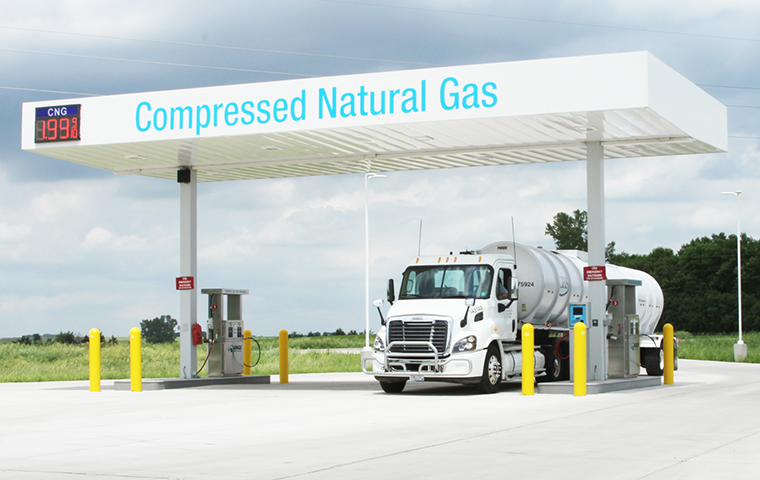
The Presidential Initiative on CNG and Electric Vehicles (Pi-CNG & EV) has plans for more expansion of refuelling facilities pan Nigeria, as private sector investments in compressed natural gas (CNG) and electric vehicle (EV) infrastructure in Nigeria hit $2.6 billion.
According to the presidential initiative, 113 commercial CNG stations are already operational, while three additional facilities are on the verge of completion, bringing the number to 116, with plans for 167 stations within the next six months.
The Executive Chairman and Chief Executive Officer of Pi-CNG & EV, Barrister Ismaeel Ahmed (OON), made the disclosure at a regional townhall and stakeholder dialogue in Abuja on Monday.
Ahmed explained that investments had increased from $1.6bn during the pilot phase to $2.6bn, noting that the growth was driven by increasing private sector participation in the development of the infrastructure.
He added that the initiative was designed to create an enabling environment for private investors to establish and operate facilities, rather than for the government to run commercial gas stations.
Ahmed noted that Nigeria’s vehicle population of about 12.6 million, with commercial vehicles accounting for 57 per cent, presented a significant market for alternative fuels.
READ ALSO: Asharami Synergy Kenya Eyes Connecting 10 Million Homes to Affordable LPG by 2028
He also highlighted the country’s estimated 350 trillion cubic feet of natural gas reserves, saying Nigeria had the resources to support wider adoption of gas as an alternative energy source.
“Nigeria is a gas rich country, not an oil-rich country. It is a gas country with some oil,” he said.
Presenting an update on the initiative’s infrastructure development, Engr. Tari Mayor-Bright, Head of Gas Supply Integration at Pi-CNG & EV, said the programme had moved beyond its pilot phase to commercial expansion.
Mayor-Bright noted that the growing participation of private investors was helping to determine where facilities were established, based on market opportunities and demand.
She added that the expansion was necessary to improve access to refuelling facilities and address concerns over the availability of CNG stations.
On electric mobility, Mayor-Bright said CNG and electric vehicles should be developed as complementary energy options rather than treated as competing solutions.
She explained that wider adoption of electric vehicles would require adequate charging infrastructure and reliable electricity supply.
She also called for private sector investment in renewable energy to support EV charging, noting that dependence on the national grid alone could constrain the development of electric mobility.
Mayor-Bright identified reliable and secure infrastructure, customer experience, safety, regulation and compliance as essential to the success of the programme.
“Safety comes to the front,” she said, stressing the importance of putting appropriate processes in place as the market expands.
The presentation also highlighted challenges confronting the sector, including vehicle conversion costs, refuelling access, queues, gas supply and safety.

Nigeria’s state oil major, the Nigerian National Petroleum Company Limited (NNPC Ltd) has assured that it can measure, report and verify its methane emissions to international standards.
This was contained in a message delivered by Chinedu Igwe, Managing Director, NNPC Foundation Ltd/Gte, to international energy producers, financiers and climate institutions at the ongoing 31st Conference of the Parties to the United Nations Framework Convention on Climate Change (COP31) in Antalya, Türkiye.
During a session convened by the Oil and Gas Decarbonisation Charter (OGDC) on “Accelerating Global Methane Mitigation in Emerging Economies,” held at the World Green Economy Organisation (WGEO) in the Blue Zone, Igwe joined other panellists from Petrobras and PETRONAS to present NNPC Limited’s progress report on the emission mitigation agenda.
READ ALSO: Shell Bags Best IOC Award at NAPE Confab
He explained that through credible data and culture change across its operations, the Company had moved its methane reporting from Level 1 to Level 3 of the Oil and Gas Methane Partnership (OGMP 2.0) standard.
The progress, Igwe added, has made NNPC Limited a reference point for partners and operators across Africa, showing that the region can put a quality system in place to measure, report, and reduce emissions.
“Reporting gives us a clear story to tell management and a practical tool for engaging our operators. Our report is on the MiST platform developed by Carbon Limits for independent feedback, and we have carried out leak detection and repair (LDAR) on one of our assets, which is now close to Level 4. This allows us to track our carbon footprint from where we were to where we are and where we are headed,” he noted.
Panellists in the session agreed that it is possible to reduce methane emissions to near zero while delivering energy security, sustainability and affordability, without forcing countries to choose between energy sources in ways that harm their economies.
On the sidelines of the conference, NNPC Limited, led by the Chief Strategy and Sustainability Officer, Hauwa Mshelia, held an exploratory meeting on project financing and development with representatives of the Inclusive Climate Action Fund (ICAF) and ANTAN Producing Limited. Managing Director of NNPC New Energy Limited (NNEL), Haruna Abdurrahman, was also at the meeting.
The OGDC also launched its 2026 emissions mitigation status report at COP31. The report reviews member companies’ interim ambitions, action plans on methane and flaring, and their progress on measurement and delivery.
The NNPC Limited’s contribution to the report shows that within 12 to 18 months, the Company built the capacity to measure its carbon footprint through a credible reporting and verification system.
The NNPC Limited joined the Oil & Gas Decarbonization Charter (OGDC) at COP28 in Dubai, UAE. The Charter was conceived by the Oil and Gas Climate Initiative (OGCI) to enable oil and gas companies to collaborate and share knowledge and technical expertise on emission reductions through credible reporting.
At the Nigerian Pavilion, the NNPC Limited headlined a high-level panel session on “Decarbonising Africa’s Value Chain: The Role of National Energy Companies, Finance and Strategic Partnerships”. Philemon Yilleng, Manager, Sustainability Strategy, Standards and Policy, the NNPC Limited, presented natural gas as the Company’s mechanism for the energy transition and explained that the company gives full priority to gas development while strengthening its operations to reduce emissions.
He said the Company is investing in parallel, not sequentially, by expanding gas production and utilisation, investing in renewables, and working with regulators, joint venture partners, and financiers to integrate sustainability into its operations.
Stephanie Saunier, Managing Director of Carbon Limits and a panellist, commended the NNPC Limited’s emissions measurement, reporting and verification system for the credible data it provides investors.
The NNPC Limited also took part in the Boston Consulting Group (BCG) Leaders Roundtable on “Delivering Methane Emissions Reduction Across Waste and Energy”.
At the roundtable, Ikechukwu Aturuobi, Manager, Sustainability Partnerships, NNPC Limited, joined other leaders to discuss practical ways of reducing methane emissions in the waste and energy sectors.
The NNPC Limited’s sustainability agenda is guided by its theme, “Action Not Words”. The Company’s pathway to net zero is anchored on its verified emissions baseline.
By 2030, the NNPC Limited aims to eliminate routine gas flaring and reduce methane emissions. By 2050, it plans to adopt low-carbon technologies, electrify its operations, use renewable energy and deploy carbon capture and storage.


Five Key Considerations When Choosing Nigeria’s President in 2027
Verdant Capital Wins Two Africa Global Funds Awards

Sunbeth Energies Expands, Unveils New Self-service Station in Ibadan
FG Eyes 167 CNG Stations as Investments Hit $2.6bn
NMDPRA Gets Senate Nod for Six Executive Directors

Asharami Synergy Kenya Eyes Connecting 10 Million Homes to Affordable LPG by 2028

Trump’s Family Unveils New Cryptocurrency Platform
Senate Denies Receiving Petitions Against Tinubu’s Ambassadorial Nominees

Dangote Cement Lights Up Benue Host Communities With CSR Initiatives

Reps Recommend 3-year Jail Term For Aviation minister

Tems Sets New Record On Billboard Hot 100 Chart