
International News
Miracle in Venezuela: Toddler Rescued Alive Six Days After Deadly Earthquakes

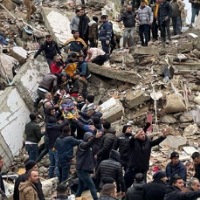
A three-year-old child has been rescued alive from beneath the rubble in Venezuela, six days after two powerful earthquakes devastated parts of the South American nation, offering a glimmer of hope amid a worsening humanitarian crisis.
The remarkable rescue took place in La Guaira, one of the areas hardest hit by the twin earthquakes measuring 7.2 and 7.5 magnitudes, which struck less than a minute apart on June 24.
SEE ALSO: Over 800 Dead As Earthquake Devastates Eastern Afghanistan
Rescue workers have continued round-the-clock search operations despite the challenges posed by repeated aftershocks.
The United Nations described the rescue as a powerful reminder that every life matters as emergency teams continue combing collapsed buildings for survivors.
According to Venezuelan authorities, the earthquakes have claimed nearly 2,000 lives, while more than 6,400 people have been rescued since the disaster struck.
Tens of thousands of survivors remain without adequate shelter, with humanitarian agencies warning that urgent needs continue to grow.
The UN refugee agency said the scale of the disaster has left thousands of families in desperate need of emergency assistance, while the UN Office for the Coordination of Humanitarian Affairs (OCHA) confirmed that national and international rescue teams remain active in the affected communities.
UN Disaster Assessment and Coordination (UNDAC) teams are also assessing the extent of the destruction and identifying communities most in need of humanitarian support.
Officials said about 1,000 buildings, including hospitals, have either been damaged or completely destroyed.
More than 400 schools and water systems have also been severely affected, worsening living conditions for residents.
To support relief efforts, the United Nations Children’s Fund (UNICEF) has delivered an initial 47-tonne shipment of humanitarian supplies, including emergency medical kits, water purification materials, safe birth supplies, wheelchairs, child-friendly tents and educational materials. The shipment follows an earlier consignment that arrived from Panama.
UNICEF said the combined aid will support more than 100,000 children and their families over the next three months.
Speaking from La Guaira, UNICEF representative Gabriel Vockel said the organisation is working around the clock to reach as many children and families as possible, while appealing for more donations to expand its life-saving operations.
UNICEF Regional Director for Latin America and the Caribbean, Roberto Benes, said many affected families are sleeping outdoors for fear of continued aftershocks and remain in urgent need of clean water, healthcare and safe shelter.
The agency estimates that about 680,000 children across six affected states require humanitarian assistance following what has been described as Venezuela’s most significant earthquake disaster in more than a century.
Authorities also reported that more than 600 aftershocks have been recorded since the initial earthquakes, increasing concerns over further damage and risks to survivors.
UNICEF is seeking $52 million to respond to the earthquake emergency as part of its broader 2026 Humanitarian Action for Children appeal for Venezuela, which remains significantly underfunded.


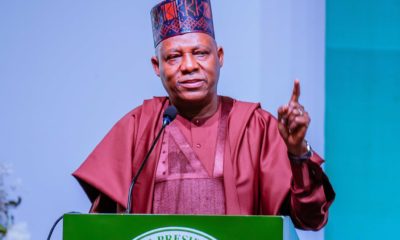







Federal agents raided the Washington, D.C., home of Democratic Congresswoman Ilhan Omar early Monday morning as part of an ongoing federal criminal investigation, the United States Department of Justice (DOJ) has confirmed.
Homeland Security Investigations agents arrived at the Minnesota congresswoman’s residence at about 6:00 a.m. Eastern Time, according to a report by Fox News.
SEE MORE: Trump Sparks Outrage With Shock Proposal to Rename New Mexico
The report said both the Department of Homeland Security (DHS) and the DOJ are involved in the investigation.
A DOJ spokesperson confirmed the operation, stating: “Today in the Washington, D.C. area, Homeland Security Investigations executed a judicially authorized search warrant secured by the Department of Justice.”
The spokesperson added: “This enforcement action is part of an ongoing federal criminal investigation.”
Details later……….
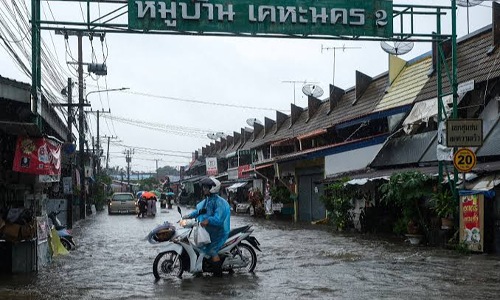
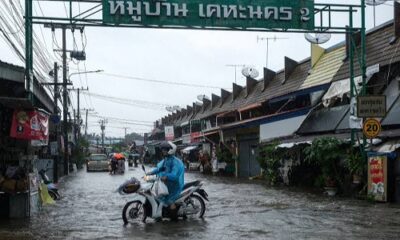
Heavy rains have triggered severe flooding across parts of Bangkok, Thailand, forcing nearly 4,900 residents to evacuate to shelters as floodwaters swept through roads and residential areas.
The flooding has disrupted movement across parts of the Thai capital, with motorists and pedestrians forced to navigate submerged roads and seek alternative routes.
SEE ALSO: NAFDAC Warns Nigerians As Fake Cowbell Milk Floods Market
According to the Bangkok Metropolitan Administration, about 52,000 households have been affected by the flooding, prompting authorities to declare a flood disaster and intensify emergency response efforts.
Emergency teams have been deployed to assist affected communities and move residents from vulnerable areas to safer locations as water levels rise.
Bangkok is accustomed to seasonal heavy rainfall, but intense downpours can overwhelm drainage systems, particularly in low-lying areas, resulting in widespread flooding and disruption.
Authorities are continuing to monitor affected locations while coordinating evacuations and other emergency measures.
For thousands of residents, the immediate priority remains securing safe shelter and protecting homes and livelihoods as authorities work to manage the situation and restore normal activities once the floodwaters recede.
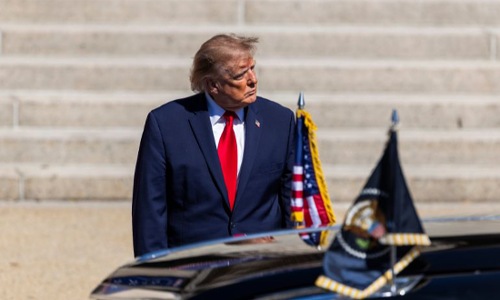
US President Donald Trump has explained his decision to reject Iran’s latest proposal to reopen the Strait of Hormuz, saying Tehran was seeking an agreement because it was losing revenue.
Speaking to reporters at the White House, Trump said Iran wanted to immediately reopen the strategically important waterway but argued that the proposal was not acceptable to his administration.
“They want to make a deal, and I think that’s fine. I like making a deal, too, but that deal would not be acceptable,” Trump said.
SEE ALSO: How the Strait of Hormuz Attack Could Trigger a Fresh Global Oil Shock
According to the US president, Iran’s push to reopen the strait was driven by the economic pressure it was facing.
“What they want to do is immediately open the Hormuz Strait. Do you know why? Because they are dying,” Trump said.
“You know why they’re dying? Because they have no money coming in, because they get their money from the Hormuz Strait.”
Trump also claimed that the US had established an unprecedented naval blockade against Iran, describing it as “a wall of steel.”
“So they outsmarted themselves. We put up the greatest blockade ever in military history. It’s a wall of steel,” he said.
“And guess what? They don’t have any money now because they wanted to close the strait.”
The Strait of Hormuz is a major global energy shipping route, and disruption to traffic through the waterway has significant implications for international oil markets and countries that depend on energy imports.
Trump’s remarks came amid continued tensions between Washington and Tehran over the reopening of the strategic waterway and negotiations involving Iran.






State Govs, Wike Endorse One-Party State, Join APC Campaign Council

2027: ‘Tinubu Has Done Well’ – Wike Tells Opposition to Speak the Truth

‘Celebrate This Poor Man’ – Shettima Defends Tinubu Over Economic Crisis
FG Withdraws Charges Against ‘Fake Agency’ DG, Adeniyi Adeyemi

Shell Identifies Keys to Nigeria’s Energy Future

Nigeria Records Biggest Rise in Multidimensional Poverty Among Five Countries – UN

Trump’s Family Unveils New Cryptocurrency Platform

Senate Denies Receiving Petitions Against Tinubu’s Ambassadorial Nominees

Dangote Cement Lights Up Benue Host Communities With CSR Initiatives

Reps Recommend 3-year Jail Term For Aviation minister

Tems Sets New Record On Billboard Hot 100 Chart
