
NEWS
N14trn Fuel‑subsidy: SERAP Sues Govs, Wike

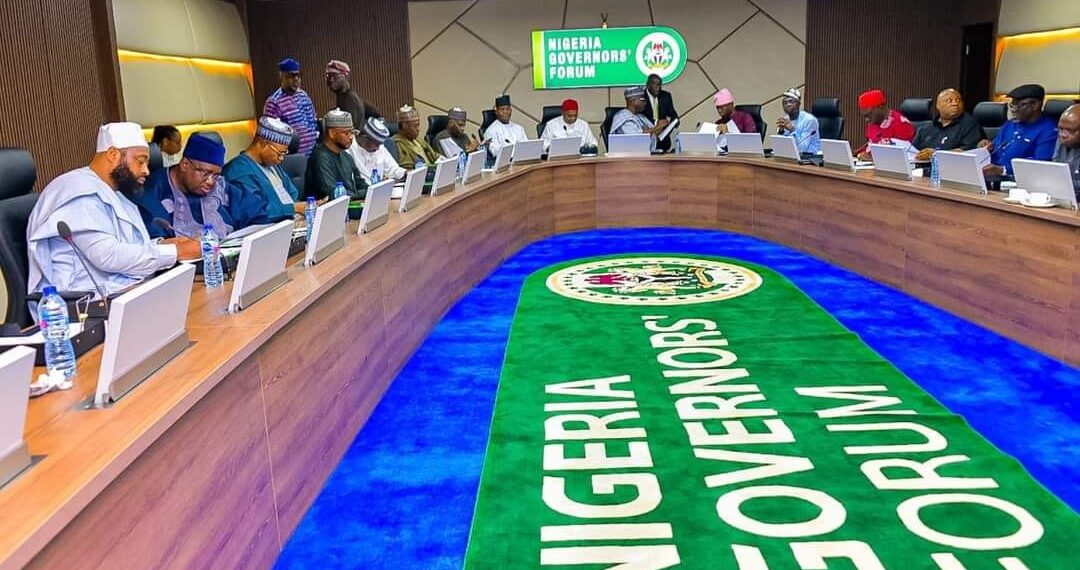
The Socio-Economic Rights and Accountability Project (SERAP) has dragged the 35 state governors and the Minister of the Federal Capital Territory (FCT), Nyesom Wike, to the court, over their alleged failure to account for the spending of about N14 trillion realised as fuel subsidy savings.
The other respondent, according to a statement, includes the office of the Accountant-General of the Federation.
The SERAP said the governors and the FCT minister have collected trillions of naira as increased allocations from the Federation Account Allocation Committee following the removal of fuel subsidy in May 2023, but that the funds have not translated into improved access to quality healthcare, education and other basic services for poor and vulnerable Nigerians.
The suit, marked FHC/L/MSC/1424/2025, was filed last Friday at the Federal High Court in Lagos, according to a statement signed on Sunday by SERAP’s Deputy Director, Kolawole Oluwadare.
The SERAP is asking the court to direct and compel the respondents to disclose details of how the increased FAAC allocations, described as fuel subsidy savings, have been spent since mid-2023.
Specifically, the organisation is seeking an order to “direct and compel the governors and Mr Wike to disclose the details of the spending of the increased FAAC allocations being savings from the removal of fuel subsidy in May 2023.”
It is also asking the court to “compel the governors and Mr Wike to disclose details and the location of the projects executed, if any, with the increased FAAC allocations from the savings from the removal of fuel subsidy.”
In the suit filed by its lawyers, Oluwakemi Agunbiade and Valentina Adegoke, the organisation argued that, “The Federation Account Allocation Committee (FAAC) in 2024 distributed N28.78 trillion from the removal of subsidy on petrol to the three tiers of government, representing a 79 per cent increase from the previous year.
“State governments’ allocations increased by 45.5 per cent to N5.22 trillion. Monthly distributions in 2025 have reportedly exceeded N1.6 trillion.
“However, despite the increased allocations of public funds to states and FCT, millions of poor and socially and economically vulnerable Nigerians have not benefited from the savings.
“Many states reportedly owe civil servants’ salaries and pensions. Several states continue to borrow to pay salaries. Millions of Nigerians resident in several states and the FCT continue to be denied access to basic public services.
“Several years of allegations of corruption and mismanagement in the spending of public funds by several states and entrenched impunity of perpetrators have undermined public trust and confidence in governments at all levels.”
SERAP argued in the suit that Nigerians have a right to know how public funds, including fuel subsidy savings, are spent by state governments and the FCT administration.
ALSO READ: Kano Gov Mourns Brig-Gen Galadanchi
It further argued that the savings from the removal of fuel subsidy ought to be spent solely for the benefit of poor and vulnerable Nigerians who are bearing the brunt of the policy.
“Directing and compelling states and FCT to disclose the details of the spending of the money collected as fuel subsidy savings would allow Nigerians to scrutinise them, and for public officials to account for the spending of public funds,” it said.
The organisation cited constitutional provisions, including Sections 13, 15(5) and 16(2) of the 1999 Constitution (as amended), as well as Nigeria’s obligations under the United Nations Convention against Corruption, to support its case for transparency and accountability.
It also relied on a Supreme Court judgment which held that the Freedom of Information Act applies to public records across the federation, including those relating to the spending of subsidy savings by states and the FCT.
No date has been fixed for the hearing of the suit.

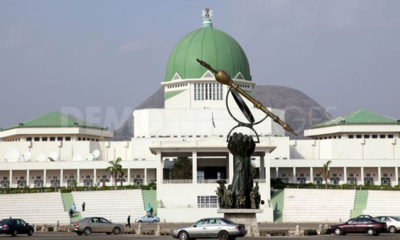


The Transmission Company of Nigeria (TCN) has restored bulk power supply to its Katampe 330kV Transmission Substation in Abuja following an earlier disruption caused by a fault on the Shiroro–Katampe 330kV Line 1.
The development was disclosed in a statement released by TCN management on Friday, October 9, 2026.
SEE ALSO: Kainji–Birnin Kebbi Power Line: TCN Begins Final Phase of Restoration
According to the statement, bulk power supply was restored to the Katampe substation at 4:15 p.m. through the Gwagwalada–Katampe 330kV Line 1.
TCN explained that the Shiroro–Katampe 330kV Line 1 remains out of service due to a fault, necessitating the use of the Gwagwalada–Katampe line to restore supply to the substation.
The company also announced the suspension of planned maintenance work on the Gwagwalada–Katampe 330kV Line 1 to enable the line to continue supplying the Katampe substation.
The suspended maintenance work involved replacing defective line isolators and the associated earthing switch.
TCN apologised to electricity consumers in the affected areas for any inconvenience caused by the disruption and maintenance arrangements.
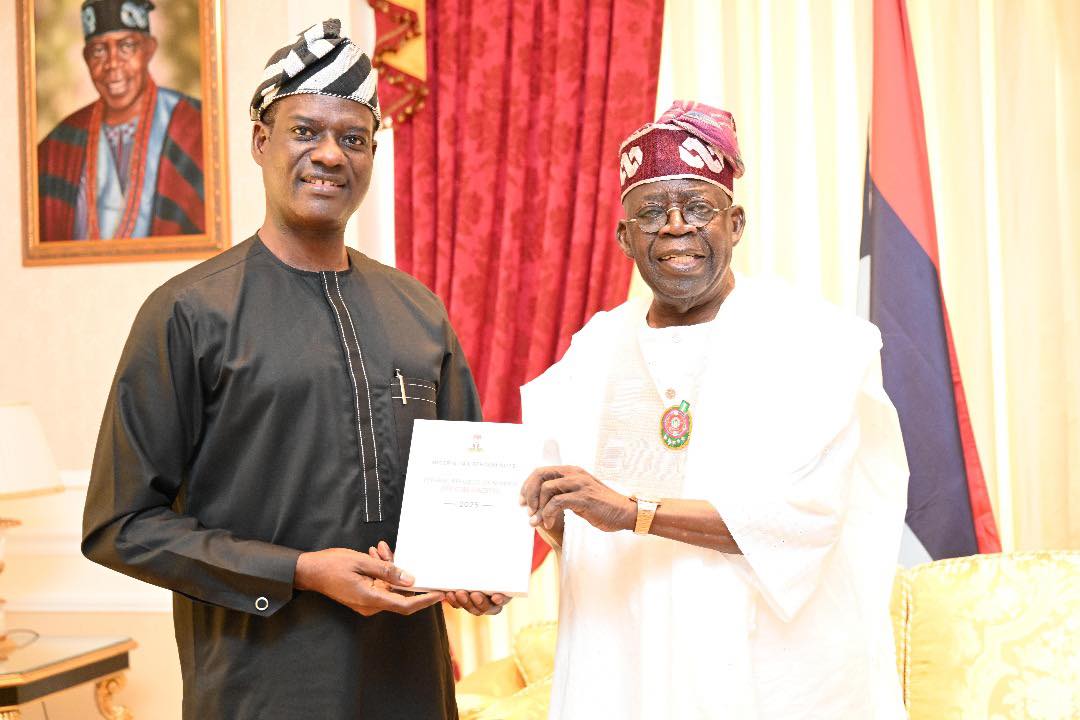
The Federal Government has warned politicians against making promises that could reverse Nigeria’s economic reforms, insisting that it will not restore fuel subsidy amid renewed debate over the Nigerian National Petroleum Company Limited’s (NNPC) petrol discount.
The Minister of Finance and Coordinating Minister of the Economy, Taiwo Oyedele, disclosed this during an interview on Channels Television on Friday, saying the government would not bring back subsidies on petroleum products.
“This government is not bringing back subsidy on fuel products. We need to be clear,” Oyedele said.
ALSO READ: NNPC Petrol Discount: Oyedele Explains How Lower Margins Could Boost Profits
The minister also criticised politicians who, according to him, make promises to win elections without fully considering the implications of implementing them.
He suggested that some politicians make sweeping promises during election campaigns only to offer excuses when confronted with the realities of governance.
“I think I would pardon people who say all manner of things because they want to get elected. It’s almost like ‘whatever I need to say, when I get there, I’ll give excuses.’ But we have the data,” he said.
Oyedele added that he felt a personal responsibility not to remain silent about the economic realities known to the government or allow populist positions to push Nigeria in the wrong direction.
“I feel the personal responsibility that I cannot see what I see and keep quiet, or populism to move our country in the wrong direction,” he said.
NNPC Petrol Discount Sparks Fresh Subsidy Debate
The minister’s remarks come amid renewed debate over fuel subsidy following the Federal Government’s announcement of a 30-day petrol discount at NNPC retail stations.
The initiative was introduced as a temporary measure to provide relief to Nigerians amid elevated global crude oil prices and concerns about the cost of petroleum products.
NNPC Retail had also announced a N66-per-litre petrol discount to mark Nigeria’s 66th Independence Anniversary, with the offer scheduled to run until October 31, 2026, across its retail stations nationwide.
The company maintained that the discount was a customer-relief initiative and did not represent a return to the petroleum subsidy regime.
The distinction has become central to the debate, with the government insisting that temporary price relief at NNPC stations does not amount to restoring the subsidy policy abolished in May 2023.
The administration has maintained that the current arrangement differs from the former subsidy system, under which the government intervened to cover part of the cost of petrol.
FG Defends Economic Reforms
During the interview, Oyedele also referred to a World Bank update, saying the institution had acknowledged a reduction in poverty levels and increased spending on infrastructure, particularly roads.
He urged Nigerians not to reverse the progress he said had been made, arguing that the country was approaching a point where the benefits of ongoing reforms should begin to emerge.

The Kaduna State Universal Basic Education Board (SUBEB) has commenced a promotion exercise for 24,000 eligible staff as part of efforts to clear outstanding teachers’ promotions dating back to 2021.
The development was disclosed on Friday as the administration of Governor Uba Sani intensifies efforts to address promotion backlogs, recognise teachers’ years of service and improve staff welfare across the state.
The exercise covers outstanding promotions from 2021 to 2026 and is expected to provide eligible teachers and other staff with opportunities for career progression.
SEE ALSO: Kaduna Clears N18bn Pension Arrears, Raises Agric Funding to N100bn
According to the announcement, eligible personnel will undergo an assessment process, after which promotions will be implemented for those who successfully meet the requirements.
The initiative is part of efforts to strengthen the education sector by recognising the contributions of teachers and supporting their professional development.
The state government has emphasised the importance of investing in teachers, noting that a motivated and valued teaching workforce is essential to building a stronger education system.
The exercise is also expected to address long-standing staff concerns relating to career advancement within the state’s basic education sector.






2027: Yilwatda Lists Tinubu’s Projects, Appointments as Reasons for North Central Support

Domestic Flight delays, Cancellations Compound Air Travellers’ Woes

2027 Election Might Witness Voter-Apathy as Registered Voters Shun PVC Collection
TCN Restores Power Supply to Katampe Substation After Shiroro Line Fault

2027 Elections: FG Warns Politicians Against Promises on Fuel Subsidy

PETROAN Expects Fuel Discount to Combat Inflation

Trump’s Family Unveils New Cryptocurrency Platform

Senate Denies Receiving Petitions Against Tinubu’s Ambassadorial Nominees

Dangote Cement Lights Up Benue Host Communities With CSR Initiatives

Reps Recommend 3-year Jail Term For Aviation minister

Tems Sets New Record On Billboard Hot 100 Chart

refurbished MacBook Europe
Процесс лечения будет зависеть от состояния пациента и его особенностей. Врач подберёт нужную дозировку и состав препаратов для наиболее эффективного результата.
Получить больше информации – вызвать нарколога на дом в екатеринбурге
Профессионализм медицинского персонала имеет решающее значение для успешности лечения. Только опытные врачи могут правильно оценить состояние пациента, выбрать подходящий состав растворов и корректно провести терапию, исключив риски побочных эффектов. Опытный специалист гарантирует, что процедура будет выполнена правильно, а пациент получит все необходимые препараты для быстрого восстановления.
Подробнее – поставить капельницу от запоя екатеринбург
Индивидуализация лечения: Каждый случай рассматривается отдельно, учитывая уникальные особенности пациента, его физическое состояние, предшествующий опыт лечения и социальные факторы. Такой подход позволяет создать максимально эффективный план терапии.
Выяснить больше – вывод из запоя круглосуточно симферополь
Если состояние «ходит по краю», сутки–двое под наблюдением нередко короче и дешевле серии ночных вызовов. В стационаре «АлкоМед Балашиха» организованы «тихие коридоры», нет общих очередей, а внимание распределено волнами: утро — оценка и инфузии, день — контроль динамики и коррекция доз, ночь — условия для полноценного сна и готовность быстро отреагировать при отклонениях. За этот срок удаётся «снять остроту», выровнять давление и пульс, уменьшить тремор, закрыть дефициты и безопасно перейти к амбулаторному формату. Приватность и уважение к границам сохраняются так же, как и при домашнем старте, — это убирает страх «быть узнанным» и повышает приверженность плану.
Детальнее – https://vyvod-iz-zapoya-balashiha9.ru/vyvod-iz-zapoya-cena-balashiha/
Если состояние «ходит по краю», сутки–двое под наблюдением нередко короче и дешевле серии ночных вызовов. В стационаре «АлкоМед Балашиха» организованы «тихие коридоры», нет общих очередей, а внимание распределено волнами: утро — оценка и инфузии, день — контроль динамики и коррекция доз, ночь — условия для полноценного сна и готовность быстро отреагировать при отклонениях. За этот срок удаётся «снять остроту», выровнять давление и пульс, уменьшить тремор, закрыть дефициты и безопасно перейти к амбулаторному формату. Приватность и уважение к границам сохраняются так же, как и при домашнем старте, — это убирает страх «быть узнанным» и повышает приверженность плану.
Получить дополнительную информацию – vyvod-iz-zapoya-na-domu-nedorogo
Зависимость всегда про неопределённость: скачки давления и пульса, тремор, тревожность, бессонные ночи, споры в семье и страх огласки. «ЛюберМед Центр» убирает эту неопределённость управляемым маршрутом. Мы начинаем с краткого, но точного интервью, фиксируем объективные показатели и тут же объясняем, какие вмешательства уместны сегодня и зачем именно они. Никаких «общих залов» и очередей: приёмы разнесены по времени, подтверждения проходят по защищённым каналам, визиты на дом — без маркировки. Наш принцип — минимальная достаточность: столько медицины, сколько нужно для безопасного перехвата динамики и первой ровной ночи. Именно она делает дальнейшие шаги предсказуемыми: снижается тремор, выравнивается ритм, появляется ресурс соблюдать режим. Благодаря продуманной логистике Люберец мы сокращаем холостые перемещения, а значит, лечение начинается раньше, а тревоги — меньше. В результате пациент и семья получают не «набор услуг», а последовательность: понятные действия, прозрачные ожидания и устойчивый эффект, который держится днями, а не часами.
Узнать больше – http://narkologicheskaya-klinika-lyubercy9.ru/