
Business
NCDMB Hosts Nigerian Army, Showcases Local Content Milestones

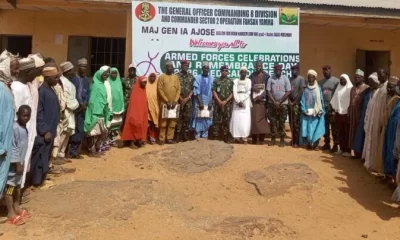
The Nigerian Content Development and Monitoring Board (NCDMB) on Thursday in Yenagoa, Bayelsa State, played host to a team of ranking military officers from the Nigerian Army Resource Centre (NARC), Abuja, on a local study tour.
At an interactive session at the Nigerian Content Tower (NCT), corporate headquarters of the NCDMB, the Executive Secretary of the Board, Engr. Felix Omatsola Ogbe, presented a portrait of Nigeria’s oil and gas industry in its first 50 years of operation and the highpoints in implementation of the Nigerian Oil and Gas Industry Content Development (NOGICD) Act, 2010.
According to him, the earlier phase was marked by capital flight amounting to an estimated US$380 billion, loss of two million jobs as a result of human capital deficits, and less than five percent in local content.
ALSO READ: Osun Indigenes In Côte d’Ivoire Applaud Adeleke
In sharp contrast, is the post-NOGICD Act era which has witnessed phenomenal development of in-country capacity and capabilities as a result of creative enforcement and monitoring of industry operations as well as strategic interventions by the NCDMB.
The NCDMB boss explained that local content hit 56 percent at the end of 2023, which translates into in-country retention of 56 percent of oil and gas industry yearly spend on operations – a feat that has made the NOGICD Act as well as implementation strategies the model for other oil- and gas-producing countries in Africa.
The target for the NCDMB, he pointed out, is 70 percent in 2027.
With emphasis he declared that the NCDMB wants to ensure that equipment and tools as well as services required for oil and gas operations are made and procured in Nigeria.
In accounting for the success of the Board thus far and the feasibility of its performance targets in capacity development, he said, “We take research and development seriously,” citing the centres of excellence established, equipped and funded by the Board in the six universities, one in the six geopolitical zones of Nigeria.
The ES, who was represented by the Director, Corporate Services and Capacity Building, Dr Ama Ikuru, observed that the Nigerian Army itself has raised the bar in research and development as well as local content, in relation to human capital development and local manufacturing of some components used in military operations.
While conducting the guests, which comprised officers between the ranks of Lieutenant Colonel and General currently undergoing an 11-month Leadership and Strategic Course 3/2024, round different sections and facilities of the Board, Dr Ikuru had the team familiarised with the Board’s Technology Innovation and Incubation Centre (TIIC).
Its success story in aiding individuals with innovative ideas and facilitating technology adaptation and process improvement was highlighted.
In further elaboration of the Board’s activities and engagements, the Director, Monitoring and Evaluation, Alhaji Abdulmalik Halilu, noted that there is a history of “mutually beneficial partnership between the Army and the NCDMB,” citing the involvement of the Board’s personnel as resource persons at the Nigerian Defence Academy, Kaduna.
According to him, “It is good the military sees NCDMB as a partner.”
In his own remarks, the General Manager, Corporate Communications and Zonal Coordination, Barr. Esueme Dan Kikile, noted that the visit of the military officers who are Participants of the Leadership and Strategic Course 3/2024 from the NARC, afforded the Board and guests a useful platform for interaction and knowledge sharing.
He urged the guests to “tell the success story of the NCDMB” wherever they find themselves”.
Team leader for the military officers, Maj Gen Abubakar A. Tarfa (retd), explained that the Local Study Tour was part of an 11-month course and that members of the team were all professionals in diverse fields – engineering, medicine, nursing, and administration, among others.
He said the course was designed “To prepare participants for higher responsibilities” and that the tour would provide necessary exposure, to have the officers acquainted with the NCDMB and its role and monitoring programmes that “ensure steady growth in local content” in the oil and gas industry.
Maj Gen Tarfa pointed out that there is “a relationship between leadership, strategy and national security,” and that the training and associated activities underline such realities.
He said, “military assistance to civil authority for oil production in the Niger Delta toward national development” was a major motivating factor in their study tour of the state.
On behalf of participants, Lt. Col. Juliet Aziekwu expressed appreciation for the interactive session, stating, “We are better informed about the NCDMB and its role; we’ll put the knowledge into use.”
Earlier in opening remarks, Dr. Ezeobi, noted that there was a nexus between what the military officers were in the state to do and what the NCDMB does, that is, capacity building.
He said they were thus in the right place.
On the entourage of the NARC team was the Commander of the 16th Brigade of the Nigerian Army, Yenagoa, Brig Gen Oluremi Obolo.






Modupe ASUDO
The Nigerian Content Development and Monitoring Board has reiterated its commitment to advancing gender inclusion and sustainable capacity development in Nigeria’s oil and gas industry, spotlighting a $20m Women in Oil and Gas Intervention Fund.
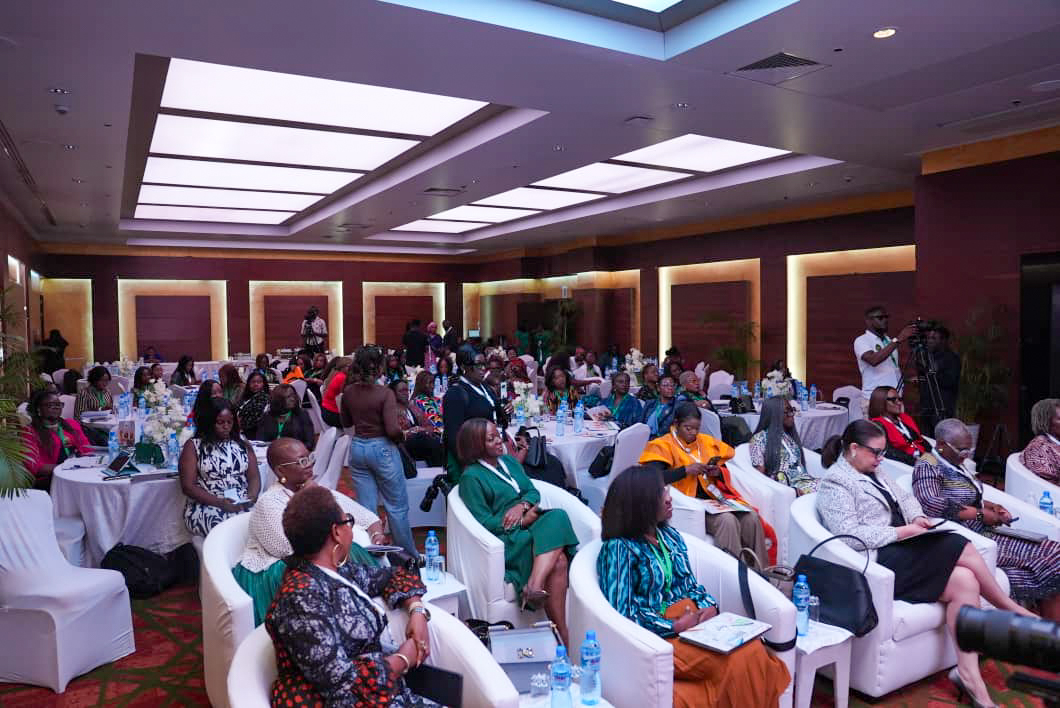
The Board made this known at the 3rd edition of the Diversity Sector Working Group’s Women in Oil and Gas Conference and Mentorship Programme, held on March 3, 2026, at Eko Hotels and Suites, Lagos.
The conference, organised in collaboration with the Nigerian Content Consultative Forum, was themed ‘Breaking Barriers, Shaping the Future’, with a strong focus on building bridges and empowering women for a sustainable energy future.
Delivering his goodwill message, the Executive Secretary of NCDMB, Engr Felix Omatsola Ogbe, described women’s empowerment as a strategic lever for strengthening Nigeria’s energy ecosystem, particularly at a time the global industry was undergoing profound structural change.
He explained that the sector’s navigation of energy transition, rapid technological innovation and rising sustainability expectations increasingly requires broader perspectives, adaptive leadership and inclusive participation to remain competitive and resilient.
Represented by the General Manager Midstream PCAD, Ms. Lekoma Phimia, the Executive Secretary framed inclusion not as social advocacy but as sound economics, stressing that diversity consistently delivers measurable performance outcomes across industries.
“Inclusive organisations are more innovative, more resilient and more profitable. When women thrive, industries thrive. When women lead, economies grow. When women are empowered, communities prosper,” he stated.
To illustrate this point, the Executive Secretary referenced the leadership impact of Ms. Oritsemeyiwa Eyesan, Executive Chairman of the Nigerian Upstream Petroleum Regulatory Commission, describing her tenure as clear evidence of women’s capacity to drive sector-wide transformation at the highest levels.
According to him, such leadership exemplifies how competence and inclusion are helping to steer the industry through a period of accelerated change.
While acknowledging the progress recorded, Ogbe observed that systemic barriers had continued to limit the full participation of women across segments of the oil and gas value chain, stressing that addressing the constraints requires deliberate, structured and sustained interventions.
At the centre of NCDMB’s empowerment showcase, the Executive Secretary highlighted the Women in Oil and Gas Intervention Fund, a landmark $20m initiative established in partnership with the Nigerian Export-Import Bank to provide affordable financing exclusively to women-owned businesses operating within Nigeria’s oil and gas sector.
He explained that the fund offers single-digit interest rate loans with repayment tenors of up to three years, targeted at eligible companies with approved industry contracts. According to him, the initiative is designed to accelerate local capacity and enable women entrepreneurs to transition from peripheral participation to ownership and leadership across the oil and gas value chain.
Ogbe further disclosed that a complementary intervention, implemented in partnership with the Bank of Industry, extends structured business training and additional access to capital to women-owned enterprises. He noted that many beneficiaries have expanded from small service providers into competitive vendors now supporting major oil and gas operators nationwide, particularly in logistics and marine services, safety equipment supply and environmental management — segments where female entrepreneurs have historically faced limited access to financing.
Beyond financing, the Executive Secretary highlighted NCDMB-supported skills development programmes executed in collaboration with institutions such as the Petroleum Training Institute and accredited industrial training centres in Rivers and Bayelsa states. He cited the training of women in welding and fabrication, noting that many graduates are employed in fabrication yards and contribute directly to major oil and gas projects.
“These women are earning dignified livelihoods, breaking stereotypes and inspiring a new generation,” Ogbe said, emphasising that collaboration remains critical to scaling impact, citing partnerships with financial institutions, development partners, training institutions and industry stakeholders.
He commended the NCCF Diversity Sector Working Group for sustaining advocacy and dialogue on inclusion. “We must move beyond inclusion towards leadership — more women in technical leadership roles, executive positions and industry boards,” he added.
In her remarks, the Chairman of NCCF Diversity Sector Working Group, Dr Alero Onosode, described the conference as a celebration of progress, leadership and possibility, noting that NCDMB’s sponsorship reflects its strong institutional commitment to inclusion and shared prosperity. She observed that convening the conference in March — International Women’s Day month — was symbolic, coming at a time of renewed activity and reform across Nigeria’s oil and gas industry.
“Alongside this momentum, we are seeing the rise of women into visible and influential leadership roles — regulators, CEOs, directors, engineers and policymakers shaping strategy and transforming spaces that were once dominated by a single voice,” Onosode said.
She explained that the conference theme challenged stakeholders to move from representation to impact, urging deliberate collaboration across sectors, generations and perspectives.
“Building bridges means women and men working together, turning diversity into strength and collaboration into results,” she stated, calling on industry leaders to prioritise mentorship, sponsorship and intentional partnerships.
The conference concluded with a renewed call for inclusive capacity development, with NCDMB reaffirming its commitment to empowering women, strengthening Nigerian content and ensuring that Nigeria’s energy future is sustainable, inclusive and economically transformative.
Modupe ASUDO
The Nigerian Content Development and Monitoring Board (NCDMB) has said that its 10-year strategic roadmap was designed to strengthen Nigeria’s industrial base by retaining 70 per cent of oil and gas industry spending within the country by 2027, while creating employment opportunities for about 300,000 Nigerians across the oil and gas value chain and its linkage sectors.
This position was made known during a high-level panel session at the maiden West Africa Industrialisation, Manufacturing and Trade Summit and Exhibition, held in Lagos under the theme “Accelerating West Africa’s Sustainable Industrial Revolution for Economic Prosperity”.
The session focused on maximising human capital as a catalyst for competitive and resilient industries in the region.
Speaking on behalf of the Executive Secretary of the NCDMB, Engr. Felix Omatsola Ogbe, the General Manager, Human Capacity Development, Mr. Esueme Kikile, congratulated the organisers for convening the summit, noting that “the theme strongly aligns with the Board’s long-standing mandate in the oil and gas sector.”
He explained that NCDMB’s core responsibility is to build the capacity of Nigerians and Nigerian companies to participate actively in the oil and gas industry, stressing that industrialisation, manufacturing and trade were critical drivers of sustainable economic growth.
To achieve this, Kikile said the Board launched a 10-year strategic roadmap in 2017 aimed at developing in-country fabrication and integration capacity, while strengthening local manufacturing capabilities.
According to him, the oil and gas industry alone is capital-intensive and limited in direct employment, but its linkage sectors provide vast opportunities to absorb Nigeria’s growing youth population.
“Our plan is to ensure that at least 70 per cent of Nigerian oil and gas spend is domiciled in-country by 2027. That is why fabrication, manufacturing and industrialisation are so critical. Through this approach, we project employment opportunities for about 300,000 Nigerians, not just in oil and gas, but across its supporting industries,” he said.
Moderating the panel, the Head of Operations at Jobberman Nigeria, Ms Samantha Ifezulike, set the tone by raising concerns about whether West Africa has sufficient human capital to sustain rapid industrial scale-up, both at entry and senior levels. She challenged the panelists to examine barriers to talent deployment and the role of collaboration between industry and government.
In response, Kikile described West Africa’s population of over 450 million people, nearly 60 per cent of whom are young, “as a significant demographic advantage that remains largely untapped due to structural constraints.”
He identified policy fragmentation across borders as a major barrier, and noted that limited mobility of skills within the sub-region restricted optimal use of available talent.
He also pointed to the disconnect between academia and industry, observing that many education systems still prepared graduates for civil service roles rather than practical, industry-driven careers.
He called for deeper collaboration between universities and industry to align curricula with real-world needs, including technology-driven and hands-on training.
On technical and vocational education, Kikile stressed the need to revive and modernise training institutions to meet the demands of the Fourth Industrial Revolution, recalling how vocational pipelines once fed directly into industrial and oil and gas hubs.
He further advocated policies that enabled innovation and entrepreneurship, allowing students to translate viable ideas into businesses, supported by streamlined regulatory frameworks.
Highlighting the NCDMB’s role in talent development, Kikile said human capacity development was central to the Board’s mandate, especially in correcting decades of overreliance on expatriate labour in the oil and gas industry. He noted that the steady growth of indigenous companies over the years reflected the impact of Nigeria’s local content policy.
He said the NCDMB was implementing an Oil and Gas Field Readiness Programme designed to train 10,000 young Nigerians in critical skill areas identified through industry studies, addressing significant skill gaps in the sector. The programme combines classroom learning with compulsory six-month on-the-job training to ensure participants are truly industry-ready.
“We rolled out this programme recently and are already working with operating companies. The goal is not just certification, but field-ready talent. Properly trained Nigerians should be able to compete locally and globally as industry leaders,” he said.
Kikile concluded by emphasising three priorities: strengthening regional capacity and absorptive ability, ensuring industry actively co-creates curricula with government, and enforcing compliance with well-designed policies and regulations.
Wrapping up the session, Ifezulike underscored the need for stronger alliances, effective policy development and practical implementation, calling for broader stakeholder participation to translate discussions into measurable outcomes.
The industry leadership panel reinforced the growing recognition that unlocking West Africa’s human capital is essential to achieving sustainable industrialisation, trade expansion and long-term socio-economic transformation across the region.
Modupe ASUDO
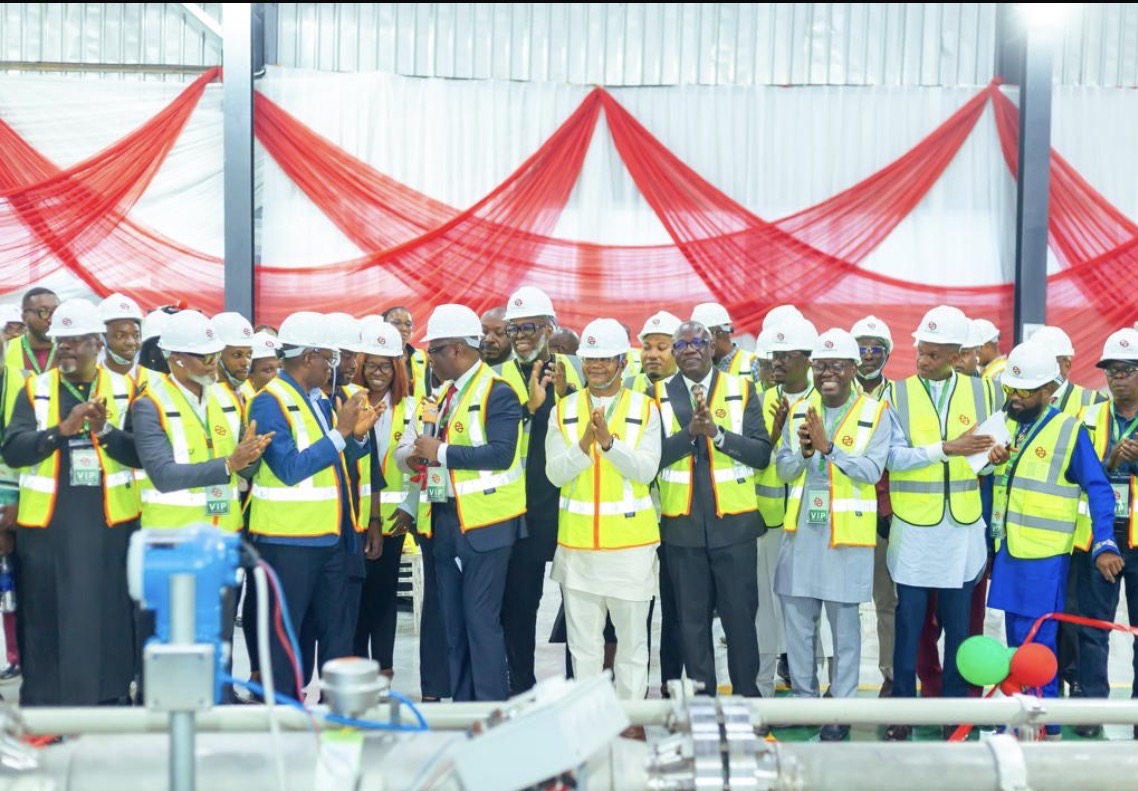
A world-class Gravimetric Flow Metering Calibration Laboratory, the first in Africa, was on Tuesday commissioned at the operational base of Engineering Automation Technology Limited (EATL) at Eket, Akwa Ibom State, with all oil and gas industry regulatory agencies and leading operators in attendance.
The facility, which is engineered to accommodate diverse flow regimes and fluid properties, guarantees accurate and reliable measurement of product transmission through industry pipelines. It incorporates what industry experts describe as “temperature and pressure conditioning, traceable reference standards, and automated data capture,” and would solve problems of flow meter factorisation and recertification.
In a keynote address at the commissioning ceremony, the Executive Secretary of the Nigerian Content Development and Monitoring Board (NCDMB), Engr. Felix Omatsola Ogbe, described the facility as a strategic breakthrough in Nigeria’s oil and gas industry, noting that “For decades, critical calibration and metering services were largely executed outside our shores, resulting in capital flight, increased project timelines, and limited knowledge transfer.”
He said the Gravimetric Multifaceted Flow Metering Laboratory is firmly aligned with the objectives of the Nigerian Oil and Gas Industry Content Development (NOGICD) Act, 2010, on local asset ownership, capacity building, and value retention. Itsstrategic importance, he noted, extends to revenue assurance and regulatory compliance, cost optimisation for industry operators, technology transfer and skills development, and industrialisation of the Niger Delta.
According to Engr. Ogbe, accurate calibration ensures transparency in hydrocarbon accounting and thus strengthens confidence across operators and regulators. Operators, too, would benefit from in-country calibration and metering servicesin terms of reduced logistics costs and turnaround time, while Nigerian engineers, technicians, and metering specialists now have a world-class training ground.
The Executive Secretary said Engineering Automation Technology Limited is among carefully selected corporate entities under NCDMB’s Project 100 Companies Initiative – a strategic programme designed to nurture high-potential indigenous companies into globally competitive champions. The strategy of the Board, he explained, has evolved beyond monitoring to enabling, which involves provision of access to finance, capacity development, infrastructure, co-investments and research and innovation support.
Represented by the Acting Director, Monitoring and Evaluation, Mr. Silas Ajimijaye, the NCDMB boss acknowledged the leadership role of the Nigerian Upstream Petroleum Regulatory Commission (NUPRC) in ensuring that regulatory frameworks continue to support technological advancement while maintaining global standards.
He charged EATL to maintain international quality standards, pursue accreditation and global certifications, invest continuously in research and human capital, and explore regional and continental markets. “Let this facility become a West African hub for flow calibration excellence,” he exhorted.
In her own address, the Commission Chief Executive (CCE) of the Nigerian Upstream Petroleum Regulatory Commission (NUPRC), Mrs. Oritsemeyiwa Eyesan, expressed profound joy at the completion and commissioning of the Calibration and Metering Laboratory, which she declared would be Nigeria’s “national standard.”
“Flow labs in the country’s oil industry will bring their Master Meters here for calibration,” she assured, noting that the NUPRC gave its “very best to support EATL” and would continue to do so.
Represented by the Commission’s Deputy Director, Development, Engr. Manuel Ibifuroko, the CCE said the NUPRC is a business enabler, adding, “We want to be very stringent, but we also have to enable business.” She pointed out that the Commission was determined “to co-create solutions and to ensure costs in the industry are reduced.”
In a welcome address, the Managing Director and Chief Executive Officer of Engineering Automation Technology Limited, Dr. Emmanuel Okon, thanked all the organisations – regulators, industry operators and others who facilitated the transition from “aspiration to operational capability.”
He said EATL was “a vision conceived in 2020 shortly after the inauguration of the second batch of NCDMB’s Project 100 by the then Executive Secretary, a support we are still enjoying from the current Executive Secretary of the NCDMB.”
He pointed out that “NUPRC, NCDMB and NUIMS [National Upstream Investment Management Services, an arm of the NNPCL] form the foundational pillars of this facility,” while inviting the regulatory agencies and all industry stakeholders to engage with the laboratory, “scrutinize its data, and adopt it as a shared benchmark.”
He also acknowledged the exceptional support and invaluable partnership of Renaissance Africa Energy Company Limited throughout the commissioning process, particularly “for providing the Meter Under Test, without which the milestone would not have been achieved.”
The Chief Upstream Investment Officer of the Nigerian National Petroleum Company Limited, represented by the Deputy Manager, Production Sharing Contracts (PSC), Engr. Paul Duke, commended Engineering Automation Technology Limited for its “vision, dedication and technical excellence demonstrated in conceptualizing and delivering a world-class system.”
He noted that with the facility now in place, Nigeria strengthens its capacity for accurate measurement, improved hydrocarbon accounting, and enhanced regulatory compliance, which he described as “critical pillars for transparency and value optimization across the upstream and midstream value chains.”
Engr. Duke expressed appreciation for the collaboration among stakeholders, notably, regulators, operators, service providers, and technical teams, whose collective efforts have brought the initiative to fruition. He said the facility “aligns fully with NNPC Ltd.’s mandate to drive accountability, efficiency, and sustainability in Nigeria’s hydrocarbon operations.”
In related comments, Project Director in the Group Chief Executive Officer’s Office, NNPCL, Mr. Adokiye Charles, said the gathering was not just to activate the facility. According to him, “We are gathered here today to commission accountability; we are gathered here today to commission integrity… and to commission trust.” He expressed great delight at the landmark development.
For his part, the immediate past Executive Commissioner, Development and Production, NUPRC, Engr. Amadasu Enorense, said the commissioning marked a defining milestone in Nigeria’s industrial journey. According to him, “To have the first Flow Metering Calibration Laboratory in Africa is indeed a major milestone.”
In a detailed explanation of the benefits the facility would bring to Nigeria, he pointed out that, “By establishing this in-country calibration laboratory, we are declaring that precision will no longer be outsourced; competence will no longer be imported, and value will no longer be exported unnecessarily.”
He revealed that hitherto, calibration services of such technical complexity required sending equipment – and capital – overseas, resulting in “foreign exchange outflows, project delays, and lost opportunities for our engineers and technicians to develop world-class expertise.” “Today,” he remarked, “We reverse that trend.”
He urged industry operators to support the facility, utilize it, and partner the company to strengthen it. To Nigeria’s young engineers, his message was, “This Laboratory represents opportunity; master the science, uphold integrity and innovate endlessly.” According to him, “The future of our industry will be defined not just by [oil and gas] reserves in the ground but also by knowledge.”
From a major partner in the project, Emerson Automation, were words of assurance of continued support and collaboration. According to the company’s Area Director, West Africa and Angola, Engr. Chukwuma Ossaiga, “If we create value we can impact the next generation.” He urged oil and gas industry players to patronise the facility.
From a representative of Renaissance Africa Energy Company Limited, Mr. Enobong Ekanem, was a firm assurance of full patronage of the facility. The NNPCL and other operators all affirmed their confidence in the facility and assured the Management of their preparedness to continue to do business with the company





Fuel Price Shock: Nigerians May Soon Pay ₦1,500 Per Litre – Marketers Warn

Political Earthquake in Zamfara as Gov Lawal Dumps PDP for APC

Court Pushes Malami, Son’s Terrorism Financing Trial to April 15

African Club Football Gets Major Financial Boost as CAF Hikes Prize Money

Abramovich Clashes with UK Gov’t Over £2.35bn Chelsea Sale Funds

Global Crisis: Attacks on Schools Skyrocket 166% – UN Sounds Alarm on Children’s Safety

Trump’s Family Unveils New Cryptocurrency Platform

Reps Recommend 3-year Jail Term For Aviation minister

Senate Denies Receiving Petitions Against Tinubu’s Ambassadorial Nominees

Dangote Cement Lights Up Benue Host Communities With CSR Initiatives

Things To Know About Threads, Zuckerberg’s Twitter-like App

Wohh precisely what I was looking for, thanks for putting up.
fantástico este conteúdo. Gostei bastante. Aproveitem e vejam este conteúdo. informações, novidades e muito mais. Não deixem de acessar para aprender mais. Obrigado a todos e até mais. 🙂
My programmer is trying to convince me to move to .net from PHP. I have always disliked the idea because of the expenses. But he’s tryiong none the less. I’ve been using Movable-type on a number of websites for about a year and am nervous about switching to another platform. I have heard great things about blogengine.net. Is there a way I can transfer all my wordpress posts into it? Any help would be really appreciated!
Good ?V I should definitely pronounce, impressed with your web site. I had no trouble navigating through all tabs and related information ended up being truly easy to do to access. I recently found what I hoped for before you know it in the least. Quite unusual. Is likely to appreciate it for those who add forums or anything, web site theme . a tones way for your client to communicate. Excellent task..
I went over this web site and I conceive you have a lot of great info , saved to fav (:.
I have been absent for some time, but now I remember why I used to love this web site. Thank you, I will try and check back more frequently. How frequently you update your web site?
Perfectly composed subject matter, thanks for selective information. “Necessity is the mother of taking chances.” by Mark Twain.
Would you be fascinated about exchanging links?
You really make it appear really easy together with your presentation however I to find this matter to be really something that I feel I would never understand. It sort of feels too complex and very large for me. I am looking ahead to your next put up, I’ll try to get the dangle of it!
Hey there! I could have sworn I’ve been to this blog before but after reading through some of the post I realized it’s new to me. Anyways, I’m definitely glad I found it and I’ll be bookmarking and checking back often!