Other News
New EU support to increase security in the Central African region


BRUSSELS – Today, the EU announced that it would provide close to €2 million to support the fight to eliminate the Lord’s Resistance Army (LRA), a militant movement in the Central African region.
The new contribution will support the “Regional Cooperation Initiative for the elimination of the Lord’s Resistance Army” (RCI-LRA), led by the African Union, in Uganda, the Democratic Republic of Congo, South Sudan and the Central African Republic, for a period of 17 months. It will cover, among other things, staff allowances, communication equipment and operational costs of this initiative.
Andris Piebalgs, EU Commissioner for Development, said: “The Regional Cooperation Initiative has been instrumental in creating a peaceful and secure environment for development in the LRA-affected countries and this is why the EU has been supporting it since 2011. It has degraded the LRA and increased pressure on its combatants to defect. It is essential to sustain the initiative’s operations to eliminate the threat of LRA once and for all”.
The LRA remains a destabilising factor in the Central African region, and in particular in South Sudan, the Democratic Republic of Congo and the Central African Republic; this has dire security and humanitarian consequences. The military movement has been causing fear, panic and displacement with brutal actions including killings, rapes and abductions. It is estimated that 353,000 people are still displaced in LRA-affected areas. The LRA leaders were the first individuals indicted by the International Criminal Court in 2005 for war crimes and crimes against humanity, including murder, rape and forced enlistment of children.
In response to the atrocities committed by the LRA, the African Union decided in 2011 to establish the RCI-LRA in order to defeat the LRA in Uganda, South Sudan, the Democratic Republic of Congo and the Central African Republic. The initiative comprises a Joint Coordination Mechanism (JCM) which coordinates the initiative at political and strategic level, involving the African Union Commissioner for Peace and Security and the ministers of defence of the countries mentioned above. It also operates a ‘Regional Task Force (RTF)’ composed of currently 3,085 military troops from the affected countries.

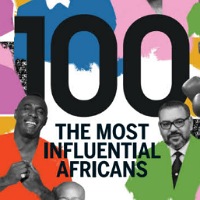
The New African magazine has announced its highly anticipated list of the 100 Most Influential Africans of 2024, recognizing exceptional individuals who have made significant contributions to politics, business, science, sports, and civil society.
The annual compilation celebrates achievements by Africans on the continent and in the diaspora, reflecting the diversity and ingenuity of African talent.
READ MORE: Ekiti Magistrate Court Faces Backlash Over Harsh Bail Conditions for Dele Farotimi
In a statement, Anver Versi, editor of the London-based magazine, emphasized the importance of the list in today’s divided global climate.
She said, “We need this because I cannot recall the world being so polarised, so divided, so stone-faced in the face of terrible man-made atrocities.
“The 100 Most Influential Africans of 2024 edition of New African offers an in-depth look at the lives and achievements of the extraordinary individuals shaping the African narrative on the continent and abroad.
“Their stories serve as a source of inspiration and a testament to the resilience and ingenuity of the African spirit.”
Spotlighting African Excellence Across Fields
Politics and Public Service
1. Bassirou Diomaye Faye
2. Kemi Badenoch
3. Muhammad Ali Pate
4. Claver Gatete
5. Ali Mohamed
6. King Mohamed VI
7. Ronald Lamola
8. Yemi Osinbajo
9. Nardos Bekele-Thomas
10. Ibrahima Cheikh Diong
Business
11. Robins Tchale-Watchou
12. Fatima Tambajang
13. Dr. Sidi Ould Tah
14. Samaila Zubairu
15. Thierno-Habib Hann
16. Akinwumi Adesina
17. Tariye Gbadegesin
18. Adebayo Ogunlesi
19. Wale Tinubu
20. Aigboje Aig-Imoukhuede
21. Prof. Benedict Okey Oramah
22. Moulay Hafid Elalamy
23. Olugbenga Agboola
24. Alain Ebobissé
25. Tunde Olanrewaju
26. Nassef Sawiris
27. Aliko Dangote
28. Ismael Belkhayat
29. Hassatou Diop N’Sele
30. Jeremy Awori
31. Manuel Moses
32. Hassanein Hiridjee
33. Rene Awambeng
Civil Society
34. Joseph Moses Oleshangay
35. Mohamed Adow
36. Michael Kakande
37. Ndidi Okonkwo Nwuneli
38. William Asiko
39. Eva Omaghomi
40. Nelson Amenya
41. Helmy Abouleish
42. Binaifer Nowrojee
Science and Academia
43. Elhadj As Sy
44. Chinasa T. Okolo
45. Tshilidzi Marwala
46. Prof. Colleen Masimirembwa
47. Prof. Moses Obimbo Madadi
48. Rediet Abebe
49. Rachid Guerraoui
50. Abdoulaye Diabaté
51. Joy Buolamwini
52. Abeba Birhane
Opinion Shapers
53. Miatta Fahnbulleh
54. Olajide Olatunji
55. Carlos Lopes
56. Zain Verjee
57. John-Allan Namu
58. Vera Songwe
59. Nesrine Malik
60. Tayo Aina
61. Thebe Ikalafeng
62. Mavis Owusu-Gyamfi
63. Hannah Ryder
64. Ayman Mohyeldin
65. Nicolas Pompigne-Mognard
Creative Arts
66. Zineb Sedira
67. Rita Mawuena Benissan
68. Iansmith Mwenda
69. Idris Elba
70. Ken Wakia
71. Adejoké Bakare
72. Ayra Starr
73. Selma Feriani
74. DJ Edu
75. Eugene Mbugua
76. Chigozie Obioma
77. Kamel Daoud
78. Tesfaye Urgessa
79. Mehdi Qotbi
80. DBN Gogo
81. Yinka Ilori
82. Amina Lola Shoneyin
83. Ekow Eshun
84. Zhong FeiFei
85. Mati Diop
86. Hassan Hajjaj
87. Koyo Kouoh
88. Mo Harawe
89. Victoria Kimani
Sports
90. Patrice Motsepe
91. Letsile Tebogo
92. Imane Khelif
93. Tunde Onakoya
94. Gelson Fernandes
95. Oumar ‘Reug Reug’ Kane
96. Biniam Girmay
97. Ademola Lookman
98. Ruth Chepng’etich
99. Omar Berrada
100. Sifan Hassan
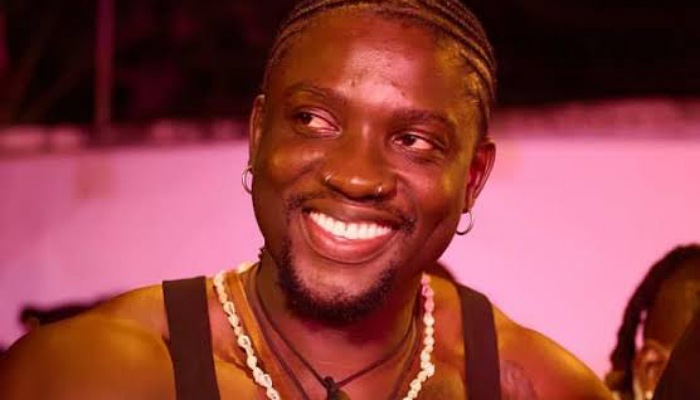
Prominent activist Martins Otse, widely known as VeryDarkMan (VDM), has alleged that over N180 million was stolen from the account of his NGO, the Martins Vincent Osei Initiative, following a cyberattack.
Otse, who launched the initiative in October, initially raised over N35 million within hours of its debut.
The campaign gained further momentum when celebrated music producer Michael Collins Ajereh, popularly known as Don Jazzy, contributed N100 million.
READ MORE: Dangote Partnership: MRS Urges Nigerians To Insist On N935/Litre Petrol Price Nationwide
In a video shared on Instagram on Friday, Otse disclosed that the NGO’s funds were diverted into an unknown account.
He said, “Honestly, I’ve not been myself for the past few days. Somebody hacked into the NGO website, and N180 million is missing. Thankfully, we’ve tracked the person, and one suspect has been arrested.”
Otse revealed that the NGO’s bank account has been placed on Post No Debit (PND) status to prevent further withdrawals.
According to him, while N20 million remains in the account, N160 million was siphoned. He added that steps are being taken to recover the money.
“We’re heading to Jos to recover the money,” he stated.
As a precaution, Otse confirmed that the NGO’s app has been temporarily shut down for maintenance and enhanced security measures.
He assured supporters of regular updates on the situation.
The Martins Vincent Osei Initiative was created to support vulnerable populations and address societal issues.

Embattled Nigerian pastor and founder of SPAC Nation, Tobi Adegboyega, has defended his opulent lifestyle, claiming it serves to inspire young people rather than flaunt wealth.
This statement comes amid a UK Immigration Upper Tribunal ruling ordering his deportation over visa violations.
Adegboyega, 44, faced accusations of overstaying his visitor visa, which expired after he arrived in the UK in 2005.
Related News: Nigerian Pastor, Adegboyega Faces Deportation From UK Over £1.87m Fraud Allegations
He had applied to remain in the country on human rights grounds. The tribunal, however, ruled against him, citing his failure to regularize his status.
The pastor’s luxurious lifestyle, including designer clothing and expensive cars, was a focal point of the case.
Addressing the tribunal, Adegboyega stated that his lifestyle is fully funded by his wife, Mary Olubukola Alade, who earns £100,000 annually at AON.
He said, “I live with my partner, Mary Olubukola Alade, who earns £100,000 per year working for AON. I spend my time working for the church, for which I am unpaid. I am entirely supported by Mary. I have a first-class law degree from Nigeria, but I have ‘sacrificed’ my legal career to help those who cannot help themselves.”
Defending his appearance, Adegboyega emphasized the importance of projecting success to his young congregation.
The court noted, “For instance, people have pointed to the fact that he wears designer clothing and drives expensive cars. He was adamant that all of his personal possessions had been paid for by Mary.
“He believes it is important for him to dress the way that he does because he needs to inspire these young people – they need to understand that there are legitimate ways of making money, for instance through entrepreneurship.”
Despite the ruling, Adegboyega dismissed the deportation concerns as insignificant.
“I’m right here at home, no cause for alarm. Naturally, I will dismiss things that have to do with retrogression; every Nigerian should be proud of me. Living in the UK, a city that is well known for pulling people down, I have survived all sorts, so the matter that they are propagating is the smallest matter,” he said.
He further expressed confidence in his resilience. “No panic, I love London city, it is my city, and nobody can do anything. Of all the people of colour you know here – pastors and leaders – I have survived everything. I’m here, I am at home, nobody should panic for me.
“I succeeded well in this country despite all challenges, and I’m in the league of people you look up to. I have survived that well; nothing has changed, nothing will change,” he added.






Portable Alleges VDM’s Culpability In Missing NGO Funds

REVEALED: FG Spends N1.1bn On Top Lawyers Over Three Years

2025: President Tinubu’s Media Chat, Budget And A Year Of Consolidation

2025: Nigerian States Fail To Achieve 60% Budget Execution In 2024

New African Magazine Reveals 2024’s 100 Most Influential Africans (Full List)

Northern Group Condemns Sokoto Bombing, Demands Independent Probe

OSSG Raises Alarm Over Murder Plot By APC Chieftain

NCC, SMEDAN, NAICOM, SEC, Others Set for SUPERNEWS SMEs Conf June 13
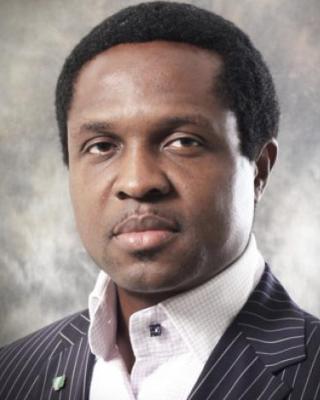
Sahara’s Tonye Cole resigns from GPHCDA
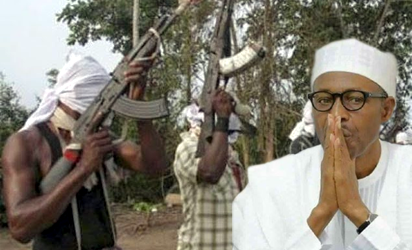
Niger Delta Avengers: President Buhari Reads riot Act …considers the carrot and stick option

Oando opens ultra-modern petrol station in Lagos