
NEWS
NGX Rides on 2022 Global Market Downturns with Landmark Listings

The Nigerian Exchange Limited (NGX) rode on the back of landmark listings to a strong performance in the year 2022.
This was disclosed at NGX 2022 Market Recap and 2023 Outlook on Wednesday.
Chief Executive Officer, NGX, Temi Popoola, said, “In 2022, the equities market performance was evidenced by the 19.98% increase in the NGX All-Share Index, which rose from 40270.72 to 51,251.06 just as the market capitalisation also closed at a high of N27.92tn, up from N21.06tn the previous year. The total turnover of trades in 2022 improved by 27% from N916bn to N1.16tn year-on-year from 2021.
“Market participation was heavily skewed to the domestic investors. The Fixed Income market saw a slight uptick in turnover to N3.89bn in 2022 from N3.53bn recorded in 2021. This represents a 10.20% YoY increase.
“The Exchange Traded Funds market capitalisation increased from N7.35Bn in 2021 to N8.42Bn in 2022, representing a 14.56% increase in the market capitalisation. Stanbic IBTC ETF 30 which tracks the performance of NGX 30 index was the best performing ETF in 2022, having begun the year at N68.5 and closed at N245, reflective of 257.66% returns. ETF transactions fell from N34.22bn in 2021 to N211.02m in 2022. This represents a 99.38% decline in ETF turnover.
“Altogether, this signalled a good year for the Exchange despite global macroeconomic headwinds.”
Landmark Listings
The yearly performance can be attributed in part to the N4.3trn in listings recorded by NGX across Equities and Fixed Income markets.
These listings included the raising of N2.54trn of bond listings for the Federal Government of Nigeria, as well as equity listings totalling N1.35trn from companies such as BUA Foods Plc and Geregu Power Plc.
Corporate bond listings also contributed significantly to the Exchange’s performance, with a total of N364.78bn raised through listed instruments such as Dangote Industries Plc’s N177.12bn senior unsecured bonds, Lagos Free Zone Company SPV Plc’s N25bn fixed rate infrastructure bonds and Ardova Plc’s N11.44bn and N13.86bn fixed rate senior unsecured bonds. NGX also listed FGN Multi-Tranche $4bn Eurobonds which further demonstrated its diversity of offerings and its ability to attract a wide range of businesses looking to raise capital.
The value of these listings displays NGX’s commitment to positioning itself as a premier location for capital raising and formation, as well as its ongoing development efforts in the Nigerian capital market post its demutualisation.
The Exchange’s ability to facilitate a wide range of transactions and attract a diverse range of businesses highlights its position as a leader in financial market innovation and progress on the African continent.
Partnerships
The NGX partnered with MTN Nigeria to further enhance retail participation in the country’s capital market.
The NGX also forged strategic partnerships by signing Memoranda of Understanding with the Bank of Industry and Dubai Financial Market to deepen the capital market and build capacity for inclusive growth.
These spotlighted the Exchange’s commitment to supporting the development of the Nigerian capital market and fostering growth and prosperity in the country.
Sustainability Drive
The NGX demonstrated its commitment to sustainability in 2022 through a number of initiatives and collaborations.
In an effort to further catalyse Nigeria’s path towards reducing greenhouse emissions and aligning with the objectives of the Paris Agreement, the NGX collaborated with the International Finance Corporation (IFC) on a Green, Social and Sustainability Bonds workshop for capital market stakeholders.
The NGX, through its specialised knowledge platform, X-Academy, collaborated with the NGX Regulation Limited (NGX RegCo) and Global Reporting Initiative (GRI) on a capacity building session focused on sustainability reporting and Environmental, Social, and Governance (ESG) disclosures for listed corporates.
The Exchange joined over 100 securities exchanges around the world in celebrating International Women’s Day and Ringing the Bell for Gender Equality.
The event, hosted in collaboration with International Finance Corporation (IFC), Sustainable Stock Exchanges (SSE) Initiative, United Nations (UN) Women, United Nations Global Compact (UNGC), and World Federation of Exchanges (WFE), brought stakeholders together to explore the key issues that could facilitate progress towards gender equality through policy and finance.
The NGX continues to progress in its EDGE certification process with the support of IFC under the Nigeria2Equal Programme.
This certification recognises organisations that are committed to gender equality in the workplace, and NGX’s participation demonstrates its dedication to promoting sustainable and inclusive practices.
Product Development and Innovation
April 2022 was a particularly significant month, with the launch of West Africa’s first Exchange Traded Derivatives market on the NGX.
This innovative development expands the exchange’s offerings and cements its position as a leader in the African financial market.
The approval of the NGX Technology Board Listing Rules by the Securities and Exchange Commission (SEC) and the hosting of the Made of Africa Awards, which recognised and rewarded innovation and compliance were the highlights in December.
The approval of the listing rules further demonstrates the NGX’s commitment to providing a reliable and efficient platform for capital raising and positions the Exchange as an attractive destination for capital formation by companies within the Technology sector.
The Made of Africa Awards highlighted the Exchange’s dedication to fostering innovation and spurring compliance to best practices in the capital market.
The NGX’s strategic partnership with other exchanges in Africa under African Securities Exchanges Association yielded fruits with the launch of the African Exchanges Linkage Project, (AELP) which is aimed at boosting trade and capital flows between African capital markets.
CEO, NGX, Temi Popoola was also elected to the executive committee of the African Securities Exchanges Association.
The year was brought to a close with a high note as popular filmmaker Kemi Adetiba closed the market, with the NGX soaring by 19.98%. This strong finish to the year was a testament to the NGX’s continued success and growth in the Nigerian capital market.
Overall, the data and events of 2022 demonstrate the Exchange’s focus on providing a reliable and efficient platform for capital raising and formation, as well as its ongoing product and services expansion in the Nigerian capital market. Its dedication to fostering sustainable development in the African economy positions it as a driving force for innovation and progress on the continent.
2023 Outlook
By the words of Popoola, the NGX would take a flexible approach to strategy execution in 2023, doubling down on its 2022 achievements and expanding on several levers.
“As you know, the NGX Technology Board Listing Rules were approval by the apex regulator, the Securities and Exchange Commission in December 2022. With this, we aim to drive more technology companies to the Exchange and deepen capital formation in the technology sector. Currently we are in consultations with stakeholders in the sector and we are confident of securing a few big names within the year,” the CEO added.
“On strategic partnerships, we will be forging more with development finance institutions, banks, both local and international to further develop the market.
“We aim to do more on trading where we improve data dissemination to attract a larger investor base, especially from the retail side. We will be using listings as a vehicle for meeting strategic aspirations as the new dispensation comes in through increased advocacy and engagements.
“NGX sees sustainability as not just important but also a profitable frontier of its business and work is ongoing on developing a framework for certifications in carbon credits trading, pending regulatory approval.
“On the capital market’s digital transformation, the Exchange is working on USSD launch in collaboration with Telcos and Banks; unlocking the African Capital markets via payment integration with Afreximbank’s Pan African Payment Settlement System.”
Biztellers reports that the Exchange has also set its sight on the development of new products aimed at attracting the lower rung of the Nigerian demography.
“(The) NGX is also focused on increasing youth participation with the creation of digital asset products powered by Blockchain technology, non-depository receipts and overall increasing the pool of available liquidity in the market.
“Altogether, 2023 is likely to be a new dawn for the market and the Nigerian economy as significant events take shape in the macroeconomic and political environments.”



The Inspector-General of Police, Olatunji Rilwan Disu, has urged Nigerians to remain calm and vigilant following the Federal Government’s reported confirmation of an Ebola case in the Federal Capital Territory (FCT), warning against contact with the blood and body fluids of suspected patients.
Disu also called for strict adherence to preventive measures, improved personal hygiene and cooperation with public health authorities to protect lives and prevent further transmission of the disease.
SEE MORE: 2027 Election: ‘Your Future Is More Valuable’ — IGP Warn Youths Against Political Violence
In a statement issued on Monday, October 26, 2026, by the Force Public Relations Officer, CSP Ani Iniedu, the IGP emphasised the importance of public awareness and collective responsibility in combating the outbreak.
Know the Warning Signs
The Nigeria Police Force urged Nigerians to familiarise themselves with the symptoms associated with Ebola and seek medical guidance if they develop symptoms following possible exposure.
The warning signs highlighted in the police awareness campaign include: Fever,Severe, headache, Muscle pain, Weakness, Vomiting, Diarrhoea, Unexplained bleeding.
The public was cautioned not to wait until bleeding occurs before seeking medical assistance.
Anyone who suspects they may have been exposed to the virus should promptly contact health authorities for guidance.
How Ebola Spreads
According to the awareness information provided by the Nigeria Police Force, Ebola can spread through direct contact with the blood or body fluids of an infected person.
Transmission can also occur through contact with contaminated items or the body of someone who has died from the disease.
Members of the public were therefore advised to avoid direct contact with the blood, body fluids and personal items of suspected patients.
The police also warned against touching or washing the bodies of people suspected to have died from Ebola.
Preventive Measures Nigerians Should Follow
The IGP urged Nigerians to observe basic preventive measures to reduce the risk of infection.
The measures include washing hands regularly with soap and water, avoiding contact with suspected patients’ body fluids and staying away from potentially contaminated items.
The public was also advised not to handle the bodies of suspected Ebola victims and to cooperate with healthcare workers and contact-tracing teams.
According to the awareness poster, individuals who may have been exposed to the virus should avoid physical contact with others if they begin feeling unwell and contact health authorities for immediate guidance.
The poster further advised anyone experiencing symptoms following possible exposure to contact the Nigeria Centre for Disease Control and Prevention (NCDC) through its toll-free helpline, 6232.
IGP Directs Police Officers to Observe Safety Measures
Disu also directed police personnel to observe appropriate infection prevention measures while carrying out their duties and promptly refer suspected cases to qualified health professionals.
The police said suspected patients, contacts and healthcare workers must be treated with dignity and without discrimination.
The Force further called on Nigerians to cooperate with contact-tracing teams, provide accurate information when required and refrain from spreading unverified reports capable of causing unnecessary panic.
Members of the public were encouraged to rely on official updates from the Federal Ministry of Health and Social Welfare, the NCDC and other authorised public health agencies.
Police Warn Against Stigmatisation
The Nigeria Police Force assured Nigerians of its commitment to supporting relevant health authorities in protecting lives and maintaining public order throughout the period.
The Force also urged the public to share accurate information, remain vigilant and avoid stigmatising people affected by or suspected of having the disease.
The awareness campaign stressed that protecting public health is a shared responsibility and encouraged Nigerians to stay informed and follow appropriate preventive measures.
Members of the public should seek guidance from authorised health officials if they suspect exposure to Ebola.
Professor Stefan Dercon, a development economist at the University of Oxford, has warned that Nigeria cannot replicate China’s economic development model, urging the country to adopt pragmatic policies that reflect its own institutional realities.
Dercon made the remarks on Monday at the opening ceremony of the 32nd Nigerian Economic Summit (NES #32) in Abuja, where he highlighted the importance of leadership commitment, economic transformation and policies that promote sustainable growth.
According to him, Nigeria lacks the institutional structures that supported China’s development and must therefore identify an economic model suited to its own circumstances.
SEE MORE: China Grants 30-Day Visa-Free Entry To British, Canadian Travelers
“Nigeria does not have a Chinese state, and it can dream of it, but it doesn’t. But it also means it can’t do a China,” Dercon said.
He explained that China’s development was supported by a long history of meritocratic institutions, including a rigorous public examination system for civil servants that had existed for approximately 1,300 years.
The economist noted that many countries developed their state institutions through patronage and personal connections rather than merit-based systems, creating differences in their capacity to implement development policies.
Dercon, however, said Nigeria could still learn from successful economies by identifying approaches that fit its own circumstances rather than attempting to copy another country’s model.
He pointed to China’s shift away from an ideology-driven economy under former leader Mao Zedong towards a more pragmatic approach focused on economic growth and progress.
According to him, countries that achieve economic success share a commitment among their leadership to growth, regardless of the specific economic model they adopt.
“That’s actually what all countries that are successful, whatever the blueprint or the models they try to use, have in common. That’s an elite commitment to actually growth using a model that fits the context,” he said.
Dercon Calls for Economic Transformation
The Oxford economist urged Nigeria to demonstrate a serious commitment to transforming its economy, creating jobs and improving prosperity.
He argued that the country needed to move away from an economic system that benefits a limited group of people towards one that delivers broader opportunities and sustainable development.
“So what Nigeria needs is that. It needs a really serious commitment to begin to change this model,” Dercon said.
He added that the government must recognise its capabilities and limitations while identifying and correcting policies that undermine economic growth.
Dercon also emphasised the importance of learning from experience, testing policies and making necessary adjustments to achieve better results.
“But all these places, they learned, they tried, and they corrected, and then they made progress,” he said.
Indonesia Offers Lessons for Nigeria
Dercon also identified Indonesia as a country Nigeria could study for lessons on economic development, while acknowledging that the two countries have important differences.
He argued that economic growth should be treated as a national security priority because a stronger economy is essential to national development and stability.
“You need to grow the economy, you need to develop. That’s an issue of national security. I don’t think I have to explain that in Nigeria’s context either,” he said.
He advised Nigerian policymakers to maintain macroeconomic stability, remain consistent with sound economic policies and focus on practical measures capable of supporting long-term growth.
Dercon stressed that Nigeria’s priority should be to develop an economic strategy that reflects its institutional realities while promoting productivity, job creation and shared prosperity.
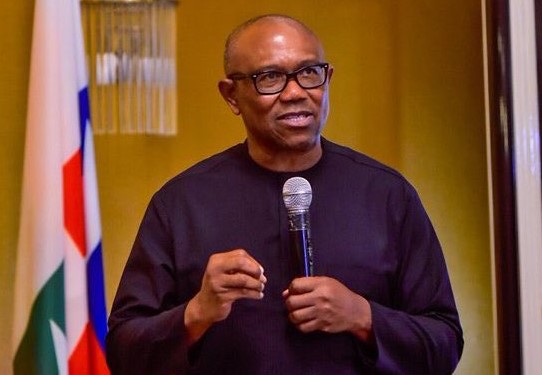
The 2027 presidential candidate of the Nigeria Democratic Congress (NDC), Peter Obi, has demanded the immediate release of Rilwan Olawale over his reported arrest, while accusing President Bola Tinubu of undermining Nigeria’s democracy.
Obi made the call in a statement posted on his X account on Monday, where he condemned what he described as the continued intimidation and harassment of his supporters across the country.
The former Anambra State governor expressed concern over Olawale’s case, demanding transparency regarding the circumstances surrounding his arrest and respect for his fundamental rights.
SEE MORE: Peter Obi Meets UK Officials, Diaspora Stakeholders on Rebuilding Nigeria
“Civility is not weakness. Enough of the harassment of my supporters. Release Rilwan Olawale now.” Obi wrote.
He also criticised Tinubu, arguing that the President, whom he described as a major beneficiary of Nigeria’s democratic system, should not support actions that could undermine democratic values.
“President Bola Tinubu has remained a huge beneficiary of our democracy and should not brazenly be destroying it by encouraging and facilitating violence,” he stated.
Obi maintained that his political campaign was peaceful and focused on offering Nigerians an alternative built on competence, accountability, justice and compassion.
According to him, his approach to politics is based on peaceful engagement and persuasion rather than violence and intimidation.
“We have chosen the path of peace, not violence; persuasion, not intimidation. However, nobody should mistake our civility for weakness, our restraint for fear, or our commitment to peace for an absence of resolve,” he said.
The former presidential candidate added that neither he nor his supporters would be intimidated into silence or abandon their pursuit of what he described as a New Nigeria.
Obi subsequently demanded transparency over Olawale’s reported arrest, his release and respect for his rights, while calling for an end to what he characterised as politically motivated harassment.
He stressed that every Nigerian should have the freedom to support a political candidate of their choice without intimidation or interference.
“No government or political party has the right to deny Nigerians the freedom to support a candidate of their choice,” Obi added.
Reaffirming his commitment to peaceful political engagement, Obi said he and his supporters would continue to defend their democratic rights through lawful means.
“We will remain peaceful but resolute. We will not resort to violence, but we will stand firmly and lawfully against every attempt to undermine our democratic rights,” he stated.
He concluded by reiterating his optimism about Nigeria’s future, declaring that a better country remained possible.
“A New Nigeria is possible and will be OK,” Obi said.





Ebola: IGP Warns Nigerians Against Contact With Suspected Patients’ Body Fluids
‘Nigeria Cannot Do What China Did’ – Oxford Economist Warns

Peter Obi Demands Release of Rilwan Olawale, Accuses Tinubu of Undermining Democracy
Fears of Fresh US Strikes on Iran Fuels Crude Price Surge

Navy Uncovers 132,000 Litres of Stolen Crude Oil in Bonny

Delta Police Arrest School Bus Driver Over Alleged Kidnap, Rape of 14-Year-Old Student

Trump’s Family Unveils New Cryptocurrency Platform

Senate Denies Receiving Petitions Against Tinubu’s Ambassadorial Nominees

Dangote Cement Lights Up Benue Host Communities With CSR Initiatives

Reps Recommend 3-year Jail Term For Aviation minister

Tems Sets New Record On Billboard Hot 100 Chart
