Finance
NLNG commissions $2m Engineering Laboratory at UNN


Yemie ADEOYE
PORTHARCOURT – Nigeria LNG Limited (NLNG) has commissioned a $2 million NLNG/UNN Engineering Laboratory donated to the University of Nigeria, Nsukka (UNN) as part of the company’s $12 million University Support Programme (USP) launched in 2014 to help develop engineering education capacity in the country.
According to a statement signed by Kudo Eresia-Eke of NLNG and made available to Biztellers, The center is the fifth of six world class science/engineering laboratories donated by the company. NLNG has so far commissioned the Ahmadu Bello University Multi-user Engineering Laboratory, University of Ibadan Engineering Complex, NLNG Centre for Gas, Refining and Petrochemical Engineering at University of Port Harcourt, and the NLNG Engineering Research Centre at the University of Ilorin under its USP scheme. The sixth and last project at the University of Maiduguri is completed and ready for commissioning.

(L-R) General Manager, External Relations (NLNG), Kudo Eresia-Eke; Vice Chancellor, University of Nigeria, Nsukka (UNN), Professor Benjamin Ozumba; Deputy Managing Director (NLNG), Sadeeq Mai-Bornu; and Deputy Governor, Enugu State, Mrs. Cecilia Ezeilo being briefed on engineering research equipment during the commissioning of the NLNG/UNN Engineering Laboratories under NLNG’s University Support Programme (USP)…recently.
Present among others at the well-attended event were the Executive Governor of Enugu State, Rt. Hon. Ifeanyi Ugwuanyi, represented by the Deputy Governor, Mrs. Cecilia Ezeilo; the Minister of Science and Technology, Dr Ogbonnaya Onu, represented by Dr C.N. Agulana; NLNG management; members of the University Council led by Professor Benjamin Ozumba, UNN Vice Chancellor; Chairman and representative of the State Council of Chiefs and other dignitaries.
In his keynote address, Tony Attah, Managing Director and Chief Executive Officer of NLNG, who was represented by the Deputy Managing Director, Sadeeq Mai-Bornu, said: “At Nigeria LNG, driven by the need to take decisive action, the Company’s Board of Directors approved the University Support Programme (USP) in 2013, to provide structured support to the development of ‘Research and Scholarship’ in the country by investing $12million in 6 universities across Nigeria i.e. one in each geopolitical zone.
“The project strategic vision in addition to supporting teaching and research aspires to help produce and unleash the next generation of Nigerian engineers who themselves are crucial to the future development of Nigeria. This vision and NLNG’s belief in Nigeria is reflected in the fact that we run a successful world class global company from Nigeria, operated and headed by a workforce that is 95% indigenous and a senior management team which is entirely Nigerian.
“We are pleased to report that we have completed all the projects and commissioned four, with today marking the fifth and semi-final event. Significantly also, we learnt that UNN currently has nearly 100 research groups and projects operational within the university community across faculties, departments and focus groups. This suggests that the USP facilities here have been delivered to what one might call a natural home. We shall be observing closely to see that this expectation is realised and sustained as fully as possible,” he added.
Governor Uwuanyi, in his address, commended NLNG, saying “it is a true affirmation of the value that NLNG places on its corporate social responsibility. Some may have the wealth and the potentials of authority, and yet not have the heart to spread it around. To the MD and the entire NLNG team, I say thank you.”
The Vice Chancellor of the university, Professor Benjamin Ozumba, also joined in the commendation, stating “we particularly laud NLNG for the unique interest and commitment that they have shown to ensure the successful implementation of the Memorandum of Agreement. You have done everything to actualise this dream. We thank NLNG for the USP initiative and for the inclusion of UNN.”
The NLNG Engineering Research Laboratory at UNN includes a Civil Engineering, Materials and Metallurgical Engineering Laboratory, Mechanical Engineering Laboratory, Agriculture and Bio-resources Engineering Laboratory, Electrical Engineering Lab, Electronics and a computer-aided design laboratory fully equipped with digital equipment.
The six universities under the University Support Programme were selected based on rankings by the National Universities Commission (NUC), other international bodies, as well as long standing contributions to the development of local capacity in Nigeria and their outstanding performance within each of the six geopolitical zones in the country, especially in the area of engineering and technical education.
The USP programme is one of NLNG’s interventions in education. The company administers a scholarship programme that covers secondary school, undergraduate and overseas post-graduate studies. The scholarship has benefited some 3000 Nigerian students.
Nigeria LNG Limited is the most significant arrow-head of the federal government’s quest to eliminate gas flaring and derive value from the country’s 187 trillion cubic feet of proven gas reserves.
NLNG is owned by four shareholders, namely, the Federal Government of Nigeria, represented by the Nigerian National Petroleum Corporation, NNPC (49%), Shell Gas BV, SGBV, (25.6%), Total LNG Nigeria Limited (15%), and Eni International (N.A,) N. V. S. a. r. l (10.4%).
Business
Nigeria pays US$4.9 billion on petrol subsidy in 2024- NNPCL
It was however noted by Biztellers.com.ng, that although subsidy is back in effect, the main reason for that is the increasingly weak state of the Naira and the country’s extreme dependence on products importation. Also unlike the previous subsidy era, where several oil marketers were getting free subsidy refunds for unverified product importation, this subsidy era is witnessing only one importer, the NNPCL, which in effect is the sole receiver of government subsidies.
Yemie ADEOYE
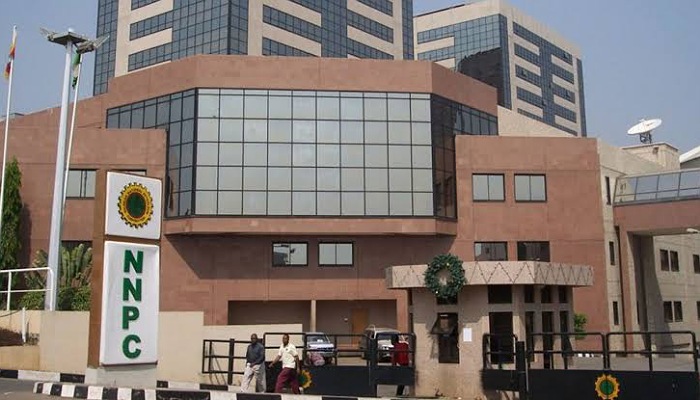
INSPITE of the official position of the Nigerian government that the controversial petrol subsidy is gone for good as announced by the President on assumption of office, the state owned Nigerian National Petroleum Corporation Limited, NNPCL has disclosed that petrol subsidy is still fully operational in Nigeria, although, under a different identity.
Umar Ajiya, Chief Financial Officer at the NNPCL, disclosed that it cost the company a staggering N7.8 trillion (US$4.9) to cover this price gap in the first seven months of 2024.
Rather than simply referring to these claims as subsidies, he stated that the company is merely managing the price difference in petrol imports on behalf of the federation, stressing that this should not be misconstrued as a return to subsidy payments.
 This revelation has reignited discussions on whether the NNPC is indirectly offering subsidies, a concept typically defined as selling a product below its cost price.
Documents reviewed by Biztellers.com.ng showed that the term “subsidy” was used extensively in official correspondence between the NNPCL and the presidency, particularly in reference to the “shortfall.”
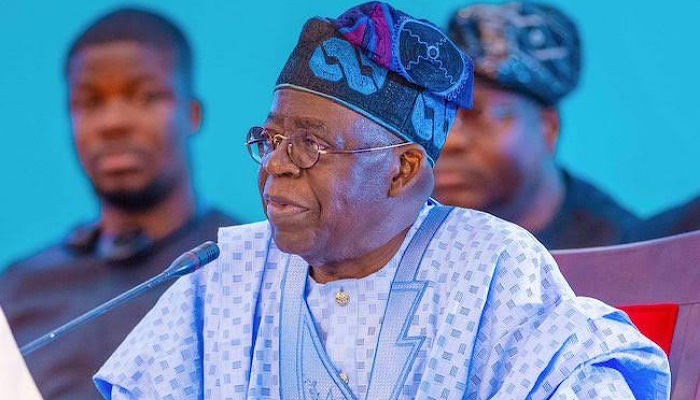
Recall that President Bola Tinubu reportedly approved NNPC’s request to utilize the 2023 final dividends due to the federation to offset these costs.
However, during a media briefing on Monday about the company’s 2023 audited financial statements, Ajiya refuted claims that the NNPC is involved in any subsidy scheme.
Ajiya further disclosed that the Nigerian government owes the NNPC N7.8 trillion ($4.9 billion) in subsidy-related debts for the period from January to July 2024.
In furtherance of his clarification to the News Agency of Nigeria (NAN), Ajiya insisted that no subsidy payments have been made to any marketer in the last nine years, citing the NNPC’s role as the sole importer of petrol under supply contracts.
He said, “In the last eight to nine years, NNPC Ltd. has not paid anyone a dime as a subsidy; no kobo has been disbursed by NNPC Ltd. in the name of subsidy. No marketer has received any payment from us for subsidy.”
“What has been happening is that we have been importing PMS, which has been landing at a specific cost price, and the government tells us to sell it at half price. So the difference between the landing price and that half price is a shortfall.
“And the deal is between the Federation and NNPC Ltd., to reconcile, sometimes they give us money, so there is no money exchanging hands with any marketer in the name of subsidy.”
Ajiya remained silent on how much of the $4.9 billion could have been remitted to the federation account if the NNPC had not been covering the “shortfall.”
It was however noted by Biztellers.com.ng, that although subsidy is back in effect, the main reason for that is the increasingly weak state of the Naira and the country’s extreme dependence on products importation. Also unlike the previous subsidy era, where several oil marketers were getting free subsidy refunds for unverified product importation, this subsidy era is witnessing only one importer, the NNPCL, which in effect is the sole receiver of government subsidies.

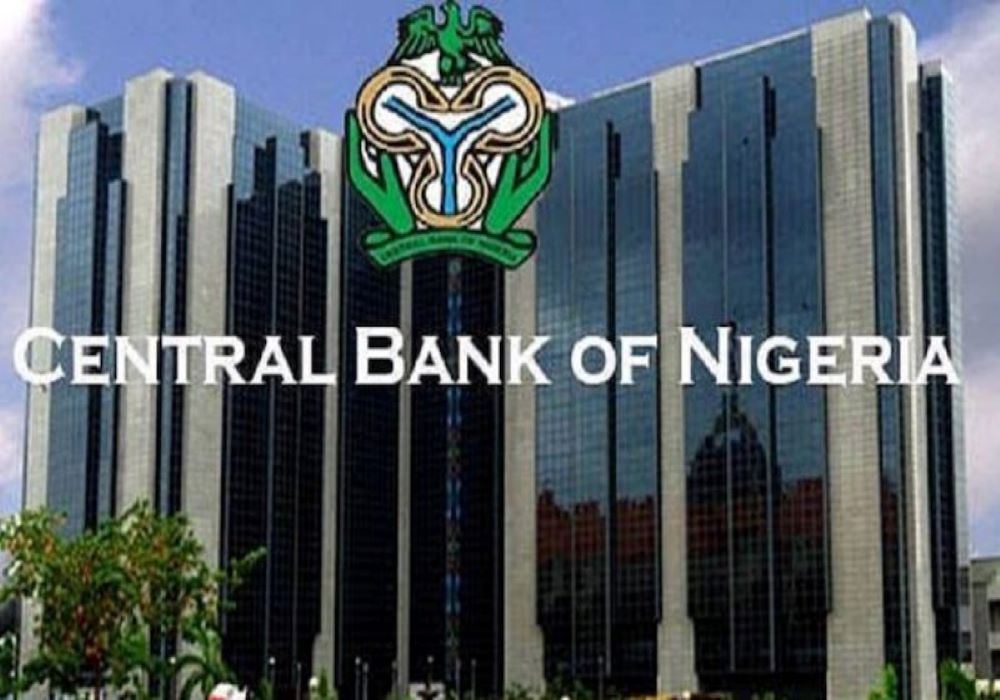
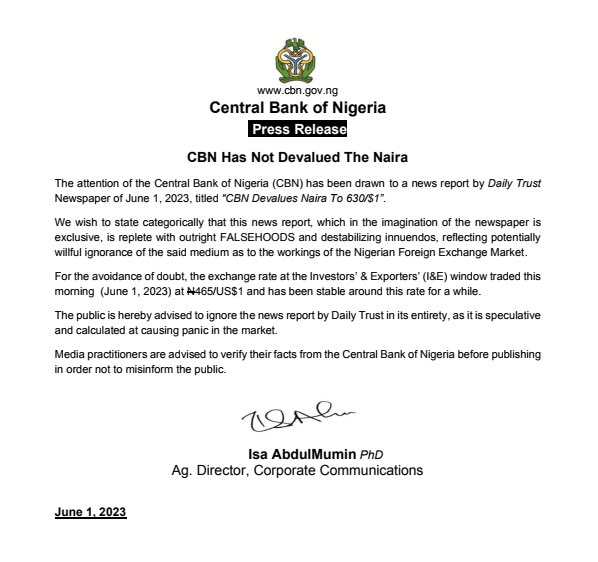
The Central Bank of Nigeria (CBN) has refuted claims of devaluing the.
Earlier reports suggested that the CBN had devalued the Naira, lowering its exchange rate from N631 to the dollar, compared to the previous day’s rate of N461.60 at the Importers and Exporters (I&E) window.
However, the Central Bank of Nigeria (CBN) released a statement on Thursday through its Acting Head of Corporate Communications, Dr. Isa Abdulmumin, categorizing the report as false information.
In the statement titled ‘CBN Has Not Devalued The Naira’, he said the attention of the apex bank was drawn to the news report by an Abuja based newspaper edition of June 1, 2023, titled “CB Devalues Naira To 630/51”.
However, the CBN stated categorically that the news report was replete with outright FALSEHOODS and destabilizing innuendos, ‘reflecting potentially willful ignorance of the said medium as to the workings of the Nigerian Foreign Exchange Market.’
“For the avoidance of doubt, the exchange rate at the Investors’ & Exporters (I&E) window traded this morning (June 1, 2023) at N465/USS1 and has been stable around this rate for a while.
“The public is hereby advised to ignore the news report by Daily Trust in its entirety, as it is speculative and calculated at causing panic in the market,” the CBN spokesman added.
He, therefore, advised media practitioners to verify their facts from the Central Bank of Nigeria before publishing in order not to misinform the public.

The interest rate in Nigeria has been raised to 18.5 percent, up by 0.5 percent, from 18 percent where it was pegged in March 2023.
The Central Banks of Nigeria’s (CBN) Monetary Policy Committee (MPC) resolved to this effect at its third meeting of 2023 in Abuja, on Wednesday.
Governor, CBN, Godwin Emefiele, made the disclosure in the communiqué of the MPC’s meeting, thereafter.
While engaging the media at the end of the two-day meeting, Emefiele, said the committee voted to keep the asymmetric corridor at +100 and -700 basis points around the MPR.
In the view of the MPC, rising inflation rate is traceable to the high energy cost and challenges around the supply chain, among others, which lie outside the corridors of the CBN.
Emefiele said, “The current trend in price development would continue to be monitored by the bank with greater collaboration with fiscal authority to address the drivers of inflation.”
Biztellers reports that the CBN had effected six consecutive interest rate increases, which has seen the rate move from 11.5 percent in March 2022 to 18.5 percent in May 2023.





Christmas: Shettima Assures Of FG’s Commitment To Citizens’ Welfare

Obi’s Inspiring Christmas Message Of Hope For Women’s Football

Yuletide: Adeleke Rejoices With Christians

Archbishop Martins Champions Clamour For Better Life For Nigerians

Tinubu Sends Hearty Christmas Greetings To Christians Worldwide

Olamide, Tiwa Savage, Phyno, Others Dazzle Fans At Flytime Music Festival 2024

OSSG Raises Alarm Over Murder Plot By APC Chieftain
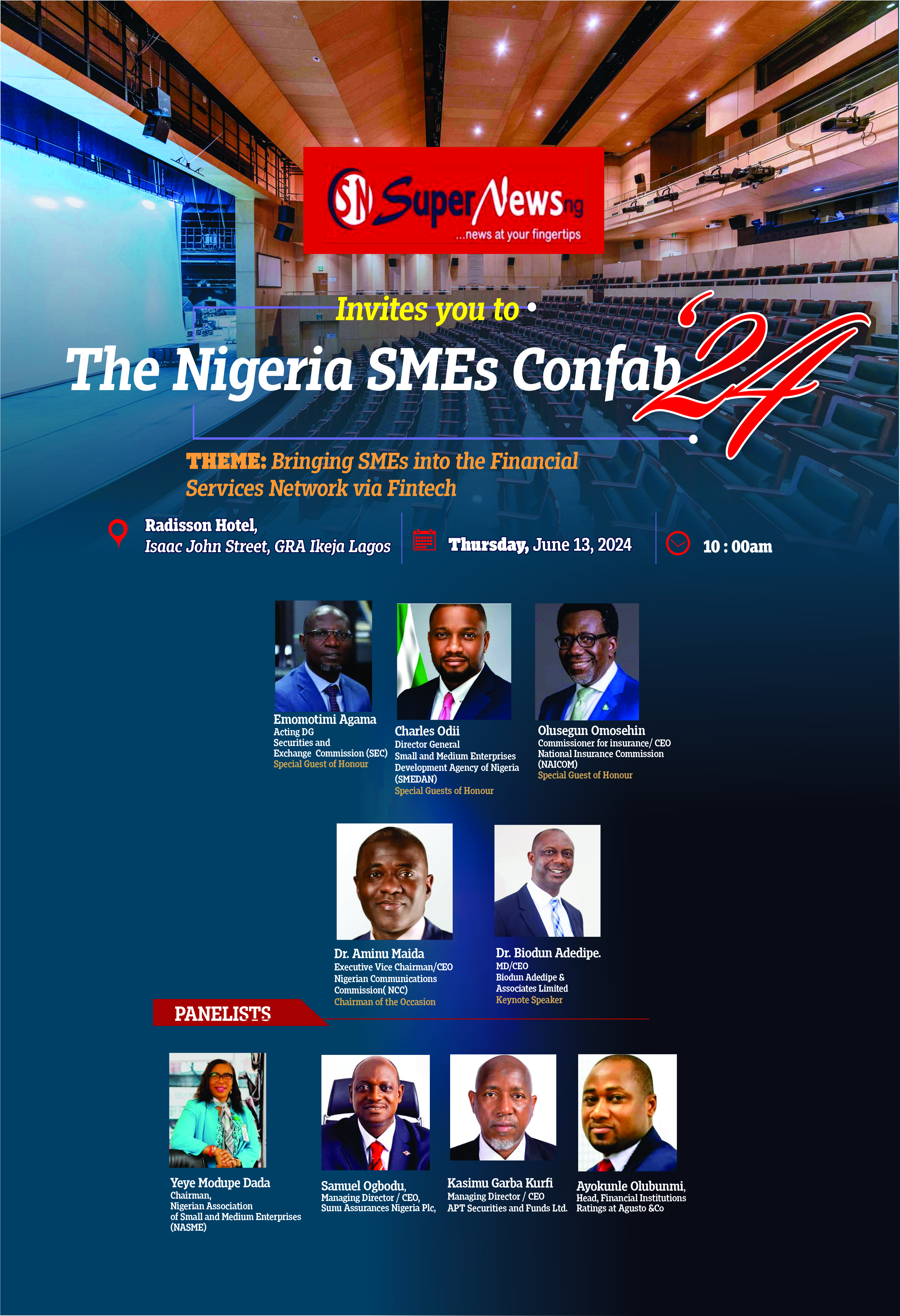
NCC, SMEDAN, NAICOM, SEC, Others Set for SUPERNEWS SMEs Conf June 13
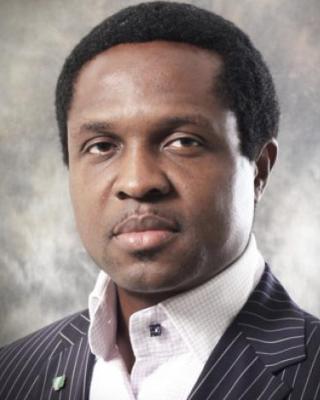
Sahara’s Tonye Cole resigns from GPHCDA
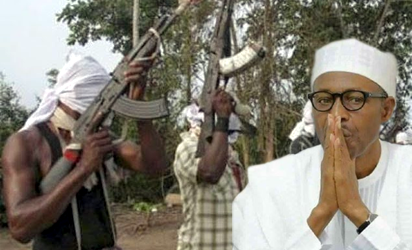
Niger Delta Avengers: President Buhari Reads riot Act …considers the carrot and stick option

Oando opens ultra-modern petrol station in Lagos