
Other News
Op-ed by WaterAid: Africa’s once in a generation opportunity


CAPE-TOWN – Op-ed by Lindlyn Moma, Regional Advocacy Manager for WaterAid in Southern Africa
Africa’s leaders have in their hands a once-in-a-generation opportunity to shape the international development agenda, not just for their continent but for the whole globe.
The continent’s leaders are in the midst of negotiating the Africa Common Position (ACP) on what the UN framework for development will look like after 2015. The outcome will be hugely influential.
UN Secretary-General Ban Ki-Moon has pointed out that we are the first generation that has the resources and know-how to end extreme poverty. We must ensure that no one is left behind.
As we debate how to achieve this, we must not forget about the work yet to be completed on the UN Millennium Development Goals. These eight ambitious goals, set in 2000 to address hunger, extreme poverty and other issues crippling the developing world, run out in 2015.
 Sanitation is the most off track of all of these goals. UN figures show some 70% of sub-Saharan Africans do not have access to adequate sanitation, while over a quarter — nearly 230 million people — practise open defecation.
This has devastating consequences for the continent. Over a thousand African children under the age of five die every day because of this lack of safe drinking water and poor sanitation.
Last month, Secretary-General Ban called upon the world to “urgently step up” its efforts and put sanitation at the heart of post-2015 development.
Failing to do so will carry measurable financial costs.
UN estimates suggest about 5% of the continent’s wealth is being lost from this lack of access to water and sanitation. If everyone had access to these services, it would add $33 billion US a year to the continent’s economies, according to a conservative 2012 estimate by economists at the World Health Organisation.
Ghana alone, for instance, according to a World Bank assessment, loses $290 million US each year to a lack of sanitation services. Kenya loses $324 million, Nigeria a staggering $3 billion.
Making access to sanitation and safe water a top priority in the African Common Position presents an opportunity for Africa’s children, and for economic growth. This is also in line with the Africa Water Vision 2025.
Liberian President Ellen Johnson Sirleaf, along with the UN-established High Level Panel on the Post-2015 Development Agenda, has already called for a new UN development goal of universal access to water and sanitation. In following that lead, African leaders can be seen to be listening to the voices of its citizens, including women and girls, who are calling for the prioritisation of water and sanitation post-2015.
As we now mourn the loss of Nelson Mandela, the ultimate symbol of justice for the African people, we also remember his calls for an African Renaissance.
Safe water and better sanitation can help address so many of the challenges Africa faces today, from reducing the HIV transmission rate to improving child health and school attendance. As Mandela himself said: “Water is central in the social, economic and political affairs of the African continent.”
By prioritising safe water and sanitation, Africa’s leaders can also ensure the unfinished business of the Millennium Development Goals is dealt with strategically. Africa’s leaders can set the continent onto a trajectory so that by 2030, everyone has access to this basic right to sanitation.
If we miss this opportunity, we risk leaving hundreds of millions of people on the continent behind, stranding them far from that promise of an African Renaissance.

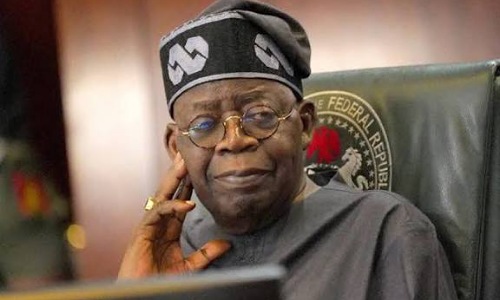
The Social Democratic Party (SDP) and the Inter-Party Advisory Council (IPAC) have disclosed details of their recent closed-door meeting with President Bola Tinubu, explaining that the engagement focused on strengthening Nigeria’s democratic process ahead of the 2027 general elections.
The clarification came amid speculation surrounding the meeting, which took place at the Presidential Villa in Abuja after leaders of several opposition parties attended an Iftar dinner hosted by the president earlier in the week.
ALSO READ: NNPC Secures Tinubu’s Approval for $20bn FID on Bonga Deepwater Project
Speaking during a gathering hosted in Abuja by the SDP’s former presidential candidate, Adewole Adebayo on Friday, the party’s National Chairman, Prof. Sadiq Gombe, said the meeting with Tinubu followed an official invitation from the Presidency and lasted about an hour.
According to Gombe, the discussion centred on the need to strengthen Nigeria’s electoral laws and restore public confidence in the country’s electoral process ahead of the 2027 polls.
He explained that the meeting provided an opportunity for party leaders to remind the president of the importance of conducting transparent, free, and credible elections.
Gombe noted that democracy can only thrive when governments listen to the concerns of citizens and ensure electoral processes that guarantee fairness and accountability.
The SDP chairman also expressed concern over growing voter apathy, pointing to the low turnout recorded in the recent Area Council election in the Federal Capital Territory.
He said the Abuja Municipal Area Council election witnessed only about seven per cent voter turnout, which he described as a clear sign that many Nigerians are losing confidence in the electoral system.
Gombe urged the government and members of the National Assembly to take urgent steps to review electoral laws and rebuild public trust in Nigeria’s democracy.
Also speaking, the National Chairman of IPAC, Dr. Yusuf Dantalle, said political parties used the meeting to raise concerns about aspects of proposed electoral reforms, particularly issues related to indirect primaries and the mandatory electronic transmission of results.
Dantalle explained that the parties appealed to the president to use his influence to encourage legislative review where necessary, noting that reforms should strengthen, rather than complicate, the democratic process.
He expressed optimism that Tinubu would consider the concerns raised and support necessary amendments that would improve the electoral system.
The IPAC chairman also called on the Independent National Electoral Commission (INEC) to strictly adhere to electoral guidelines as preparations for the next election cycle begin.
Earlier in his remarks, Adebayo cautioned political actors against turning the 2027 general elections into a do-or-die contest, stressing that the primary goal of democracy should be the progress and stability of Nigeria rather than personal political victories.
He urged leaders across political parties to encourage citizens to actively participate in the democratic process and ensure that elections are conducted peacefully and transparently.
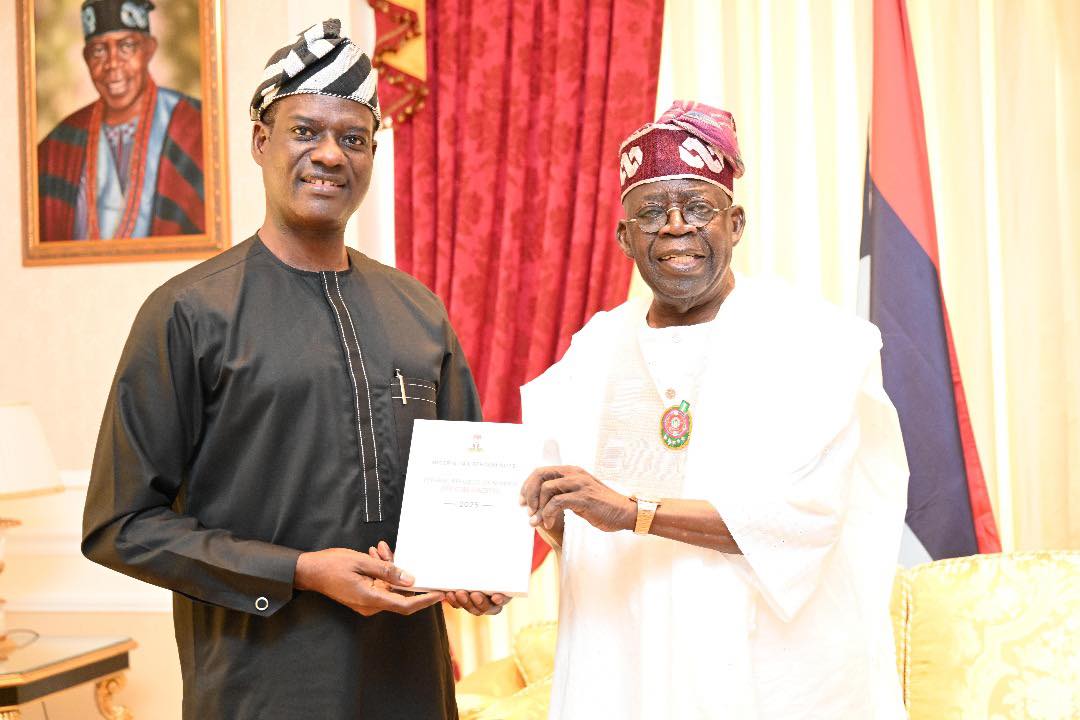
President Bola Tinubu and Mr. Taiwo Oyedele during his nomination on Wednesday.






Airfares Likely to Rise as Aviation Fuel Price Spikes by 80%

Shell Completes Turnaround Maintenance on FPSO, Resumes Production at Bonga

Sahara Group expands fleet with new 40,000 cbm LPG Carrier

NATO Shoots Down Third Iranian Missile in Turkey

Inside Tinubu’s Closed-Door Meeting With Opposition Leaders – SDP, IPAC Reveal Details

Defections Won’t Break PDP in Sokoto, Says Former Senator Gada

Trump’s Family Unveils New Cryptocurrency Platform

Reps Recommend 3-year Jail Term For Aviation minister

Dangote Cement Lights Up Benue Host Communities With CSR Initiatives

Senate Denies Receiving Petitions Against Tinubu’s Ambassadorial Nominees

Things To Know About Threads, Zuckerberg’s Twitter-like App
