
Energy
Sahara Group, UNILAG collaborate on sustainability, global competitiveness

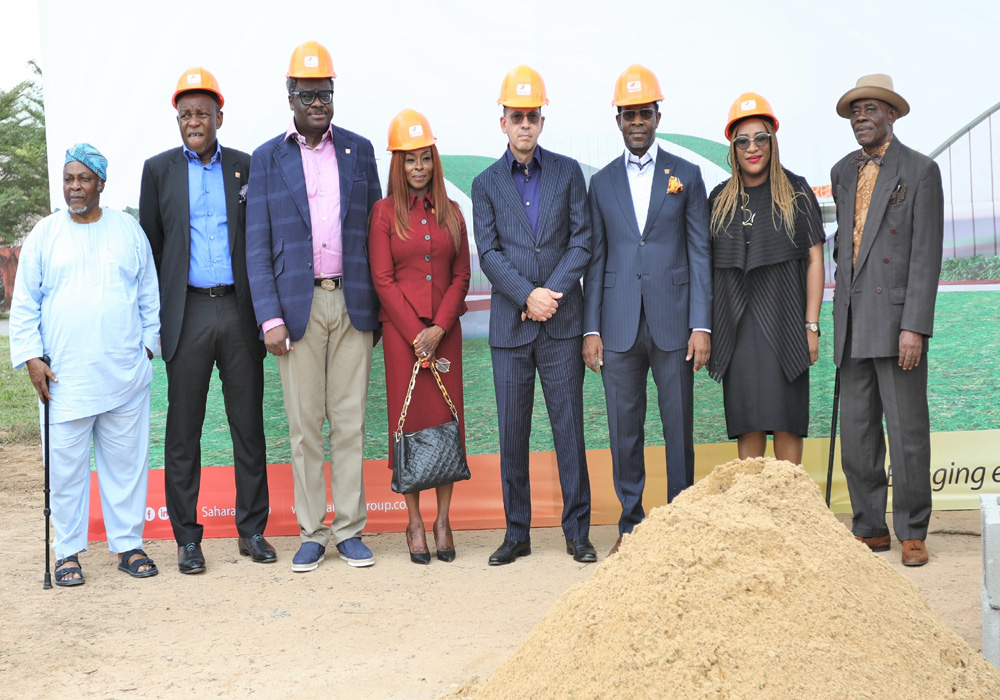
Leading energy and infrastructure conglomerate, Sahara Group, has announced the establishment of the Sahara School of Innovation and Extrapreneurship at the University of Lagos (UNILAG), Akoka, to serve as a platform for promoting inventions and solutions that would facilitate sustainable development and global competitiveness in Africa.
Ejiro Gray, Director, Governance and Sustainability at Sahara Group, said the company would collaborate with UNILAG to make the school a world class facility that will proffer solutions to future challenges today, with emphasis on areas like the future of energy, entrepreneurship, data science, digital arts and culture, artificial intelligence and robotics, and fintech, among others.
The sod-turning ceremony of the proposed school held on Friday October 28, 2022. “This project reinforces our commitment to giving back always and serves as one of Sahara Group’s contributions towards building a formidable legacy for sustainable development. For over 26 years, innovation and extraprenuership have driven Sahara’s growth across Africa, Asia, Europe, and the Middle East. We are confident that working with the University of Lagos, a foremost institution of global repute, the school would deliver sustainable value for the benefit of Africa and the world at large,” said Gray whose directorate would drive the project..
Former Librarian, Unilag, Mr. Adegoke Adeniji, Executive Directors of Sahara Group, Temitope Shonubi, Kola Adesina, Moroti Adedoyin-Adeyinka, Ade Odunsi, and Wale Ajibade; Director, Governance and Sustainability, Ejiro Gray and Former Head, Department of Mechanical Engineering, Unilag, Dr. Folashodun Shonubi, at the sod-turning ceremony of the Sahara Group School of Innovation and Extrapreneurship at the Unilag, Akoka.
Commending Sahara Group for the initiative, the Vice-Chancellor of the University of Lagos, Professor Oluwatoyin Ogundipe, FAS, stated it is particularly gladdening that the drivers of the project are alumni of the University from different Faculties who have by their achievements, individually and jointly, demonstrated to the world the quality of UNILAG products. He noted that the Sahara Group School of Innovation and Extrapreneurship project hallmarks the repositioning of UNILAG as a “University of The Future”, a vision that has shaped its pursuits over the last five years and informs its 60th anniversary theme: UNILAG@60: Eyes on the Future.
“We, at the University of Lagos are committed to building on our heritage of excellence to continue to produce graduates that are locally relevant and globally-competitive as the alumni before us today. We aim to instill in our students, more than ever, the culture of innovation, entrepreneurship,” the VC added.
Gray said a timeline of 24 months has been set for the completion of the project with clear sustainability indices in terms of seamless maintenance, inclusiveness, transparency, relevance and scalability of modules/inventions, access to strategic/financial advisory and collaboration for regional and global impact.
She also announced the launch of the Sahara Scholar Award aimed at “energising excellence” through rewards to university students with outstanding performance in select disciplines. The Sahara Scholar Award will commence from the University of Lagos as a pilot scheme, and progressively expand in scope across Africa.
“The unique thing about the first phase of the Sahara Scholar Award is that it is wholly funded by the Group Executive Directors of the Sahara Group as a way of giving back to the University of Lagos where most of them received their university education and some also had parents who taught at the university. The award will be N1 million yearly for each category, including provision for annual sponsorship of exchange programmes for lecturers within Africa,” she added.
Categories under the Sahara Scholar Award include one-off prizes for 26 outstanding students to mark Sahara Group’s 26th anniversary, Temitope Shonubi prize for Best Improved Student in Architecture, Moroti Adedoyin-Adeyinka Prize for Best Graduating Student in Economics, Wale Ajibade Prize for Best Improved Student in Economics, Ade Odunsi Prize for Best Student in Finance, and Kola Adesina Prize for Best Graduating Student in Business Management.
Others are: Dr. Folashodun Shonubi Prize for Best Graduating Student in Mechanical Engineering, Zacchaeus Odunsi Prize for Best Entry Level Student in Civil Engineering, Mr. Adegoke Adeniji Prize for Best Graduating Student in Library and Information Science, Dr. John Falegan Prize for Best Graduating Student in Insurance and Actuarial Science, Asharami Prize for Best AI/Fintech invention and Sahara Group Prize for Best Entrepreneurial Dissertation in Architecture, Engineering, and Economics.











From January to September 2026, the domestic refineries in Nigeria received 156.52 million barrels of crude oil.
Of the volume, 125.85million barrels (80.4 percent) were sourced from in-country while 30.66 million barrels (19.6 percent) were imported.
This was contained in the Nigerian Midstream and Downstream Petroleum Regulatory Authority (NMDPRA) Factsheet September 2026 released on Thursday.
The Factsheet specifically revealed that in September 2026, 38.7 million litres of the Premium Motor Spirit PMS (petrol) were received per day, crashing from the 50.5million litres per day received in August by 23 percent.
READ ALSO: Thor Empowers Host Communities with 10 Cassava, Palm Oil Processing Plants
Stock sufficiency in September was 23.9 days, declining below the 30-day threshold.
The NMDPRA stressed that while 28.7million litres were supplied per day from domestic sources, declining by 21 percent from the previous month, 10.2 million litres were imported, reducing imported petrol by 30 percent in the period under review.
According to the Factsheet, “Domestic refining contributed about 65 percent of the national petrol requirement (consumption) in September 2026, and about 74 percent of receipts, supplemented by 26 percent of imports”.
The Dangote Refinery and Petrochemicals Company (DPRP) is the only domestic refinery which currently produces petrol in Nigeria.
The report added that the DPRP produced 47.22 million litres per day of PMS in September, supplying 28.50 million litres per day to the domestic market and exporting (35.2 percent) 15.47 million litres per day.
On capacity utilization, the refinery recorded 105.98 percent of its 650,000 barrels per day capacity in the period under review.
The Factsheet disclosed that 8.7million litres of diesel were consumed in the month under review.
The NMDPRA revealed that modular refineries supplied 4.3 percent of domestic diesel consumption in September.
Aradel and OPAC, said the Factsheet, operated below optimal capacity due to feedstock challenges and maintenance shutdowns.
September diesel receipts, according to the NMDPRA, were the lowest of the 13 months, driven by low imports and low domestic evacuation amid high prices.
The Factsheet said, “Nigeria’s energy-sector transformation is progressing. Domestic refining contributed about 65 percent of the national petrol requirement (consumption) in September 2026, and about 74 percent of receipts, supplemented by 26 percent of imports.
“Priority gas projects have reached significant mileage, with the AKK pipeline at 84 percent completion as of September 2026,” the Factsheet pointed out.
The appetite for improving access to capital for indigenous oil and gas contractors, strengthening the capacity of Nigerian businesses to execute critical energy projects and contribute to the country’s production ambitions, has seen the Renaissance Africa Energy Company Limited (‘Renaissance’) go into a strategic financing partnership with Sterling Bank Limited.
The partnership, formalised through a Memorandum of Understanding (MoU), brings Sterling Bank into the renewed Renaissance Vendor Financing Scheme (RVFS), a structured financing programme designed to address one of the longstanding challenges confronting indigenous service providers in Nigeria’s oil and gas industry: access to timely and affordable funding for contract execution.
READ ALSO: Group Demands Fair Share of NNPC Jobs for Ogoni Oil Exploration
The expanded programme brings together 13 financial institutions with combined financing commitments of $4.1 billion and ₦435 billion, creating a substantial pool of capital to support eligible contractors delivering projects for Renaissance, operator of the former Shell Petroleum Development Company (SPDC) joint venture assets.
Speaking on its participation, Dele Faseemo, Group Executive, Corporate and Investment Banking at Sterling Bank, described the partnership as an important opportunity to connect financial capacity with productive enterprise in one of Nigeria’s most strategically important sectors.
“At Sterling Bank, we believe financing should enable capable businesses to deliver, grow and compete. Our participation in the Renaissance Vendor Financing Scheme reflects that conviction. By providing structured funding to qualified contractors, we are supporting the businesses that keep the energy value chain moving, strengthening Nigerian content participation and contributing to the broader objective of increasing the country’s productive capacity,” Faseemo said.
For many indigenous contractors, securing a major contract represents only the first step towards business growth. The ability to mobilise equipment, procure materials, retain skilled personnel and meet demanding project timelines often depends on access to adequate working capital. Financing constraints can therefore limit the capacity of otherwise qualified businesses to execute contracts, scale their operations and participate more meaningfully in the energy value chain.
Through the RVFS, participating financial institutions will provide structured financing to eligible contractors against confirmed contracts awarded by Renaissance, subject to applicable credit assessment and approval processes. The arrangement is intended to ease funding pressures, improve project execution and strengthen the financial capacity of indigenous service providers.
Tony Attah, Managing Director and Chief Executive Officer of Renaissance Africa Energy Company Limited, highlighted the importance of the financing arrangement to the company’s growth ambitions.
“What we’ve been able to achieve as Renaissance is to go into that partnership with these incredible 13 banks who have come up to support this vendor scheme at over $4 billion and over ₦435 billion funds available for the vendors to be able to support us in our growth agenda,” Attah said.
He further emphasised the financial advantage the scheme offers participating contractors, noting that, “The interest rate that the banks are offering to the contractors is very competitive, and it is certainly better than the vendors going out to the respective banks on their own.”
The Renaissance Vendor Financing Scheme builds on a contractor financing programme established in 2010, which has evolved over the years to support local service providers executing projects across the oil and gas value chain. Its latest expansion comes as Renaissance pursues an ambitious growth strategy, including its aspiration to achieve production of one million barrels of oil equivalent per day by 2030.
Delivering on this ambition will require sustained investment not only in upstream production assets but also in the network of engineering firms, equipment suppliers, logistics providers, technical specialists and other indigenous businesses whose services are essential to operational performance.
With an established presence in corporate banking and energy sector financing, Sterling Bank continues to support businesses operating across critical segments of the Nigerian economy through tailored financial solutions, strategic partnerships and sector-specific expertise.
The collaboration reinforces the Bank’s commitment to supporting indigenous enterprise development, strengthening local capacity and financing productive economic activity, while contributing to efforts to improve Nigeria’s energy security and long-term industrial competitiveness.
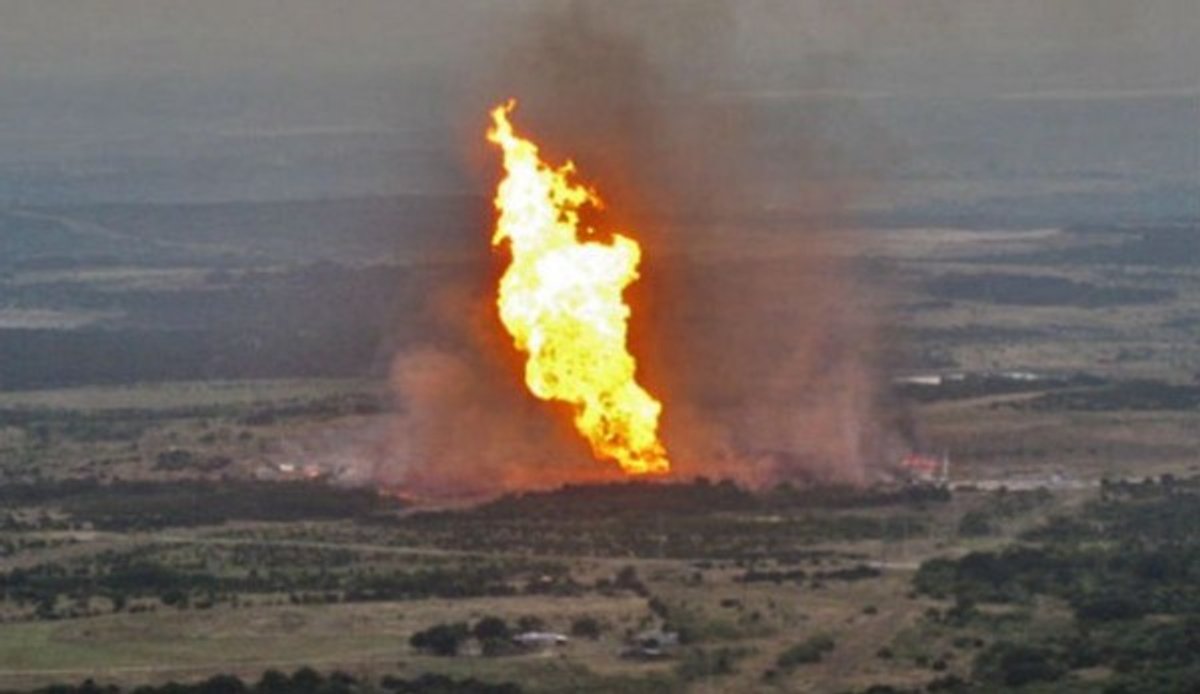
The Niger Delta Youths are primed to assume national responsibilities in critical areas of the economy by protecting vital oil and gas assets in the region.
The United Niger Delta Congress (UNDC) gave the assurance at a media briefing in Abuja, over the weekend, adding that the youths of Niger Delta were ready to work with the federal government in this regard.
The group maintained that youths in the region have shown that such responsibilities, including the security of pipelines, can be entrusted to them.
Speaking at the news conference, Niger Delta Youth activist, Mallam Julius Obi, said the Niger Delta is safer while the nation’s crude is flowing based on the fact that youths in the region are doing the job.
He said that being a youth should not be a disqualification from strategic national assignments but when matched with preparation and character, a national asset.
“We are calling on the federal government to note that Nigeria is full of young men and women who are prepared, disciplined and ready to carry out national responsibilities.
“We urge the federal government to keep opening the doors of strategic national service to young Nigerians who have earned trust the only way it can be earned, by delivery,” Obi said.
READ ALSO: JUST IN: Ex-Delta Governor Emmanuel Uduaghan Is Dead
The group commended President Bola Tinubu for sustaining the security reforms in the oil and gas industry and the the National Security Adviser (NSA), Mallam Nuhu Ribadu, for coordinating the protection of the nation’s pipelines, and the management of NNPCL for providing the enabling environment.






₦2.3tn Kaduna Rally Claim: APC Accuses Atiku, ADC of Fake News Plot

Dangote Identifies Power, Financing as Possible Keys to Africa’s Industrial Revolution

Dangote Calls for Stronger Protection of Local Industries, Unveils Pan-African Energy Distribution Network

NMDPRA Issues Updates on Q3 Crude Supplies to Domestic Refineries

FCT Motorists, Commuters Divided over NNPC Petrol Discount

Two Suspected Political Thugs Killed After Attacking NDC Candidate’s Convoy in Ebonyi

Trump’s Family Unveils New Cryptocurrency Platform

Senate Denies Receiving Petitions Against Tinubu’s Ambassadorial Nominees

Dangote Cement Lights Up Benue Host Communities With CSR Initiatives

Reps Recommend 3-year Jail Term For Aviation minister

Tems Sets New Record On Billboard Hot 100 Chart
