
International News
Saudi Oil Pipeline Attack: How the Shutdown Could Hit Global Economy

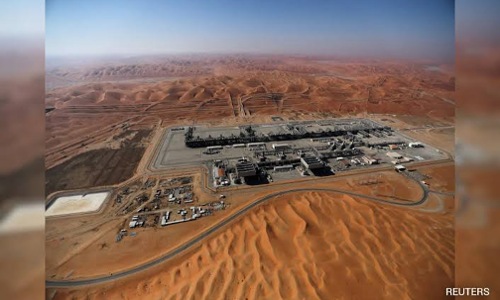
Saudi Arabia’s temporary shutdown of its major East-West oil pipeline after a drone attack could trigger fresh pressure on the global economy, with countries across Asia, Europe, Africa and North America facing the possibility of higher oil, fuel and transportation costs.
The 1,200km pipeline, operated by Saudi Aramco, connects Saudi Arabia’s oil-producing east to the Red Sea port of Yanbu.
It provides the kingdom with a crucial alternative to the Strait of Hormuz, which has already been heavily disrupted amid the ongoing conflict involving Iran.
SEE MORE: OPEC+ Snubs Nigeria, Raises Output Quota for Saudi Arabia, Others
Saudi Arabia said drones struck the pipeline in the Riyadh and Medina areas on September 10, causing injuries and damage.
The kingdom subsequently suspended operations as a precaution while specialised teams assess and secure the facility.
Saudi authorities later confirmed that the drones were launched from Iraqi territory.
According to report, the pipeline had been carrying around 4 million to 5 million barrels of oil per day, equivalent to roughly 4 to 5 percent of global oil supply.
Countries likely to feel the impact
China and India
China, the world’s largest crude oil importer, could be among the biggest casualties if the disruption lasts. Reduced Saudi supplies could force Chinese refiners to compete for alternative crude, increasing energy and manufacturing costs.
India is also highly exposed because of its dependence on imported crude. Higher oil prices could raise petrol, diesel and aviation costs while increasing inflation and the country’s import bill.
Japan and South Korea
Both countries depend heavily on imported energy. A prolonged supply disruption could increase the cost of crude, manufacturing, transportation and petrochemical production.
United States and Europe
The United States is a major oil producer but remains exposed to global prices. A sustained supply shortage could push up gasoline and diesel prices and increase transportation costs.
European economies, including Germany, France, Italy, Spain and the United Kingdom, could also face higher fuel, manufacturing and shipping costs.
Africa
The impact could spread across Africa through higher fuel and transportation prices.
Nigeria could benefit from higher crude prices through increased oil revenues, but higher international energy and shipping costs could also create pressure on consumers and businesses.
Oil-importing countries such as South Africa, Kenya, Tanzania and Ethiopia could face greater pressure from rising energy costs.
Pakistan and Southeast Asia
Pakistan, Bangladesh, Indonesia, the Philippines, Thailand and Vietnam could also be affected because of their reliance on imported energy.
Higher crude prices could increase transportation, electricity, manufacturing and food-distribution costs.
Iraq investigates the attack
Iraq has condemned the attack and said it would not allow its territory to be used as a “launchpad for attacks against any nation.”
Prime Minister Ali al-Zaidi ordered an investigation after authorities determined that the drones originated from Maysan province, which borders Iran.
The commander of the Maysan operations command was dismissed, while Iraq also ordered the closure of the Shalamcheh border crossing with Iran as a precaution.
No group has claimed responsibility.
Analysts have pointed toward Iran-backed armed groups in Iraq as a possible culprit, while US President Donald Trump has also blamed Iran. Those claims have not been independently established.
Saudi Arabia holds off on retaliation
Riyadh has so far decided not to retaliate, saying it would refrain “at this stage” following a request from the Iraqi prime minister.
Saudi Arabia, however, warned that it reserves the right to take “all necessary measures” to protect its sovereignty, security and infrastructure.
Yemen adds to the danger
The attack comes as Iran-backed Houthi forces make major advances along Yemen’s Red Sea coast and have reportedly seized the strategic Mayun Island near the Bab al-Mandab Strait.
That development is significant because Bab al-Mandab is one of the world’s major shipping chokepoints.
Saudi Arabia is therefore facing pressure on both sides of the Arabian Peninsula: its traditional export route through the Strait of Hormuz is disrupted, while its key alternative pipeline to the Red Sea has now been attacked.
What happens next?
Saudi Arabia could attempt to reroute some crude through Egypt, the Suez Canal and the Sumed pipeline, but these alternatives cannot immediately replace the East-West pipeline.
The kingdom could also face longer and more expensive shipping routes around Africa if Red Sea security deteriorates further.
Brent crude has already risen above $100 per barrel, while US diesel prices have reached record levels.
Ben Cahill of the Atlantic Council described the East-West pipeline as Saudi Arabia’s “principal bypass option to avoid the Strait of Hormuz.”
“The key buffers that got us through the last six months have basically been worn away,” he said.
Saudi political analyst Khalid Bartafi warned that the consequences could become global.
“This is not just our problem, it’s a global problem,” he said.









Federal agents raided the Washington, D.C., home of Democratic Congresswoman Ilhan Omar early Monday morning as part of an ongoing federal criminal investigation, the United States Department of Justice (DOJ) has confirmed.
Homeland Security Investigations agents arrived at the Minnesota congresswoman’s residence at about 6:00 a.m. Eastern Time, according to a report by Fox News.
SEE MORE: Trump Sparks Outrage With Shock Proposal to Rename New Mexico
The report said both the Department of Homeland Security (DHS) and the DOJ are involved in the investigation.
A DOJ spokesperson confirmed the operation, stating: “Today in the Washington, D.C. area, Homeland Security Investigations executed a judicially authorized search warrant secured by the Department of Justice.”
The spokesperson added: “This enforcement action is part of an ongoing federal criminal investigation.”
Details later……….
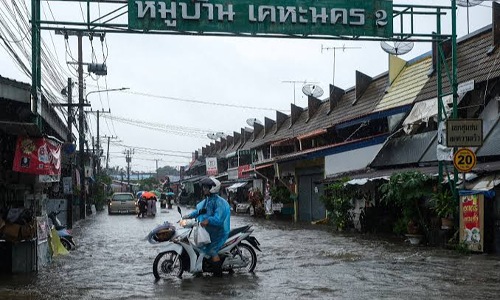
Heavy rains have triggered severe flooding across parts of Bangkok, Thailand, forcing nearly 4,900 residents to evacuate to shelters as floodwaters swept through roads and residential areas.
The flooding has disrupted movement across parts of the Thai capital, with motorists and pedestrians forced to navigate submerged roads and seek alternative routes.
SEE ALSO: NAFDAC Warns Nigerians As Fake Cowbell Milk Floods Market
According to the Bangkok Metropolitan Administration, about 52,000 households have been affected by the flooding, prompting authorities to declare a flood disaster and intensify emergency response efforts.
Emergency teams have been deployed to assist affected communities and move residents from vulnerable areas to safer locations as water levels rise.
Bangkok is accustomed to seasonal heavy rainfall, but intense downpours can overwhelm drainage systems, particularly in low-lying areas, resulting in widespread flooding and disruption.
Authorities are continuing to monitor affected locations while coordinating evacuations and other emergency measures.
For thousands of residents, the immediate priority remains securing safe shelter and protecting homes and livelihoods as authorities work to manage the situation and restore normal activities once the floodwaters recede.
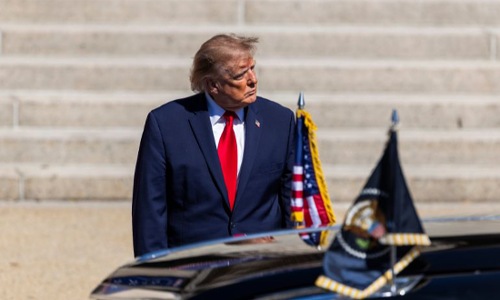
US President Donald Trump has explained his decision to reject Iran’s latest proposal to reopen the Strait of Hormuz, saying Tehran was seeking an agreement because it was losing revenue.
Speaking to reporters at the White House, Trump said Iran wanted to immediately reopen the strategically important waterway but argued that the proposal was not acceptable to his administration.
“They want to make a deal, and I think that’s fine. I like making a deal, too, but that deal would not be acceptable,” Trump said.
SEE ALSO: How the Strait of Hormuz Attack Could Trigger a Fresh Global Oil Shock
According to the US president, Iran’s push to reopen the strait was driven by the economic pressure it was facing.
“What they want to do is immediately open the Hormuz Strait. Do you know why? Because they are dying,” Trump said.
“You know why they’re dying? Because they have no money coming in, because they get their money from the Hormuz Strait.”
Trump also claimed that the US had established an unprecedented naval blockade against Iran, describing it as “a wall of steel.”
“So they outsmarted themselves. We put up the greatest blockade ever in military history. It’s a wall of steel,” he said.
“And guess what? They don’t have any money now because they wanted to close the strait.”
The Strait of Hormuz is a major global energy shipping route, and disruption to traffic through the waterway has significant implications for international oil markets and countries that depend on energy imports.
Trump’s remarks came amid continued tensions between Washington and Tehran over the reopening of the strategic waterway and negotiations involving Iran.






Why Ebola Outbreaks Keep Returning to Africa, Dr Jean Kaseya Explains

Peter Obi Meets UK Officials, Diaspora Stakeholders on Rebuilding Nigeria

Grains-Laden Truck Falls on BRT Lane in Lagos

Ogun Police Chief Urges POWA to Turn Skills Centre into Industrial Hub

Thor Empowers Host Communities with 10 Cassava, Palm Oil Processing Plants

FG Puts Daily Gas Output at 8bcf

Trump’s Family Unveils New Cryptocurrency Platform

Senate Denies Receiving Petitions Against Tinubu’s Ambassadorial Nominees

Dangote Cement Lights Up Benue Host Communities With CSR Initiatives

Reps Recommend 3-year Jail Term For Aviation minister

Tems Sets New Record On Billboard Hot 100 Chart
