
NEWS
Senate asks FG to repair federal roads in Edo State

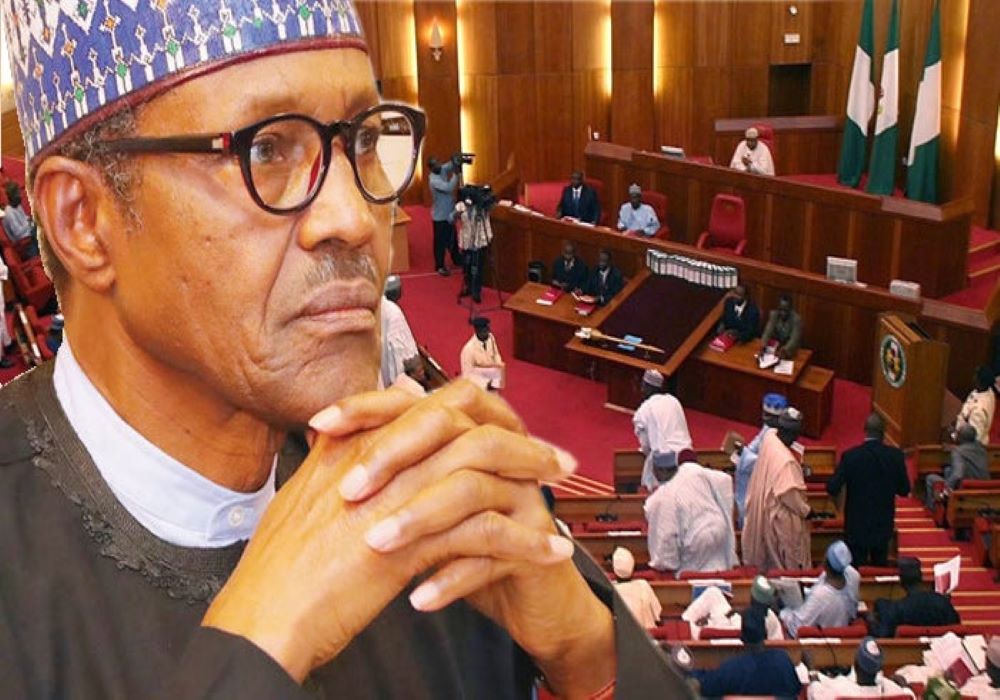
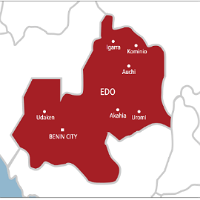
The Senate has asked the Federal Ministry of Works to commence immediate repairs on the failed portions of Benin-Ekpoma-Okene Road, Benin–Sapele Road and Ewu-Uromi-Agbor Roads that linked Edo State to the North and other southern parts of the country.
It further called for adequate funding to complete the reconstruction of those roads and come up with a plan to settle all lingering issues bordering on the dualisation of the roads with contractors, and also review the terms and conditions of the contract to meet the current realities of inflation.
The resolutions following a motion sponsored by the three Senators from Edo state; Senators Clifford Akhimienmona Ordia, Matthew Urhoghide and Francis Asekhame Alimikhena.
Presenting the motion, Senator Ordia noted that the roads were constructed more than 30 years ago, and boosted socio-economic activities between the north and south of Nigeria.
He said, due to age, wear and tear, certain potions of those roads were beginning to fail, a development that had caused untold hardship on commuters plying them.
According to him, “in 2022, following series of complaints by commuters and motorists plying the Benin-Ekpoma-Okene Road, the contract for its reconstruction and dualisation was awarded by the Federal Government.
“In the same vein, the administration of President Goodluck Jonathan also awarded the contract for the rehabilitation of the Ewu-Uromi-Agbir Road before his administration ended in 2015.
“In 2021, it was reported that Edo State Governor, Godwin Obaseki attempted to intervene in fixing the failed portion of the Sapele-Asaba Road, especially the PZ-Junction-Ologbo axis of the road, he was however stalled by the Federal Government, with the reason that it is a federal road and that the contract for its rehabilitation has already been awarded.
“Since these rehabilitation and reconstruction were awarded, the pace of work has been very slow. The factors that top the list of reasons for the slow pace of work on these roads as reported are: non payment of compensation, relocation of structures/buildings on the right of way, as well as, delay in payment of contractors.”
He expressed concern that “currently, certain portions of the roads have failed completely and has become a source of nightmare to motorists, especially articulated vehicles that spend days on the same spot thereby preventing other small vehicles from navigating their way through the roads.
“Transporters are forced to increase their fares due to increased hours of time it takes for them to arrive at a journey that they would have otherwise spend less time to arrive at thereby passing the buck to passengers and travellers who now pay higher than expected fares to their destinations”.
Ordia said people of Edo state felt neglected by the Federal government, while socio-economic activities in the communities around the roads had been grossly affected negatively.
However, in his contribution, the Deputy Senate President, Ovie Omo-Agege denied that the project was abandoned, saying, rather, it is being carried in phases due to paucity of funds.
Also, Senator Kabiru Gaya (APC- Kano South) said 34,000 kilometer roads is too much for the Federal Government to handle considering its lean resources.
Gaya said there was a need for state governors to be encouraged to do the maintainance and reconstruction of Federal roads and be refunded later.
In his remarks, Senate President Ahmad Lawan said it was unfair to allege that the administration of President Muhammadu Buhari had not done well in road maintainace.
Lawan said, “what was given to the Federal Ministry of Works in 2015 was N22 billion. The APC administration that took over gave the ministy over N200 billion that same year. I am just trying to put the records straight.
“There is a clear commitment from this side to address this national issue of poor condition of our roads. For us here in the Senate, and the National Assembly, what we need to do is to be really patriotic. Just support the Executive to ensure our roads wherever they are, wether they are in Delta, or in Jigawa or in Abia we don’t care. It is Nigerians that are plying these roads.
“But I think for anyone to say that the roads; over 34,0000 kilometres have not been attended to well by this administration, I think is unfair.
“So, I want us to be guided. But we have not done enough. Despite this we need to do more. But we are far better in the last seven years than the people that served for 16 years”.





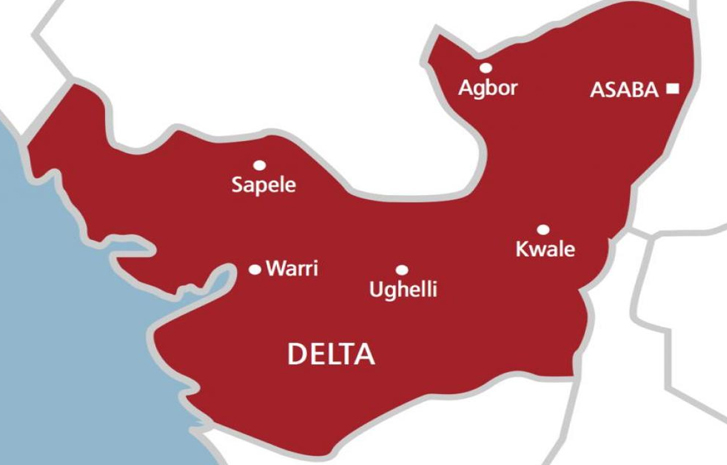
Former Delta State Governor, Dr Emmanuel Uduaghan, has reportedly died, according to sources said to be close to his family.
The sources confirmed the development on Monday, October 19, 2026, although details surrounding the circumstances of his death remained unclear as of the time of filing this report.
“Uduaghan is no more; he is dead,” one of the sources reportedly said.
SEE ALSO: Document reveals Akpoti-Uduaghan demanded N10b damages from husband before marriage, firm reacts
The reported death comes months after claims that the former governor had died circulated on social media before being dismissed by his media aide, Henry Unini.
In June, reports of Uduaghan’s alleged death spread across Facebook and WhatsApp, prompting Unini to publicly debunk the claims and assure the public that the former governor was alive.
“I can tell you for a fact that Dr. Emmanuel Uduaghan is alive,” Unini said at the time.
“Frankly, I don’t know where the writer got his information from. The death of someone is not something you take and write about casually,” he added.
Unini acknowledged at the time that Uduaghan had been experiencing health challenges but maintained that he was receiving medical attention.
“It is now common knowledge that Dr. Emmanuel Uduaghan has been sick, but he is receiving proper medical care,” the media aide said.
He also stated that the former governor was recuperating, assuring the public that there was no immediate cause for concern.
“There is no cause for alarm whatsoever,” Unini said.
The media aide thanked friends, well-wishers and residents of Delta State who contacted the family to verify the former governor’s condition. He also urged the public to avoid spreading unverified information.
“The rumour was uncalled for,” he said while addressing the earlier reports.
As of the time of filing this report, further details about the circumstances surrounding Uduaghan’s reported death had yet to emerge.
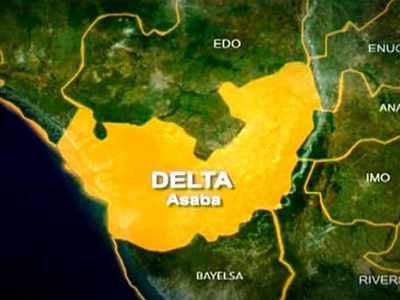
The Delta State Government has commenced a ₦5 billion grassroots empowerment programme targeting 100,000 small-scale business owners and other beneficiaries across the state’s 500 wards.
The initiative, announced on Monday, will see each beneficiary receive ₦50,000 to support small businesses, strengthen household finances and stimulate economic activities across the state.
SEE ALSO: Two Arrested as Delta Police Uncover Cache of Illegal Weapons
The Executive Assistant to the Governor on Public Enlightenment (Projects and Policies), Mr Olisa Ifeajika, disclosed this while speaking with journalists in Asaba.
Ifeajika explained that the programme was designed to complement the state government’s investments in critical infrastructure with direct financial assistance to residents.
According to him, Governor Sheriff Oborevwori directed local government councillors to facilitate the distribution of the funds, with each of the 500 wards expected to reach at least 200 beneficiaries.
He added that the initiative reflects the administration’s commitment to improving livelihoods and expanding economic opportunities for Deltans, in line with the people-centred objectives of the MORE Agenda.
The Minister of Education, Dr Maruf Tunji Alausa, has commended Alhaji Aliko Dangote and the Aliko Dangote Foundation for plans to acquire Initial Public Offering (IPO) shares of Dangote Refinery on behalf of eligible Nigerian tertiary institution students.
Alausa described the initiative as an innovative approach to promoting financial literacy, youth empowerment and wealth creation among young Nigerians.
According to a press release issued by the Federal Ministry of Education on Monday, October 19, 2026, the initiative is expected to benefit up to four million students aged 18 and above, with each eligible student expected to receive 10 IPO shares without requiring prior investment or share purchase.
The minister said the programme would expose students to capital markets, responsible investing and long-term financial planning, preparing them for greater economic participation and financial independence.
He noted that the initiative aligns with the Nigeria Education Sector Renewal Initiative (NESRI) and President Bola Ahmed Tinubu’s Renewed Hope Agenda by connecting education with enterprise, human capital development and inclusive economic growth.
According to Alausa, the initiative reflects the importance of partnerships between the education sector and private organisations in equipping young Nigerians with the knowledge and skills needed to participate in the economy.
He said the Federal Ministry of Education remained committed to strengthening private-sector partnerships to improve educational quality, relevance, equity and efficiency while preparing learners for a changing economy.
While appreciating the foundation’s contribution to youth development, the minister clarified that the ministry’s commendation was based on the initiative’s educational and developmental value.
He stressed that the ministry’s position “does not constitute an endorsement of any particular investment decision.”
Alausa also encouraged other corporate organisations to support similar initiatives that promote financial awareness, economic productivity and entrepreneurship among young Nigerians.
He urged businesses to support NESRI and the Renewed Hope Agenda in building a financially informed and economically productive generation.






JUST IN: Ex-Delta Governor Emmanuel Uduaghan Is Dead

Delta Begins ₦5bn Empowerment Scheme for 100,000 Beneficiaries
Alausa Hails Dangote Foundation’s Plan to Give Four Million Students IPO Shares
APC Campaign Council Sets Inaugural Meeting for Tuesday Ahead of Kaduna Flag-Off

Renaissance Capital Sees Significant Upside in Dangote Refinery, Lifts Valuation by 33.4%

Dangote Refinery IPO Elicits Participation in 90 Countries Globally

Trump’s Family Unveils New Cryptocurrency Platform

Senate Denies Receiving Petitions Against Tinubu’s Ambassadorial Nominees

Dangote Cement Lights Up Benue Host Communities With CSR Initiatives

Reps Recommend 3-year Jail Term For Aviation minister

Tems Sets New Record On Billboard Hot 100 Chart
