
NEWS
State of the Nation: PDP Govs Fire Back at Presidency

By Edozie Obasi-Eze
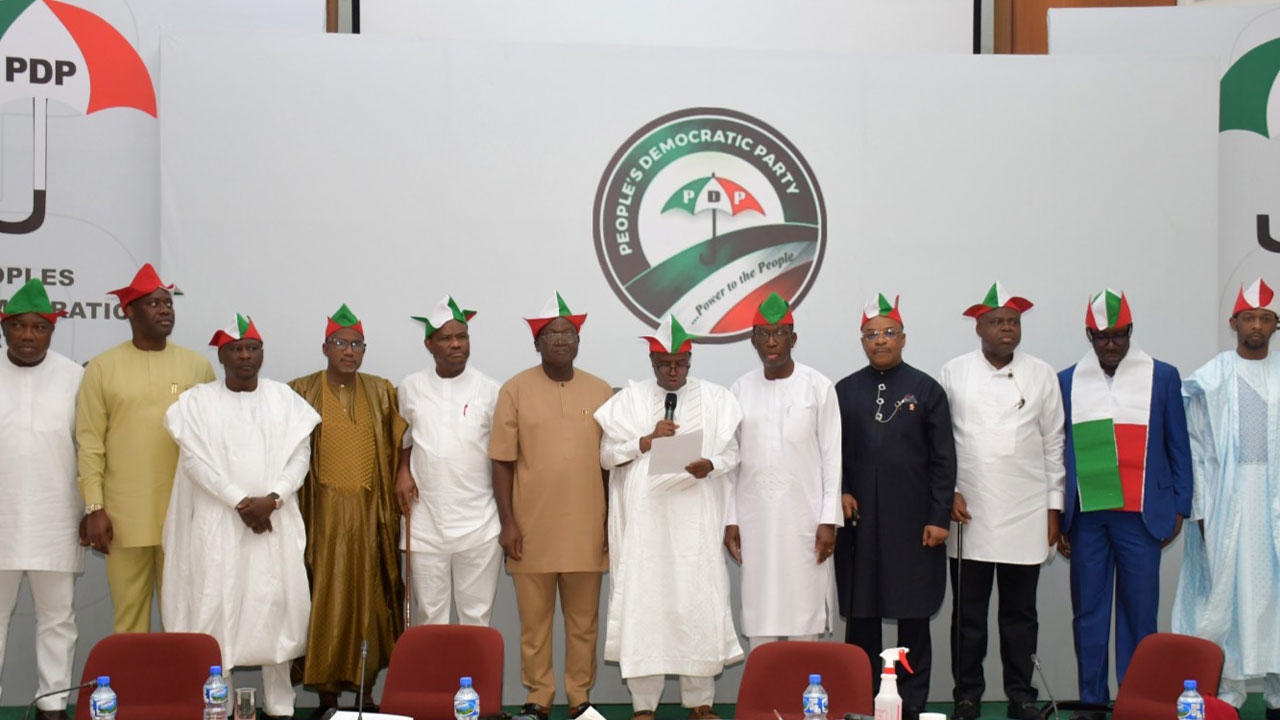
Governors elected under the Peoples Democratic Party (PDP), yesterday, under the aegis of the PDP Governors Forum, fired back at the Presidency for talking down on the opposition governor’s recent communique on the state of the nation.
The Presidency’s response, made through Garba Shehu, in the opinion of the Forum is infantile.
According to the statement issued by Director General, PDP Governors Forum, CID Maduabum, the PDP governors maintained that their March 23 communique merely stated the realities in relation to the existential threats confronting the country under the All Progressives Congress (APC)-led administration.
The statement read in part, “The PDP Governors communiqué made a comparative sketch of Nigeria of 2015 under PDP and Nigeria of 2022 under APC. The communiqué reeled out the fact that in almost all sectors, things have gotten worse by over 1000%.
“This is reflected in prices of basic foodstuffs, unemployment rate, electricity prices, kerosene, diesel, fuel, aviation fuel, and air ticket prices which have all gone through the roof. It reeled out figures on poverty, inflation, exchange rate, debt accumulation, and corruption.
Read Also >> Rising Insecurity: FG Orders Telcos To Bar Outgoing Calls From Unlinked SIMs
“Indeed, all aspects of life in Nigeria are being systematically destroyed by the APC administration. Life has become short, brutish, and valueless in Buhari’s Nigeria as insecurity ravages the land. But this is not the problem of Garba Shehu, who is enveloped in the Presidential Villa, totally oblivious of the suffering and agony Nigerians are facing.
“The most disturbing aspect of misrule of the APC as chronicled in the communiqué is the petroleum sector. The stealing of Nigeria’s crude oil and the connivance of NNPC in shortchanging other tiers of government, namely, States and Local Governments is simply mind bogging, if not outright criminal. Nigeria now produces 1.1million barrels of crude oil per day.
It has the capacity to produce 2.5 million per day. It cannot even meet its OPEC quota of 1.8 million per day. NNPC is a law unto itself.
“Nobody can call them to order to desist from the part of lawlessness and unconstitutional acts it has chosen to dwell in. Of course, President Buhari is the Minister of Petroleum Resources.
Under his watch, Nigeria’s oil and gas sector is deteriorating. In an accountable government, he should have resigned his position as Minister of Petroleum, as a result of the cataclysmic failures in the sector.
“It is even shocking that Garba Shehu admits that funds from NNPC are now directly used to fund social and health programs, road construction, etc, in an unconstitutional overreach.
NNPC can spend the Federal Government’s share of the Federation Account as it pleases. It cannot spend money belonging to other tiers of government without their approval. NNPC cheats States and Local Governments.
NNPC recklessly squanders money belonging to other tiers of government and has the audacity and impudence to pay a Zero amount of money into the Federation Account.
“Garba Shehu conveniently ignored the facts in the PDP Governors Communique that exposed the deduction of N788 billion for NNPC’s own chosen projects without recourse to the Federation Account; the deduction of N8.3 billion monthly for rehabilitation of refineries in Nigeria that do not work; the scandal called petroleum subsidy that gulps trillions of naira yearly without accountability and value for money.”







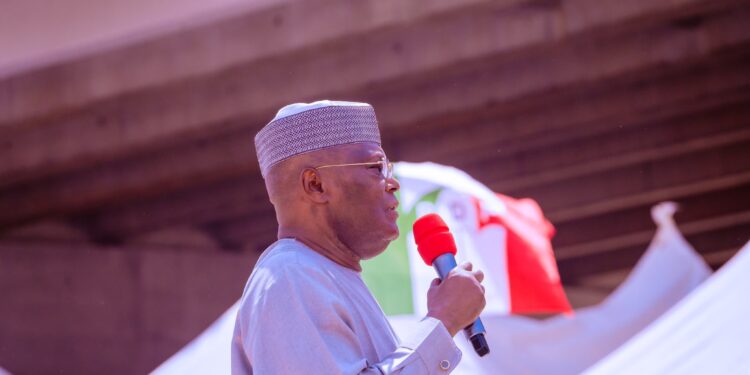
Former Vice President and African Democratic Congress (ADC) presidential candidate, Atiku Abubakar, has said Nigerians still deserve answers six years after the October 20, 2020, EndSARS shooting at the Lekki Toll Gate in Lagos.
Atiku made this known in a statement on Tuesday marking the sixth anniversary of the incident, in which he called for accountability over the shooting and criticised the Federal Government’s handling of the unresolved questions surrounding the tragedy.
He questioned who gave the order for the operation against protesters, insisting that the country could not continue to commemorate the victims without addressing the circumstances surrounding the incident.
RELATED NEWS: EndSARS Memorial: ‘We Must Never Normalise Injustice’ – Peter Obi
Atiku also recalled President Bola Tinubu’s remarks in October 2020, when he questioned the circumstances surrounding the casualties recorded during the shooting.
Tinubu had asked: “How were they there? How long were they there? What kind of characters are they?”
According to Atiku, the remarks appeared to focus on questioning the victims rather than demanding answers from those responsible for the violence against peaceful protesters.
He said the anger surrounding the anniversary reflected the unresolved grief of affected families and the distrust of young Nigerians who had demanded accountability and a better future.
“The APC has governed Nigeria through these six years. It cannot keep asking Nigerians to remember the dead while refusing to confront the unanswered questions,” Atiku said.
The ADC presidential candidate also linked the unresolved questions surrounding the Lekki shooting to the economic hardship confronting Nigerians, particularly young people struggling with rising living costs.
Citing petrol prices of ₦1,405 per litre, Atiku said transportation costs were making it increasingly difficult for Nigerians to afford basic necessities, including food, rent, education and commuting to work.
He illustrated the situation with the account of a young woman who reportedly resigned from her job because her salary could no longer cover her transportation expenses.
According to Atiku, one of his aides shared the woman’s experience earlier on Tuesday.
The woman reportedly said: “The pay no longer covers transport. Everything in Nigeria just dey increase in price. Feels like I’m working for Bolt guys.”
Atiku described the experience as an example of the difficulties faced by employed Nigerians whose earnings could no longer adequately cover the cost of getting to work.
He argued that the economic situation was affecting not only unemployed Nigerians but also workers struggling to survive on salaries weakened by rising costs.
The former vice president also highlighted his Economic Recovery Plan, which he said was designed to make Nigeria more affordable.
The proposed measures include providing support tied to fuel refined in Nigeria, passing savings on to consumers, increasing local production to create jobs, protecting minimum-wage earners, supporting students and cutting government waste rather than imposing additional taxes.
Atiku maintained that young Nigerians deserved answers about the Lekki shooting, a government that protects human life and an economy in which employment could provide a path to a better standard of living.
He added that Nigerians were entitled to question the APC’s record on accountability and economic opportunities six years after the incident.
The EndSARS protests began in October 2020, with young Nigerians demanding an end to police brutality and reforms to policing in the country. The shooting at the Lekki Toll Gate on October 20 became one of the most prominent events associated with the protests.
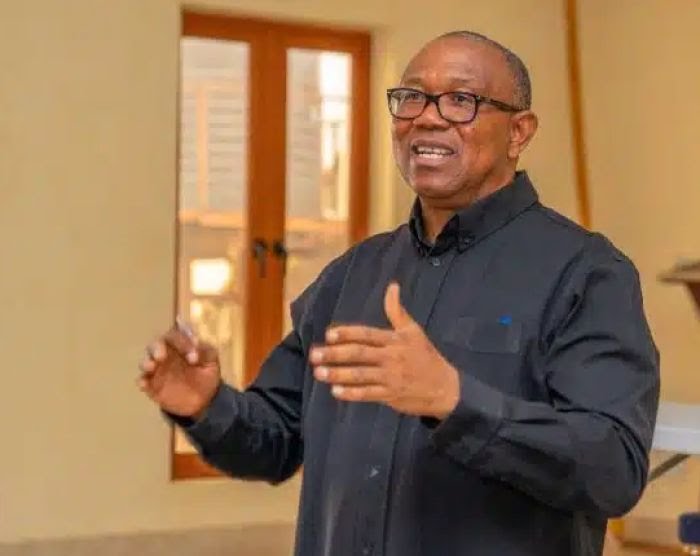
National Democratic Congress (NDC) presidential candidate, Peter Obi, has called on Nigerians never to normalise injustice as the country marks the sixth anniversary of the Lekki Toll Gate shootings during the #EndSARS protests.
Obi made the call in a statement posted on his X account on Tuesday, October 20, 2026, in which he reflected on the events of October 20, 2020, and renewed his call for a Nigeria where citizens’ rights are protected.
He expressed appreciation for Nigerian youths who participated in the protests, describing the anniversary as a painful reminder of the sacrifices made in the demand for a better country.
SEE ALSO: BREAKING: Activists Arrested For Commemorating #Endsars Released
According to him, peaceful #EndSARS protesters were met with gunfire at the Lekki Toll Gate on that fateful night, leaving people dead and others injured.
He noted that the incident raised questions about justice, accountability and respect for human life.
“We must never forget. We must never normalise injustice,” Obi said.
He also reaffirmed his belief that a New Nigeria is possible, describing it as a country where citizens are protected rather than brutalised, young people are heard rather than silenced, and government power is exercised responsibly and with respect for human rights.
The former Anambra State governor stressed that Nigeria must become a nation where no citizen is punished for demanding good governance and a better future.
As the country marks six years since the incident, Obi prayed for the repose of the souls of those who lost their lives and called for their sacrifices to strengthen efforts towards building a better nation.
“May the souls of the departed continue to rest in peace. May their sacrifice strengthen our resolve to build a Nigeria where this tragedy will never be repeated,” he stated.
He concluded by reiterating his belief in the possibility of a New Nigeria, insisting that the country must become one where every life matters.
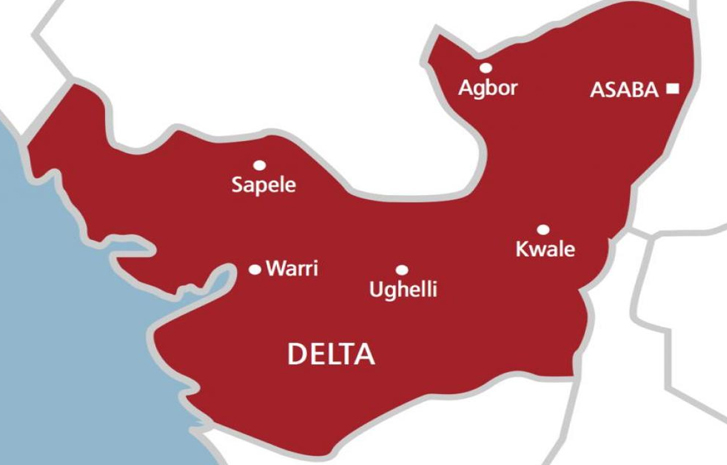
Former Delta State Governor, Dr Emmanuel Uduaghan, has reportedly died, according to sources said to be close to his family.
The sources confirmed the development on Monday, October 19, 2026, although details surrounding the circumstances of his death remained unclear as of the time of filing this report.
“Uduaghan is no more; he is dead,” one of the sources reportedly said.
SEE ALSO: Document reveals Akpoti-Uduaghan demanded N10b damages from husband before marriage, firm reacts
The reported death comes months after claims that the former governor had died circulated on social media before being dismissed by his media aide, Henry Unini.
In June, reports of Uduaghan’s alleged death spread across Facebook and WhatsApp, prompting Unini to publicly debunk the claims and assure the public that the former governor was alive.
“I can tell you for a fact that Dr. Emmanuel Uduaghan is alive,” Unini said at the time.
“Frankly, I don’t know where the writer got his information from. The death of someone is not something you take and write about casually,” he added.
Unini acknowledged at the time that Uduaghan had been experiencing health challenges but maintained that he was receiving medical attention.
“It is now common knowledge that Dr. Emmanuel Uduaghan has been sick, but he is receiving proper medical care,” the media aide said.
He also stated that the former governor was recuperating, assuring the public that there was no immediate cause for concern.
“There is no cause for alarm whatsoever,” Unini said.
The media aide thanked friends, well-wishers and residents of Delta State who contacted the family to verify the former governor’s condition. He also urged the public to avoid spreading unverified information.
“The rumour was uncalled for,” he said while addressing the earlier reports.
As of the time of filing this report, further details about the circumstances surrounding Uduaghan’s reported death had yet to emerge.





FG to Launch National Lead Poisoning Prevention Plan Wednesday

EndSARS Memorial: ‘Nigerians Still Deserve Answers’ – Atiku

EndSARS Memorial: ‘We Must Never Normalise Injustice’ – Peter Obi
Petrol Price Hike Looms as Oil Hits $110/barrel

NIPCO Gas Licences, NNPC Ltd Management Face Reps Probe
UNDC Assures on Readiness to Protect Oil, Gas Pipelines

Trump’s Family Unveils New Cryptocurrency Platform

Senate Denies Receiving Petitions Against Tinubu’s Ambassadorial Nominees

Dangote Cement Lights Up Benue Host Communities With CSR Initiatives

Reps Recommend 3-year Jail Term For Aviation minister

Tems Sets New Record On Billboard Hot 100 Chart
