
NEWS
CPPE Foresees Subsidy Leading Nigeria to Bankruptcy

By Edozie Obasi-Eze
The Centre for Promotion of Private Enterprises (CPPE) has projected that barring changes to the situation in Russia and Ukraine, Nigeria’s subsidy cost may hit N4 trillion by the end of the year, which might lead the country to bankruptcy.
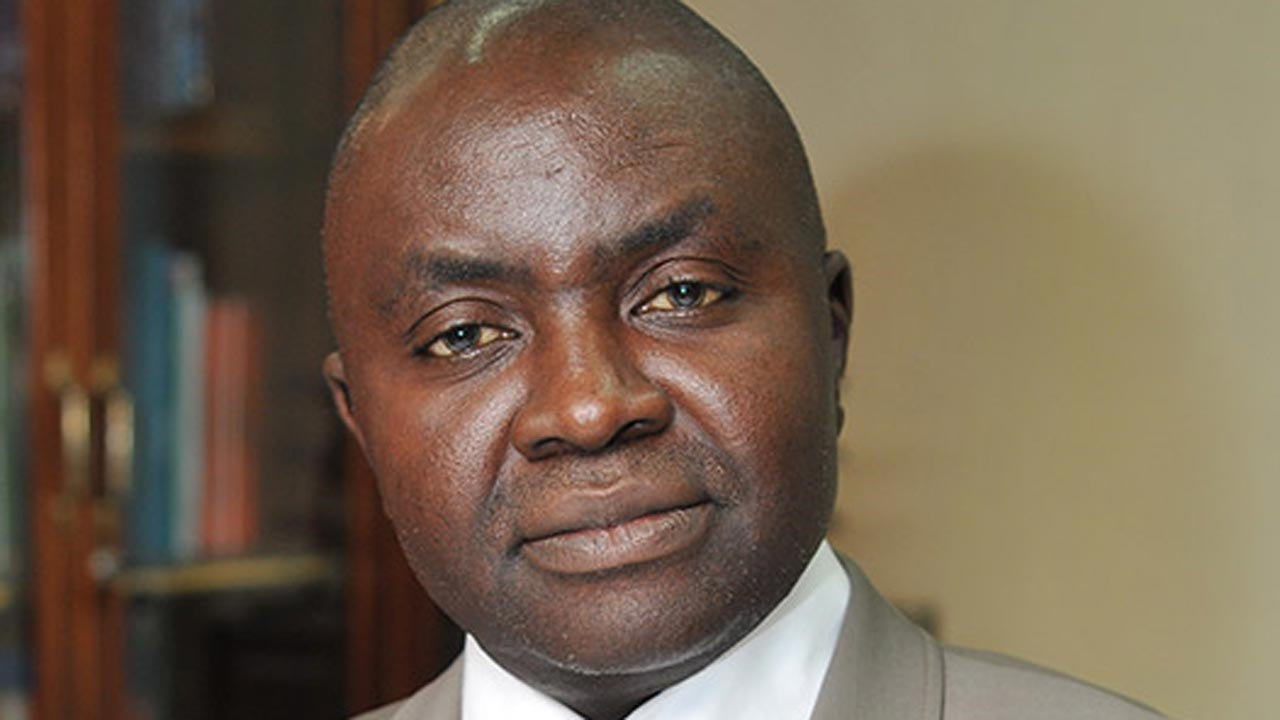
Chief Executive Officer (CEO), CPPE, Nigeria’s subsidy, expressed his opinion yesterday at its first-quarter press conference on the Nigerian economy.
He said, “With current subsidy trajectory, subsidy cost would not be less than N4 trillion by the end of this year. This is clearly a major source of disruption and dislocation for the finances of government at all levels.”
He averred that all things being equal, that is, if crude oil price did not shift from the current levels and the PMS price stayed fixed, Nigeria would be on the brink of bankruptcy, because the current subsidy regime was not sustainable.
He also opined that the deregulation dialogue needs to be brought to the table urgently to save the economy from further deterioration.
Dr Yusuf stressed that brave steps must be taken to ignite the reform process in the petroleum sector with the full activation of the Petroleum Industry Act (PIA).
He maintained that in the interim, all charges – import duty, levies, and taxes on importation should be suspended to moderate the cost of fuel, though the ultimate solution would be to revisit the deregulation engagement with stakeholders to pave way for a market-driven, private sector-led investment framework, with the government playing a regulatory role.
Read Also >> Nigeria Approves Siemens 25,000 Mw Power Expansion Contract
“This is the option we have as a country to stop the bleeding, the distortions, the smuggling and loss of investment that our petroleum downstream sector had suffered over the years,” he added.
He listed the possible benefits of a market-driven pricing regime to include free resources for investment in critical infrastructures such as power, roads, rail systems, health sector, and education sector; unlocking the huge private investment potential in the downstream oil sector, especially in petroleum product refining.
According to him, it would also eliminate the patronage mentality, rent-seeking activities, and corruption that currently characterise the downstream oil sector, in addition to creating more jobs for the teeming youths in the downstream oil sector as an investment in the sector improves; would reduce smuggling of petroleum products outside the country.
The Russia Ukraine war, which he observed has disrupted global oil and gas supplies and resulted in sharp increases in energy prices globally, was already taking a toll on the cost of production, cost of business operations, haulage costs, and consequently on profit margin.
“The cost of the major energy products had increased significantly – diesel, aviation fuel, natural gas, and kerosene. The inflationary outcomes will affect the affordability of many products, leading to further worsening of poverty.
“We will see an increase in subsidy payment as the landing cost of petrol increases. Regrettably, we remain a major importer of petroleum products. Therefore, when oil prices increase, subsidy payment also surges. Only recently the estimate of subsidy was put at N3 trillion by the NNPC. That was before the Russian invasion of Ukraine.
The story would have changed now. We should expect subsidy payments to exceed the N3 trillion by the end of the year, depending on how long the sanctions and invasion last. This of course has very serious implications for our budget and government finances.
“If crude oil price remains at current levels, and the PMS price remains fixed, the country may be teetering on the brink of bankruptcy. The current subsidy payment regime is simply not sustainable. The deregulation dialogue needs to urgently resume to save the economy from further deterioration,” he noted.








The Secretary to the Adamawa State Government, Awwal D. Tukur, has identified intelligence gathering, timely information sharing and proactive security strategies as key priorities for tackling Nigeria’s evolving security challenges.
Tukur stated this while delivering a welcome address on behalf of Governor Ahmadu Umaru Fintiri at the opening ceremony of the Federal and State Security Administrators’ Meeting in Yola, Adamawa State on Thursday.
Welcoming delegates to the state, he said, “It is my honor and privilege to welcome you all on behalf of the government and the good people of Adamawa State to the capital city of Yola for this federal and state security administrators’ meeting.”
He described the gathering as an important platform for collaboration between federal intelligence institutions and state and local government administrations.
ALSO READ: ASUU strike: We are losing students to incessant killings — Students union
“As a premier security engagement forum, the FSSAM plays an indispensable role. It provides a unique, highly collaborative platform where federal intelligence frameworks meet the practical day-to-day realities of state and local government administration,” Tukur said.
The Adamawa SSG noted that Nigeria faces evolving security challenges, including insurgency, cross-border criminality and internal civil cleavages.
“No doubt, our nation is facing evolving and fast-moving security challenges, ranging from complex insurgency and cross-border criminality to internal civil cleavages. The mandate of this initiative is therefore, the more pressing,” he said.
Tukur outlined three key tasks for participants during the two-day meeting, stressing the need to identify emerging threats, improve intelligence sharing and develop practical strategies to address security challenges.
“To my mind, the collective task of this forum over the next two days is clear,” he said.
He listed the priorities as identifying and evaluating emerging security indicators; reviewing methods for generating actionable intelligence and sharing it with relevant authorities in a clear, precise and timely manner; and proposing practical strategies to anticipate and contain present and future security threats within communities.
Tukur also highlighted Adamawa State’s efforts to prioritise intelligence gathering under Governor Fintiri’s leadership.
“Under the dynamic and visionary leadership of His Excellency, Governor Ahmadu Umaru Fintiri, Adamawa State has consistently prioritized intelligence in the sector. Community-centered intelligence networks and robust logistical support for our security formation,” he said.
He added that hosting the meeting reflected the state’s commitment to supporting national security efforts.
“Host of this meeting reflects the test part of the commitments on unwavering commitment to contributing meaningfully to the national security architecture,” Tukur said.
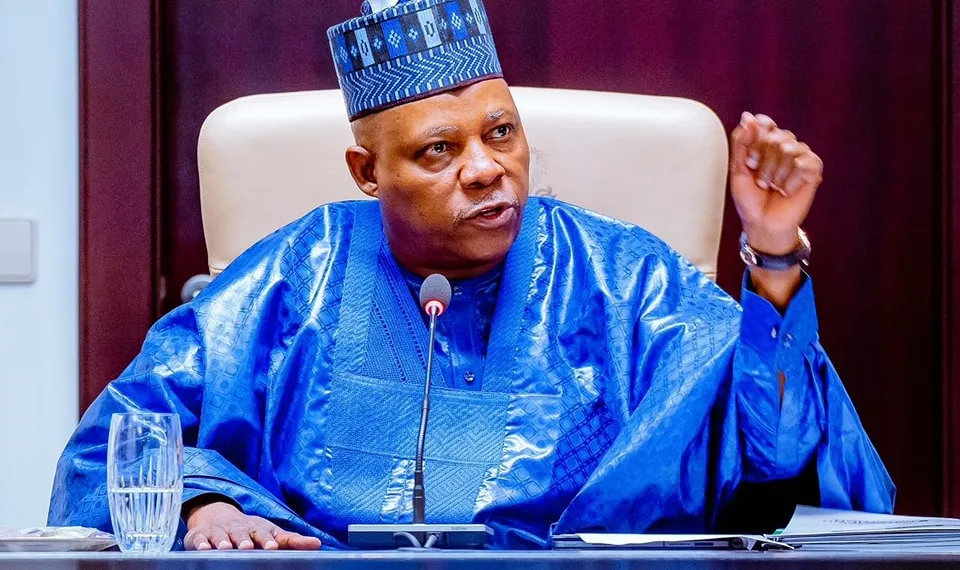
Vice President Kashim Shettima has urged Nigerians to celebrate President Bola Tinubu, saying his leadership saved the country from a potential implosion.
Shettima said Nigeria’s economy had been teetering on the edge of collapse before Tinubu’s intervention, adding that the country could have faced a different situation.
“The economy was teetering on the edge of collapse, we were on a cliff edge,” the Vice President said.
ALSO READ: Subsidy Removal, FX Reforms Driving Fresh Oil Sector Investment – Shettima
“So he literally saved the nation from an implosion. That could have been the scenario. So, instead of demonizing him, Nigerians ought to celebrate this poor man.”
Shettima also called for a return to the drawing board, expressing confidence in the leadership’s commitment and the prospects for the 2027 elections.
“I believe on the bottom of my heart that with this presentation I have seen, and with the commitment of our leadership, by the grace of God, we are going to win,” he said.
Speaking about the 2027 elections, the Vice President reminded his audience that social media platforms should not be mistaken for actual polling stations.
“There are no polling stations on Facebook or Instagram,” he said.
Shettima also expressed gratitude for the efforts made towards promoting the cause of the 2027 elections.

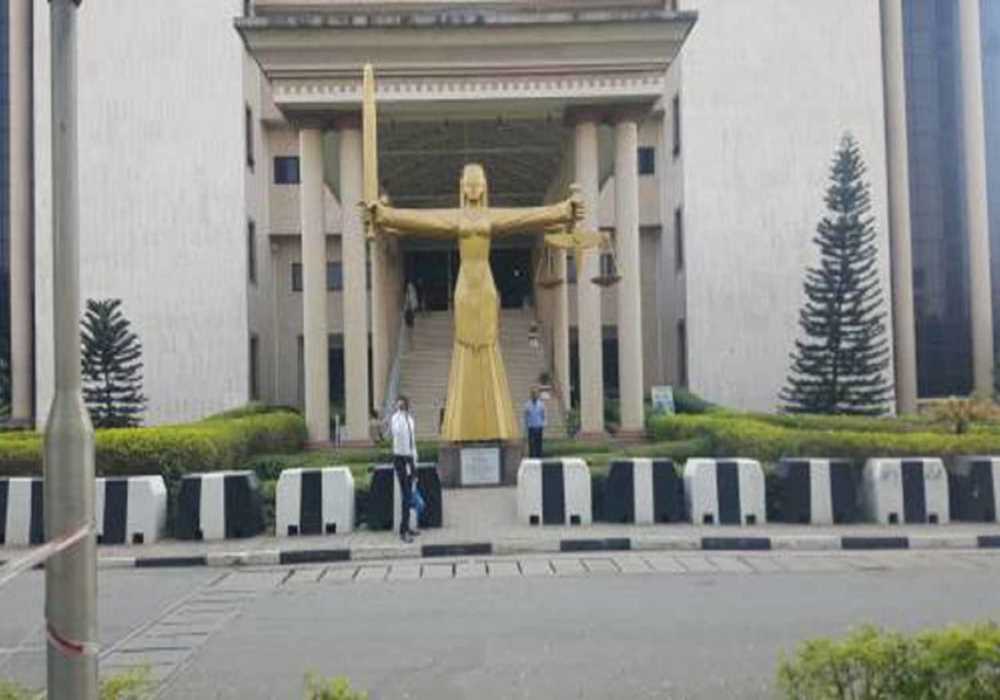
Following observed mis-steps, the Federal Government of Nigeria has withdrawn the eight-count criminal charge brought against the alleged fake Director General (DG) of the Presidential Foreign Intervention Promotion Council (PFIPC), Adeniyi Adeyemi.
Biztellers reports that the matter, in accordance with the counsel of the Attorney General of the Federation (AGF) and Minister of Justice, Prince Lateef Olasunkanmi Fagbemi, (SAN), the matter will be filed at the High Court of the Federal Capital Territory (FCT), instead of the Federal High Court (FHC).
Consequently, upon an unopposed application for termination by the prosecution counsel and Director of the Public Prosecution of the Federation (DPPF), Rotimi Oyedepo (SAN), on Monday, Justice Mohammed Umar of a Federal High Court, Abuja on Monday, struck out the matter.
READ ALSO: Shell Identifies Keys to Nigeria’s Energy Future
In a motion for the termination of the charges, Oyedepo informed the court that the Attorney General of the Federation (AGF) and Minister of Justice has carried out a review of the case file of Adeyemi and the charge filed by the Inspector General of Police (IGP) and found some loopholes.
The DPPF added that the documents allegedly forged by Adeyemi during his operations of the fake agency are those that can be prosecuted by the High Court of the Federal Capital Territory (FCT).
He also informed the court that a new charge has been filed at the High Court of the FCT and that Adeyemi would be expeditiously arraigned afresh.
He therefore urged the judge to strike out the charge as required by law.
Following no objections from Ibrahim Angulu (SAN), who stood in for Adeyemi, Justice Umar subsequently terminated the charge.
Adeniyi, 38, was being tried alongside two others whose whereabouts are unknown, on charges bordering on conspiracy and forgery.
The two others said to be at large were identified as Femi (surname unknown) and Anu (surname unknown).
The charge marked: FHC/ABJ/CR/25/2025, was entered against the defendant by the DPPF.






Atiku Launches ‘Ask AA’ Portal, Invites Nigerians to Question His Record
Adamawa SSG Identifies Three Priorities for Tackling Nigeria’s Security Challenges

Ebonyi 2027: Gov Nwifuru Jittery Over My Candidacy, Violating Constitution — Odii

Small Investors Take Centre Stage as Dangote IPO Nears Close
Sahara Champions Global Shipping Collaboration for $20m Mercy Ships Healthcare Impact

30 Nigerians Bag Postgraduate Scholarship from NNPC Ltd, Eni

Trump’s Family Unveils New Cryptocurrency Platform

Senate Denies Receiving Petitions Against Tinubu’s Ambassadorial Nominees

Dangote Cement Lights Up Benue Host Communities With CSR Initiatives

Reps Recommend 3-year Jail Term For Aviation minister

Tems Sets New Record On Billboard Hot 100 Chart
