
International News
Saudi Shares Plunge After Drone Strikes Target Vital Oil Pipeline

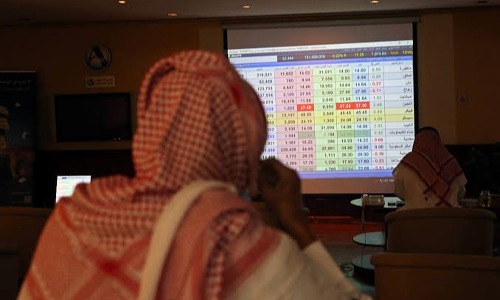
Saudi Arabian shares fell in early trading on Sunday after drone strikes targeted the kingdom’s vital East-West crude oil pipeline, raising fresh concerns over regional oil supplies and infrastructure security.
Saudi Arabia’s benchmark index dropped 1%, weighed down by declines in major companies. Al Rajhi Bank fell 0.8%, while Saudi Arabian Mining Company declined 2.4%.
ALSO READ: Saudi Oil Pipeline Attack: How the Shutdown Could Hit Global Economy
Oil giant Saudi Aramco also slipped 1.1%, while Rabigh Refining and Petrochemical Company plunged 7.3%, making it the session’s worst performer.
The sell-off followed the precautionary shutdown of the East-West pipeline after aerial strikes on Thursday hit installations across the Riyadh and Medina regions, causing several injuries.
Saudi Arabia and Iraq both traced the attacks to Iraqi territory, where Iran-backed militias operate. The Iraqi government subsequently dismissed a senior military commander on Saturday.
Riyadh has so far held off on immediate military retaliation following an appeal from Iraq’s prime minister, while asserting its right to defend its sovereignty and critical infrastructure.
The tensions escalated further after U.S. President Donald Trump directly blamed Iran for the strikes on Saturday.
The East-West pipeline is a critical route for Saudi Arabia because it provides an alternative for crude exports that bypasses the Strait of Hormuz.
The latest disruption has highlighted the vulnerability of regional oil infrastructure.
Previous attacks on Saudi energy facilities cut the kingdom’s crude production by 2.3 million barrels per day to about 6 million barrels per day, its lowest level in three decades, according to the International Energy Agency.
Elsewhere in the Gulf, Qatar’s benchmark index rose 0.2%, bucking the regional trend, helped by gains in petrochemical producer Industries Qatar.
Meanwhile, Gulf foreign ministers are planning to meet their Iranian counterpart as part of an Oman-backed effort to secure an interim agreement on managing traffic through the Strait of Hormuz.












Federal agents raided the Washington, D.C., home of Democratic Congresswoman Ilhan Omar early Monday morning as part of an ongoing federal criminal investigation, the United States Department of Justice (DOJ) has confirmed.
Homeland Security Investigations agents arrived at the Minnesota congresswoman’s residence at about 6:00 a.m. Eastern Time, according to a report by Fox News.
SEE MORE: Trump Sparks Outrage With Shock Proposal to Rename New Mexico
The report said both the Department of Homeland Security (DHS) and the DOJ are involved in the investigation.
A DOJ spokesperson confirmed the operation, stating: “Today in the Washington, D.C. area, Homeland Security Investigations executed a judicially authorized search warrant secured by the Department of Justice.”
The spokesperson added: “This enforcement action is part of an ongoing federal criminal investigation.”
Details later……….
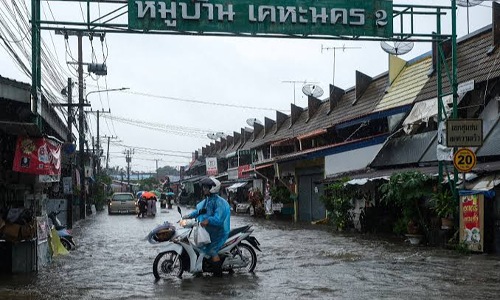
Heavy rains have triggered severe flooding across parts of Bangkok, Thailand, forcing nearly 4,900 residents to evacuate to shelters as floodwaters swept through roads and residential areas.
The flooding has disrupted movement across parts of the Thai capital, with motorists and pedestrians forced to navigate submerged roads and seek alternative routes.
SEE ALSO: NAFDAC Warns Nigerians As Fake Cowbell Milk Floods Market
According to the Bangkok Metropolitan Administration, about 52,000 households have been affected by the flooding, prompting authorities to declare a flood disaster and intensify emergency response efforts.
Emergency teams have been deployed to assist affected communities and move residents from vulnerable areas to safer locations as water levels rise.
Bangkok is accustomed to seasonal heavy rainfall, but intense downpours can overwhelm drainage systems, particularly in low-lying areas, resulting in widespread flooding and disruption.
Authorities are continuing to monitor affected locations while coordinating evacuations and other emergency measures.
For thousands of residents, the immediate priority remains securing safe shelter and protecting homes and livelihoods as authorities work to manage the situation and restore normal activities once the floodwaters recede.
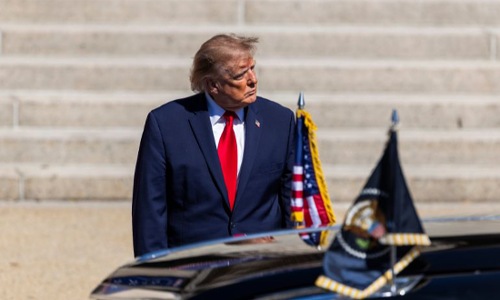
US President Donald Trump has explained his decision to reject Iran’s latest proposal to reopen the Strait of Hormuz, saying Tehran was seeking an agreement because it was losing revenue.
Speaking to reporters at the White House, Trump said Iran wanted to immediately reopen the strategically important waterway but argued that the proposal was not acceptable to his administration.
“They want to make a deal, and I think that’s fine. I like making a deal, too, but that deal would not be acceptable,” Trump said.
SEE ALSO: How the Strait of Hormuz Attack Could Trigger a Fresh Global Oil Shock
According to the US president, Iran’s push to reopen the strait was driven by the economic pressure it was facing.
“What they want to do is immediately open the Hormuz Strait. Do you know why? Because they are dying,” Trump said.
“You know why they’re dying? Because they have no money coming in, because they get their money from the Hormuz Strait.”
Trump also claimed that the US had established an unprecedented naval blockade against Iran, describing it as “a wall of steel.”
“So they outsmarted themselves. We put up the greatest blockade ever in military history. It’s a wall of steel,” he said.
“And guess what? They don’t have any money now because they wanted to close the strait.”
The Strait of Hormuz is a major global energy shipping route, and disruption to traffic through the waterway has significant implications for international oil markets and countries that depend on energy imports.
Trump’s remarks came amid continued tensions between Washington and Tehran over the reopening of the strategic waterway and negotiations involving Iran.






Two Suspected Political Thugs Killed After Attacking NDC Candidate’s Convoy in Ebonyi

Shettima Arrives Maiduguri to Commission Hospital, Schools, 104 Housing Units

Lagos CP Warns Officers Against Extortion, Brutality Ahead of 2027 Elections

‘Show Nigerians Where the Money Is’ — ADC Challenges Tinubu Over ₦10bn Ebola Fund

Nollywood Mourns as Veteran Actor Francis Duru Dies at 57

Why Ebola Outbreaks Keep Returning to Africa, Dr Jean Kaseya Explains

Trump’s Family Unveils New Cryptocurrency Platform

Senate Denies Receiving Petitions Against Tinubu’s Ambassadorial Nominees

Dangote Cement Lights Up Benue Host Communities With CSR Initiatives

Reps Recommend 3-year Jail Term For Aviation minister

Tems Sets New Record On Billboard Hot 100 Chart
