
NEWS
#Subsidyprotests: Back To Trenches, Action Resumes Aug 14

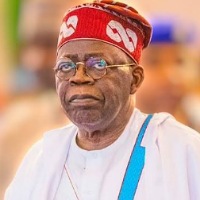
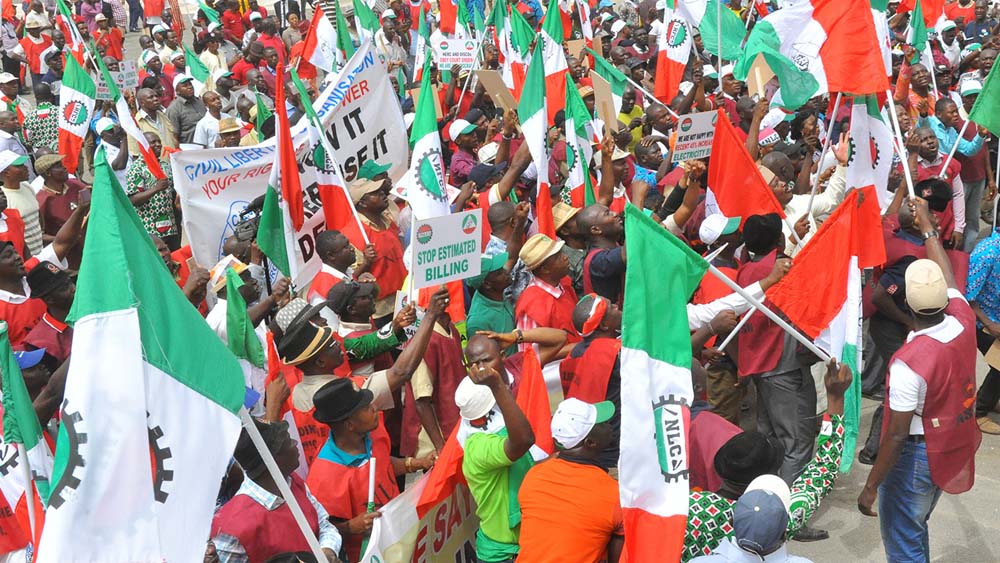
It appears that the truce reached by aggrieved parties in the #Subsidyprotests has broken down, so soon after, as orgnanised labour has ordered members and allies back to the trenches as from August 14, 2023.
Biztellers reports that leaders of the Nigerian Labour Congress (NLC) arrived at the decision at a meeting in Abuja, on Thursday, where it also put machinery in motion for immediate reaction if their leaders are arraigned for contempt as the Federal Government is pushing through the Ministry of Justice.
President, NLC, Joe Ajaero, disclosed that the National Executive Council (NEC) of the NLC met and deliberated on the #Subsidyprotests, particularly the contempt charges being pressed against the leadership of the orgnised labour and opted to go back to the trenches.
It was gathered that unless the Federal Government withdraws the contempt proceedings it initiated through the Federal Ministry of Justice secured at the National Industrial Court (NIC), Abuja.
Recall that Biztellers reported that the FG in what appears like an attempt at firing on all cylinders, approached the NIC to curtail the excesses of organised labour, while President Bola Ahmed Tinubu was consultation with labour leaders.
This twist it appears has triggered the organised labour to shift from the conciliatory postures witnessed after their meeting with President Tinubu.
The petition, brought before the NIC, Abuja by the FG, as applicant, titled “Form 48” was a “notice of consequences of disobedience to order of the court”.
The notice, which was addressed to the President of the NLC, had the various leaders of the organised labour as respondents.
Other names listed on the notice were, Deputy Presidents, Audu Aruba, Adeyanju Adewale, and Kabiru Sani; General Secretary, Emmanuel Ugboaja; TUC President, Festus Usifo, and General Secretary, Nuhu Toro.
It was issued under the signature of Senior Registrar, NIC, Balogun Olajide.
It read, “Take notice that unless you obey the directives contained in the Order of the National Industrial Court, Abuja, delivered by Honourable Justice Y. Anuwe on June 5th 2023, as per the attached Enrolled Order, you will be guilty of Contempt of Court and will be liable to be sentenced to prison”.
However, the NLC considers the action as part of the anti-democratic tendencies of the President Tinubu administration, while berating the Ministry of Justice and the NIC for allowing “themselves to be used as agents of anti-democracy.”
Consequently, the labour centre pointed out that though it agreed to suspend its protests based on its meeting with President Tinubu, it would embark on a nationwide strike from August 14, 2023, if the FG insists on pressing the contempt charges against the labour leaders.
On the decisions of the NLC, Ajaero said the NEC resolved to support and affirm the decision to suspend further nationwide mass protest and to commit to maintaining the required vigilance needed to hold the government accountable for its assurances and governance in general.
The NLC also resolved to commit to the terminal date of August 19 within which the issues around the petroleum price hike would be agreed given the assurances of the President and the National Assembly.
According to the statement, the NLC resolved “To go on total strike across the country any day labour leaders are summoned to court by the government through the NICN 5;
“To demand the immediate withdrawal of this litigious terrorism by the Federal Ministry of Justice before the end of work Friday, the 11th of August, 2023;
“To embark on a nationwide comprehensive strike beginning Monday 14th of August, 2023 if this contemptuous court summons is not withdrawn by whosoever initiated it.”
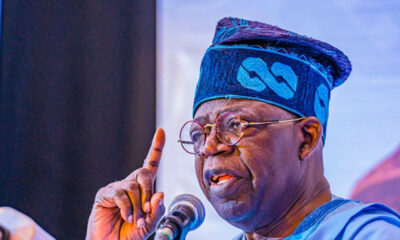

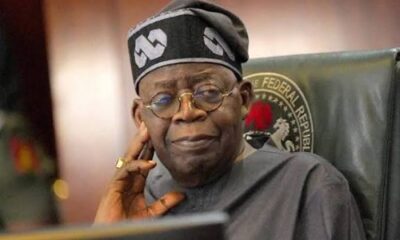

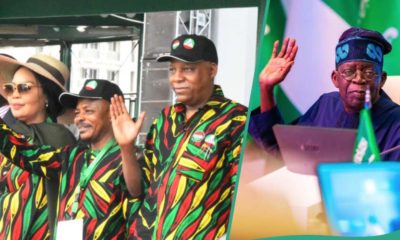




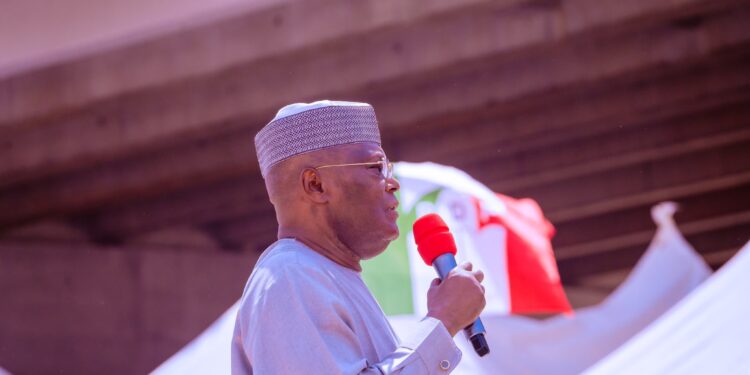
Former Vice President and African Democratic Congress (ADC) presidential candidate, Atiku Abubakar, has said Nigerians still deserve answers six years after the October 20, 2020, EndSARS shooting at the Lekki Toll Gate in Lagos.
Atiku made this known in a statement on Tuesday marking the sixth anniversary of the incident, in which he called for accountability over the shooting and criticised the Federal Government’s handling of the unresolved questions surrounding the tragedy.
He questioned who gave the order for the operation against protesters, insisting that the country could not continue to commemorate the victims without addressing the circumstances surrounding the incident.
RELATED NEWS: EndSARS Memorial: ‘We Must Never Normalise Injustice’ – Peter Obi
Atiku also recalled President Bola Tinubu’s remarks in October 2020, when he questioned the circumstances surrounding the casualties recorded during the shooting.
Tinubu had asked: “How were they there? How long were they there? What kind of characters are they?”
According to Atiku, the remarks appeared to focus on questioning the victims rather than demanding answers from those responsible for the violence against peaceful protesters.
He said the anger surrounding the anniversary reflected the unresolved grief of affected families and the distrust of young Nigerians who had demanded accountability and a better future.
“The APC has governed Nigeria through these six years. It cannot keep asking Nigerians to remember the dead while refusing to confront the unanswered questions,” Atiku said.
The ADC presidential candidate also linked the unresolved questions surrounding the Lekki shooting to the economic hardship confronting Nigerians, particularly young people struggling with rising living costs.
Citing petrol prices of ₦1,405 per litre, Atiku said transportation costs were making it increasingly difficult for Nigerians to afford basic necessities, including food, rent, education and commuting to work.
He illustrated the situation with the account of a young woman who reportedly resigned from her job because her salary could no longer cover her transportation expenses.
According to Atiku, one of his aides shared the woman’s experience earlier on Tuesday.
The woman reportedly said: “The pay no longer covers transport. Everything in Nigeria just dey increase in price. Feels like I’m working for Bolt guys.”
Atiku described the experience as an example of the difficulties faced by employed Nigerians whose earnings could no longer adequately cover the cost of getting to work.
He argued that the economic situation was affecting not only unemployed Nigerians but also workers struggling to survive on salaries weakened by rising costs.
The former vice president also highlighted his Economic Recovery Plan, which he said was designed to make Nigeria more affordable.
The proposed measures include providing support tied to fuel refined in Nigeria, passing savings on to consumers, increasing local production to create jobs, protecting minimum-wage earners, supporting students and cutting government waste rather than imposing additional taxes.
Atiku maintained that young Nigerians deserved answers about the Lekki shooting, a government that protects human life and an economy in which employment could provide a path to a better standard of living.
He added that Nigerians were entitled to question the APC’s record on accountability and economic opportunities six years after the incident.
The EndSARS protests began in October 2020, with young Nigerians demanding an end to police brutality and reforms to policing in the country. The shooting at the Lekki Toll Gate on October 20 became one of the most prominent events associated with the protests.
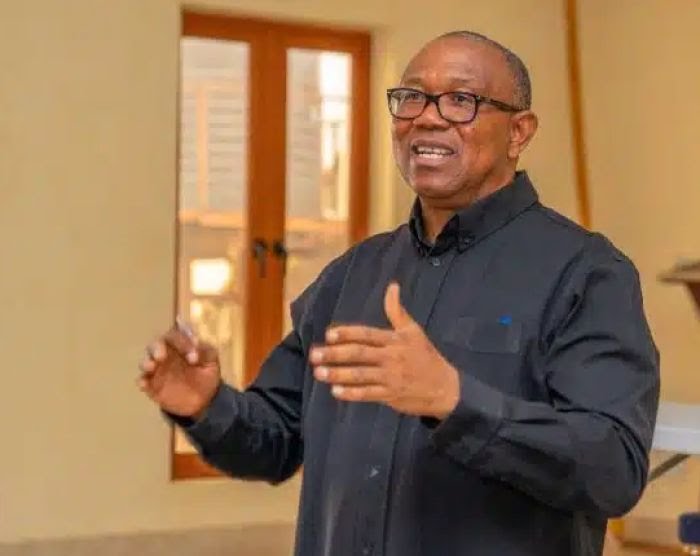
National Democratic Congress (NDC) presidential candidate, Peter Obi, has called on Nigerians never to normalise injustice as the country marks the sixth anniversary of the Lekki Toll Gate shootings during the #EndSARS protests.
Obi made the call in a statement posted on his X account on Tuesday, October 20, 2026, in which he reflected on the events of October 20, 2020, and renewed his call for a Nigeria where citizens’ rights are protected.
He expressed appreciation for Nigerian youths who participated in the protests, describing the anniversary as a painful reminder of the sacrifices made in the demand for a better country.
SEE ALSO: BREAKING: Activists Arrested For Commemorating #Endsars Released
According to him, peaceful #EndSARS protesters were met with gunfire at the Lekki Toll Gate on that fateful night, leaving people dead and others injured.
He noted that the incident raised questions about justice, accountability and respect for human life.
“We must never forget. We must never normalise injustice,” Obi said.
He also reaffirmed his belief that a New Nigeria is possible, describing it as a country where citizens are protected rather than brutalised, young people are heard rather than silenced, and government power is exercised responsibly and with respect for human rights.
The former Anambra State governor stressed that Nigeria must become a nation where no citizen is punished for demanding good governance and a better future.
As the country marks six years since the incident, Obi prayed for the repose of the souls of those who lost their lives and called for their sacrifices to strengthen efforts towards building a better nation.
“May the souls of the departed continue to rest in peace. May their sacrifice strengthen our resolve to build a Nigeria where this tragedy will never be repeated,” he stated.
He concluded by reiterating his belief in the possibility of a New Nigeria, insisting that the country must become one where every life matters.
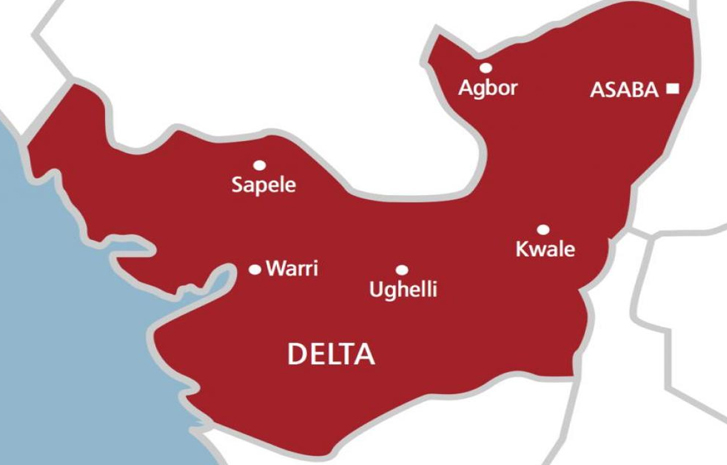
Former Delta State Governor, Dr Emmanuel Uduaghan, has reportedly died, according to sources said to be close to his family.
The sources confirmed the development on Monday, October 19, 2026, although details surrounding the circumstances of his death remained unclear as of the time of filing this report.
“Uduaghan is no more; he is dead,” one of the sources reportedly said.
SEE ALSO: Document reveals Akpoti-Uduaghan demanded N10b damages from husband before marriage, firm reacts
The reported death comes months after claims that the former governor had died circulated on social media before being dismissed by his media aide, Henry Unini.
In June, reports of Uduaghan’s alleged death spread across Facebook and WhatsApp, prompting Unini to publicly debunk the claims and assure the public that the former governor was alive.
“I can tell you for a fact that Dr. Emmanuel Uduaghan is alive,” Unini said at the time.
“Frankly, I don’t know where the writer got his information from. The death of someone is not something you take and write about casually,” he added.
Unini acknowledged at the time that Uduaghan had been experiencing health challenges but maintained that he was receiving medical attention.
“It is now common knowledge that Dr. Emmanuel Uduaghan has been sick, but he is receiving proper medical care,” the media aide said.
He also stated that the former governor was recuperating, assuring the public that there was no immediate cause for concern.
“There is no cause for alarm whatsoever,” Unini said.
The media aide thanked friends, well-wishers and residents of Delta State who contacted the family to verify the former governor’s condition. He also urged the public to avoid spreading unverified information.
“The rumour was uncalled for,” he said while addressing the earlier reports.
As of the time of filing this report, further details about the circumstances surrounding Uduaghan’s reported death had yet to emerge.






FG to Launch National Lead Poisoning Prevention Plan Wednesday

EndSARS Memorial: ‘Nigerians Still Deserve Answers’ – Atiku

EndSARS Memorial: ‘We Must Never Normalise Injustice’ – Peter Obi
Petrol Price Hike Looms as Oil Hits $110/barrel

NIPCO Gas Licences, NNPC Ltd Management Face Reps Probe
UNDC Assures on Readiness to Protect Oil, Gas Pipelines

Trump’s Family Unveils New Cryptocurrency Platform

Senate Denies Receiving Petitions Against Tinubu’s Ambassadorial Nominees

Dangote Cement Lights Up Benue Host Communities With CSR Initiatives

Reps Recommend 3-year Jail Term For Aviation minister

Tems Sets New Record On Billboard Hot 100 Chart
