
Business
Abakaliki Residents Distressed As Naira Scarcity Returns

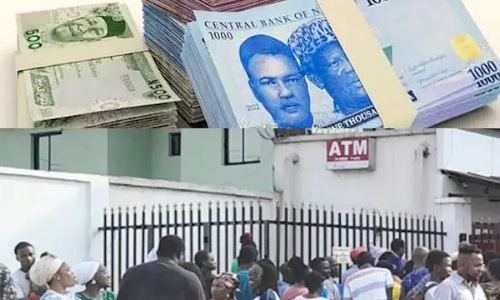
On Thursday, residents in Abakaliki expressed concerns regarding the resurgence of a shortage of banknotes in commercial banks and among point-of-sale (POS) operators.
Conversing with news men, locals highlighted worries about how this lack of cash might disrupt their financial and social activities.
A visits to several banks and POS outlets in Abakaliki revealed that certain bank customers expressed concern about the timing of this situation nearing the festive period.
Recall that Nigeria encountered a shortage of funds between January and March due to the redesign of the 200, 500, and 1000 naira notes.
Mr. Henry Okpor, a civil servant and bank customer, informed NAN that the scarcity of these notes had lingered in commercial banks for a while, extending to POS outlets.
He mentioned that despite the Central Bank of Nigeria’s (CBN) instruction for banks to distribute both new and old notes concurrently, there remained a deficit in their availability.
“I think the development began because citizens thought banking regulators might ban some old denominations by the end of 2023,” Okpor said.
Another civil servant, Mr. Jude Ekete, shared worries that if left unaddressed, this development might intensify hardship and significantly disrupt businesses.
He said “It is worrisome that even more disturbing that it is coming at this period when people are going through hard times to survive.”
He urged the federal government to intervene and resolve the situation promptly.
Mrs. Judith Eze, a trader, lamented that it was regrettable that certain banks were limiting the distribution of notes at their counters, while ATMs from some banks were programmed to dispense only limited amounts of cash.
She said “We faced cash scarcity between February and March 2023, which resulted in the collapse of some small businesses. Athorities should stop this trend before it gets worse again.”
Mrs. Regina Mbam, a bank customer, expressed skepticism, stating that if this scarcity was linked to implementing a cashless policy, it wouldn’t succeed unless comprehensive plans were established.
She noted that some customers were receiving lower denominations for huge withdrawals.
Mr. Benjamin Essong, a POS operator, urged the authorities to take decisive action to tackle the situation.
Meanwhile, some bank officials, speaking anonymously, alleged that the shortage stemmed from the hoarding of banknotes rather than reintroducing them into circulation after a previous cash scarcity had been resolved.










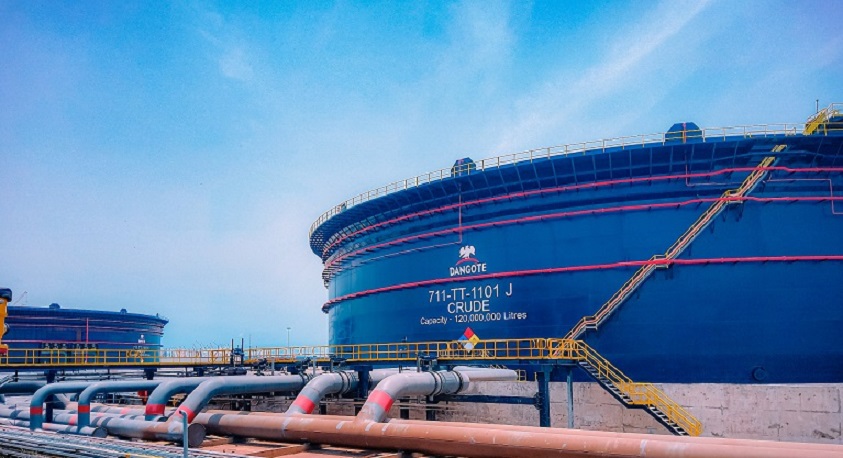
The Aliko Dangote Foundation (ADF) has unveiled the Women’s Share Subscription Grant Initiative (WSSGI), a pioneering financial inclusion programme aimed at increasing women’s participation in Nigeria’s capital market through the ongoing Initial Public Offering (IPO) of Dangote Petroleum Refinery and Petrochemicals FZE (DPRP).
The nationwide initiative is designed to support up to two million Nigerian women, with a special focus on low- and middle-income earners, as well as vulnerable women. Through the programme, ADF seeks to expand access to equity ownership, promote a culture of savings and long-term investing, and empower women with greater opportunities for wealth creation through responsible participation in the capital market.
The initiative is open to several categories of beneficiaries, including independent applicants earning ₦100,000 or less per month, verified participants in designated ADF programmes such as CRoWN, ADFIN, and Mu Shuka Iri, eligible non-commissioned servicewomen and service spouses, as well as verified service widows.
To accommodate different categories of participants, the initiative provides two pathways for entry: Matching Grant Track: Eligible independent applicants who subscribe to a minimum of 10 shares will receive an ADF-funded application for an additional 10 shares in their name.
Unconditional Grant Track
The ADF will fund an application for 20 shares on behalf of eligible beneficiaries who satisfy programme eligibility, investor identification, and Know Your Customer (KYC) requirements.
This category covers verified beneficiaries from designated ADF programmes and verified service widows.
Under both tracks, grant funds will be applied directly through the designated issuing house. No cash payments will be made to beneficiaries, government agencies, or sponsors. Any shares successfully allotted will be credited solely to the beneficiary and held in her name.
Eligibility Requirements
Applicants must be Nigerian women aged 18 years and above; resident in Nigeria; meet the eligibility requirements of their respective participation category; successfully complete all required identity verification and KYC processes; and receive no more than one ADF share grant across all Foundation share grant schemes.
The ADF is implementing the initiative in partnership with Vetiva Capital Management and the Nigerian Exchange Group (NGX) through the Securities and Exchange Commission (SEC)-approved IPO subscription infrastructure.
The Foundation will not receive, collect, or hold applicants’ or sponsors’ subscription funds. All applications, payments, allotments, and refunds will be handled in accordance with the IPO Prospectus, applicable regulatory requirements, and the approved basis of allotment.
Participation in the programme is entirely voluntary. Prospective investors should note that share prices may fluctuate, dividends are only payable when declared, and neither allotment nor investment returns are guaranteed.
To facilitate broad participation, applicants are not required to have an existing Central Securities Clearing System (CSCS) account. Where necessary, accounts will be created through Vetiva upon successful completion of the IPO’s KYC requirements.
Eligible independent applicants may submit their applications exclusively through the official ADF portal at ipo.alikodangotefoundation.org.
READ ALSO: 40 Oil Blocks up for Grabs as NUPRC Opens 2026 Bid Round
Beneficiaries affiliated with the ADF programmes and verified service widows will receive application guidance through approved Foundation channels.
The offer closes on 13 October 2026.
The ADF urges prospective participants to remain vigilant against fraud. Applicants should not make payments to agents, individuals, or personal bank accounts in exchange for grants or promises of guaranteed allotment. Passwords, PINs, and one-time passwords (OTPs) should never be shared, and any unexpected payment request or online link should be verified through official channels before action is taken.
Through this initiative, the ADF is reinforcing its commitment to inclusive economic empowerment, broadening access to investment opportunities, and enabling more Nigerian women to participate meaningfully in the nation’s wealth creation journey.
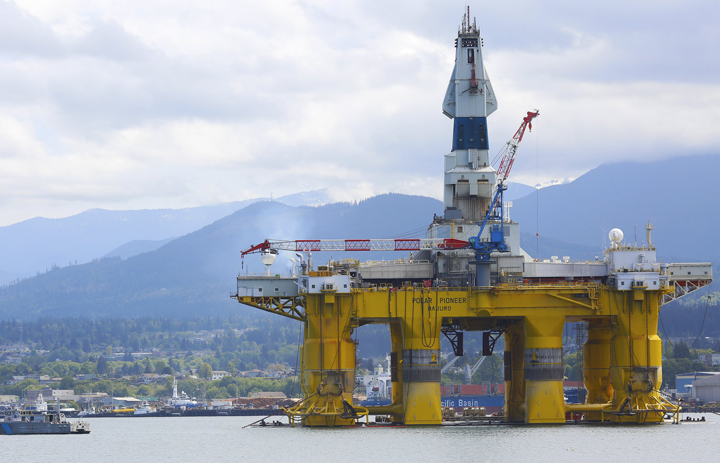
The Nigerian Upstream Petroleum Regulatory Commission (NUPRC) has unveiled a pipeline of major offshore projects with the potential to attract significant new investment into Nigeria’s upstream petroleum sector.
This is as the commission has intensified efforts to convert the country’s substantial hydrocarbon resources into producing assets and sustainable economic value, the NUPRC said in a statement.
According to the statement, Nigeria’s upstream investment outlook was presented at the Nigeria Investment Forum 2026 in New York by the Commission Chief Executive (CCE), Oritsemeyiwa Eyesan.
Eyesan, who was represented by the Executive Commissioner, Corporate Services and Administration, Dr. Kelechi Ofoegbu, highlighted the emerging investment opportunities across Nigeria’s offshore, gas and brownfield assets, noting that the combination of regulatory reforms, improved project economics and a growing pipeline of development-ready assets is creating new opportunities for investors and industry partners.
READ ALSO: NCDMB, Zeconia Global Train 50 on Digital Oilfield Operations
A key feature of the presentation, it said, was the identification of 22 major offshore projects, comprising 12 deepwater and 10 shallow-water developments, as part of the pipeline capable of driving substantial new capital into the sector.
According to the commission, the projects include major developments such as Bonga Southwest, Aparo, Zaba Zaba, Owowo, Bosi and Egina South.
The NUPRC also highlighted recent capital commitments across projects including Bonga North, Obeta Gas Development, HIN Associated Gas Development and Iseni Gas Development, demonstrating the movement of investment interest towards actual project development.
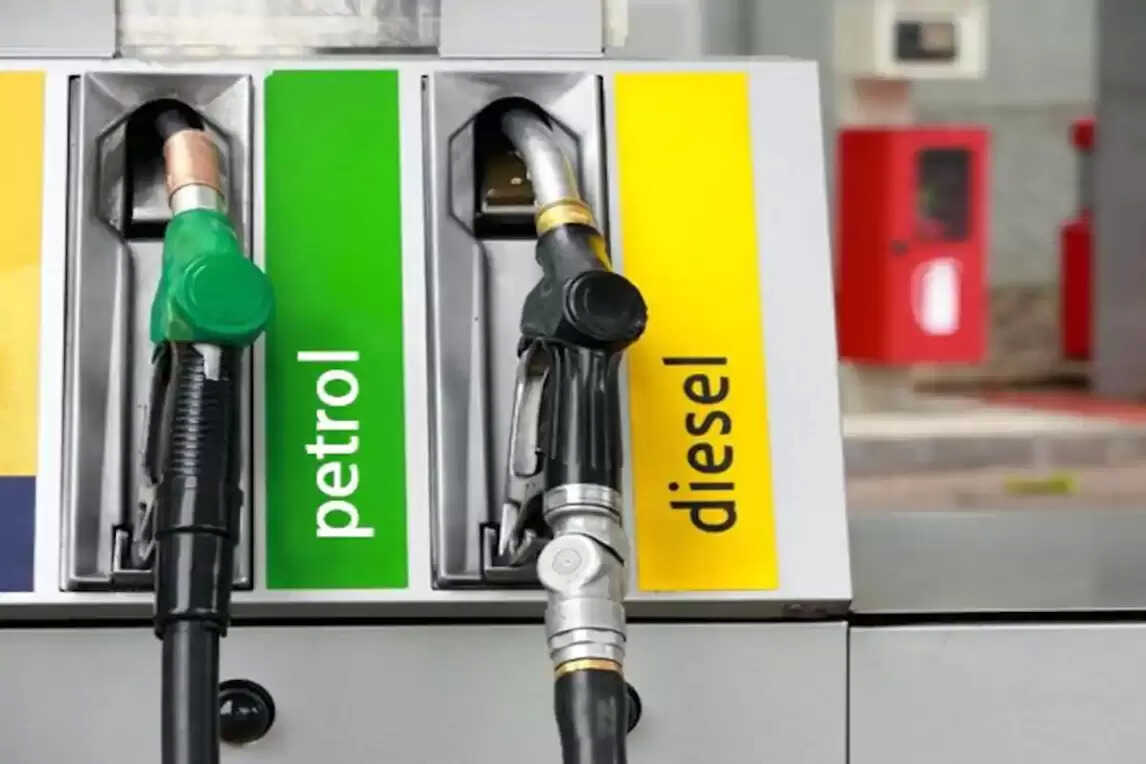
The average prices of petrol and diesel have risen by 86 percent in 2026, with the two products reaching their highest average price levels for the year by September 22, according to the latest fuel price trend report by priceandpromo.
The report stated that the average price of Premium Motor Spirit, popularly known as petrol, rose to N1,378 per litre by September 22, while automotive gas oil, commonly known as diesel, increased to N1,899/litre.
It puts the increase in the price of petrol at 80.8 percent from the January 13 base, while diesel recorded a 91.8 percent rise over the same period. The average increase of the two products is 86.3 percent, which rounds to 86 percent.
The report stated, “The latest priceandpromo fuel price trend shows renewed upward movement following the relative stability observed between April and July.
“Petrol rose to an average of N1,378 per litre by 22 September, while diesel increased to an average N1,899 per litre, the highest average price levels recorded for both products in the displayed 2026 series.”
READ ALSO: NNPC Ltd Celebrates Second Year of Zero Voluntary Resignations
According to the report, petrol prices had increased sharply in March before remaining relatively stable at elevated levels between April and July. “After the sharp March increase, fuel prices stabilised at higher levels through July before rising again in August and September,” it added.
The renewed increase came amid heightened volatility in the international energy market, according to the report, which noted that the domestic market remained exposed to movements in global energy costs.
“The renewed increase comes amid heightened global energy-market volatility, highlighting the domestic market’s continued exposure to shifts in international energy costs,” the report added.
The report indicated that the latest movement in fuel prices could have wider implications for transportation, logistics and the cost of distributing goods, given the importance of petrol and diesel to economic activities.
The report noted that fuel prices remained an important channel through which changes in energy costs could feed into transportation and other consumer costs.
The report further warned that the renewed increase in both products is a development to monitor because of its potential implications for the movement of people and goods.
It said, “The renewed increase in both petrol and diesel is therefore an important market signal to watch, particularly for its potential implications for mobility, logistics costs and the wider cost of moving goods through the market.”
The report’s figures show that the increase in diesel prices has outpaced that of petrol, with AGO rising by 91.8 percent compared with PMS’s 80.8 percent increase.
Courtesy – The PUNCH






IPO: ADF Opens Wealth Creation Pathway for 2m Vulnerable Nigerian Women

2027: Tinubu Will Beat Atiku, Obi by Wide Margin, Says Bwala

‘Dem Dey Use Stick Dey Flog Women’ — Nigerians in India Camp Cry Out

2027: I’ll Bring Petrol Price Down to ₦300, Says Donald Duke
2027: INEC Must Prove Nigerians Wrong on Election Credibility — Donald Duke

‘Military Gets Huge Budgets, Yet Air Crashes Persist’ — Shehu Muhammad

Trump’s Family Unveils New Cryptocurrency Platform

Senate Denies Receiving Petitions Against Tinubu’s Ambassadorial Nominees

Dangote Cement Lights Up Benue Host Communities With CSR Initiatives

Reps Recommend 3-year Jail Term For Aviation minister

Tems Sets New Record On Billboard Hot 100 Chart
