
NEWS
Dangote Unveils ₦1 Trillion Scholarship Scheme for 1.3 Million Nigerian Students


Chairman of the Aliko Dangote Foundation (ADF) and the President of Dangote Group, Aliko Dangote, has announced a ₦1 trillion scholarship programme to expand access to education and promote academic excellence across Nigeria.
Biztellers reports that starting in 2026, the initiative will support over 1.3 million students from all 774 local government areas, with ₦100 billion committed annually for 10 years.
The programme targets Nigeria’s most vulnerable learners and is structured into three categories: Aliko Dangote STEM Scholars – 30,000 undergraduates in public universities and polytechnics will receive tuition support of up to ₦600,000 per year; Aliko Dangote Technical Scholars – 5,000 TVET trainees will get essential study materials and technical tools; MHF Dangote Secondary School Girls Scholars – 10,000 girls in public schools will receive uniforms, books, and learning supplies, prioritizing states with high out-of-school rates.
To be Implemented in partnership with NELFUND, JAMB, NIMC, NUC, NBTE, WAEC, and NECO, the scheme will use a merit-based, fully digital system for selection and disbursement. Dangote emphasized that this is a strategic investment in human capital, aimed at reducing inequality and driving national development.
The initiative aligns with government education reforms and will be overseen by a Programme Steering Committee chaired by Emir of Lafia, Justice Sidi Dauda Bage. Dangote pledged 25% of his wealth to sustain the programme, with progress reviewed under Dangote Group’s Vision 2030 strategy.
The programme is to be implemented through strong collaboration with national institutions including NELFUND, JAMB, NIMC, NUC, NBTE, WAEC, and NECO, ensuring transparent beneficiary selection, verification, and efficient digital disbursement. Heads of all the agencies were present at the launch.
Dangote said the intervention is aimed at Nigeria’s most vulnerable learners, noting that financial hardship, not lack of talent, is the primary reason many drop out of school.
“This is not only charity. This is a strategic investment in Nigeria’s future. Every child we keep in school strengthens our economy. Every student we support reduces inequality. Every scholar we empower becomes a future contributor to national development,” he said. “Our young people are not asking for handouts. They are asking for opportunities. They are asking for a chance to learn, to grow, to compete and to succeed. And we believe they deserve that chance.”
Dangote, who said the ADF which has historically focused on health and nutrition as core areas of human capital development emphasized that the current economic climate has made educational support an urgent imperative.
Said he: “No young person should have their future cut short because of financial hardship. We are stepping forward to ensure students stay in school and pursue their ambitions. This initiative is more than financial aid—it is an investment in human capital, with ripple effects on economies, societies, and future generations. When a student gets a scholarship, entire communities stand to benefit.”
He described education as “the foundation on which every prosperous society is built”, calling it the most powerful equaliser and the strongest engine of social mobility. Despite this, he warned that many talented Nigerian students continue to face financial pressures that threaten to push them out of school. Their dreams, he said, are limited not by ability but by opportunity. “We cannot allow financial hardship to silence the dreams of our young people — not when the future of our nation depends on their skills, resilience and leadership,” Dangote said.
Noting that this concern informed the Foundation’s new Education Support Initiative, Dangote stressed that the effort is intended as a starting point rather than a standalone solution. “A single organization cannot solve Nigeria’s education challenges alone,” he said. “The government has a role. The private sector has a role. Communities and families have their roles. When we work together, we can transform education — and with it, transform Nigeria’s future.”
Addressing young Nigerians directly, Dangote said: “your dreams matter. Your education matters. Your future matters. We believe in you. We are investing in you. And we are committed to ensuring that you do not walk this journey alone.”
The Foundation, he said, will use a merit-based and fully digital system for verification, disbursement and monitoring, working in partnership with NELFUND, JAMB, NIMC, NUC, NBTE, WAEC and NECO. Dangote said the focus will be on measurable outcomes including retention, completion rates and post-school impact. He noted that the vision behind the initiative is to give every deserving child the chance to learn — unfettered by cost, free to dream, and equipped to achieve.
To oversee implementation, a Programme Steering Committee has been constituted, chaired by His Highness Justice Sidi Dauda Bage, Emir of Lafia. Other members include former vice-chancellors, senior education administrators, technical advisors and representatives of the Dangote family.
Dangote also disclosed that the programme’s long-term sustainability is tied to his formal commitment to allocate 25 per cent of his wealth to the Aliko Dangote Foundation, adding that the progress on the initiative will be reviewed in 2030 as part of Dangote Group’s Vision 2030 strategy.
He commended President Bola Ahmed Tinubu’s Renewed Hope agenda in the education sector, alongside the Federal Ministry of Education, SUBEBs and state governments, for “deliberate and steady efforts” to support learners amid economic pressures.
Vice President Kashim Shettima who lauded Dangote for his vision in business and national development said the new intervention demonstrates the critical role of private-sector actors in national development. He noted that Nigeria’s demographic growth makes urgent investment in education indispensable, warning that “a population becomes a liability only when it is uneducated.”
“Alhaji Aliko Dangote, through his far-reaching philanthropy, has set in motion the single largest private-sector education support intervention in the history of this country,” Shettima said. “What he has done here today is a lesson to each of us. This is nation-building in its purest form.”
Shettima highlighted ongoing reforms under President Bola Ahmed Tinubu’s administration, including the Nigerian Education Loan Fund (NELFUND), strengthened basic education infrastructure through UBEC, expanded TETFUND interventions and accelerated technical and vocational programmes.
He said these reforms aim to improve Nigeria’s poor Human Capital Index ranking and prepare young people for a skills-driven global economy. Describing Dangote’s philanthropy as “structural and long term,” Shettima said the initiative aligns strongly with the government’s priority of expanding equitable access to education.
“No nation surpasses the aspirations of its most committed patriots,” he said.
“The legacy of Alhaji Aliko Dangote reminds us that greatness is not measured by wealth but by the number of lives one lifts from the shadows into the light.”
The Vice President added that the Aliko Dangote Foundation programme will widen opportunities for thousands of learners and bolster the FG’s efforts to build a competitive workforce. He called for stronger collaboration between government, the private sector and development partners to address persistent gaps in the education system.
In his presentation, Education Minister Tunji Alausa described the initiative as “pure human capital development,” saying it aligns with the Tinubu administration’s education sector renewal plan of transforming Nigeria from resource-based economy to a knowledge-based economy and is significant because every local government area will benefit.
He said by the end of the first decade of the execution of the scholarship programme, it is estimated that over 170,000 girl child would have gone to school.
Lagos State Governor Babajide Sanwo-Olu, speaking on behalf of the 36 state governors, also commended the initiative and pledged the governors’ full support.
Chairman of the Programme Steering Committee, His Highness Justice Sidi Dauda Bage, Emir of Lafia, said the scheme is unprecedented and praised Dangote’s patriotism in reinvesting his wealth to uplift other Nigerians.
ALSO READ: Festive Season Hikes: FG Probes Airlines Over Skyrocketing Fares
The Ooni of Ife, Oba Adeyeye Enitan Ogunwusi, Ojaja II, said Dangote’s impact in driving private-sector transformation remains unmatched, describing the new initiative as both transformational and a strategic investment in Nigeria’s future.
He recalled how ADF had come to the aid of his community during a devastating communal feud that led to destruction of several properties.
In her virtual remark from the United States of America, United Nation deputy secretary General, Amina Mohammed said the scholarship scheme will provide an environment for children to learn and for families to prosper.
The scholarship programme represents the most extensive private-sector scholarship commitment in Nigeria’s history and reinforces ADF’s mission to expand opportunities, drive social impact, and enhance the wellbeing of individuals and communities across the country.
Photo caption, from left: Kano State Governor, Abba Kabir Yusuf; Gombe State Governor, Muhammadu Inuwa Yahaya; Nasarawa State Governor, Abdullahi Sule; Vice President of Federal Republic of Nigeria, Kashim Shettima; Chairman Steering Committee, ADF Scholarship Programme; Justice Sidi Bage, JSC; Chairman, Aliko Dangote Foundation, Aliko Dangote; Ooni of Ife, Oba Adeyeye Enitan Ogunwusi (Ojaja II); Chairman, BUA Group, Abdulsamad Rabiu; Deputy Governor of Kaduna State, Hadiza Balarabe; Lagos State Governor, Babajide Sanwo-Olu, at the launching of Aliko Dangote Foundation (ADF) N100 Billion Education Scholarship Initiative nationwide in Lagos on Thursday, December 11, 2025






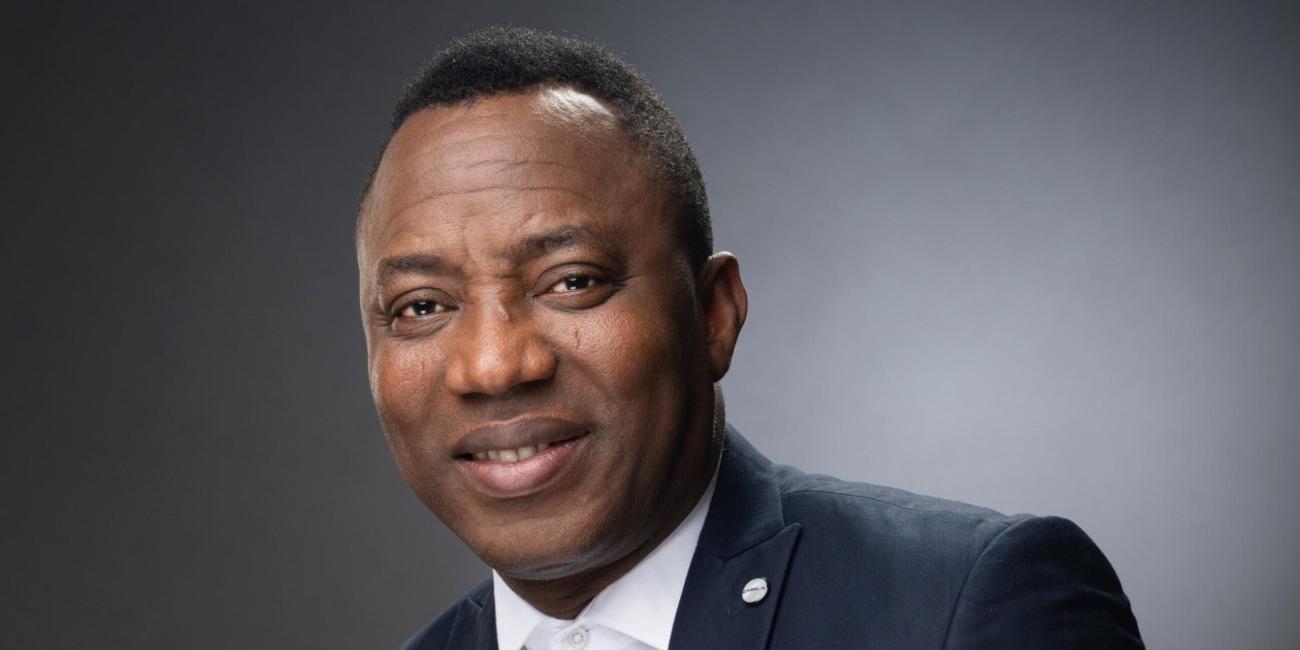
Omoyele Sowore, presidential candidate of the African Action Congress (AAC) for the 2027 presidential election, has declared that his proposed administration would not introduce new taxes if he becomes Nigeria’s president.
Sowore made the clarification following reactions to his interview on African Independent Television (AIT) on Saturday, October 10, 2026, during which he discussed expanding Nigeria’s tax base and bringing more economic activities into the tax system.
In a statement shared on his X account on Monday, the activist said the headline of the interview had created a misleading impression about his position on taxation.
READ ALSO: Nigeria@66: ‘You Wrecked Livelihoods’ — Sowore Fires Back at Tinubu
“Contrary to the misleading impression created by the headline of my recent @AIT_Online interview, let me state categorically that a #Sowore2027 administration has NO plans to introduce new taxes!” he said.
He added, “Nigerians are already overburdened by economic hardship. Our agenda is to create prosperity, not impose additional tax burdens on struggling citizens.”
Sowore also urged Nigerians to watch the video clip of his interview to understand his position directly.
During the interview, the AAC presidential candidate explained that his proposed approach would involve expanding the tax base rather than introducing new taxes.
“We are not going to introduce new taxes, but we would expand the tax base relative to GDP ratio,” he said.
He argued that Nigeria’s tax collection remained relatively low compared with some other African countries.
“Nigeria is probably a poor tax country,” Sowore said, citing Ghana and South Africa as examples in his discussion of tax-to-GDP ratios.
Clarifying his position on taxation, he said, “No. But you see, no, no, no. I’m not taxing Nigerians. We’re expanding the tax base. Are you getting it?”
He explained that the proposed expansion would cover economic activities that were not adequately captured by the existing tax system, including informal businesses and traders operating in markets and on the streets.
“Yeah, as long as they’re making money, all right? And you are supposed to pay tax and ensure that government can do what it say it would deliver to you,” he said.
The AAC presidential candidate also argued that Nigeria could generate additional revenue by recovering money allegedly owed to the government rather than placing additional tax burdens on citizens.
He questioned the recurring concern over how the government would raise funds to provide public services.
“How do you get money? Because that’s always been the, that’s always been, you know, the question thrown at Nigerians. ‘Ah, where are we going to get the money?’” he said.
Sowore claimed that more than $62 billion in royalties was owed to the Nigerian state by oil operators.
“There are, as I speak to you today, over $62 billion in unpaid royalties to the Nigerian state from people that we gave free oil blocks and are making billions from it. They don’t pay royalties,” he said.
He further argued that royalties should be considered part of the broader system of government revenue collection.
“All these revenues we are talking about, they fall under the category of tax. Are you getting my point? Royalties are taxes too,” he said.
He maintained that the government should ensure that those owing the money are assessed and held accountable.
Sowore maintained that recovering the alleged outstanding royalties could provide resources for public infrastructure and social services.
He proposed using the revenue to fund development projects, including roads and schools, while reducing government expenditure.
“We use it to do what we know, the roads we need to construct, the schools we need to build. And we cut down the cost of governance,” he said.
Licensed Oil and gas operators now have until October 31 to demonstrate compliance with their licence obligations or risk losing their acreages.
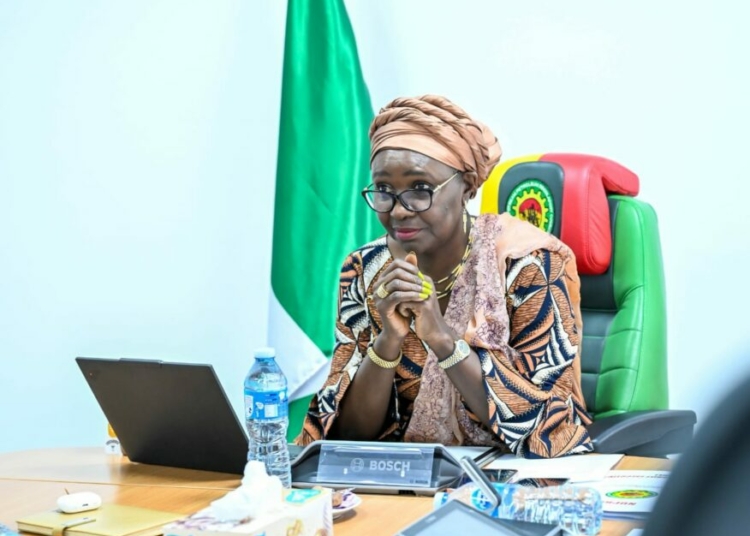
The Chief Executive of the Nigerian Upstream Petroleum Regulatory Commission (NUPRC), Oritsemeyiwa Eyesan, made the disclosure at an energy conference organised by the Harvard Business School Association of Nigeria in Lagos on Friday.
She cautioned that the regulator would enforce the drill-or-drop provisions of the Petroleum Industry Act (PIA) against operators that failed to develop their assets.
“Now the PIA has instituted the drill-or-drop mechanism. So, before you take the block, you know whether it’s a gas asset, you know whether it’s an oil and gas asset, and you must come up with concrete plans to unlock your resources,” Eyesan said.
READ ALSO: FG Lacks Capacity to Meet Dangote Refinery Crude Demand
She said the commission had issued a circular directing affected operators to respond before the deadline, warning that those who failed to do so would face regulatory action.
“And as a matter of fact, we’ve issued a circular, and we say by 31st of this month, for those who are not responsive, you can be rest assured that I am coming after you,” she threatened.
Eyesan also explained that operators holding onshore assets were expected to undertake the required work within the stipulated three-year period, warning that the commission would call up assets where companies failed to develop their acreages.
“For those onshore, you have three years. Within three years in the first instance, if you do nothing about those assets, we will call it up,” she said.
The commission’s warning comes as it moves to enforce work commitments attached to licences awarded through recent licensing exercises, with affected operators required to explain delays in executing their approved work programmes and show how they intend to address the challenges.

Strategy for unlocking Nigeria’s oil industry investment must focus on access to capital, technology, markets and regulatory certainty, in addition to physical assets.
These views were shared by the Heritage Energy Operational Services Limited (HEOSL) in a goodwill message at the Association of Energy Correspondents (NAEC) Energy Energy Conference 2026, in Lagos, themed: “Access to Assets: Empowering Players and Driving Growth.”
Delivering the message on behalf of the CEO, Ado Oseragbaje, General Manager, Government, Joint Venture & External Relations, Heritage Energy, Ohioze Unuigbe, commended the NAEC for convening what he described as a strategic platform for dialogue on issues shaping Nigeria’s energy sector.
READ ALSO: NCDMB, Renaissance Empower 60 with Oil & Gas Technical Skills
According to him, the conference theme is both timely and strategic at a period when the industry is seeking to increase production and attract investment.
“Access to assets must go beyond physical access to oil and gas resources. It must also include access to capital, infrastructure, technology, markets, skilled talent, regulatory certainty and strong partnerships. These are essential to unlocking investment, increasing production and strengthening Nigeria’s energy security,” he said.
Unuigbe noted that while access to an asset is critical, real value is created by how effectively, safely and responsibly the asset is operated.
He disclosed that Heritage Energy’s Operational Management System (OMS) provides the discipline for responsible operations, by bringing together People, Plans, Processes and Performance to embed operational excellence, strengthen accountability and manage risk.
This, he said, is particularly important in a complex environment such as OML 30, where sustainable performance depends on effective collaboration among staff, partners, regulators, host communities and other stakeholders.
He stressed that sustainable value creation goes beyond production to include safety, environmental stewardship, responsible asset management, local capacity development and meaningful host community engagement, alongside investment in infrastructure, technology and Nigeria’s gas resources.
“No operator can achieve this alone. Government, regulators, investors, operators, partners, host communities and the media all have important roles to play. Trust, transparency and constructive engagement must remain at the heart of these relationships,” he added.
The Heritage Energy GM also lauded the role of the energy media in promoting informed discourse, transparency and accountability, calling for continued collaboration to support accurate and balanced reporting.
“Nigeria’s energy opportunity is significant. Our collective task is to ensure that access to assets translates into access to opportunity, value creation and sustainable growth,” Unuigbe stated.
He reaffirmed Heritage Energy’s commitment to responsible operations, operational excellence and stakeholder collaboration in building a stronger and more sustainable Nigerian energy industry.





2027 Elections: INEC Debunks Fake Notice on Governorship Candidates in Six States

2027: No New Taxes Under My Gov’t If Elected – Sowore Clarifies
ADF Targets 5 Million Students, 2 Million Vulnerable Women

NUPRC Sets Revocation Date for Undeveloped Oil Licences

FG Lacks Capacity to Meet Dangote Refinery Crude Demand
Heritage Energy on Ways of Unlocking Oil Industry Investment

Trump’s Family Unveils New Cryptocurrency Platform

Senate Denies Receiving Petitions Against Tinubu’s Ambassadorial Nominees

Dangote Cement Lights Up Benue Host Communities With CSR Initiatives

Reps Recommend 3-year Jail Term For Aviation minister

Tems Sets New Record On Billboard Hot 100 Chart
