
Energy
NCDMB, Southfield Petroleum Partner on 200 MMSCFD Gas Plant

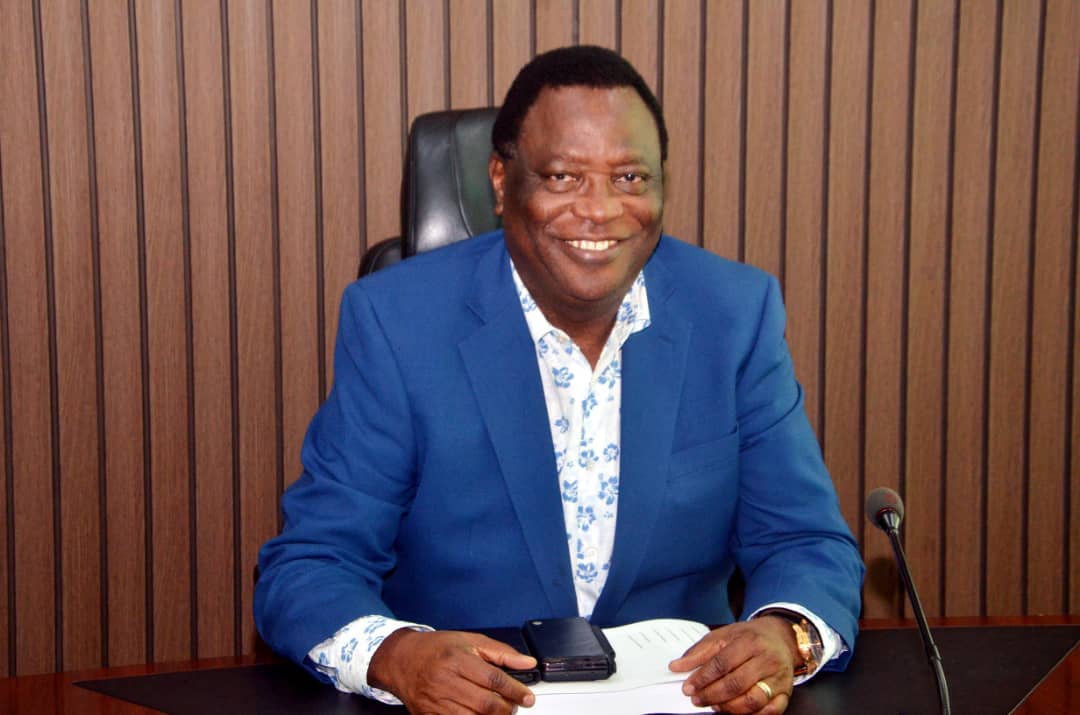
The Nigerian Content Development and Monitoring Board (NCDMB) and an indigenous company, Southfield Petroleum Limited (SPL) have joined forces on a project to increase domestic gas supply for power generation and industrial usage.
The impressive project known as Southfield Utorogu Gas Processing Plant is expected to boost industrial gas supply with up to 200 million standard cubic feet per day (MMSCFD).
Biztellers reports that the gas processing plant is in Iwherekan, Ughelli South, Delta State.
Minister of State for Petroleum Resources (Oil), Heineken Lokpobiri, who performed the groundbreaking ceremony on Tuesday, described the project as a major step toward solving Nigeria’s energy challenges, in line with President BolaTinubu’s Renewed Hope agenda to ensure energy security.
“Government is doing its part by partnering with companies that are investing in the mainstream of our oil and gas industry. One of our problem is bringing the gas to the market. This is a very high capital intensive project.
“NCDMB, as part of federal government’s commitment, decided to invest in this project for the benefit of all Nigerians and for the purpose of ensuring that we have energy that will stimulate industrial growth in Nigeria.
“This will create lots of job opportunities, enormous value for all stakeholders, the community, state government and for all of us in Nigeria.
“This is a very bold, huge and ambitious project. It will change the economic landscape of this region and benefit the entire country,” he said.
ALSO READ: Guinness Nigeria Surpasses ₦1 Trillion Market Capitalisation
Lokpobiri stressed that the Federal Government remained committed to supporting indigenous investors, in line with President Bola Tinubu’s Renewed Hope agenda on energy security.
“We will do everything necessary to ensure the completion of this project. We want full cooperation from communities and stakeholders so that it is delivered in record time,” he said.
Also speaking, the Minister of State for Petroleum Resources (Gas), Ekperikpe Ekpo, who was represented by a Director in the ministry, Engr. Raphael Chindah, said the project fits into government’s plan to grow a gas-based economy.
According to him, the plant will help Nigeria make better use of its gas resources by reducing flaring and turning gas into useful products.
“The development of this facility will increase gas supply for power generation, boost industries and improve energy security in the country,” he said.
He added that producing more Liquefied Petroleum Gas (LPG) locally would make cooking gas more available and affordable, while reducing dependence on imports.
Delta State Governor, Sheriff Oborevwori, represented by the Commissioner for Oil and Gas, Chief Peter Uviejitobor, assured the management of NCDMB and SPL that the state government would activate all necessary machineries at its disposal to ensure that the project is completed timely.
The NCDMB, which is investing in the project, said its involvement is part of efforts to build local capacity and support viable projects.
Its Executive Secretary, Engr Felix Ogbe, represented by the Director for Corporate Affairs, Dr. Abdulmalik Halilu, said: “We saw that the project is technically feasible and economically viable, and that is why we decided to support it.”
He added that the plant would improve LPG supply, create jobs and strengthen Nigeria’s gas value chain.
Chairman of SPL, Dr. Patrick Ndiomu, said the project is focused on unlocking value from gas—from production to processing and supply.
“You bring it out of the ground, process it and make it available for industries. That is how value is created,” he said, noting that strong collaboration among government, investors and communities was key to its success.
He also disclosed that the project has already attracted investment interest due to its strong economic potential.
The Okobaro of Ughievwen Kingdom, His Majesty Igbi II, President-General of Iwherekan Ufuoma Omoberayen and other community representatives while expressing excitement, welcomed the project, promised their support and called on more investors to take advantage of the peaceful environment.
The Okobaro said he was “excited that it is happening in my kingdom.”
The Utorogu gas plant is expected to create about 1,200 jobs, support small businesses and attract more investments to the area.
On completion, the facility will process up to 200 MMSCFD of gas daily, with Liquefied Petroleum Gas (LPG), condensate and autogas as its key outputs.





Oil output from the United Arab Emirates (UAE) rose to record levels in September, underscoring its resilience even amidst the Middle East crises and liberation from OPEC+ limits.
The International Energy Agency (IEA) issued the data in its monthly report, adding that Abu Dhabi raised total oil production, including condensates, by 400,000 bpd to 5.3 MMbpd.
According to the IEA, the UAE bolstered crude output to more than 4.4 MMbpd, nearing its maximum capacity, which surpasses the previous highs for total oil in August, and crude oil in June.
READ ALSO: Africa’s Energy Security Conversations Pull Industry Executives Together
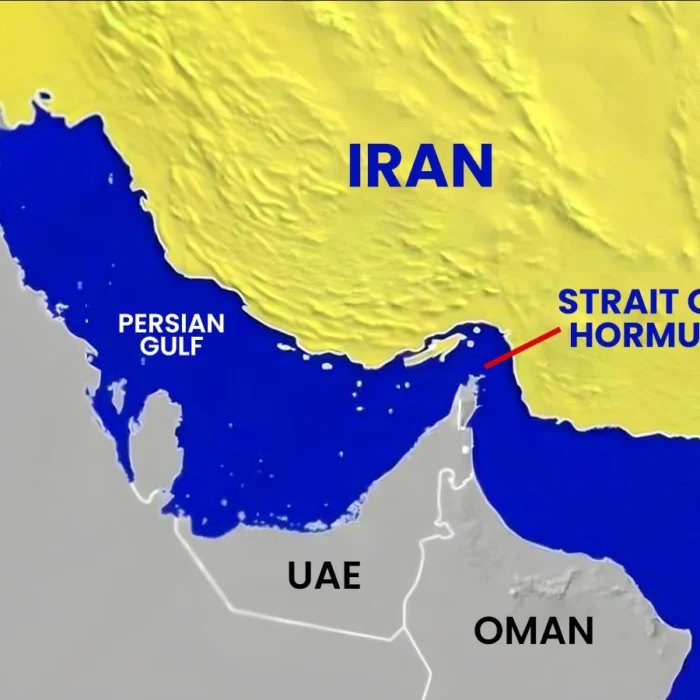
The UAE has been one of the most successful among regional producers in restoring flows through the Strait of Hormuz, by drawing on a fleet of tankers to discreetly shuttle cargoes through the chokepoint and then transfer them onto other vessels. In addition, the country’s decision to leave the Organization of the Petroleum Exporting Countries (OPEC) as of May has freed it from the group’s output caps, a source of frustration for years.
Its gains contributed to a wider recovery in flows from Gulf producers, which reached more than 75% of pre-war levels in September, led by Saudi Arabia, according to the Paris-based IEA.
Still, it’s unclear how far the regional rebound has withstood a new wave of Iranian attacks on tankers transiting Hormuz, and escalating hostilities carried out by the Houthi rebel faction in Yemen.
The UAE depleted its observable above-ground inventories at a record pace of more than 270,000 bpd in September, drawing them to an all-time low, according to the IEA.
Africa’s gas potential and strengthening the continent’s energy security would take centre stage at the Africa Interviews Sustainability Forum (AISF 2026) scheduled for Wednesday, October 21, in Lagos.
Biztellers reports that top officials of Oando Plc and Renaissance Africa Energy Company Limited, Ayotola Jagun and Tony Attah, respectively, will be leading other industry leaders in the discussion.
Jagun, Oando’s Executive Director, Chief Corporate Services and Sustainability Officer, and Attah, Managing Director and Chief Executive Officer of Renaissance Africa Energy Company Limited, will participate in a panel discussion alongside Lamé Verre of Lean In Equity & Sustainability (LiNES) and Dapo Filani, Managing Director and Chief Executive Officer of Waltersmith.
The panel will examine Africa’s energy security and the role of natural gas in the continent’s energy transition.
READ ALSO: 30 Nigerians Bag Postgraduate Scholarship from NNPC Ltd, Eni
The forum, launched in 2024, is holding its third edition under the theme, “Energy Security and Africa’s Energy Transition: Defining the Role of Gas.”
This year’s gathering will explore how African countries can strengthen energy security, attract investment in gas development and balance growing energy demand with sustainability objectives.
Verre, a London-based energy and sustainability executive, is Co-founder and Chair of the Advisory Board of LiNES. She will bring her international experience in sustainability, decarbonisation and low-carbon development to the discussion. Her work spans low-carbon initiatives across sectors, including marine, the built environment, forestry, land and agriculture.
Jagun brings extensive experience in corporate governance, regulatory compliance, enterprise risk management and sustainability. Her contribution will provide a corporate sustainability and governance perspective on the relationship between energy development, environmental responsibility and Africa’s transition priorities.
Attah, a former Managing Director and Chief Executive Officer of Nigeria LNG Limited, has extensive experience in the oil and gas industry, particularly in natural gas development and major energy operations.
Filani leads Waltersmith, an indigenous Nigerian energy company with interests across the oil and gas value chain. His participation will highlight the role of indigenous energy companies in strengthening domestic energy capacity and supporting economic development.
The panel will consider what is required to unlock greater investment in Africa’s gas sector, how natural gas can support industrial growth while advancing sustainability, and what practical measures could help translate the continent’s energy ambitions into tangible outcomes.
Beyond the panel discussion, AISF 2026 will provide opportunities for engagement among senior energy executives, policymakers, investors and business leaders.
Oil prices on Monday went south, after crude exports from the Middle East rose above pre-war levels, while the Group of Seven nations pledged to release 100 million barrels of crude and diesel from emergency reserves.
Brent crude futures fell by $1.20, or 1.17 percent, to $101.05 a barrel, while West Texas Intermediate crude declined by $1.16, or 1.27 percent, to $89.95 per barrel, according to Reuters.
Middle Eastern crude exports exceeded pre-war levels on four of the seven days in the final week of September, shipping data showed, despite attacks on vessels passing through the strategic Strait of Hormuz.
The increase in exports, combined with the G7’s planned release of emergency stocks, helped put downward pressure on crude prices.
The G7 countries agreed on Friday to release 100 million barrels of diesel and crude from emergency reserves and pledged to refrain from energy export restrictions following pressure from United States President Donald Trump.
READ ALSO: Ndindi Nyoro Gives Ruto 14 Days to Disclose Dangote Refinery Deal
However, the scale of the additional supply remained uncertain.
IEA Executive Director, Fatih Birol, said last week that member countries had already released about two-thirds of the 400-million-barrel volume.
Meanwhile, supply concerns remained elevated as fighting continued across parts of the Middle East.
Saudi Aramco Chief Executive Officer, Amin Nasser, also warned that crude oil and refined fuel supplies were expected to remain stretched.
He said rebuilding global stockpiles after emergency withdrawals could take two years.
The United States Strategic Petroleum Reserve fell to 283 million barrels last week, its lowest level since October 1982, according to data from the US Department of Energy.
The supply outlook was further complicated by the continuing conflict involving Saudi Arabia and Iran-backed Houthi forces in Yemen.
Yemeni government forces attacked Houthi positions in the Dhubab district overlooking the Bab el-Mandeb Strait on Monday, according to two military sources.
The development came a day after the internationally recognised government launched a campaign to retake Houthi-held territory.
Meanwhile, OPEC+ postponed a review that would determine its 2027 oil output quotas after the war involving Iran disrupted projects aimed at expanding production capacity across the Middle East.






2027 Election: ‘Your Future Is More Valuable’ — IGP Warn Youths Against Political Violence

Tinubu Charges PCC Members to Deliver Wards

Marketers Eye Portion of FG’s Petrol Discount

Tanzania Nears Completion of $42bn Equinor, Shell-Led LNG Project

IEA Puts UAE’s Oil Output at 5.3mbpd for September

Africa’s Energy Security Conversations Pull Industry Executives Together

Trump’s Family Unveils New Cryptocurrency Platform

Senate Denies Receiving Petitions Against Tinubu’s Ambassadorial Nominees

Dangote Cement Lights Up Benue Host Communities With CSR Initiatives

Reps Recommend 3-year Jail Term For Aviation minister

Tems Sets New Record On Billboard Hot 100 Chart
