
Energy
Sahara Group Installs Wind Turbines At Egbin Power


Leading energy and infrastructure conglomerate, Sahara Group has moved to prevent annual estimated emission of 35,793,360g of CO2 through the installation of wind turbines at the Egbin Power Plc.
The wind turbines will power critical security and essential services architecture at the Power Plant as Sahara Group continues its quest to promote environmental sustainability in its businesses across upstream, midstream, downstream, power, technology, and infrastructure sectors globally.
Ejiro Gray, Director, Governance and Sustainability, Sahara Group, said the project aligns with Egbin’s sustainability goals geared towards reducing the Plant’s carbon footprint and contributing to a cleaner, greener future.
“By harnessing wind energy instead of relying on conventional power sources, the project promises sustainable reduction in carbon emissions,” she stated.
According to the US Department of Energy, wind energy produces approximately 11 grams of CO2 per kilowatt-hour (g CO2/kWh) of electricity generated. In contrast, traditional sources like coal emit about 980 g CO2/kWh, while natural gas emits roughly 465 g CO2/kWh.
“Using the operational potential of the 15 wind turbines installed at Egbin Power, we would reduce an estimated 35,793,360g of CO2 annually,” Gray noted.
She further noted that the success of this wind turbine project at Egbin Power would serve as a blueprint for implementing similar renewable energy solutions across Sahara Group’s other businesses in Africa, Asia, Europe, and the Middle East. “Replicating this model could ultimately propel Sahara Group’s sustainability efforts, reduce operational costs, and strengthen our commitment to environmental stewardship. The lessons learned from this project could inform future renewable energy initiatives within the Sahara Group,” she added.
Egbin Power’s Chief Executive Officer, Mokhtar Bounour said the expected reduction in carbon emissions underscores the project’s crucial role in mitigating climate change and promoting environmental sustainability.
He further noted that: “The installation of the wind turbines exemplifies Egbin’s commitment to adopting clean energy solutions and aligning with global efforts to combat greenhouse gas emissions. The project will ensure uninterrupted powering of our security architecture with clean energy, while ensuring safety, seamless and efficient operations.”
Bounour stated that a robust maintenance plan would be implemented to ensure hitch-free functioning of the wind turbines and associated equipment.
He said the plan would include regular inspections, lubrication of moving parts, replacement of worn components, and monitoring of performance metrics, all in line with global standards.
Egbin Power, a Sahara Group Power Generation company, is the largest privately-run thermal plant in sub-Saharan Africa, with an installed capacity of 1320MW and ongoing expansion plans to enhance its capacity through a mix of clean energy solutions.









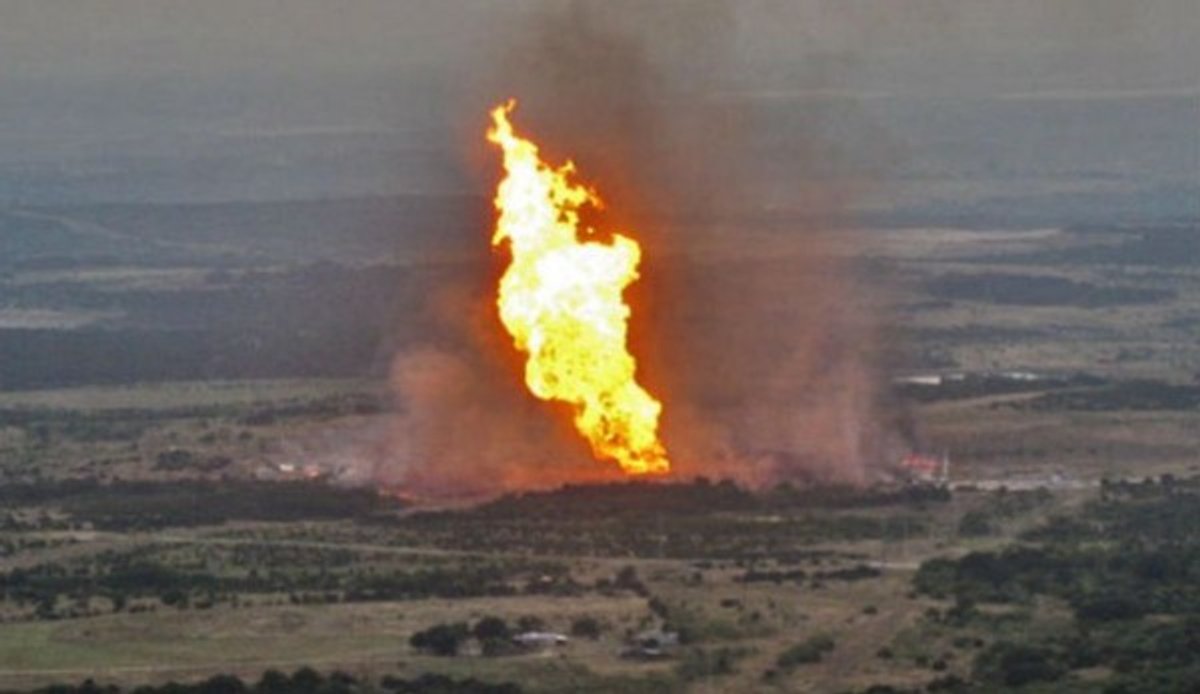
The Niger Delta Youths are primed to assume national responsibilities in critical areas of the economy by protecting vital oil and gas assets in the region.
The United Niger Delta Congress (UNDC) gave the assurance at a media briefing in Abuja, over the weekend, adding that the youths of Niger Delta were ready to work with the federal government in this regard.
The group maintained that youths in the region have shown that such responsibilities, including the security of pipelines, can be entrusted to them.
Speaking at the news conference, Niger Delta Youth activist, Mallam Julius Obi, said the Niger Delta is safer while the nation’s crude is flowing based on the fact that youths in the region are doing the job.
He said that being a youth should not be a disqualification from strategic national assignments but when matched with preparation and character, a national asset.
“We are calling on the federal government to note that Nigeria is full of young men and women who are prepared, disciplined and ready to carry out national responsibilities.
“We urge the federal government to keep opening the doors of strategic national service to young Nigerians who have earned trust the only way it can be earned, by delivery,” Obi said.
READ ALSO: JUST IN: Ex-Delta Governor Emmanuel Uduaghan Is Dead
The group commended President Bola Tinubu for sustaining the security reforms in the oil and gas industry and the the National Security Adviser (NSA), Mallam Nuhu Ribadu, for coordinating the protection of the nation’s pipelines, and the management of NNPCL for providing the enabling environment.

Joseph Ambakederimo, convener of the South-South Reawakening Group, has questioned the accountability of Nigeria’s crude oil forward sales, demanding clarification on the volume of crude lifted, outstanding balances and the use of upfront payments.
Speaking during an interview on Arise TV on Sunday, Ambakederimo expressed concern over the monitoring of crude oil transactions, questioning who was responsible for tracking deliveries and providing feedback on the arrangements.
“We don’t even know who is monitoring and giving us the feedback of the barrels of crude that have been lifted on forward sales basis,” he said.
SEE MORE: South-South Group Opposes Coastal Road Alignment With East-West Road
He challenged the Nigerian National Petroleum Company Limited (NNPC) to provide details of the transactions, including the quantity of crude already lifted, the outstanding balance and whether the agreed deliveries had been completed.
“Today, can we get this from NNPC? How much have they lifted? What is the balance remaining? Have they been completed?” he asked.
Ambakederimo also questioned how the money collected upfront under the arrangements had been spent, demanding an explanation of its use.
“That money that was collected upfront, what was the use of the money? Can you justify it?” he asked.
He argued that Nigeria should make better use of its natural resources to accelerate infrastructure development and improve living conditions.
Citing land reclamation projects in the United Arab Emirates, Ambakederimo said Nigeria could explore similar opportunities to create additional land for residential and other developments.
He recalled seeing a signpost while travelling from Dubai to Abu Dhabi describing a project to reclaim land from the sea, using the example to highlight the development possibilities he believes Nigeria could explore.
The South-South Reawakening Group convener also argued that Nigeria could reclaim land in suitable areas, provided environmental concerns were properly managed.
He called for the country to translate its natural resource wealth into infrastructure and improved living conditions, stressing the need for greater accountability in crude oil transactions.
Oil output from the United Arab Emirates (UAE) rose to record levels in September, underscoring its resilience even amidst the Middle East crises and liberation from OPEC+ limits.
The International Energy Agency (IEA) issued the data in its monthly report, adding that Abu Dhabi raised total oil production, including condensates, by 400,000 bpd to 5.3 MMbpd.
According to the IEA, the UAE bolstered crude output to more than 4.4 MMbpd, nearing its maximum capacity, which surpasses the previous highs for total oil in August, and crude oil in June.
READ ALSO: Africa’s Energy Security Conversations Pull Industry Executives Together
The UAE has been one of the most successful among regional producers in restoring flows through the Strait of Hormuz, by drawing on a fleet of tankers to discreetly shuttle cargoes through the chokepoint and then transfer them onto other vessels. In addition, the country’s decision to leave the Organization of the Petroleum Exporting Countries (OPEC) as of May has freed it from the group’s output caps, a source of frustration for years.
Its gains contributed to a wider recovery in flows from Gulf producers, which reached more than 75% of pre-war levels in September, led by Saudi Arabia, according to the Paris-based IEA.
Still, it’s unclear how far the regional rebound has withstood a new wave of Iranian attacks on tankers transiting Hormuz, and escalating hostilities carried out by the Houthi rebel faction in Yemen.
The UAE depleted its observable above-ground inventories at a record pace of more than 270,000 bpd in September, drawing them to an all-time low, according to the IEA.






NIPCO Gas Licences, NNPC Ltd Management Face Reps Probe
UNDC Assures on Readiness to Protect Oil, Gas Pipelines

JUST IN: Ex-Delta Governor Emmanuel Uduaghan Is Dead

Delta Begins ₦5bn Empowerment Scheme for 100,000 Beneficiaries
Alausa Hails Dangote Foundation’s Plan to Give Four Million Students IPO Shares
APC Campaign Council Sets Inaugural Meeting for Tuesday Ahead of Kaduna Flag-Off

Trump’s Family Unveils New Cryptocurrency Platform

Senate Denies Receiving Petitions Against Tinubu’s Ambassadorial Nominees

Dangote Cement Lights Up Benue Host Communities With CSR Initiatives

Reps Recommend 3-year Jail Term For Aviation minister

Tems Sets New Record On Billboard Hot 100 Chart
