NEWS
Subsidy: Petrol Price Will Fall — Kyari Assures Nigerians

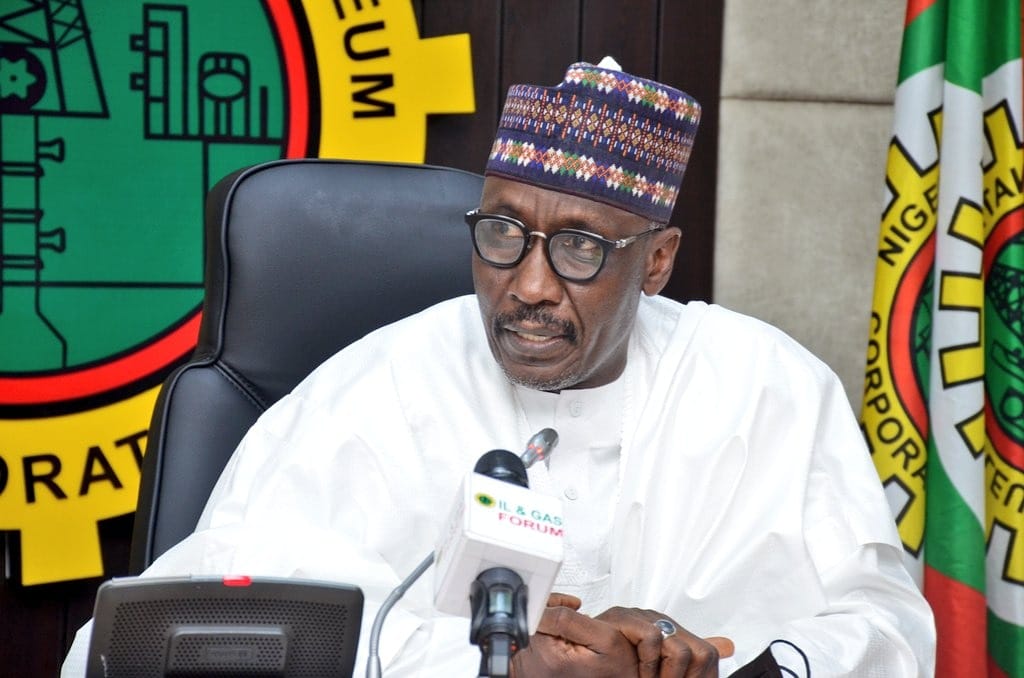
The Chief Executive Officer of Nigerian National Petroleum Company Limited (NNPCL), Mele Kyari, reassured Nigerians that the current high cost of petrol would soon decrease.
In an interview on Arise TV’s Morning Show, Kyari stated that the competition among major players in the oil sector would lead to a reduction in the price of petrol.
He emphasized that the removal of subsidies would allow new players to enter the market, promoting healthy competition. As the market stabilizes, oil marketing companies will be able to import or produce petrol and sell it at market prices.
Kyari anticipated that this competition and increased efficiency would naturally drive down pump prices across the country.
Kyari’s words: “The beauty of this (subsidy removal) is that there will be new entrants (into the market) because oil marketing companies’ reluctance to come into the market all along is the very fact of the subsidy regime that is in place.
“That subsidy regime doesn’t have a guarantee of repayment back to those who
provide the product at a subsidised price and now that the market is being deregulated, oil marketing companies can actually import product or even if it is produced locally, they can buy and take it into the market and sell at its retail price.
‘’Therefore, you will see competition, even with NNPC. And by the way, by law, NNPC cannot do more than 30 per cent of the market going forward. As soon as the market stabilises, oil marketing companies are able to come in.
“Competition will definitely come in and the market will regulate the prices itself. Therefore, this is just an instantaneous price and within a week or two, you will continue to see different prices because of different approaches from major players, companies have different approaches to it and competition will guide that.
“Ultimately, you’d see changes downwards and it is very likely because efficiency will come in.”
Meanwhile, Kyari revealed plans by President Bola Tinubu to introduce palliative measures to cushion the impact of the abrupt removal of fuel subsidies.
He also mentioned the ongoing rehabilitation of the country’s refineries, with one refinery expected to be operational this year, another next year, and the third by 2025.
Kyari explained that the subsidy bills had accumulated, and the country could no longer afford them. By pricing petroleum products in the market, the government aimed to benefit the country in the long run. Kyari acknowledged that while there was a provision for subsidies in 2022, no funding was allocated for them in 2023.
He stressed the urgency of discontinuing the subsidy conversation, as it had negative implications for the country’s financial stability and borrowing capabilities.
In response to the removal of fuel subsidies, Amnesty International expressed concerns about the potential increase in poverty in Nigeria.
The organization emphasized that the decision should not exacerbate the challenges faced by millions of Nigerians in meeting the costs of education, food, and healthcare. Amnesty International called for social protection measures to accompany the removal of subsidies, ensuring that people on low incomes could maintain an adequate standard of living.
They urged the Nigerian authorities to address widespread hunger, rising unemployment, and the declining standard of living by investigating the fuel market chain and holding accountable those involved in smuggling, hoarding, and subsidy-related scams.



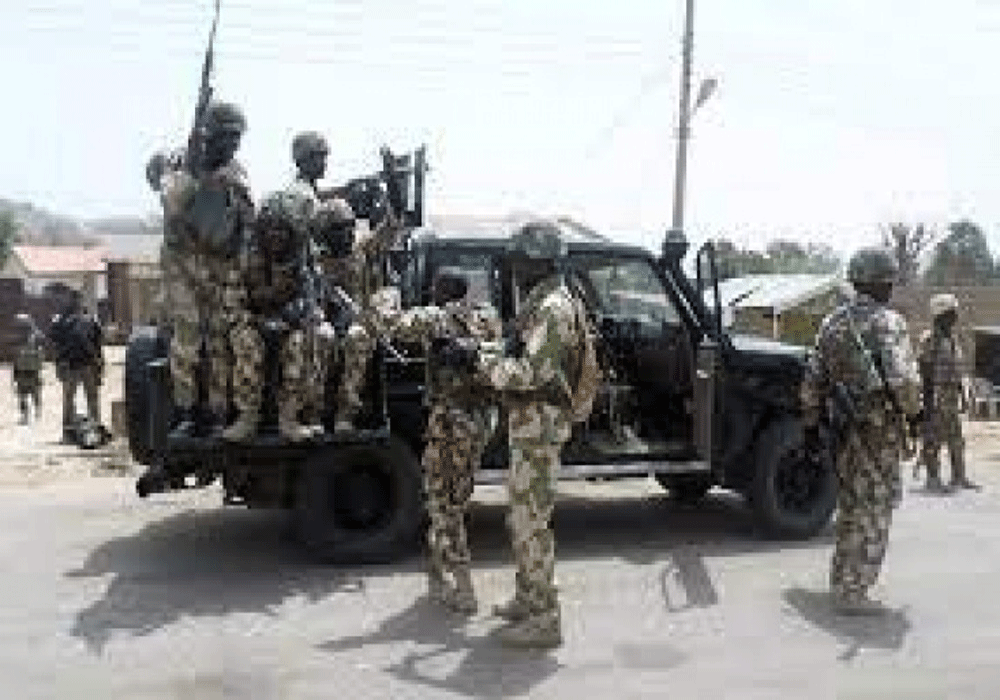

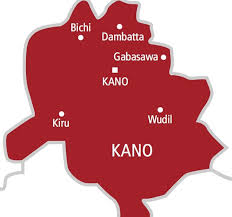
In a shocking incident on Sunday morning, unknown gunmen suspected to be kidnappers invaded the home of Alhaji Auwal, a prominent businessman, in Garo Town, Kabo Local Government Area of Kano State.
The gunmen, estimated to be around 10 in number, forced their way into the residence, breaking down a door to gain entry.
An anonymous source revealed that the attackers were heavily armed, with three carrying firearms and the rest wielding other weapons.
READ MORE: Tinubu Urges Stakeholders To Join Forces To Restart Oil Production In Ogoniland
They quickly gathered the entire family in one room, instilling fear and panic in the household.
According to the source, Alhaji Auwal pleaded with the assailants to spare his family and agreed to meet their demands.
The kidnappers, who were determined to extort money, received ₦8 million from the family.
Despite this payment, the gunmen took the businessman’s eldest daughter, Zainab, a secondary school graduate, before fleeing the scene.
The whereabouts of Zainab remain unknown, and as of now, the kidnappers have not contacted the family.
This abduction comes just 48 hours after the tragic kidnapping and subsequent murder of former Gombe State Permanent Secretary, Atiku Mu’azu, who was killed by gunmen after a ₦10 million ransom was paid.
The two incidents have left the residents of Kano in shock and fear, prompting calls for increased security measures in the area.
Attempts to reach the spokesperson for the Kano Police Command, SP Abdullahi Haruna, for comment were unsuccessful as his phone remained unreachable.
Authorities have yet to make any official statements regarding the investigation.
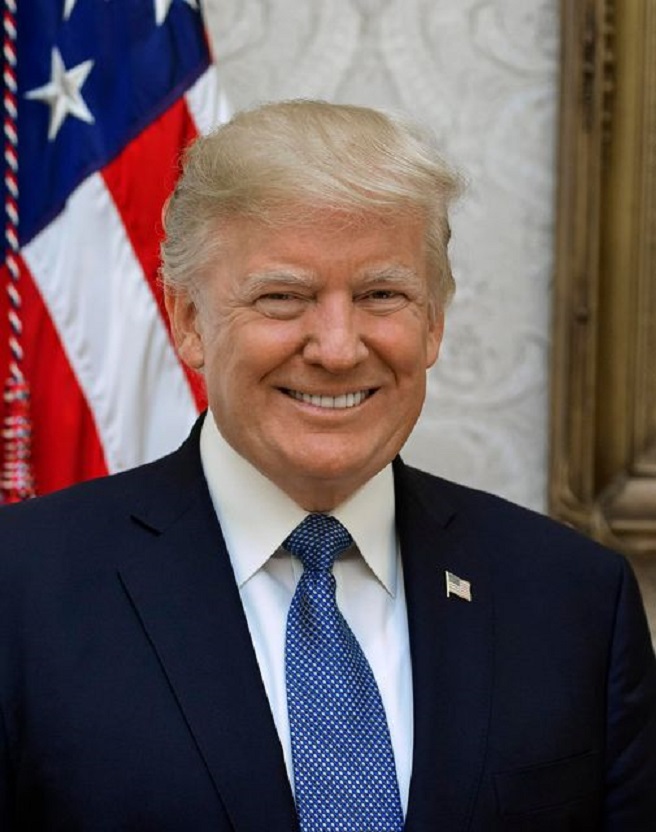
In a bold move, Colombian President Gustavo Petro declared on Sunday that he would not allow US deportation flights carrying Colombian migrants to access his country’s airspace.
The left-wing leader took to X (formerly Twitter) to express his strong stance, stating, “The United States cannot treat Colombian migrants as criminals. I forbid entry to our territory to US planes carrying Colombian migrants.”
Petro made it clear that such flights would only be accepted once Washington established a protocol to ensure the “dignified treatment” of deported migrants.
READ MORE: How Trump Plans To Grow American Economy By $1 Trillion Daily
The president later confirmed in a separate post that he had already turned back US military planes that were en route with Colombian migrants on board, although he did not provide further specifics on the matter.
While AFP sought confirmation from US authorities regarding the blockade of deportation flights, no immediate response was forthcoming.
Petro’s statements come just a day after Brazil’s government voiced similar outrage over the treatment of deported Brazilians.
Brazil condemned the US administration under President Donald Trump, citing instances where Brazilian migrants were deported while handcuffed on flights, describing it as a “flagrant disregard” for their basic rights.
In his remarks, Petro emphasized that he would be open to allowing civilian US flights to transport deported migrants as long as they were not subjected to treatment “like criminals,” signaling a broader call for humane treatment of migrants under international deportation policies.
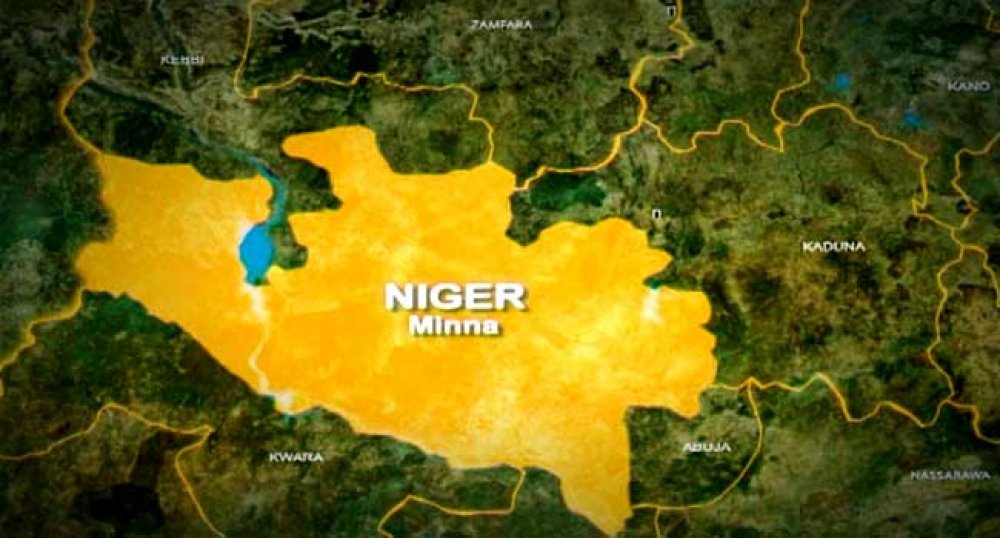
An explosion at a mining site in Sabon Pegi, Mashegun Local Government Area of Niger State, claimed the lives of four individuals and left several others injured on Sunday morning.
The blast occurred as miners resumed operations, sending shockwaves through the community.
While the exact cause of the explosion remains undetermined, local residents have pointed to the poor handling of explosive devices by mining companies as a possible factor.
READ MORE: Thisday Awards: Diana Ross Arrives In Nigeria
The incident has sparked concerns about safety practices within the mining sector.
Community sources confirmed the recovery of four bodies, but authorities fear the death toll could rise.
Investigations are ongoing to establish the cause of the blast and assess the full extent of the damage.
One resident, Aminu, described the chaos that followed the explosion. “The sound was so loud that many of us thought it came from the hydroelectricity dam nearby. People panicked and ran into the bush for safety,” he recounted.
Another community member highlighted the potential role of mining operations in the tragedy.
“Mining companies here frequently use explosives during their activities, and this seems like an operational issue, not something related to terrorism,” the resident said, dismissing concerns about a security threat in the area.
As of the time of reporting, neither the state government nor security agencies have released an official statement regarding the explosion.






2Baba Disowns Divorce Announcement, Says Account Was Hacked

Shock As 2Baba Announces Separation From Wife, Annie Idibia
AC Milan Pull Off Thrilling Injury-Time Comeback To Beat Parma 3-2

Kano Businessman’s Daughter Kidnapped After ₦8m Ransom Payment

Colombia Blocks US Deportation Flights Over Migrant Treatment

Buhari Calls For Transparency Ahead Of Katsina LG Elections

OSSG Raises Alarm Over Murder Plot By APC Chieftain

NCC, SMEDAN, NAICOM, SEC, Others Set for SUPERNEWS SMEs Conf June 13
Sahara’s Tonye Cole resigns from GPHCDA
Niger Delta Avengers: President Buhari Reads riot Act …considers the carrot and stick option

Oando opens ultra-modern petrol station in Lagos