
International News
Taliban In Afghanistan, Herat Burn Musical Instruments

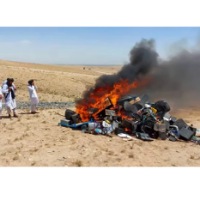
In Afghanistan, the Taliban have set fire to musical instruments, stating that music “causes moral corruption”.
On a bonfire on Saturday in western Herat province, musical instruments worth thousands of dollars burned to the ground.
The Taliban have enacted a number of limitations since coming to power in 2021, one of which is the prohibition on performing in public.
Ahmad Sarmast, Afghanistan National Institute of Music founder, likened their actions to “cultural genocide and musical vandalism”.
“The people of Afghanistan have been denied artistic freedom… The burning of musical instruments in Herat is just a small example of the cultural genocide that is taking place in Afghanistan under the leadership of the Taliban,” Dr Sarmast told the BBC.
Afghan music school falls silent under Taliban rule
Some of the items set ablaze in Herat included a guitar, a harmonium and a tabla – a kind of drum – as well as amplifiers and speakers, according to images online. Many of these had been seized from wedding venues in the city.
All forms of music were banned from social gatherings, TV, and radio while the Taliban were in power in Afghanistan from the mid-90s until 2001.
A music scene flourished in the two decades that followed, but the Taliban’s return in August 2021 prompted many musicians to flee the country. Singers and musicians still in the country are reported to have been subjected to beatings and discrimination.
In the past two years, the Taliban have imposed other severe restrictions under their strict interpretation of Islamic law.
Women have borne the brunt of these harsh measures. The Taliban have decreed they should be dressed in a way that only reveals their eyes, and must be accompanied by a male relative if they are travelling more than 72km (48 miles).
Additionally, entrance to gyms, parks, and classrooms at colleges and high schools has been restricted to women and teenagers.
Last week, the Taliban issued a nationwide order to close all hair and beauty salons because they were thought to be against Islam.





Federal agents raided the Washington, D.C., home of Democratic Congresswoman Ilhan Omar early Monday morning as part of an ongoing federal criminal investigation, the United States Department of Justice (DOJ) has confirmed.
Homeland Security Investigations agents arrived at the Minnesota congresswoman’s residence at about 6:00 a.m. Eastern Time, according to a report by Fox News.
SEE MORE: Trump Sparks Outrage With Shock Proposal to Rename New Mexico
The report said both the Department of Homeland Security (DHS) and the DOJ are involved in the investigation.
A DOJ spokesperson confirmed the operation, stating: “Today in the Washington, D.C. area, Homeland Security Investigations executed a judicially authorized search warrant secured by the Department of Justice.”
The spokesperson added: “This enforcement action is part of an ongoing federal criminal investigation.”
Details later……….
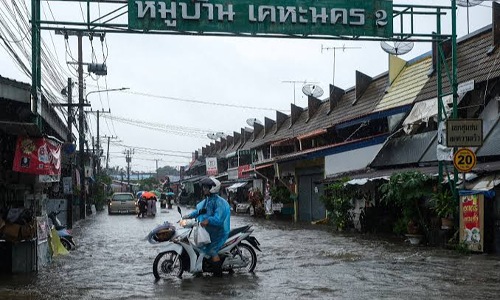
Heavy rains have triggered severe flooding across parts of Bangkok, Thailand, forcing nearly 4,900 residents to evacuate to shelters as floodwaters swept through roads and residential areas.
The flooding has disrupted movement across parts of the Thai capital, with motorists and pedestrians forced to navigate submerged roads and seek alternative routes.
SEE ALSO: NAFDAC Warns Nigerians As Fake Cowbell Milk Floods Market
According to the Bangkok Metropolitan Administration, about 52,000 households have been affected by the flooding, prompting authorities to declare a flood disaster and intensify emergency response efforts.
Emergency teams have been deployed to assist affected communities and move residents from vulnerable areas to safer locations as water levels rise.
Bangkok is accustomed to seasonal heavy rainfall, but intense downpours can overwhelm drainage systems, particularly in low-lying areas, resulting in widespread flooding and disruption.
Authorities are continuing to monitor affected locations while coordinating evacuations and other emergency measures.
For thousands of residents, the immediate priority remains securing safe shelter and protecting homes and livelihoods as authorities work to manage the situation and restore normal activities once the floodwaters recede.
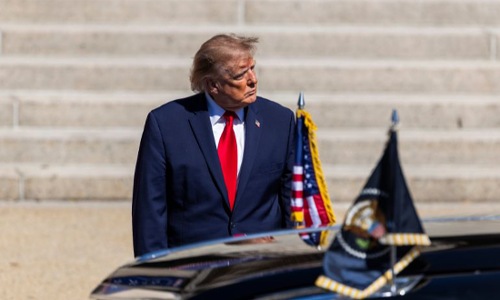
US President Donald Trump has explained his decision to reject Iran’s latest proposal to reopen the Strait of Hormuz, saying Tehran was seeking an agreement because it was losing revenue.
Speaking to reporters at the White House, Trump said Iran wanted to immediately reopen the strategically important waterway but argued that the proposal was not acceptable to his administration.
“They want to make a deal, and I think that’s fine. I like making a deal, too, but that deal would not be acceptable,” Trump said.
SEE ALSO: How the Strait of Hormuz Attack Could Trigger a Fresh Global Oil Shock
According to the US president, Iran’s push to reopen the strait was driven by the economic pressure it was facing.
“What they want to do is immediately open the Hormuz Strait. Do you know why? Because they are dying,” Trump said.
“You know why they’re dying? Because they have no money coming in, because they get their money from the Hormuz Strait.”
Trump also claimed that the US had established an unprecedented naval blockade against Iran, describing it as “a wall of steel.”
“So they outsmarted themselves. We put up the greatest blockade ever in military history. It’s a wall of steel,” he said.
“And guess what? They don’t have any money now because they wanted to close the strait.”
The Strait of Hormuz is a major global energy shipping route, and disruption to traffic through the waterway has significant implications for international oil markets and countries that depend on energy imports.
Trump’s remarks came amid continued tensions between Washington and Tehran over the reopening of the strategic waterway and negotiations involving Iran.






Why Ebola Outbreaks Keep Returning to Africa, Dr Jean Kaseya Explains

Peter Obi Meets UK Officials, Diaspora Stakeholders on Rebuilding Nigeria

Grains-Laden Truck Falls on BRT Lane in Lagos

Ogun Police Chief Urges POWA to Turn Skills Centre into Industrial Hub

Thor Empowers Host Communities with 10 Cassava, Palm Oil Processing Plants

FG Puts Daily Gas Output at 8bcf

Trump’s Family Unveils New Cryptocurrency Platform

Senate Denies Receiving Petitions Against Tinubu’s Ambassadorial Nominees

Dangote Cement Lights Up Benue Host Communities With CSR Initiatives

Reps Recommend 3-year Jail Term For Aviation minister

Tems Sets New Record On Billboard Hot 100 Chart
