
Opinion/Feature
Tinted Glass Permit: The Police’s New Cash Cow in a Failing Economy


By Dr. Bolaji O. Akinyemi
In the theatre of Nigerian governance, there are policies birthed from vision and there are policies conceived in greed.
The latest push by the Nigeria Police Force for motorists to secure a tinted glass permit is no vision. It is a venture. It is commerce wrapped in a uniform. It is the commodification of authority at a time when the governed are gasping for air.
Nigeria today is an economy on life support. The citizen is the oxygen tank. And the state, rather than heal, has turned parasitic — sucking from that very tank. Amid spiralling inflation, petrol prices that have stripped families of mobility, and a currency that now trembles before the dollar, the Police Force has found a new gold mine: the tinted glass permit.
PROFITEERING DISGUISED AS POLICY
Let us not be naïve. This is not about security. It is about revenue. This is not about protecting Nigerians. It is about policing Nigerians for profit. The permit fee is not a token — it is a toll gate erected between a citizen and the legal use of their own vehicle. Multiply that “token” by millions of motorists, and you will understand that this is not a regulation; it is a multi-billion-naira racket.
For years, motorists have paid for registration, roadworthiness, insurance, and countless other levies. Now, under the economic weight of survival, they are being compelled to fund yet another pipeline — one that empties not into national development but into the vaults of an institution infamous for monetizing its powers.
THE DEADLINE STRANGLEHOLD
As though the financial insult were not enough, the Police have placed a pistol on the table — a short, unforgiving deadline. Nigerians are told: pay up quickly or be criminalized. There is no room for public consultation. No grace for financial planning. No adequate sensitization. The speed is deliberate; haste is the smokescreen of exploitation.
A BROKEN SYSTEM FOR A FORCED COMPLIANCE
Attempt compliance and you meet a dead portal. The online registration platform is already down. Yet, the countdown continues. This is governance by frustration — set an impossible task, then penalize the people for failing to achieve it.
DUPLICATION: THE MONUMENT OF WASTEFULNESS
And then, the insult to reason: data recapture. Even if you register with your BVN or NIN — systems that already hold your biometric fingerprints, facial images, and complete identity profiles — you must still present yourself for another round of capturing. Why? Because a bureaucracy that runs on waste cannot survive on efficiency. The Police insist on “fresh capturing” not because it is necessary, but because every step of the process must justify the cost they intend to extract.
ALSO READ: Okpebholo Credits Tinubu with Reviving Nigeria’s Failed Economy
THE MORAL BANKRUPTCY OF SUCH POLICIES
What we are witnessing is the unholy marriage between state power and institutional greed. It is the normalizing of extortion as governance. It is the audacity to milk the people in broad daylight, in the name of the law.
The tinted glass permit is not just a permit. It is a parable — of a government that governs with the mindset of a merchant. Of a Police Force that has perfected the art of multiplying toll gates in the lives of those it is sworn to protect.
If Nigerians keep quiet today, the tinted glass permit will become the template for tomorrow’s extractions. Our silence will be the fertile soil from which the next exploitative policy will sprout.
The people must speak. Loudly. Relentlessly. For in a failing economy, the cost of silence is always greater than the cost of resistance.
Dr. Bolaji O. Akinyemi is an Apostle and Nation Builder. He’s also President Voice of His Word Ministries and Convener Apostolic Round Table. BoT Chairman, Project Victory Call Initiative, AKA PVC Naija. He is a strategic Communicator and the CEO, Masterbuilder Communications.



By Michael Owhoko, Ph.D
As Nigerians go to the polls in January next year to elect a new president, the election presents a fresh opportunity to determine the country’s future: whether to maintain the status quo, move backwards or move forward. In making a choice, electorate should be guided by five crucial factors which, unarguably, are at the root of distrust and disunity—the twin obstacles undermining national progress and prosperity.
Until these five issues are addressed, it will be delusional to expect Nigeria to remain united, let alone prosper. Nigeria is currently trapped in a complex web of pretence, as its leaders continue to operate under the guise of pseudo-patriotism, profound ethical deficits, and hypocritical commitments to national unity. No country can prosper under an atmosphere of pathological distrust and disunity.
Challenges such as poor leadership, corruption, insincerity, ethnic conflicts, stunted economic growth, insecurity, negative global perception, and declining global indices, are all manifestations of these five concerns.
The five factors are political structure, Sharia law, constitutionalism, traitor-powered terrorism, and sectional nepotism. How do they trigger disillusionment, causing Nigeria’s seemingly fruitless struggle for nationhood with risk of drifting towards the precipice?
READ ALSO: Can Tinubu’s Five-Year Defence Plan Finally End Nigeria’s Insecurity?
First, Political Structure: Nigeria operates a highly centralised political system that is unitary in form, structure, content, organization, intent and practice. The 1999 Constitution allocates 67 items to the Exclusive Legislative List and 13 to the Concurrent Legislative List, indicative of a strong centre (federal government) and weak states (federating units). Nigeria needs genuine federalism, not merely a federation in name.
This arrangement is unsuitable for a diverse country comprising more than 250 ethnic groups with distinct cultures, histories, beliefs, aspirations and traditional institutions. The various federating units require substantial autonomy to determine their development priorities and manage their resources without excessive dependence on the federal government.
Nigeria should therefore be restructured into a genuine federal system in which states or regions control the mineral and natural resources within their territories and remit an agreed percentage of revenue to the central government. Alternatively, the country could adopt a confederal arrangement comprising strong, relatively sovereign regions and a weak central authority.
Such restructuring would reduce the unhealthy dependence of states on monthly allocations from the Federation Account and encourage resource development, productivity and economic competitiveness. It would also address the perceived inequities in revenue allocation, under which states contributing little or nothing to the common pool receive substantial allocations.
More importantly, decentralisation would weaken the excessive concentration of presidential powers and limit the arbitrary deployment of public resources for ethnic interests and political patronage. It would also reduce the desperation among ethnic groups and regions to capture power at the centre primarily for sectional advantages rather than national development. Nigeria therefore needs a president prepared to confront the dysfunctional political structure and champion genuine federalism.
Second, Sharia Law: Nigeria is a multi-religious country, not an Islamic state. Section 10 of the 1999 Constitution prohibits the federal and state governments from adopting any religion as a state religion. Yet, twelve northern states—Zamfara, Kano, Sokoto, Gombe, Niger, Kaduna, Yobe, Kebbi, Katsina, Bauchi, Borno and Jigawa—introduced expanded Sharia criminal laws, generating controversy over the constitutional limits of religious law in a religiously diverse country. This development has heightened religious tensions and deepened distrust, particularly among non-Muslims who perceive it as inconsistent with the country’s constitutional commitment to religious neutrality.
Closely related is Nigeria’s membership of the Organisation of Islamic Cooperation (OIC). In January 1986, the military government of General Ibrahim Babangida upgraded Nigeria’s status from observer to full membership without national consultation. The decision generated disagreement within the military government, particularly from the then Chief of General Staff, Commodore Ebitu Ukiwe, who maintained that the matter was never discussed by the Armed Forces Ruling Council.
Ukiwe’s objection reflected concerns shared by many non-Muslims across the country, further exposing the depth of religious distrust and disunity. Whether or not the decision was motivated by an intention to Islamise the country, its implications for national cohesion cannot be ignored. Nigeria needs a president with the courage and integrity to address these contentious issues while protecting religious freedom, constitutional neutrality and national unity.
Third, Constitutionalism: Nigeria has a Constitution but lacks a strong culture of constitutionalism. Governments at all levels, public institutions and influential individuals frequently disregard constitutional provisions, procedures and the rule of law, creating the impression that they are above the law. This situation undermines citizens’ confidence in the justice system, particularly when wealthy and politically connected individuals allegedly exploit their influence to frustrate justice. And in many instances, you hear powerful individuals screaming at others: “Do you know who I am? I can kill you, and nothing will happen.”
There are numerous cases of arbitrary arrests, unlawful detention, torture and suppression of freedom of expression by security agencies, raising concerns on the rule of law. For example, Section 287 of the 1999 Constitution, which mandates the enforcement of court decisions by all authorities and persons throughout the country, is often violated. A notable example is the continued detention of Okuama community leaders in Delta State by the Nigerian military, despite a Federal High Court order. This illustrates disobedience to the rule of law and abuse of citizens’ rights.
A credible presidential candidate must therefore demonstrate an unwavering commitment to constitutionalism, judicial independence, accountability and equal application of the law, regardless of an individual’s wealth, status or political influence.
Fourth, Traitor-Powered Terrorism: Nigeria has the capacity to defeat terrorist organisations such as Boko Haram, the Islamic State West Africa Province (ISWAP), Ansaru, armed Fulani militias, Mahmuda and Lakurawa. However, this advantage is undermined by internal collaborators, traitors and saboteurs in government institutions, including the armed forces, intelligence services and other strategic security agencies.
The existence of possible insider collaboration has been acknowledged by security officials and, notably, by former President Goodluck Jonathan, who raised the alarm during his tenure that Boko Haram had infiltrated government institutions, including the armed forces, police and other security agencies.
Painfully, the alleged sabotage, where driven by extremist jihadist ideology, poses serious threat to a multi-religious country like Nigeria. Until those involved in aiding and abetting terrorism are identified, investigated, prosecuted and, where found guilty, appropriately punished, Nigeria may continue to struggle to overcome this security menace. Electorate should therefore vote for a presidential candidate with the courage, political will and capacity to identify and decisively deal with this challenge.
Fifth, Sectional Nepotism: Ethnic prejudice, cronyism and sectional considerations frequently influence decisions by Nigerian leaders in the discharge of their official responsibilities. The Presidency is particularly culpable in this regard, especially in appointments to strategic national positions, where ethnic or sectional interests sometimes take precedence over competence and merit.
The same tendency is evident in infrastructure development, where projects and their locations are determined by sectional considerations rather than economic viability, national priorities or the public interest. Such practices undermine fairness, weaken institutions and deepen suspicion among Nigeria’s diverse ethnic and regional groups.
National interest should take precedence over ethnic loyalty, merit over mediocrity, while appointments, infrastructure development and the distribution of public resources should be guided by fairness, competence and national priorities to promote national unity.
Indeed, Nigeria needs a president of integrity, free from ethnic and religious prejudice, with the courage, vision and capacity to address the five critical challenges. Given the enormous powers vested in the President by the 1999 Constitution, which of the 18 presidential candidates has the political will to initiate reforms that can restore public trust and strengthen national unity?
For too long, Nigeria has been held captive by these challenges, mired in a morass, trapped in a cycle of negativity, and groaning under escalating distrust and disunity fueled by the five issues. These challenges have dangerously evolved into powerful influences that shape the behaviour of leaders in the formulation and implementation of policies.
Sadly, all initiatives to address the twin problems of distrust and disunity, including the establishment of Unity Schools, the National Youth Service Corps (NYSC), the National Orientation Agency (NOA), the Institute for Peace and Conflict Resolution (IPCR), the Federal Character Commission (FCC), and the Federal Ministry of Information and National Orientation, have proved largely cosmetic, and failed to foster genuine national unity, inspire patriotism, and bridge the widening trust deficit among Nigeria’s ethno-geopolitical entities.
Unless these concerns are addressed decisively, Nigeria risks remaining trapped in a cycle of instability, insecurity and underdevelopment.
Dr. Mike Owhoko, Lagos-based public policy analyst, author, and journalist, can be reached at www.mikeowhoko.com, and followed on X {formerly Twitter} @michaelowhoko.
By Audu Liberty Oseni, PhD
Conversations around Nigeria’s electoral reform focus mainly on electoral laws, institutions, technology, and the credibility of elections. While these are central and fundamental, a deeper dimension that must be at the centre of the conversation has emerged in my research.
My study, “Democracy Communication and Citizens’ Perceptions of Political Trust and Democratic Legitimacy in Nigeria,” examined how democracy communication shapes citizens’ perceptions of political trust and democratic legitimacy.
Relying on qualitative data collected through Focus Group Discussions and Key Informant Interviews across 12 Local Government Areas in Abuja and Lagos, the study showed that democracy communication plays a central role in how citizens understand and engage with democracy. Citizens engage with the core principles of democracy, including free, fair and credible elections, rule of law, separation of powers, participatory decision-making, accountability, as well as fair and equitable representation, through communication.
READ ALSO: How Twins Got Jobs at NNPC Ltd in 2026
The study further revealed that citizens who show a stronger preference for participatory democracy communication are those who have experienced dialogue-based engagement.
This is because participation, inclusion, collective decision-making and accountability are not external to communities. They are rooted in people’s socio-cultural systems of indigenous knowledge used for social interaction and collective decision-making.
Citizens showed an understanding of what strengthens and erodes trust in democratic institutions in all 12 Local Government Areas studied. Their dealing with democracy was conditional. They would be more willing to engage and support democracy and democratic institutions when accountability, participation and responsiveness are present, whereas they disengage when distrust rises and dominates.
These findings reveal central and fundamental issues. Citizens actively evaluate, negotiate and respond to how democracy is communicated and practiced; they are not mere passive recipients of democracy. Despite this, a significant mismatch between institutional communication and citizens’ preferences exists. The reliance of government and political institutions on top-down communication is a dominant practice.
A preference for communication that allows citizens to ask questions, deliberate, negotiate, contribute, and influence decisions was strongly expressed. Democratic communication is seen as more credible and legitimate, especially when facilitated through trusted local community structures.
This has profound implications for electoral reforms. Nigeria cannot achieve electoral reforms while communicating with citizens as though they are merely an audience. Electoral reforms are not only about changing laws or introducing technology. The citizens must understand the reforms, participate in the conversations, question them, have opportunities to influence implementation, and must be able to hold institutions accountable.
This is why this study argues that electoral reforms are largely ‘a communication process’. Electoral credibility and service delivery are not the only factors that determine citizens’ support for democracy. Communication processes that create opportunities for dialogue, negotiation, and meaningful participation in governance shape citizens’ support for democracy.
The understanding of democracy should not be based on its assessment as a system of institutions and procedures; it is also an ongoing communicative relationship between the state and her citizens.
Nigeria must reposition democracy communication from a peripheral activity to a central pillar of her democratic practice and electoral reform. Political actors, electoral institutions and policymakers must champion the institutionalization of participatory democracy. These communication processes enable citizens to engage, deliberate, negotiate and co-create solutions to governance challenges.
If we Nigerians want electoral reforms that citizens trust, understand and own, we must embrace communication. A means by which we stop communicating to citizens and start communicating with them. We cannot achieve electoral reforms without effective “Democracy Communication”.
Oseni, Director, Centre for Development Communication (CDC), sent this via email – [email protected]
By Andrew Ekejiuba
The Nigeria Premier Football League (NPFL) possesses all the ingredients required to become one of Africa’s most valuable domestic football competitions.
With a population exceeding 230 million people, an enormous football-loving fan base, fierce regional rivalries, an abundance of talented players, and a rapidly expanding digital audience, Nigeria has a foundation that many leagues across the continent can only aspire to.
Yet, despite these enormous advantages, the commercial value of the country’s elite league remains far below its true potential.
Unlocking this value requires a fundamental shift in how NPFL clubs are managed. Clubs must stop operating merely as football teams and begin functioning as professional sports businesses. Unfortunately, many NPFL clubs continue to run as extensions of government ministries rather than commercially driven organizations. This governance model has significantly hindered both the growth of the clubs and the development of the league itself.
ALSO READ: Asharami Energy Hits 6 Million LTI-Free Man-Hours, Advancing Goal Zero Safety Culture
Every NPFL club should have a Board with competent professionals overseeing strategic decisions and policies. Equally important is the appointment of qualified Chief Executive Officers, Commercial Directors, Marketing Managers, Digital Media Teams, Fan Engagement Officers, and Business Development Executives.
All these are necessary because sustainable football success is built on strong institutions, not merely on performances on the pitch.
It has been revealed that most government-owned NPFL clubs rely almost entirely on state government funding despite the potential to generate incremental revenues annually. This dependency creates numerous challenges, including unstable financing, political interference, weak accountability, and little motivation to generate independent revenue. Such a structure inevitably limits innovation and commercial growth.
To become financially sustainable, clubs must progressively diversify their revenue streams through sponsorships, merchandising, hospitality services, membership programmes, ticket sales, academy transfers, digital subscriptions, media content, and other commercial initiatives. All these can be achieved through verifiable metrics and analytics that are attractive to various local and international partners. Government ownership, where it exists, should target direct intervention in key strategic areas and create a conducive environment that will facilitate the accelerated growth and development of the Clubs.
Another significant opportunity lies in building stronger club brands.
Although many NPFL clubs boast rich histories and passionate supporters, their brand identities remain underdeveloped. Every club should possess a clearly recognizable identity defined by its colours, logo, slogan, traditions, legends, and deep community roots.
Successful football clubs across the world sell identity before they sell football. Supporters do not merely buy tickets—they buy belongings. Consequently, every NPFL club should invest in a consistent visual identity, professionally managed websites, vibrant social media platforms, documentaries, podcasts, player profiles, and well-preserved historical archives. Football fans connect with stories just as much as they celebrate trophies.
Equally important is improving the matchday experience. Many NPFL venues still struggle with poor seating arrangements, inadequate parking facilities, poor sanitation, limited food and beverage options, weak security, and insufficient entertainment before and after matches. A football match should be an event that supporters eagerly anticipate, not simply ninety minutes of action. Creating enjoyable and memorable matchday experiences will strengthen emotional attachment between clubs and their supporters while increasing attendance and spending.
Digital media also presents one of the greatest opportunities for unlocking the league’s commercial value. Today’s football audience increasingly consumes content on mobile phones and digital platforms long before watching matches on television. Consequently, clubs must invest heavily in digital content creation.
Media departments should consistently produce engaging content, including training sessions, behind-the-scenes footage, player interviews, tactical analysis, academy updates, fan competitions, historical features, documentaries, and interactive social media campaigns. Around the world, digital engagement has become a significant source of commercial revenue through advertising, sponsorships, subscriptions, and fan monetization. The NPFL cannot afford to be left behind.
Another area requiring strategic attention is player development and transfers. Evidence from several emerging football leagues shows that player trading can become a major source of sustainable income when properly managed. Nigeria continues to produce exceptional football talent, yet too many players leave for relatively insignificant transfer fees.
NPFL clubs should strengthen their youth academies, offer longer-term contracts to promising players, improve scouting networks, negotiate favourable sell-on clauses, secure development compensation rights, and create attractive welfare packages to retain outstanding talent for longer periods. European clubs such as Red Bull Salzburg and Genk have built highly successful business models around player development and strategic transfers, an approach worthy of emulation.
In addition, club licensing regulations should enforce the requirement for every NPFL club to own and operate a functional youth academy that consistently feeds the first team. Such academies reduce recruitment costs, reinforce club identity, generate future transfer income, and strengthen community engagement. Beyond football, these academies should prioritize education, nutrition, sports science, psychology, and life-skills training to ensure the holistic development of young athletes.
Finally, clubs must begin to view their stadiums as commercial assets capable of generating revenue year-round, not merely on matchdays. Properly managed stadiums can host concerts, conferences, exhibitions, restaurants, museums, gyms, club shops, guided tours, and corporate events while also generating income through naming rights and other commercial partnerships.
In part two of this series, attention will shift to other critical drivers of football economics, including improved officiating standards, broadcasting rights, sponsorship development, data analytics, fan engagement strategies, and governance reforms.
Ultimately, the NPFL’s greatest untapped asset is not merely the quality of football played on the pitch. A vast domestic market, an intensely passionate football culture, a large diaspora community, and an endless pipeline of talented players provide a foundation that very few African leagues can match. If these assets are strategically harnessed, the NPFL can emerge as one of the continent’s most commercially successful and globally respected football leagues.
Ekejiuba of GTI, writes from Lagos Island



Yul Edochie Shares Emotional Post After Father’s Death

Vehicles Crowd CNG Station at UNILAG
COCSON Against 20% NCDMB Research Fund Deduction

Nigeria Loses N4.65tn Revenue in H1 as Oil Output Trails 1.84mbpd Budget Benchmark

Don Jazzy’s Father Announces New Single
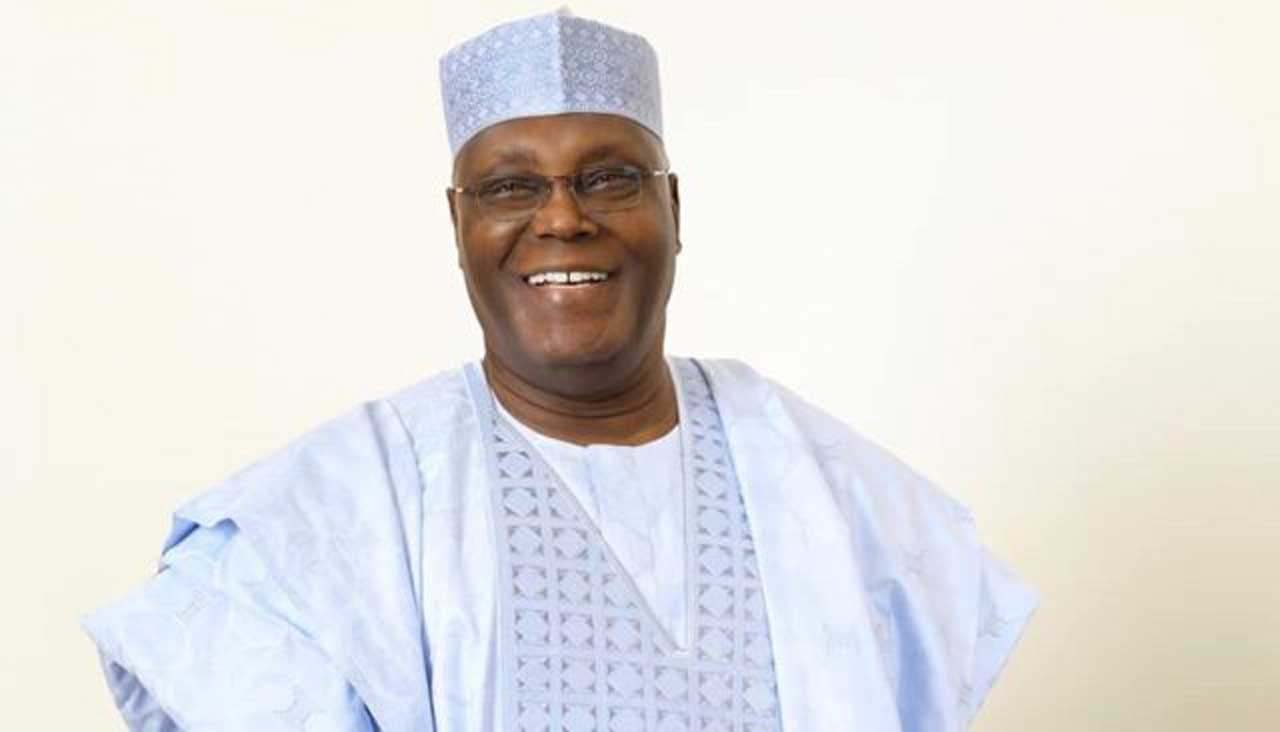
Atiku Blasts Tinubu Over ₦842bn Energy Bill, Says Nigerians Can No Longer Afford Homes

Trump’s Family Unveils New Cryptocurrency Platform
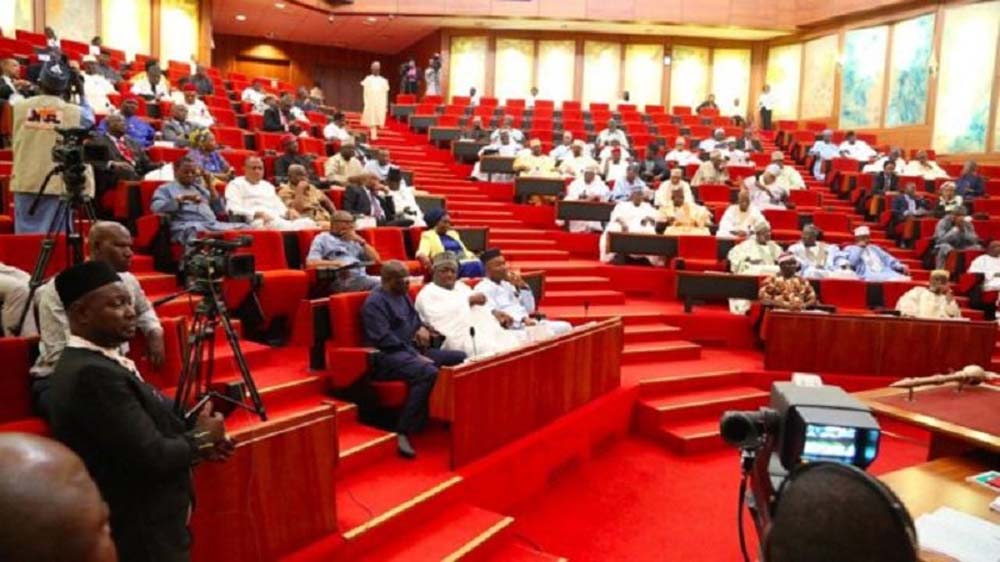
Senate Denies Receiving Petitions Against Tinubu’s Ambassadorial Nominees

Dangote Cement Lights Up Benue Host Communities With CSR Initiatives

Reps Recommend 3-year Jail Term For Aviation minister

Tems Sets New Record On Billboard Hot 100 Chart
https://shorturl.fm/FC2ja
https://shorturl.fm/CujVw
Heya i’m for the first time here. I found this board and I find It really useful & it helped me out much. I hope to give something back and help others like you aided me.
you have a great blog here! would you like to make some invite posts on my blog?
Very good written article. It will be useful to anyone who utilizes it, including myself. Keep doing what you are doing – looking forward to more posts.
Hello, you used to write wonderful, but the last several posts have been kinda boring… I miss your super writings. Past several posts are just a bit out of track! come on!
I like this website its a master peace ! Glad I found this on google .
Its such as you read my mind! You seem to know a lot approximately this, like you wrote the guide in it or something. I feel that you simply could do with a few p.c. to pressure the message home a bit, but other than that, this is great blog. An excellent read. I will certainly be back.
whoah this weblog is magnificent i like reading your posts. Stay up the great work! You already know, a lot of people are hunting round for this information, you can help them greatly.
This is the right blog for anyone who wants to find out about this topic. You realize so much its almost hard to argue with you (not that I actually would want…HaHa). You definitely put a new spin on a topic thats been written about for years. Great stuff, just great!
I’ve been browsing on-line more than three hours as of late, but I never discovered any interesting article like yours. It is lovely price sufficient for me. In my opinion, if all web owners and bloggers made just right content as you did, the net will be much more helpful than ever before. “Oh, that way madness lies let me shun that.” by William Shakespeare.
A person necessarily assist to make significantly articles I’d state. This is the first time I frequented your website page and up to now? I surprised with the research you made to make this particular publish incredible. Great task!
Amazing! This blog looks exactly like my old one! It’s on a entirely different topic but it has pretty much the same page layout and design. Great choice of colors!
There is noticeably a bunch to realize about this. I think you made various good points in features also.