
Other News
Energy Analyst, Adeoye Highlights Complexities Of Nigeria’s Petrol Pricing Amid Dangote Refinery Launch


Energy policy analyst, Adeyemi Adeoye has highlighted the complexities of Nigeria’s petrol pricing following the launch of the Dangote Refinery, stressing the importance of informed dialogue and the critical role of negotiations between private refineries and the Nigerian National Petroleum Company Limited (NNPC Ltd).
He shared his views during an appearance on TVC News on Friday, which was monitored by our correspondent.
Adeoye emphasized that the emotional responses to petrol pricing have diminished since the refinery’s inauguration. “When we take sentiment out of the conversation, then the real talk can begin,” he remarked, advocating for a more rational dialogue about the oil industry.
He clarified that the NNPC Ltd was not serving as a regulator in the current deregulated environment, a point, which he contends remains misunderstood by many.
He explained, “The sentiment and undue emotions surrounding this conversation since the advent of the Dangote Refinery are subsiding. When we take the sentiment out of the conversation, then the real discussion can begin.
“The oil industry has an operational manual; there is a way it functions. We all own the NNPC. Ordinarily, if it is representing the interests of Nigeria, in this deregulated system we have seen, especially since the PIA (Petroleum Industry Act) came into effect. The NNPC is not a regulator.
“This is a point many people still do not understand. If it were a regulator, its role would be to come out in the open, maybe via a press conference, and announce the price at which the government would be selling. But, as we’ve seen, it is still the Dangote Refinery that announces the prices, and we also need to take this into consideration.
“What is happening now is a joint venture. The NNPC is familiar with joint ventures. They have joint ventures all over the upstream sector with different international oil companies operating in Nigeria, and this is what has developed between the Dangote Refinery and the NNPC — it’s a joint venture.
“The NNPC supplies Dangote Refinery with crude oil and, in return, gets refined products for Nigerians. Essentially, this is the ongoing relationship, and that is why negotiation was important. If you observe, you will notice that Dangote Refinery has not announced a price.
“Dangote did not announce a price because they need to negotiate properly, and the NNPC is the chief negotiator in this instance because it supplies the crude oil, just as the government supplies crude to Dangote.
“Dangote is also sourcing crude from Brazil and the U.S., but the NNPC is supplying crude, and on the strength of that, it goes into the negotiation.
“The key takeaway for Nigerians is that the NNPC has announced that Dangote Refinery is free to deal with any marketer on a willing buyer, willing seller basis. However, the negotiation did not start at the price announced by NNPC or Dangote. The negotiation started at a higher price, for very obvious reasons.
“In the United States (US), the average price for gas (petrol) is $3.33 per gallon. If you divide a gallon, which is about 4 liters, you get around N5,279. Breaking it down, that’s about N1,119.75 per liter. So, this is the amount Dangote would have sold it for.
“It wouldn’t have been less than N1,300. If Dangote is allowed to operate purely as a business entity, there is nothing wrong with that. But without negotiations, Nigerians could have been paying no less than N1,300 for fuel because it is an international product.
“Nigerians need to understand that to refine crude oil, you first need to produce crude oil, and producing crude oil involves what is called an oil rig.
“The cheapest oil rig you can get costs around $100,000 to $150,000 per day. So, if you have a marginal field and you are paying $150,000 per day for your crude, you will also have to pay for the vessel to transport it to Dangote.
“Dangote is not going to pay you in Naira; it is going to pay you in dollars. These are all factors that affect the pricing. It is not like other commodities; it is an internationally determined commodity, and the pricing is not something easy to determine.
“That’s why Dangote couldn’t come out to announce pricing immediately. It had to first negotiate with its suppliers, which in this case is the NNPC.” he added



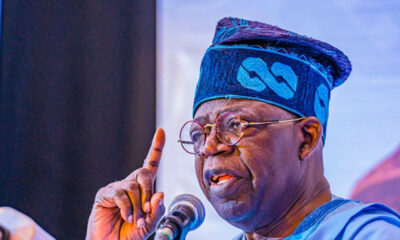




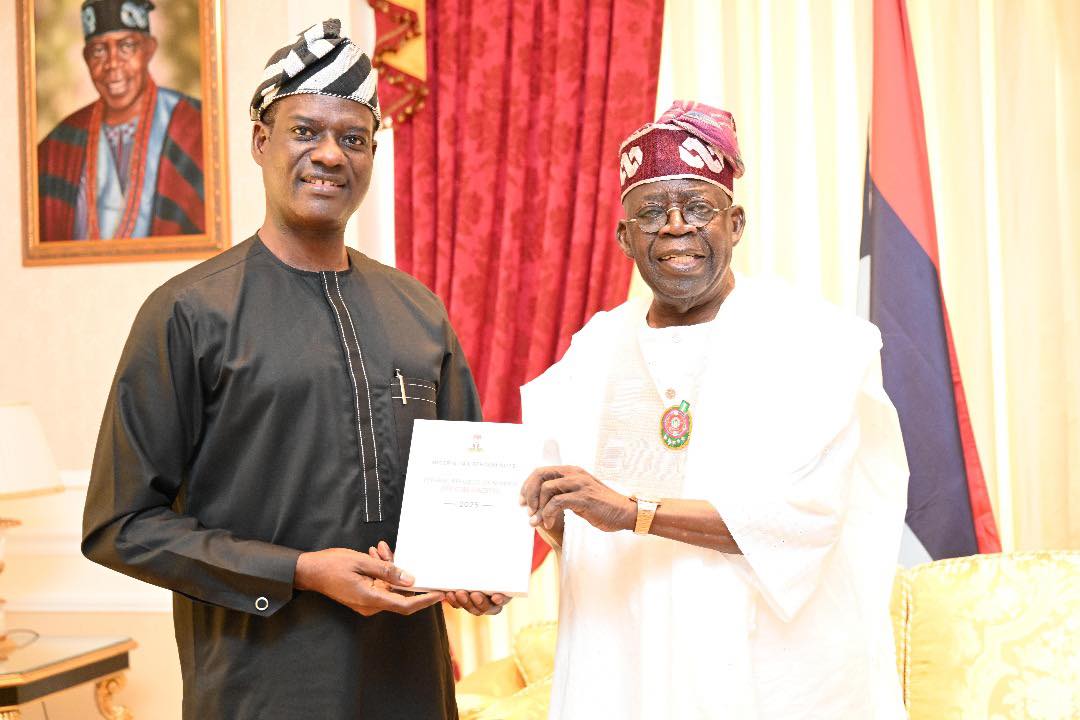
President Bola Tinubu and Mr. Taiwo Oyedele during his nomination on Wednesday.
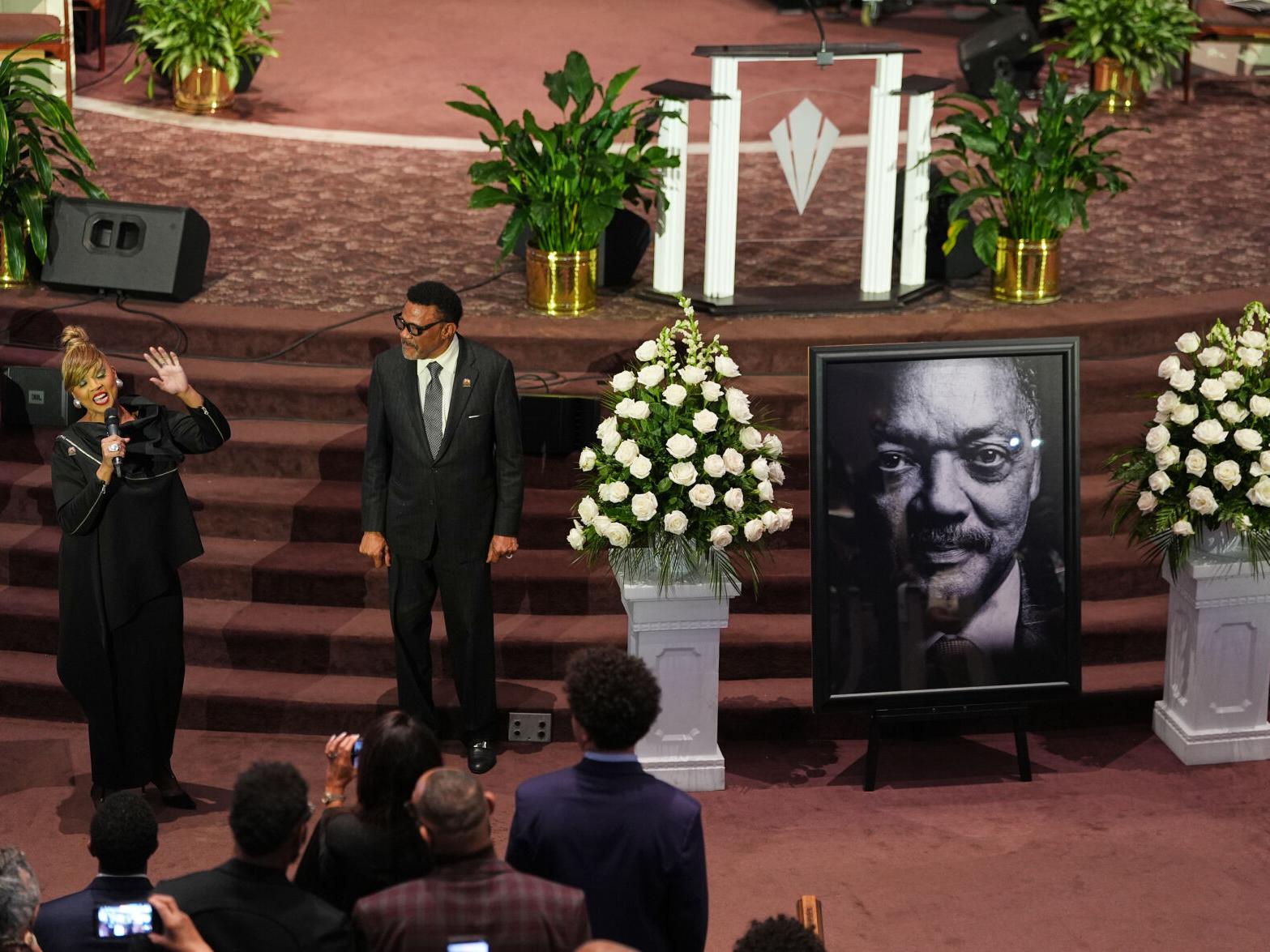


The Senior Pastor of Freedom Life International Christian Center, Richard Tochukwu, has declared that gospel music possesses the spiritual capacity to transform Nigeria, describing it as a divine instrument capable of restoring hope and unity in the nation.
Speaking during an interaction with journalists, the cleric said music inspired by God’s Word can positively influence Nigeria’s spiritual and socio-political landscape by promoting peace, comfort and moral revival.
According to him, gospel music goes beyond entertainment and should be seen as a ministry tool for national healing.
ALSO READ: How Pastor Jerry Eze’s NSPPD Became The World’s Third Most-Watched YouTube Channel
“Gospel music is not just sound; it carries power. When songs are inspired by Scripture, they can heal hearts, restore faith and redirect a nation toward righteousness,” he said.
Pastor Tochukwu made the remarks while discussing his latest worship single, “I Want To Pray,” a spiritually reflective song produced by Audio5.
He explained that the track was created to encourage believers to remain steadfast in prayer and maintain consistent fellowship with God.
The song draws inspiration from Luke 18:1, which urges believers to pray always and not lose heart.
A spiritual son of Paul Enenche, Pastor Tochukwu revealed that most of his songs are birthed from deep study of Scripture.
“Sometimes while studying or preaching from a passage, a melody begins to flow. The lyrics are drawn directly from the Word. Our songs are intentional; they carry the same message we preach,” he explained.
Reflecting on his journey, he recounted beginning as a drummer who also sang before discovering what he described as a divine instruction to minister through music.
“I realised that you don’t minister only through preaching. God made me understand that songs are another channel through which His Word can reach people. Every release is backed by Scripture,” he added.
Pastor Tochukwu currently serves in Lagos, combining pastoral leadership with music ministry.
The audio and video for “I Want To Pray” are now available on major digital streaming platforms.





Fuel Price Shock: Nigerians May Soon Pay ₦1,500 Per Litre – Marketers Warn

Political Earthquake in Zamfara as Gov Lawal Dumps PDP for APC

Court Pushes Malami, Son’s Terrorism Financing Trial to April 15

African Club Football Gets Major Financial Boost as CAF Hikes Prize Money

Abramovich Clashes with UK Gov’t Over £2.35bn Chelsea Sale Funds

Global Crisis: Attacks on Schools Skyrocket 166% – UN Sounds Alarm on Children’s Safety

Trump’s Family Unveils New Cryptocurrency Platform

Reps Recommend 3-year Jail Term For Aviation minister

Senate Denies Receiving Petitions Against Tinubu’s Ambassadorial Nominees

Dangote Cement Lights Up Benue Host Communities With CSR Initiatives

Things To Know About Threads, Zuckerberg’s Twitter-like App
