
Sports
GTI: Burden Bearer For NPFL Development

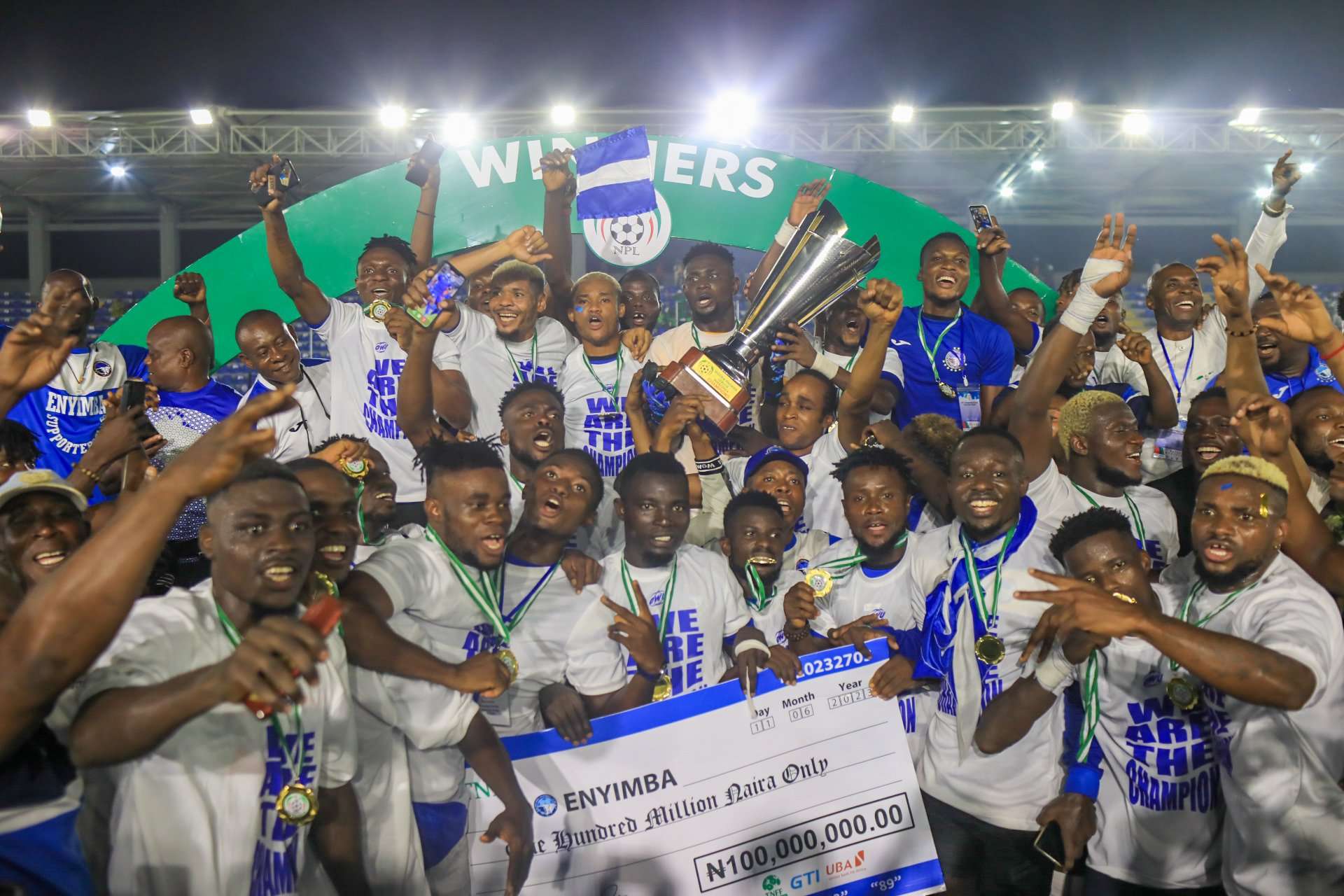
The elite football league in Nigeria has undergone a lot of metamorphosis and suffered like many other sports properties in the country. This was due to poor administrative structures, inefficient financial management, and a lack of sustainable funds to grow the asset. The ownership structure of the professional clubs requires a shift to the private sector rather than the present prevailing public sector.
A flashback in history revealed that the elite league was founded in 1972 with six teams doing battle in the maiden edition of the then Nigeria National League. However, on Saturday, May 12, 1990, at the Onikan Stadium Lagos, the league was rechristened the “Professional League” with the goal of modernizing the game and making clubs self-sufficient. Decrees 10 and 11 which codified the introduction of professional football in Nigeria stipulated that professional clubs should be run as limited liability companies, each governed by a regularly constituted board of directors and required to hold Annual General Meetings (AGM), present independently audited accounts, cultivate youth/feeder teams and own their stadium within five years of registration with the Pro League Department.
To assist Pro League clubs in the timely achievement of the aforementioned goals, all 56 professional club-sides that constituted the inaugural Pro League First and Second Divisions were granted a five-year tax moratorium on all income starting from 1990.
From 1990 to 2022, the elite league has undergone several phases of good times and bad times leading to a very low period when prospective partners were no longer interested in the sports property because of the problems associated with the past years. The managers of the elite league could not meet the financial obligations required for the smooth operations of the league. At this level, the centre could no longer hold and the Federal Ministry of Youth and Sports Development and the Nigeria Fotball Federation (NFF) had to intervene for a rescue mission.
All the aforementioned problems created a trust deficit in the minds of would-be sponsors of the NPFL thus necessitating a rescuer or burden bearer for the sinking league. The aftermath of this scenario saw the emergence of GTI Asset Management and Trust Limited in the Nigeria football ecosystem.









African club football is set for a financial shake-up as the Confederation of African Football (CAF) announces a substantial increase in prize money for its top club competitions this season.
According to a CAF statement released on Monday, winners of the 2025/26 CAF Champions League will now take home $6 million (≈€5.18 million), up from $4 million last season. Meanwhile, the CAF Confederation Cup champions — Africa’s second-tier club competition — will earn $4 million, marking a 50% increase from last year.
SEE MORE: CAF Switches Afcon to Hold Every Four Years From 2028
Prize money for runners-up remains unchanged, with Champions League finalists receiving $2 million and Confederation Cup finalists $1 million.
The move has been welcomed by clubs, which have long complained that competing in African competitions often results in financial losses.
High travel costs, particularly airfares, have been a major challenge, with many clubs forced to take longer, costlier routes through Europe or the Middle East due to limited direct flights between African countries.
Since Patrice Motsepe, the South African businessman and CAF president, took office in 2021, prize money for African club competitions has steadily increased.
Motsepe, now in his second four-year term, has been championing financial sustainability and growth for African club football.
CAF’s quarter-final first-leg matches kick off this weekend, starting in Pretoria, South Africa, where Mamelodi Sundowns host Stade Malien of Mali in the Champions League.
Football fans across the continent are eagerly anticipating a weekend full of high-stakes action.
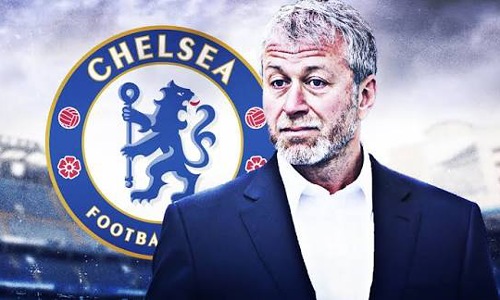
Former Chelsea owner Roman Abramovich has insisted that the £2.35 billion from his 2022 sale of the football club remains his personal property, amid mounting pressure from the UK government to release the funds for Ukrainian humanitarian aid.
Lawyers representing Abramovich told UK authorities that the money, currently frozen in a bank account under his company Fordstam Ltd, is legally his, despite earlier statements promising to donate the proceeds to victims of the war in Ukraine.
SEE ALSO: Chelsea Boss Demands Lifetime Ban For Racists After Vinícius Abuse Allegation
“The funds — although currently frozen — remain the property of Fordstam Limited, which is wholly owned by Mr Abramovich,” the legal team said.
They added that the billionaire remains committed to charity but stressed that any donation is voluntary.
The standoff has been fueled by sanctions imposed on Abramovich following Russia’s 2022 invasion of Ukraine, which forced the sale of Chelsea.
While Abramovich initially pledged all net proceeds for the benefit of war victims, disagreements emerged over who should ultimately receive the funds.
The UK government insists the money must be directed to humanitarian aid in Ukraine, while Abramovich wants the donation to cover all victims, including Russians affected by the conflict.
UK Foreign Secretary Yvette Cooper responded firmly to the dispute, stating, “This money was promised to Ukraine over three years ago. It is time Roman Abramovich does the right thing, but if he won’t we will act. That’s why the licence has been issued. It is time this money was used to rebuild the lives of people who’ve seen devastation as a result of Putin’s illegal war.”
Further complicating matters, Fordstam’s accounts reveal that £1.4 billion of the total proceeds is tied to loans Abramovich extended to Chelsea during his ownership.
The funds remain under scrutiny due to an ongoing investigation in Jersey into the source of Abramovich’s wealth, which the oligarch is contesting in court.
Abramovich’s legal team also criticized the UK government for relying on public statements rather than addressing the legal complexities surrounding the transfer.
“Mr Abramovich has consistently sought to resolve the complex legal issues preventing the donation from proceeding,” the lawyers said.
Modupe ASUDO
Sahara Group has launched M.A.D with Football 5.0, the latest edition of its flagship internal engagement initiative, reinforcing its commitment to building a connected, inclusive workforce across geographies.
The initiative gives Sahara employees the opportunity to attend live football matches at iconic stadiums including Old Trafford in Manchester and Emirates Stadium in London, using shared experiences to strengthen collaboration and a unified One-Sahara culture.
Speaking on the initiative, Bethel Obioma, Head, Corporate Communications, said the fifth edition of the M.A.D with Football initiative reinforces the energy and infrastructure conglomerate’s commitment to entrenching diversity and inclusion across its locations in Africa, Asia, Europe, and the Middle East.
Obioma said that over the past three decades, Sahara Group has consistently prioritized people as a central pillar of its growth journey, recognizing that culture and connection are critical to long term success.
“M.A.D with Football 5.0 aligns strongly with the Sahara Beyond XXX narrative, reflecting the Group’s belief that sustainable success is driven by operational performance, meaningful experiences that inspire, energise, and connect people. Sahara continues to invest deliberately in initiatives that recognize effort, reward commitment, and strengthen organisational culture,” he added.
The 5.0 edition builds on this legacy, reaffirming Sahara Group’s commitment to a people centred culture that goes beyond the workplace and beyond geography. By offering Saharians (the term used to describe Sahara employees) the chance to witness world class football in legendary venues, the initiative celebrates excellence, teamwork, and the spirit of belonging that defines the Sahara ecosystem.
Employees who have participated in previous editions have also shared enthusiastic reflections on internal platforms. Juliet Basemera of Asharami Uganda, described the experience as “a dream come true,” expressing gratitude for the opportunity to be in Manchester. Arnaud Ritz, Sahara Energy Geneva, noted that the trip made it possible to “finally put faces to the names” he previously only knew from emails, and to meet Saharians “from all around the world.”
Oriyomi Adewale, Asharami Energy, Rwanda, called the initiative evidence of Sahara’s commitment to work life balance and employee wellbeing, describing it as “delightful” to be part of a company that invests in employee welfare and memorable moments.
Participation in M.A.D with Football 5.0 is open to Sahara employees in line with internal guidelines, with selected participants earning the opportunity to represent Sahara Group at live matches at Old Trafford and Emirates Stadium, experiencing firsthand the passion, energy, and global community that football embodies.






WHO Releases Alarming Casualty Figures From US‑Israel‑Iran Conflict

PDP’s Festering Crisis Chases Tambuwal to ADC

$200/barrel Price Likely as Iran Threatens Oil Ships

2026 Poll: Osun Ndigbo Backs Adeleke’s Second-Term Bid

NGX Group, IFC, CSCS and WIMBIZ Convene Leaders to Advance Gender Equality at 2026 Ring the Bell Ceremony

Adeleke on Why he Deserves Second Term

Trump’s Family Unveils New Cryptocurrency Platform

Reps Recommend 3-year Jail Term For Aviation minister

Dangote Cement Lights Up Benue Host Communities With CSR Initiatives

Senate Denies Receiving Petitions Against Tinubu’s Ambassadorial Nominees

Things To Know About Threads, Zuckerberg’s Twitter-like App
