Other News
Medical Result Interpretation: A Key to Early Detection


In today’s fast-paced world, where lifestyle diseases and infectious conditions are on the rise, accurate medical result interpretation is more important than ever.
While laboratory tests generate raw data, their true value lies in expert interpretation, which helps detect diseases early, assess health risks, and guide preventive measures.
SYNLAB, a leader in medical diagnostics, is at the forefront of this critical process, ensuring that individuals and healthcare professionals receive precise, actionable insights that enhance disease detection and prevention. Through cutting-edge technology, specialized panels, and expert analysis, SYNLAB Nigeria is not only helping to diagnose illnesses but also shaping a healthier future for Nigerians.
How Medical Diagnostics Helps in Disease Discovery
Many serious health conditions do not show symptoms in their early stages, making medical testing and accurate interpretation essential for early detection. SYNLAB Nigeria offers a wide range of advanced diagnostics that help uncover hidden health conditions before they become critical.
Read Also: On SYNLAB Nigeria’s Secured Patient Portal, Test Result Delivery’s Safe Alternative
1. Early Detection of Chronic and Infectious Diseases
• Diabetes & Cardiovascular Conditions: Blood sugar tests, cholesterol panels, and hypertension screenings help detect conditions before complications arise.
• Cancer Diagnosis: Early screening for prostate cancer (PSA test), breast cancer (mammograms), and cervical cancer (Liquid Based Cytology) significantly improves survival rates.
• Infectious Diseases: Specialized panels, such as the Peachy STI panel, help in the early detection of sexually transmitted infections, ensuring timely treatment and reducing transmission risks.
2. Advanced Molecular and Genetic Testing
Medical science has advanced beyond traditional blood tests, with molecular and genetic diagnostics offering greater accuracy and earlier detection.
• Genetic testing helps individuals understand their risk for hereditary diseases like sickle cell disease, certain cancers, and metabolic disorders.
• Molecular diagnostics detect viral and bacterial infections, such as HPV and tuberculosis, even before symptoms manifest, enabling early treatment and better outcomes.

Preventing Diseases Through Proactive Screening
While detecting diseases is crucial, preventive healthcare plays an even more vital role in reducing the burden of illness. Regular screenings and early interventions can mitigate health risks and promote long-term well-being.
1. Identifying Health Risks Before Symptoms Appear
• Routine Blood Tests: Kidney function, liver enzymes, and other blood markers help detect underlying health conditions early.
• Heart Disease Prevention: Lipid profile tests assess cholesterol levels, guiding patients toward lifestyle changes before cardiovascular complications develop.
2. Personalized Health Insights for Prevention
Medical results are more than just numbers—they offer actionable insights for better health.
• A patient with borderline high blood sugar may be advised on diet and exercise to prevent full-blown diabetes.
• Someone with elevated cholesterol can receive tailored recommendations for heart health before complications arise.
By understanding test results and acting on them, individuals can make informed choices that prevent serious illnesses.
The Role of SYNLAB Nigeria in Medical Result Interpretation
Read Also: Celebrating 20 Years of Excellence: SYNLAB Nigeria’s Journey in Diagnostics Care
SYNLAB Nigeria bridges the gap between medical testing and meaningful healthcare decisions. With a team of in-house pathologists, its expertise in medical result interpretation ensures:
• Accuracy and Reliability: High-quality laboratory processes reduce errors, ensuring that diagnoses are based on trustworthy results.
• Timely Reporting: Quick result delivery prevents delays in treatment and improves patient outcomes.
• Confidential and Secure Data Management: Patients can trust that their medical information is handled with strict privacy protocols.
• Doctor-Patient Collaboration: Beyond delivering test results, SYNLAB provides expert consultation services to help both patients and doctors fully understand their health status.
By prioritizing early detection, prevention, and expert interpretation, SYNLAB Nigeria is transforming medical diagnostics into lifesaving solutions.
Laboratory tests alone are not enough; understanding and acting on those results is what truly saves lives. SYNLAB Nigeria ensures that both medical professionals and patients receive clear, accurate, and meaningful health insights that drive better decision-making.
By offering cutting-edge diagnostics, expert result interpretation, and personalized health recommendations, SYNLAB Nigeria is empowering individuals to take control of their health.
Take charge of your health today—because early detection and prevention begin with understanding your medical results.
About SYNLAB
• SYNLAB Nigeria is a member of the SYNLAB group, with a presence in over 30 countries in four continents. The organization has over 30 active locations across Nigeria and has been ISO 15189 certified since 2006.
• SYNLAB Group is the leader in medical diagnostic services and specialty testing in Europe. The Group offers a full range of innovative and reliable medical diagnostics to patients, practicing doctors, hospitals and clinics, governments, and corporations.
• Providing the leading level of service within the industry, SYNLAB is the partner of choice for routine and specialty diagnostics in human and veterinary medicine. The Group continuously innovates medical diagnostic services for the benefit of patients and customers.
• SYNLAB holds leading positions in most markets, regularly reinforcing the strength of its network through a proven acquisition strategy.
• More information can be found on www.synlab.com, www.synlab.com.ng




The proposed 20 percent deduction from the Nigerian Content Development and Monitoring Board (NCDMB) to finance the proposed National Research and Innovation Development Fund (NRIDF) has been met with stiff opposition.
Declaring its stand on the proposed deduction, at a press conference in Abuja on Thursday, the Coalition of Civil Society Organisations in Nigeria (COCSON) dubbed the proposed funding arrangement as unacceptable.
It cautioned that it could undermine the NCDMB’s mandate of developing local capacity and promoting indigenous participation in Nigeria’s oil and gas industry.
The spokesperson for COCSON, Tabuko Kennedy, maintained that the coalition supported investment in research and innovation but rejected the proposed funding model.
The proposed legislation seeks to establish the NRIDF and the National Council on Research and Innovation (NCRI) to coordinate, fund and support research, innovation, development and commercialisation in Nigeria.
However, COCSON argued that using 20 percent of the NCDMB’s revenue to finance the new fund would divert resources meant for local content development.
READ ALSO: Nigeria Loses N4.65tn Revenue in H1 as Oil Output Trails 1.84mbpd Budget Benchmark
According to the coalition, the NCDMB’s funds are generated through deductions from companies operating in the oil and gas sector and are specifically intended to build indigenous capacity, train Nigerian professionals and support local businesses.
It maintained that diverting part of the funds to another agency without the consent of industry stakeholders would undermine the purpose for which the money was collected.
The coalition also warned that the proposal could set a precedent for other agencies to lose portions of their dedicated funds to finance newly established institutions.
It cited the Tertiary Education Trust Fund (TETF), the Universal Service Provision Fund (USPF) and Police Trust Fund (PTF) as examples of agencies whose resources could face similar deductions under such an arrangement.
The COCSON further questioned the legal basis for the proposed deduction, arguing that the Nigerian Oil and Gas Industry Content Development Act established a framework for the use of the NCDMB’s funds towards local content development.
It said the proposed diversion could conflict with the statutory purpose of the funds and called for the provision to be removed from the bill.
He said, the “COCSON is not against research. We are not against innovation. But we are violently opposed to a flawed, destructive and unpatriotic funding mechanism.”
The coalition called on the leadership of the National Assembly, relevant committees and the Federal Executive Council (FEC) to reject the proposed 20 percent deduction.
It also appealed to President Bola Ahmed Tinubu not to sign the bill if it retained the disputed funding provision.
Kennedy disclosed that the coalition had mobilised organised labour, pressure groups, religious organisations and other civil society groups to oppose the proposal.
He said a different funding model should be developed if the proposed research and innovation fund was to proceed.
The coalition urged Nigerians and industry stakeholders to resist what it described as a diversion of resources earmarked for local content development.

The Nigeria Democratic Congress (NDC) has announced its decision to boycott a security meeting convened by the Inspector-General of Police, accusing the Nigeria Police Force of failing to protect its members amid escalating political violence across the country.
The party said it no longer had confidence in the ability of the police and other security agencies to guarantee the safety of its members, alleging that attacks against its supporters had continued without adequate intervention or accountability.
In a statement dated November 23, 2026, and signed by its National Publicity Secretary, Osa Director, Esq., the NDC said it would not participate in a meeting organised by a police force it accused of failing to protect opposition members.
SEE MORE: ‘No Political Ambition Is Worth One Nigerian’s Life – Obi Condemns Attacks on NDC Supporters in Delta
The party declared that it would not lend legitimacy to what it described as a security process that had failed to address the repeated attacks against its supporters.
The NDC cited incidents in Benue, Edo, Calabar, Enugu and Delta states as evidence of what it described as a growing pattern of political violence against its members.
It specifically alleged that its presidential candidate, Peter Obi, was prevented from entering Benue State by thugs loyal to the ruling All Progressives Congress (APC) government.
The party also revisited the killing of four of its members in Delta State, alleging that the incident occurred in the presence of police officers and other security personnel who were expected to protect lives and maintain order.
Describing the situation as disturbing, the NDC accused the police of showing bias in their handling of attacks against opposition members.
“Presently, the Nigeria Police has become an APC Police sustained by taxpayers’ money,” the statement alleged.
The party further accused security agencies of failing to conduct proper investigations into the incidents and ensure that those responsible were brought to justice.
It maintained that political campaigns should provide an opportunity for democratic engagement rather than become battlegrounds where supporters face threats, attacks and killings.
The NDC called on the international community to put pressure on President Bola Ahmed Tinubu and the APC-led government to uphold internationally accepted democratic standards and protect opposition political activities.
“Democracy cannot survive where opposition members are hunted, attacked, and killed with impunity while state institutions look the other way,” the party stated.
Despite its decision to boycott the IGP’s meeting, the NDC reaffirmed its commitment to peaceful and issue-based campaigns, insisting that it would not be intimidated or forced out of Nigeria’s democratic space.
Sahara Group, through Asharami Synergy Kenya Limited, is developing a 30,000-metric-tonne common-user Liquefied Petroleum Gas (LPG) import, storage and handling terminal in Changamwe, Mombasa, to strengthen supply and support access to affordable cooking gas for 10 million homes by 2028.
Scheduled for completion by 2028, the facility will occupy 23.19 acres at the Kenya Petroleum Refineries Limited (KPRL) site and support Kenya’s LPG Growth Strategy and wider clean-cooking ambitions.
At the groundbreaking ceremony, Bayo Sotomi, Country Manager, Asharami Synergy Kenya, said the additional storage would enable larger LPG cargoes, improve vessel discharge efficiency, and help reduce shipment and demurrage costs.
“The 30,000-metric-tonne LPG storage facility is a major economic boost that will accelerate the energy supply chain. It will ensure lower prices for distribution of clean energy in schools and hospitals and restore forests from firewood cutting,” he said.
According to Sotomi, Asharami will work with the government, regulatory authorities, and local technical institutions to support internships, industrial attachments, and training in LPG handling, engineering, and safety,” he said.
Sotomi added that the terminal could strengthen Mombasa’s role as an LPG gateway for East and Central Africa, serving markets including Uganda, Rwanda, Burundi, South Sudan, and eastern Democratic Republic of Congo.
READ ALSO: FG Tackles Transportation Costs with 5 New CNG Stations in Lagos
Also speaking, the Principal Secretary for the State Department for Petroleum, Harsama Kello, said the investment will revolutionise the energy sector supply chain.
Kello said 70 percent of Kenyans are still relying on kerosene, charcoal and firewood, but through the National LPG Growth Strategy Programme, the government will ensure all Kenyans have access to clean energy.
He said employment from the project will go to local people in Changamwe, and the investment will lower the cost of gas in households.
“By 2028 we want to make that a reality in homes. Launching Asharami LPG is one of the plans to make Kenya self-sufficient in gas supply,” he said.
Tom Mailu, General Manager, Kenya Petroleum Refineries Limited (KPRL) said: “We shall ensure that we comply with environmental requirements. Residents will benefit big in the project that will take 24 months.”
KPRL Board Chair, Lillian Mahiri Zaja, said the facility will ensure the company’s assets are protected.
“The future of the energy sector will be shaped by institutions we build for the country and for the future of our people,” said Zaja.
EPRA Director General, Eng. Edward Kinyua, said the multi-billion-shilling facility will spur the economy.
“We are losing 25,000 lives because of indoor pollution; therefore, this is about saving lives,” Kinyua said. The project supports the government’s agenda to move from biomass to LPG.
From Nigeria to Côte d’Ivoire, Senegal, Tanzania, and Ghana, Sahara continues to invest in LPG shipping, storage, and distribution infrastructure. This is designed to improve supply reliability and give more households and businesses access to cleaner energy, local economic opportunity, and regional energy security.


Vehicles Crowd CNG Station at UNILAG
COCSON Against 20% NCDMB Research Fund Deduction

Nigeria Loses N4.65tn Revenue in H1 as Oil Output Trails 1.84mbpd Budget Benchmark

Don Jazzy’s Father Announces New Single
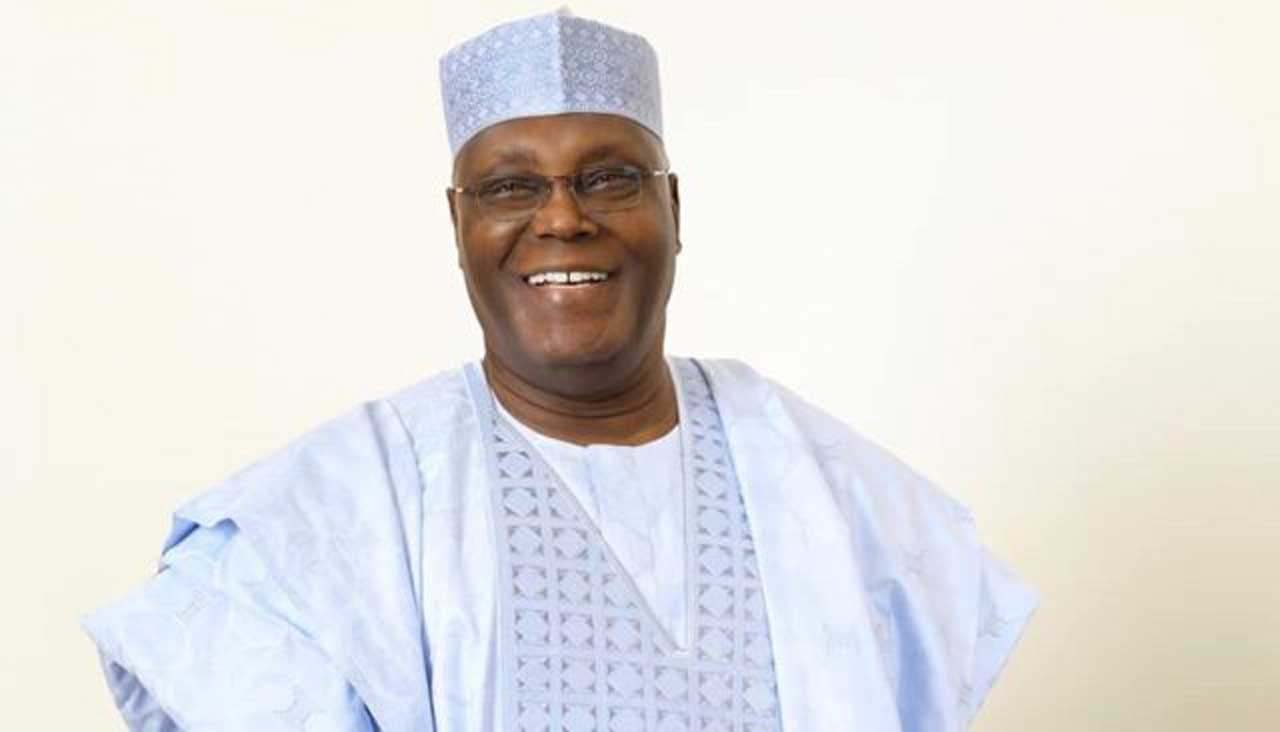
Atiku Blasts Tinubu Over ₦842bn Energy Bill, Says Nigerians Can No Longer Afford Homes

Shettima Mourns Pete Edochie, Says Africa Has Lost a Custodian of Cultural Memory

Trump’s Family Unveils New Cryptocurrency Platform
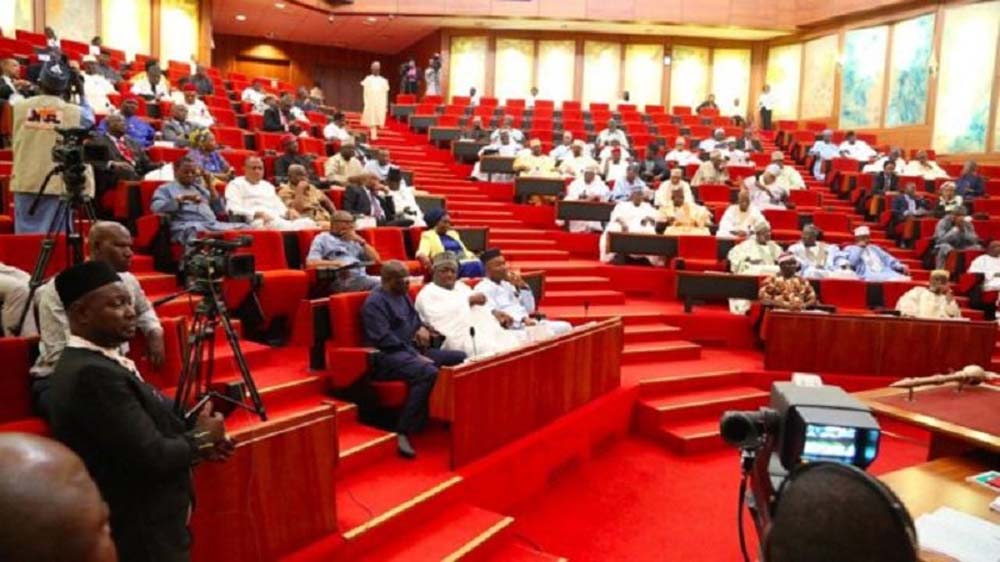
Senate Denies Receiving Petitions Against Tinubu’s Ambassadorial Nominees

Dangote Cement Lights Up Benue Host Communities With CSR Initiatives

Reps Recommend 3-year Jail Term For Aviation minister

Tems Sets New Record On Billboard Hot 100 Chart