NEWS
SOKAPU Questions FG’s inability to fight bandits, while it can easily arrest Kanu Igboho

Precious ADELOLA
ABUJA-The Southern Kaduna Peoples Union has carpeted the Federal Government over the arrest and detention of activists across the country, while it displays a questionable inability to curtail the activities of bandits, killer herdsmen and terrorism.
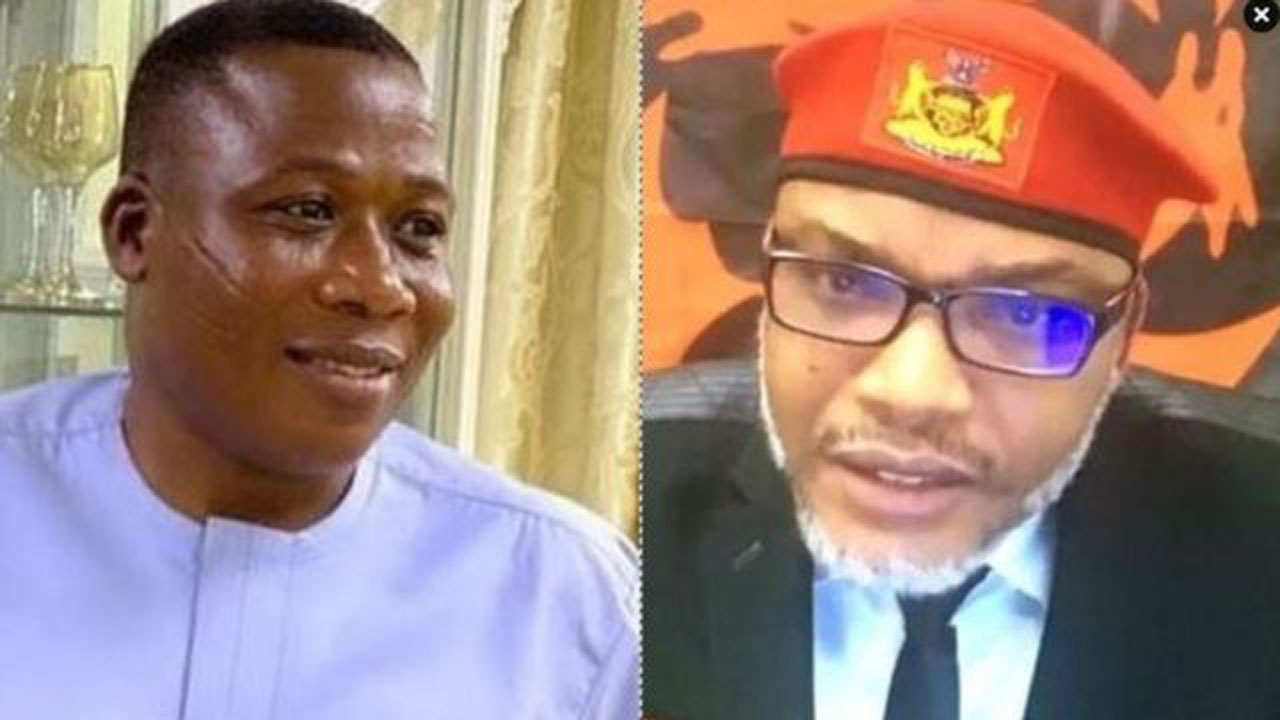
The umbrella body of the Southern Kaduna people urged the government to deploy the same tactics adopted in the arrest of the leader of the Indigenous People of Biafra, Nnamdi Kanu, and Yoruba Nation activist, Sunday Adeyemo, aka Sunday Igboho, in tackling the rampaging bandits in the North.
SOKAPU’s National President, Jonathan Asake, stated this while addressing journalists in Kaduna on Thursday.
The SOKAPU leader also alleged that over 100 natives had so far been killed in communities in the Zango-Kataf Local Government Area of the state recently.
According to him, the government must stop the use of force on mere agitators, while pampering terrorists in the North.
Asake, a former House of Representatives member, said, “Again, this year, with the commencement of another rainy season, the onslaughts have resumed, which coincide with the period when our farming communities need to be on their farms.
“With particular reference are the recent attacks on communities in Zangon Kataf LGA, where no fewer than 100 persons have been massacred within seven days, 12 villages completely decimated and over 90 per cent of Atyap land deserted by inhabitants over fears of frightening uncertainties.
“It is sadly unbelievable that 10 days after these massacres and displacement in our communities from all observable indices, there appears to be a conspiracy of silence or a deliberate attempt by the government to downplay the severity of the atrocities and genocides being perpetrated by these attackers across our communities.”
On attacks and kidnapping in the North, Asake added, “We are convinced beyond doubt that the government has a capacity to combat these daredevil bandits, who have made life unbearable for our communities.
“If the government could lure the Benue militant, Terwase Akwaza, aka Gana, out of his hideout in September 2020, and later killed him; if they could trace Mazi Nnamdi Kanu to Kenya and blindfold him to Nigeria in June 2021; if they could trace Sunday Igboho to Cotonou and arrest him just a few days ago; and if they could smoke out the commander of the Eastern Security Network, Ikonso, and later kill him in April 2021, then, it clearly shows that the government has enough capacity to deal with the situation.
“We find it strange to explain how the government is unwilling to tackle banditry and kidnappings in the North, but at the same time hasty in deploying full intelligence and military force against southern and Middle Belt activists, who are engaged in one form of agitation, criminality or otherwise.
“Even when these bandits brought down an air force jet last Sunday, July 19, at the border between Zamafa and Kaduna states, thereby challenging the sovereignty of our country, the government has not shown enough action to tackle the dangers posed by bandits and insurgents, who have now acquired anti-aircraft launchers and sophisticated weapons.
“The survival, unity and progress of the Nigerian state are more threatened by the untamed atrocities of these northern bandit groups and armed Fulani herdsmen more than the actions of the Kanus, Igbohos and Terwases of the southern and Middle Belt regions.


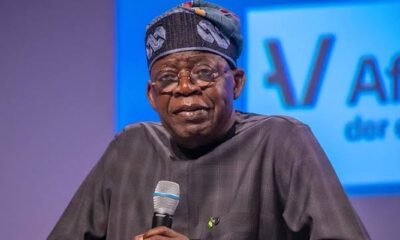





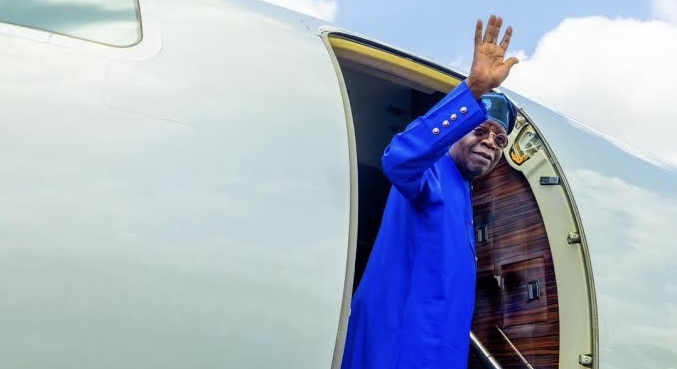
President Bola Ahmed Tinubu will depart Abuja on Sunday, January 26, 2025, to participate in the Africa Heads of State Energy Summit in Dar es Salaam, Tanzania.
The two-day summit, scheduled for January 27-28, 2025, is aimed at advancing “Mission 300,” a pan-African initiative to provide electricity to 300 million people across the continent by 2030.
Hosted by the Tanzanian government in collaboration with the African Development Bank Group and the World Bank, the summit will bring together African leaders, private sector stakeholders, development partners, and civil society organizations.
READ MORE: Tinubu Appoints Ganduje, Ajibola, Others As Heads Of Federal Agencies
The goal is to develop strategies for accelerating energy access in underserved regions, increasing renewable energy adoption, and mobilizing private sector investment.
According to a statement released on Saturday by Bayo Onanuga, Special Adviser to the President, the summit will serve as a platform for sharing expertise, knowledge, and resources to address Africa’s energy challenges.
The first day of the summit will feature ministerial-level discussions, during which participating nations, including Nigeria, will present their national energy strategies, or “compacts,” detailing their plans to achieve universal energy access within five years.
On the second day, African Heads of State will sign the Dar es Salaam Energy Declaration, a unified roadmap for achieving the goals of Mission 300.
President Tinubu is expected to deliver a national statement reaffirming Nigeria’s commitment to universal energy access and its leadership role in the continent’s energy sector.
He will also highlight Nigeria’s ongoing clean energy initiatives and integrated energy delivery strategies aimed at fostering sustainable development across Africa.
Accompanying the president will be key government officials, including Minister of State for Foreign Affairs Ambassador Bianca Odumegwu-Ojukwu, Minister of Power Adebayo Adelabu, and Special Adviser to the President on Energy Olu Verheijen.
President Tinubu is set to return to Abuja immediately after the summit concludes.

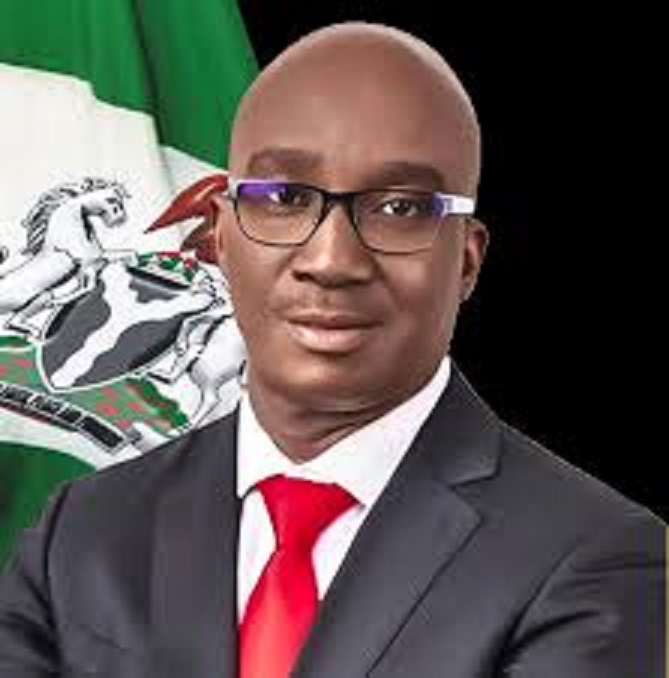
The menace of illegal migration is getting diplomatic attention from the Italian authorities and the Edo State Government.
The Chief Press Secretary to Edo State Governor, Fred Itua divulged this in a government house statement issued in Benin City on Saturday.
He explained that the Coordinator, Office of the First Lady, Edesili Anani had expressed the readiness of the Governor, Monday Okpebholo-led administration to tackle the menace of irregular migration among youths in the state.
ALSO READ: Terrorism: Police Neutralises ESN Kingpins, Destroys Camps In Imo
It was gathered that Anani made the stance public on Friday in Government House, Benin City, when Dr. Alberto Cilala, a consultant to the European Union and President of Mattei Africa for Humanitarian Aids Initiative in Italy, led a delegation to her office.
Welcoming the delegation, she highlighted the importance of collaboration to address the challenges posed by irregular migration.
The Coordinator expressed her gratitude to the delegation, and emphasized the transformative impact the partnership will bring to Edo State.
In her words, “This initiative will reduce unemployment, create job opportunities, and address human trafficking and irregular migration. It will also enhance education, skills acquisition, agricultural investment, and infrastructural development for our people.”
On his part, Dr. Cilala emphasized that the Mattei Plan would provide valuable skills to Edo State residents, including tailoring, furniture-making, shoemaking, and more.
“The Mattei Plan was launched by the Italian Government with a focus on six key sectors: education and training, health, security, agriculture, and renewable energy. The goal is to promote integrated development and improve living conditions, particularly in rural areas.
“These projects will be fully funded by the Italian Government through the Ministry of Foreign Affairs and Labour,” he stated.
Former Senior Special Assistant to the Edo State Government on Anti-Human Trafficking and Irregular Migration, Solomon Okoduwa, in his remarks, said the Mattei Plan prioritizes practical measures to reduce irregular migration and human trafficking.
“Although nine African countries are involved in this initiative, Edo State is a crucial partner for Italy. This partnership will strengthen bilateral relations under the leadership of His Excellency, Senator Monday Okpebholo,” he said.
Brand Ambassador of the Mattei Plan, Olorogun John Paul, popularly known as Daddy Showkey was at the event and lauded the initiative.
He noted, “This program provides an opportunity for Edo State beneficiaries to gain training in various skills, equipping them for sustainable livelihoods.”
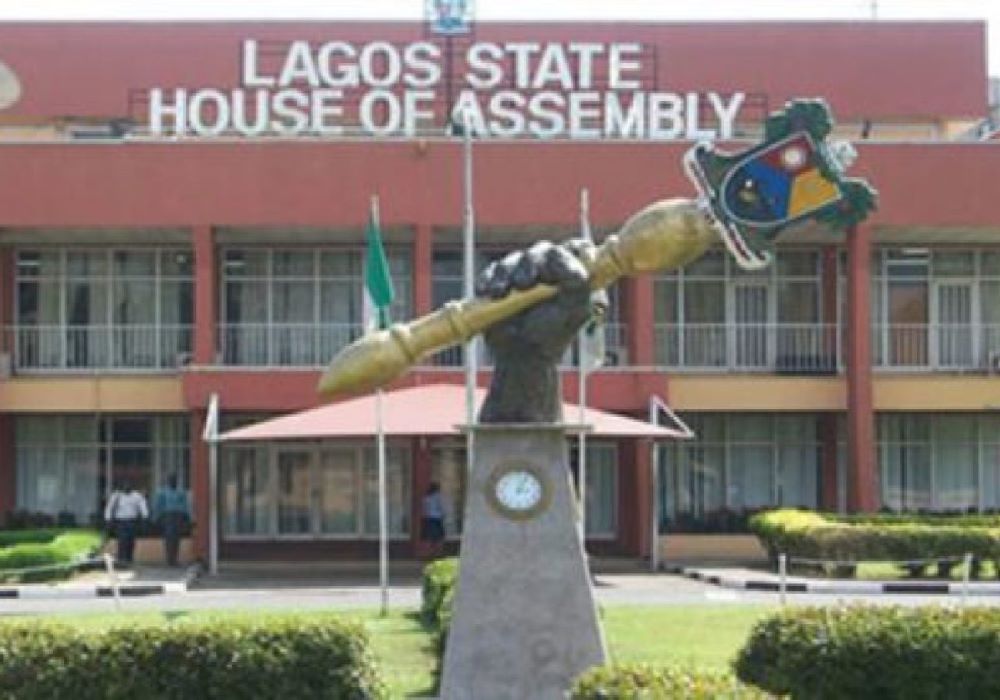
Supporters of the impeached Speaker of the Lagos State House of Assembly, Mudashiru Obasa, on Saturday morning stormed the Speaker’s Lodge located at 47 Joel Ogunnaike Street, GRA Ikeja, Lagos.
The supporters, dressed in pro-Obasa vests and caps, arrived in large numbers at the premises.
According to multiple sources, the group was planning a “heroic welcome” for the former Speaker, who was recently removed from office by a majority of lawmakers in the House.
READ MORE: 9mobile Commends NCC For 50% Tariff Adjustment To Boost Telecom Sector
Obasa, who was out of the country at the time of his impeachment, was replaced by the former deputy speaker, Mojisola Meranda.
Since her emergence as Speaker, Meranda has presided over two sittings, with Obasa absent from both.
The choice of the Speaker’s Lodge as the location for Obasa’s supposed welcome sparked controversy, as he is no longer officially entitled to the property following his removal.
A resident in the area expressed surprise over the situation, saying, “I didn’t expect that the lodge would be opened for them.”
Armed security personnel, including police officers, were deployed to the area to maintain order and prevent any potential disruption.
As of the time of filing this report, Obasa had yet to arrive at the lodge.






Tinubu To Attend Africa Heads of State Energy Summit In Tanzania

Italy Collaborates With Edo To Combat Irregular Migration

Terrorism: Police Neutralises ESN Kingpins, Destroys Camps In Imo
JUST IN: Security Beefed Up As Obasa’s Supporters Occupy Speaker’s Lodge
9mobile Commends NCC For 50% Tariff Adjustment To Boost Telecom Sector

Kano Police Warn Residents Of Imminent Terror Attack Threats

OSSG Raises Alarm Over Murder Plot By APC Chieftain

NCC, SMEDAN, NAICOM, SEC, Others Set for SUPERNEWS SMEs Conf June 13
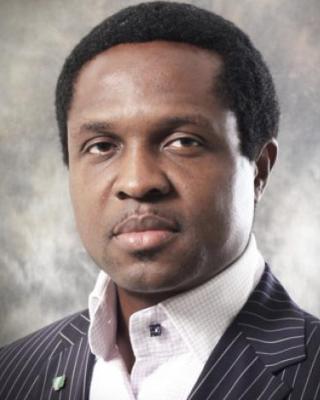
Sahara’s Tonye Cole resigns from GPHCDA
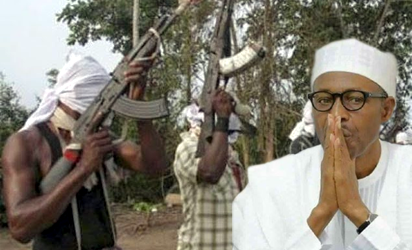
Niger Delta Avengers: President Buhari Reads riot Act …considers the carrot and stick option

Oando opens ultra-modern petrol station in Lagos