
Energy
Nigeria Steady on 1.5mb/d OPEC Oil Quota for 2nd Month

New data from the Organization of the Petroleum Exporting Countries’ (OPEC) August 2025 Monthly Oil Market Report (MOMR) indicate that Nigeria was able to sustain its crude oil production for two months straight, a little above the 1.5 million barrels per day cut quota set for it by the group.
Nigeria’s average daily oil production rose to 1.505 million barrels per day in June and 1.507 million barrels per day in July, respectively, from 1.453 million barrels per day in May.
This is the third time Nigeria’s average crude production would meet the OPEC quota this year. The other month was January.
January has the highest output of 1.54 mbpd.
ALSO READ: Ojulari Commits to NLNG’s Growth, Sustainability
Available statistics show that crude production dropped to 1.46 mbpd in February, 1.40 mbpd in March, 1.48 mbpd in April and 1.45 mbpd in May.
On a positive note, the surge above the OPEC quota in June was sustained in July.
The Chief Executive of the Nigerian Upstream Petroleum Regulatory Commission (NUPRC), Gbenga Komolafe, has been upbeat about the Project One Million Barrels Initiative launched in 2024.
According to him, Nigeria is actively boosting crude oil production by reactivating dormant fields, fast-tracking regulatory approvals, and enhancing operational efficiencies across the upstream value chain.
Komolafe maintained that the current administration had succeeded in raising oil (crude and condensate) from 1.4 mbpd to 1.7 mbpd.
He said the recent increase in oil production by about 300,000 bpd confirmed the government’s efforts to achieve the ambitious 2 mbpd oil output.
He said, “With a clear target of increasing production from 1.46 million barrels per day to 2.5 million bpd by 2026, the initiative has already demonstrated strong momentum with current unreconciled daily production averaging 1.7–1.83 mbpd.”



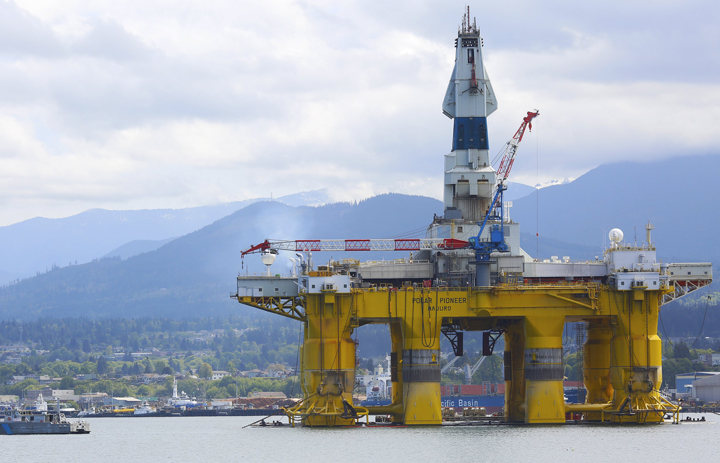
With a view to accelerating infrastructure development and reducing operating costs, the U.S. Department of Transportation is contemplating a new set of safety regulations for liquefied natural gas facilities.
This is coming as American exporters prepare for another major expansion in global natural gas markets.
It was gathered that the proposal, issued by the Pipeline and Hazardous Materials Safety Administration (PHMSA), would modernize federal LNG safety requirements by incorporating standards developed by the National Fire Protection Association.
READ ALSO: Investors Embrace DPRP IPO Globally, 120 Countries, 54 African Nations
The changes are to address facility location, engineering, construction, operations, and maintenance, with greater flexibility to adopt newer technologies.
Transportation Secretary, Sean Duffy estimates that the updated framework could save LNG operators approximately $100 million annually while maintaining safety protections. The projected savings are an agency estimate, and the proposal has not yet become a final regulation.
The initiative comes as the United States strengthens its position as the world’s largest LNG exporter. American export capacity is expected to increase by approximately 100 million metric tons annually by the end of the decade, supported by projects already under development and additional planned investments.
Global LNG demand has also become more sensitive to geopolitical disruptions. Interruptions to Middle Eastern gas shipments associated with the conflict involving Iran have encouraged international buyers to evaluate alternative suppliers and diversify long-term procurement arrangements.
U.S. LNG developers have responded with additional investment commitments. Projects representing more than 50 million metric tons of annual capacity have reached final investment decisions since the beginning of 2025.
Major exporters, including Cheniere Energy and Venture Global, are pursuing additional development opportunities as federal policy places greater emphasis on expanding domestic energy infrastructure.
However, regulatory modernization does not eliminate the financial or operational challenges associated with LNG construction.
Developers must still secure the Federal Energy Regulatory Commission (FERC) approvals, complete environmental reviews, arrange financing, and address potential legal challenges. Pipeline connections, specialized equipment availability, construction costs, and long-term customer contracts also influence project schedules.
Delfin LNG, which is developing a floating export facility, illustrates the importance of infrastructure safety approvals. Its associated pipeline has not received publicly confirmed PHMSA clearance to resume operations following an explosion earlier this year.
Separately, FERC has proposed a streamlined authorization framework for certain modifications and expansions at existing LNG facilities, including activities that could qualify for automatic approval or shortened review periods.
For energy investors, the combined regulatory initiatives could improve development visibility and reduce some costs, although their financial impact will depend on final requirements and individual project circumstances.
Additional LNG export capacity could support demand for U.S. natural gas production, particularly from major producing regions connected to Gulf Coast terminals.
Midstream operators, engineering companies, compression equipment manufacturers, and construction contractors could also benefit from continued infrastructure investment.
At the same time, greater export demand may increase domestic natural gas price sensitivity to international markets, creating different implications for producers, utilities, and industrial consumers.
Investors will be monitoring the final PHMSA regulations, FERC permitting developments, LNG project financing decisions, and the pace at which proposed export capacity enters commercial service.
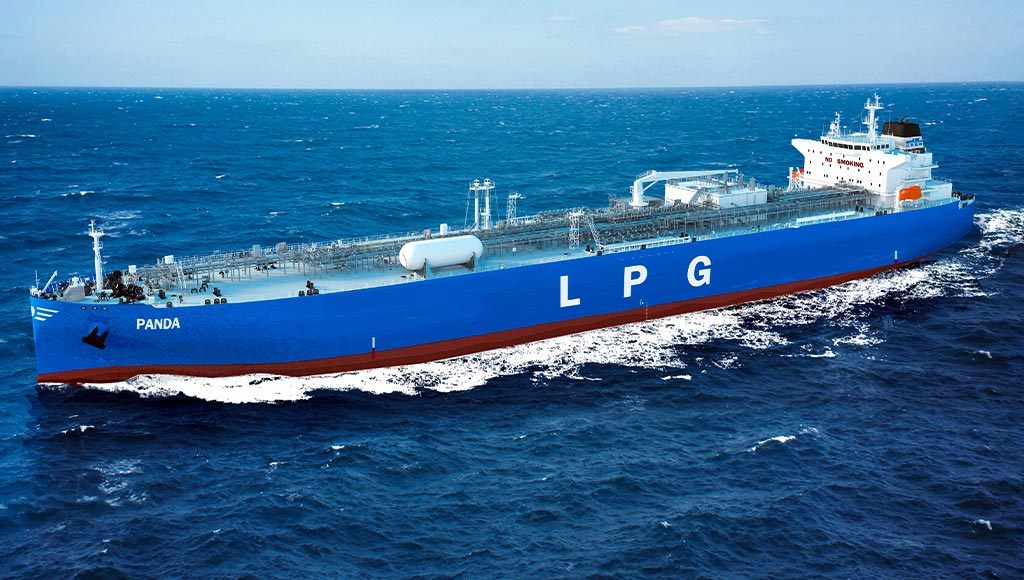
The Nigerian Association of Liquefied Petroleum Gas Marketers (NALPGAM) has urged operators in Nigeria’s liquefied petroleum gas (LPG) industry to strengthen safety standards, improve regulatory compliance and adopt digital technologies to reduce operational losses and drive business growth.
The association said improved operational practices would help protect investments, enhance efficiency, build consumer confidence and support the sustainable expansion of C.
The call followed its 2026 webinar, themed “Downstream LPG Operational Excellence and Compliance,” which brought together industry operators, regulators and other stakeholders to discuss safety risks, market volatility, operational inefficiencies and regulatory requirements in the downstream LPG sector.
Speaking at the event, NALPGAM National President, Edu Inyang, said the industry’s long-term growth would depend on more than increased consumption and supply volumes, stressing the need to embed safety and operational efficiency in everyday business practices.
“The future of Nigeria’s LPG industry cannot be achieved by increasing volumes alone. We must grow safely, responsibly, efficiently and sustainably. Safety is not an occasional campaign; it must become a continuous industry culture,” he said.
READ ALSO: Tinubu Promises to Boost Local Production with NNPC Refineries
A major outcome of the webinar was a proposal for a NALPGAM Standard of Operational Excellence, anchored on four principles: safe and well-maintained facilities, competent and adequately trained operators, regulatory-compliant processes, and consumer protection.
Participants urged operators to integrate safety into routine operations, strengthen preventive maintenance and comply with licensing and incident-reporting requirements.
They also called for an end to unsafe practices, including unauthorised propane blending and illegal decanting, warning that such activities could expose businesses and consumers to avoidable risks.
Inyang said compliance should be viewed as a means of strengthening business performance rather than merely fulfilling regulatory obligations.
“Compliance is not merely a regulatory burden; it is a business advantage. Well-managed LPG operations reduce accidents, improve efficiency, protect investments and strengthen public confidence in our industry,” he said.
The webinar also highlighted the role of digital technologies in improving operational efficiency and accountability across the LPG value chain.
Participants identified smart filling systems, automated tank gauges, load cells, flow meters and vehicle-tracking systems as practical tools for monitoring product movements, reducing losses and improving inventory management.
Wider adoption of these technologies, they said, could help operators strengthen operational controls, minimise discrepancies and improve the reliability of LPG distribution.
The discussions come as Nigeria seeks to expand LPG consumption to approximately five million tonnes annually by 2030, a target that will require increased investment, stronger distribution networks and wider consumer access.
Stakeholders called for greater industry participation in the Decade of Gas LPG penetration programme, alongside stronger collaboration to expand access, improve cylinder traceability and promote certified local manufacturing.
The NALPGAM also urged regulators and programme coordinators to involve its members more actively in implementing LPG penetration and cylinder recirculation initiatives.
According to the association, its members’ nationwide presence and proximity to consumers could help improve the reach and effectiveness of programmes designed to increase LPG adoption.
Reiterating the association’s position, Inyang said the industry must establish clear operational standards that protect consumers while supporting efficient and sustainable business practices.
“Our aspiration is clear: every LPG facility must be safe and properly maintained, every operator competent and adequately trained, every process compliant, and every customer protected. This is the standard of operational excellence we must collectively pursue,” he said.
The NALPGAM reaffirmed its commitment to working with government agencies, regulators and industry stakeholders to develop a safer, more efficient and competitive LPG market.
The association maintained that embedding safety, strengthening compliance and deploying appropriate technologies would be critical to improving operational performance and supporting the long-term growth of Nigeria’s LPG industry.
Fears of renewed US military strikes on Iran and escalating threats to energy infrastructure across the Middle East heightened concerns about global crude supplies have pushed-up crude oil prices in the global market.
These factors pushed crude oil prices over $117 a barrel in the global market, even as oil theft and pipeline losses in Nigeria fell by 82.9 percent in five years, from 102,900 barrels per day (bpd) in 2021 to 17,600 bpd in the first seven months of 2026, amid fresh concerns about further increases in lost volumes after years of decline.
Nigeria’s oil benchmark, Brent crude, climbed by about 3.5 percent to cross $117 a barrel during trading before easing to just above $116, still up approximately 2.7 percent.
READ ALSO: Navy Uncovers 132,000 Litres of Stolen Crude Oil in Bonny
The latest rally followed reports that Washington was considering fresh military strikes against Iran after the November 3 midterm elections, raising concerns that the conflict, now in its eighth month, could escalate further rather than move towards a diplomatic resolution.
Iran had threatened to attack oil facilities, undersea cables, data centres and artificial intelligence infrastructure across the Gulf if the United States and Israel launched a new offensive against the country.
Recall that Brent crude traded at about $72 a barrel in February, before the war began, but surged to about $126 a barrel by the end of April as the conflict intensified and concerns mounted over supply security.
Tensions rose again during the week following claims by Iran’s Islamic Revolutionary Guards Corps (IRGC) that it struck four commercial vessels in the Strait of Hormuz on Wednesday.
The US ordered some diplomats and family members of American government employees to leave Saudi Arabia, which had faced continued attacks by Houthi rebels operating from Yemen.






Nigeria Moots Oil Industry Deal with Indonesia

Insecurity: Radda Seeks Traditional Rulers’ Partnership to Protect Farmers, Communities

APC Defends Tinubu Over Electricity Promise, Says President Is Tackling Sector’s Challenges

Oyo Police Arrest Suspected Serial Burglar, Recover Stolen Items Worth ₦16.2m

Ekiti Attack: Sowore Tracks Stolen Phones Near Governor’s Office, Demands CCTV Footage

NAF Tests 816 Recruits’ Combat Readiness in Kaduna Bush Camp Exercise

Trump’s Family Unveils New Cryptocurrency Platform

Senate Denies Receiving Petitions Against Tinubu’s Ambassadorial Nominees

Dangote Cement Lights Up Benue Host Communities With CSR Initiatives

Reps Recommend 3-year Jail Term For Aviation minister

Tems Sets New Record On Billboard Hot 100 Chart

8y2jk5
e0xo31
Thanks, I’ve just been searching for information about this subject for a while and yours is the greatest I have came upon so far. However, what about the bottom line? Are you certain concerning the supply?
I wanted to compose a brief message in order to appreciate you for all of the precious pointers you are posting on this site. My extended internet search has finally been rewarded with useful ideas to exchange with my contacts. I ‘d declare that many of us site visitors are truly fortunate to live in a fabulous site with so many wonderful professionals with useful things. I feel pretty lucky to have used your website page and look forward to tons of more exciting moments reading here. Thanks once more for all the details.
Hello! I’ve been reading your weblog for a while now and finally got the bravery to go ahead and give you a shout out from Dallas Texas! Just wanted to mention keep up the good job!
I like this website because so much useful stuff on here : D.
Hmm it seems like your site ate my first comment (it was super long) so I guess I’ll just sum it up what I submitted and say, I’m thoroughly enjoying your blog. I too am an aspiring blog blogger but I’m still new to the whole thing. Do you have any tips and hints for first-time blog writers? I’d certainly appreciate it.
Good post. I be taught something tougher on different blogs everyday. It will all the time be stimulating to learn content material from other writers and apply a bit of something from their store. I’d prefer to use some with the content material on my weblog whether you don’t mind. Natually I’ll give you a hyperlink on your internet blog. Thanks for sharing.
You have noted very interesting details! ps decent website . “We simply rob ourselves when we make presents to the dead.” by Publilius Syrus.
I have been surfing online more than three hours today, yet I never found any interesting article like yours. It’s pretty worth enough for me. Personally, if all site owners and bloggers made good content as you did, the internet will be much more useful than ever before.
Write more, thats all I have to say. Literally, it seems as though you relied on the video to make your point. You clearly know what youre talking about, why waste your intelligence on just posting videos to your site when you could be giving us something informative to read?
As soon as I found this web site I went on reddit to share some of the love with them.
Pretty! This was a really wonderful post. Thank you for your provided information.
Hiya very nice website!! Man .. Beautiful .. Amazing .. I will bookmark your website and take the feeds alsoKI’m glad to find numerous helpful info here in the put up, we’d like develop more techniques in this regard, thanks for sharing. . . . . .